Mastering Pasta Dough from Scratch
Creating delicious pasta from scratch is one of the most rewarding culinary skills you can master. The allure of fresh pasta extends beyond its taste; it’s about the tactile experience of working with your hands, the aroma of flour and eggs, and the satisfaction of crafting a beautiful dish that feels both traditional and innovative. Once you understand the fundamentals of pasta dough, you'll find the process not only accessible but also immensely fulfilling.
To begin, it’s important to note that fresh pasta is a staple in many cultures and can elevate even the simplest of sauces. By focusing on the foundational techniques of making pasta dough, you’ll gain insights that will allow you to experiment and adapt various recipes to suit your palates. Many home cooks shy away from making pasta, believing it to be too complex or technical, but this blog post will guide you through every step, ensuring that you feel confident and excited to roll out your own creations.
Let’s embark on this pasta-making journey together! By understanding the ingredients, mastering the technique, and learning how to roll, cut, and shape your dough, you will put yourself on the path to pasta perfection. So, roll up your sleeves, dust your countertop with flour, and let’s dive into the art of mastering pasta dough from scratch.
Understanding the Ingredients
To create pasta dough, you’ll need just a few simple ingredients: flour, eggs, salt, and water. Each of these plays a pivotal role in the texture and flavor of your final product. Understanding these ingredients will not only help you in making traditional pasta but also enable you to customize your dough for different types of pasta or dietary preferences.
The Flour
Flour is the foundation of any pasta dough, and the type you choose significantly influences your dough's flavor and texture.
When selecting your flour, be sure to consider the specific type of pasta you’re making. For example, delicate sheets for lasagna call for different flour than the robust strands of fettuccine.
The Eggs
Eggs bring richness and flavor to the dough while also contributing moisture and fat. They bind the flour together, creating a cohesive dough.
Salt and Water
While salt is critical for seasoning, it also helps to strengthen the gluten structure of the dough.
With an understanding of these core ingredients, you’re well on your way to crafting an impeccable pasta dough that can be the base for countless dishes.
Techniques for Making Pasta Dough
Making pasta dough involves several key techniques that ensure your result is successful. Mastering these techniques will not only enhance your skills but will also give your pasta that professional-grade texture and flavor.
Mixing the Dough
To begin the process, gather all your ingredients and create a clean workspace. The classic method of creating pasta dough is the “well” technique, where you form a mound of flour and create a well in the center to hold your eggs.
Kneading the Dough
Once your dough has come together, it’s time to knead. Kneading is vital as it develops gluten, giving the pasta its structure and chew.
“Kneading is crucial; the longer you knead, the better the texture will be.”
Rolling out the Dough
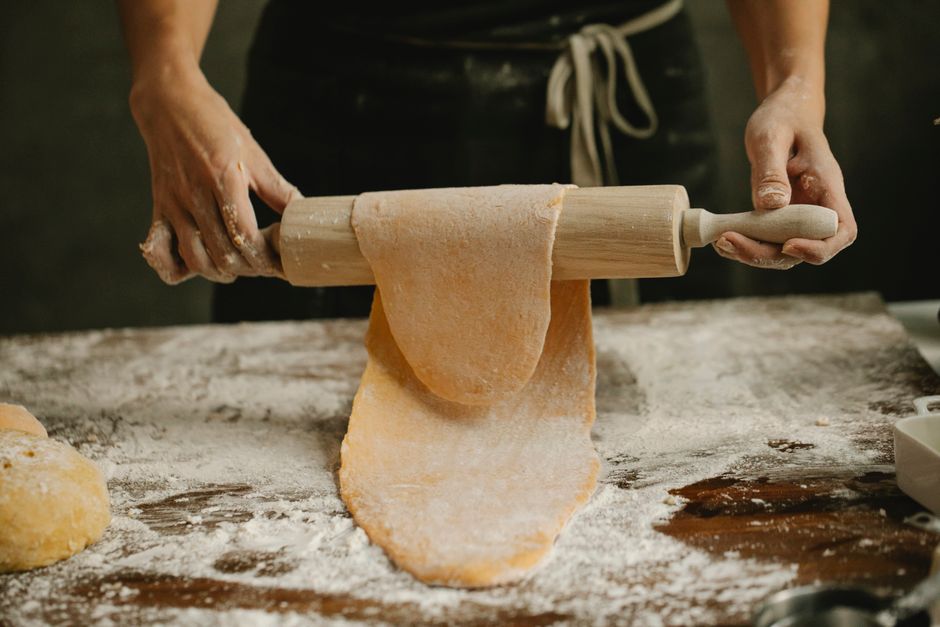
Now that your dough has rested, it’s time for rolling. This step can be done by hand with a rolling pin or with a pasta machine for increased precision.
#### Hand Rolling
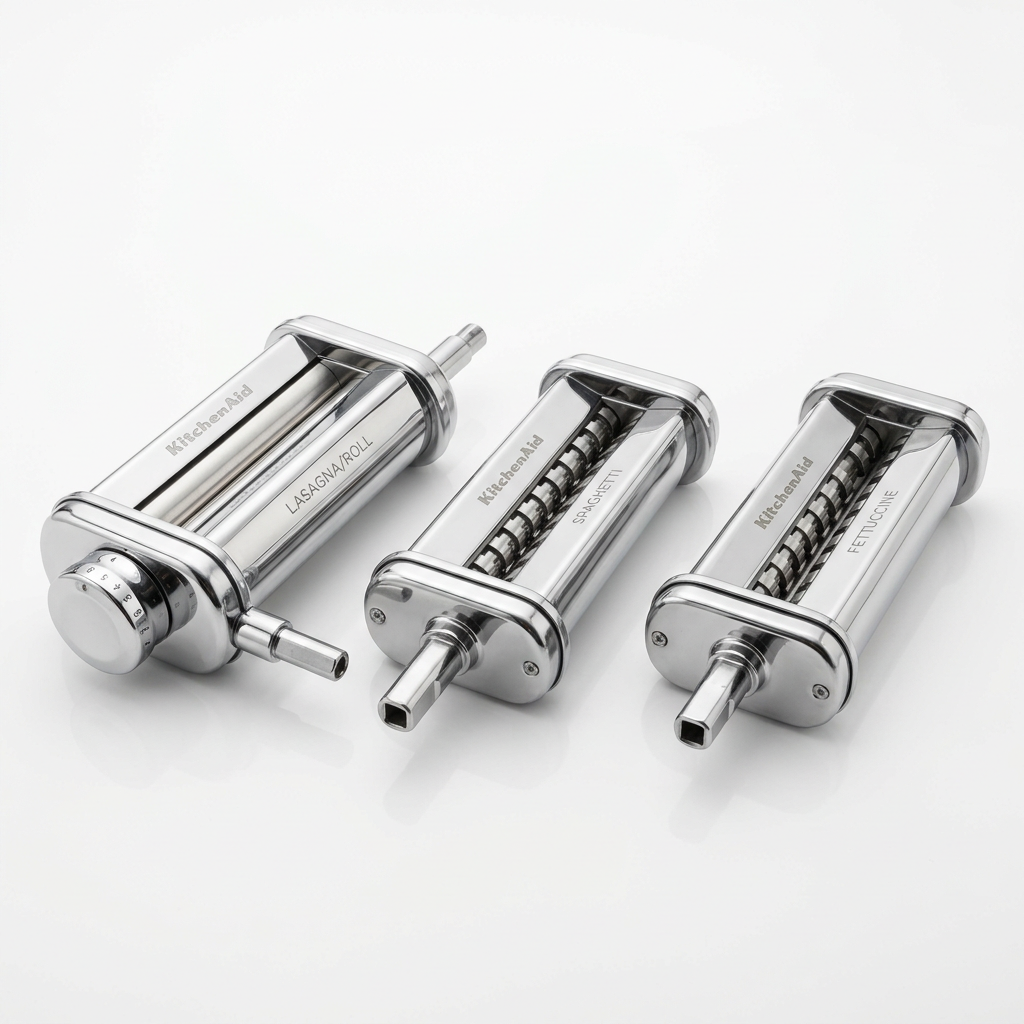
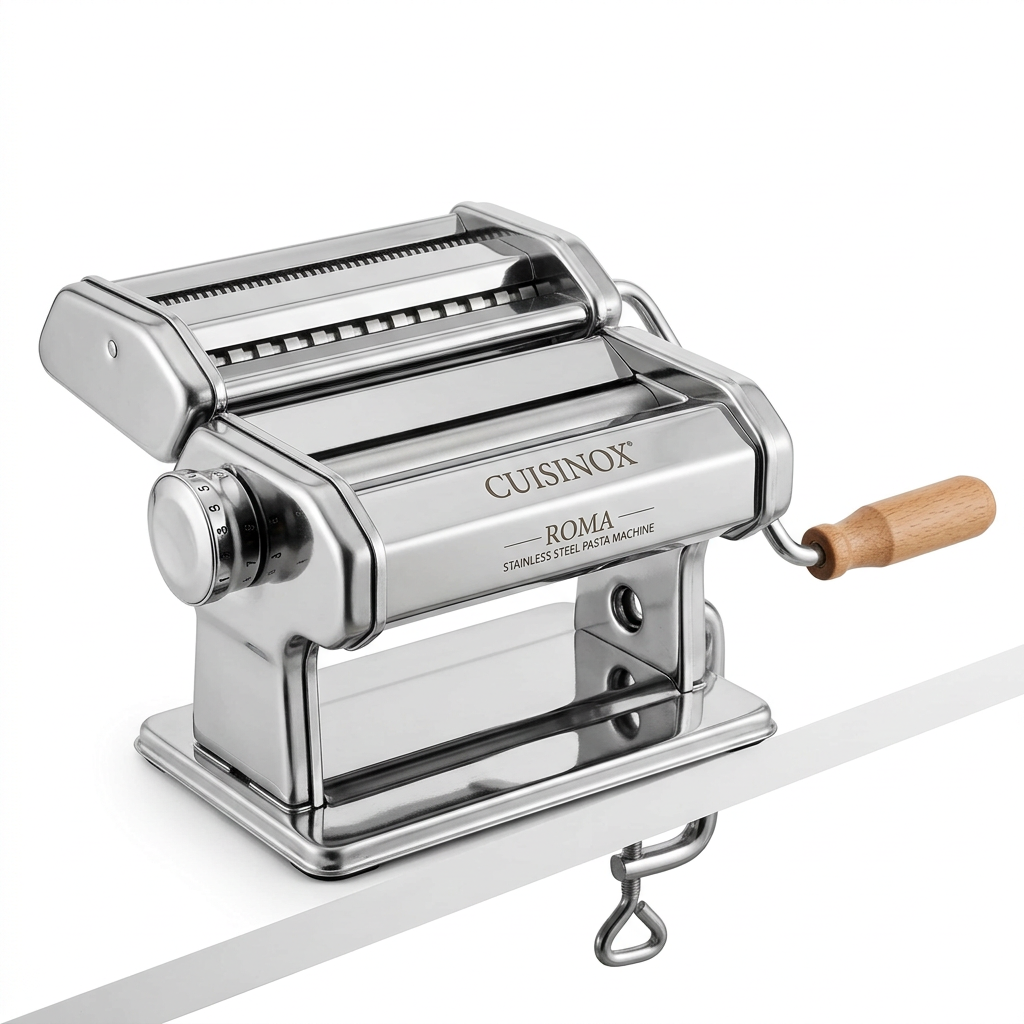
#### Using a Pasta Machine
Rolling out dough may take some practice to achieve that perfect thinness. Keep in mind that different pasta types require different thickness levels, ranging from the robust lasagna sheets to delicate ravioli.
Cutting and Shaping Pasta
After rolling out your dough, it's time to decide how to cut or shape it. Each type of pasta has its unique characteristics that pair well with specific sauces.
Types of Pasta Shapes
There are myriad types of pasta, but some of the most popular homemade varieties include:
Understanding the pasta shape you want to create is essential, as the cutting and shaping techniques vary.
Cutting the Dough
Once your dough is rolled out to the desired thickness, it’s time to cut.
Shaping the Pasta
After cutting, it’s crucial to shape your pasta properly.
“A little flour goes a long way in preventing stickiness!”
Cooking Pasta to Perfection
Cooking fresh pasta is markedly different from cooking dried pasta. Fresh pasta cooks quickly, so it's crucial to keep an eye on it to avoid overcooking.
Boiling Water
Cooking Times
Saucing Your Pasta
One of the glories of homemade pasta is how well it pairs with fresh, simple sauces.
Tips for Perfect Pasta Every Time
As with any culinary pursuit, mastering the art of pasta-making comes with experience and a few key tips that can help refine your technique.
Practice Makes Perfect
Making pasta is a skill that improves with practice. Don't be discouraged by your first attempts. Take notes on what works and what doesn’t, and tweak your process as you go.
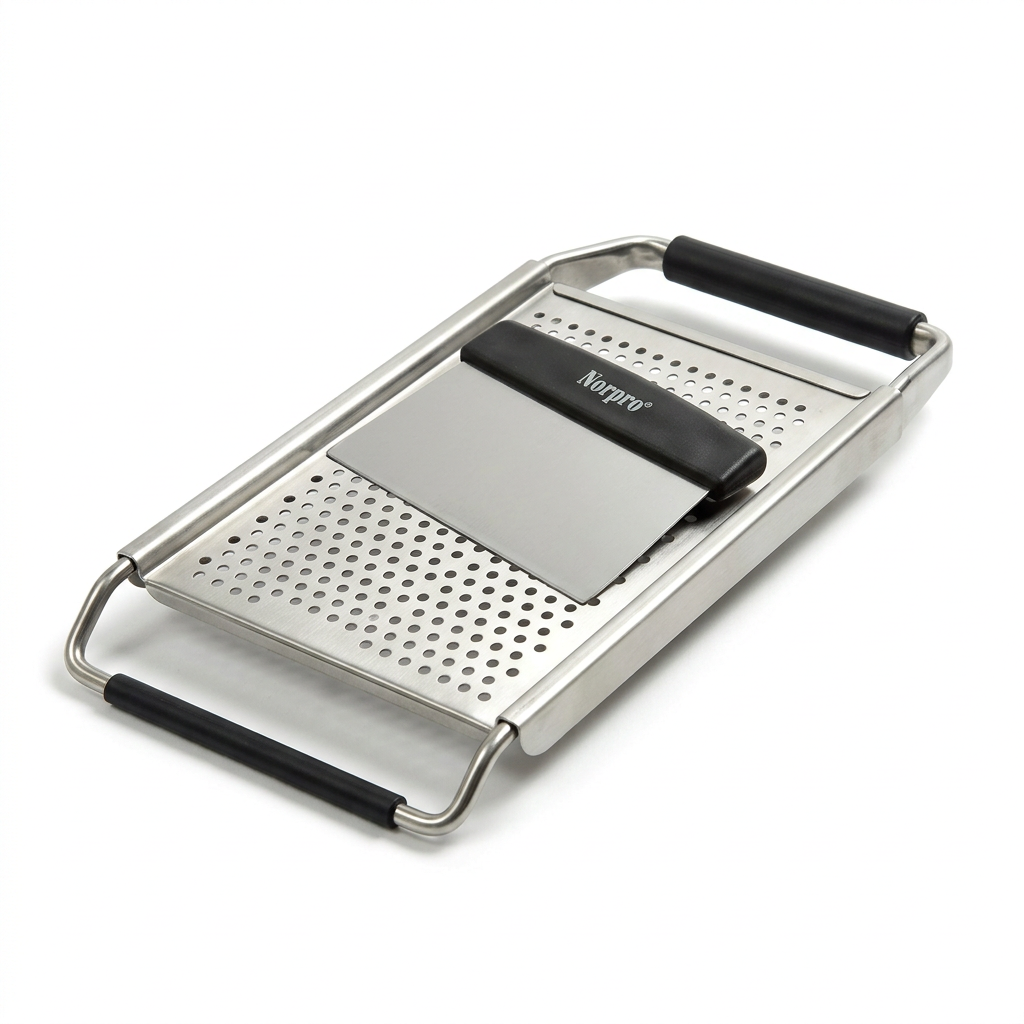
Invest in Tools
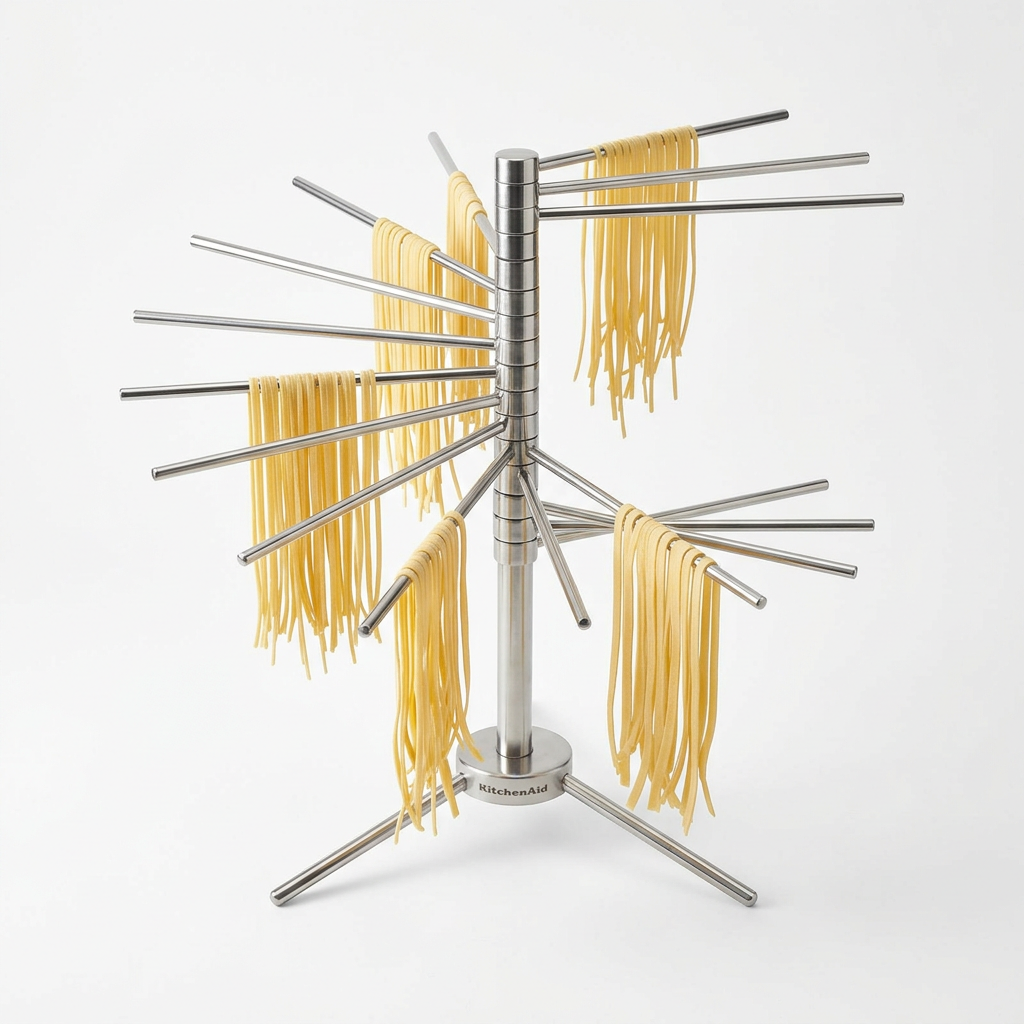
While you can certainly make pasta with minimal tools, having a few key items can enhance your experience:
Embrace Experimentation
Don’t hesitate to try different flours, add herbs to your dough, or even experiment with flavors. Spinach or beetroot can add vibrant colors and nutrients to your pasta.
Store Properly
If you make more pasta than you can eat, storage is essential. Fresh pasta can be stored in the fridge for 1-2 days or frozen for longer storage. To freeze, dust lightly with flour and spread the pasta out on a baking sheet. Once frozen, transfer to airtight containers.
Final Thoughts
Mastering pasta dough from scratch is a fulfilling journey that opens up a world of culinary possibilities. Although it may seem intimidating at first, with the right techniques and a little practice, anyone can create pasta that rivals their favorite Italian restaurant. Enjoy the process of making your pasta, from selecting the best ingredients to discovering new shapes and flavors.
As you cook, remember that the kitchen is a place of creativity and joy. Each batch of dough you make will improve your skills, allowing you to experiment and evolve your pasta-making craft. Whether you serve it with a simple drizzle of olive oil, a hearty meat sauce, or a delicate butter and sage, fresh pasta is sure to impress. So gather your ingredients, invite some friends, and start your journey towards pasta perfection. Happy cooking!
Total Word Count: 2,085 words.
Get the Next Recipe
Weekly recipes, techniques, and gear picks — straight to your inbox.
