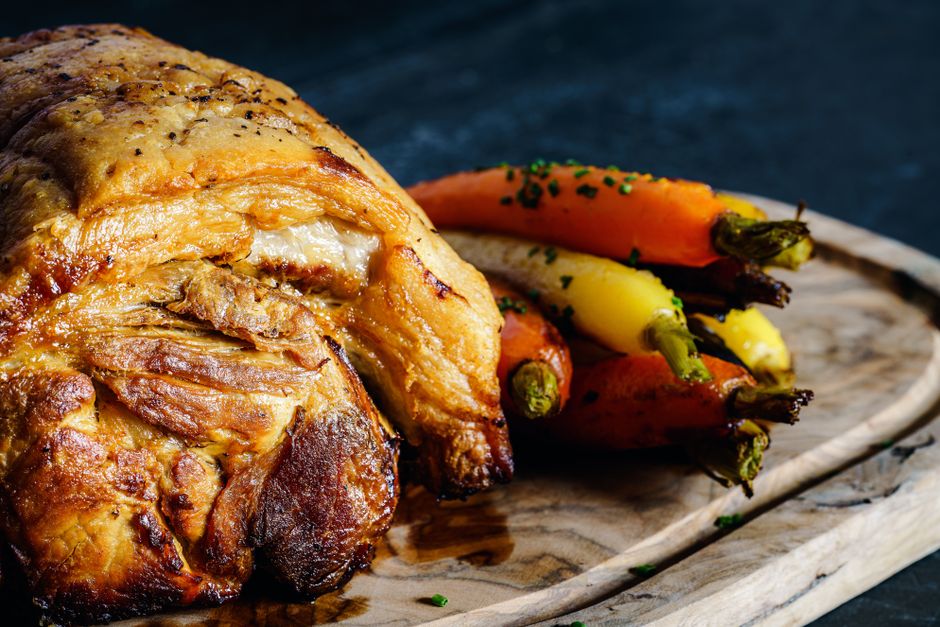
Mastering Pork Belly: From Crispy Skin to Slow Braises
Pork belly has garnered a substantial following in the culinary world. This delectable cut of meat is often celebrated for its contrast of textures and rich flavors, making it a canvas for a multitude of cooking techniques. Whether you are savoring the sublime crackle of crispy skin or relishing the tender, melt-in-your-mouth bites from a slow braise, mastering pork belly can elevate your cooking game. If you've ever dined at a fine restaurant and wondered how they achieve such impeccable results with this cut, you are in the right place. In this guide, we will explore all aspects of cooking pork belly, from essential techniques to expert tips, allowing you to recreate these gourmet experiences right in your kitchen.
Cooking pork belly is an art that requires some foundational knowledge, attention to detail, and patience. It's crucial to select the right cut, as quality will directly influence the final dish. When shopping for pork belly, look for a piece with a balanced ratio of meat to fat. The fat is what ultimately provides the richness and flavor, but an excess can lead to a greasy result that veers into undesirable territory. Educating yourself on the different grades of pork will also be beneficial; higher quality cuts will make your cooking strategies much more rewarding.
As we navigate the various methods of cooking pork belly, such as roasting, braising, and confiting, you will also learn about the importance of timing, seasoning, and finishing techniques that can take your pork belly to the next level. There are many components to consider: whether you want a crunchy exterior or a soft interior, the right temperature for cooking, and how to effectively apply various sauces and seasonings. This post will guide you through each step, ensuring that you leave with the confidence to tackle this indulgent cut of meat in your own kitchen.
Choosing the Right Cut of Pork Belly
When it comes to achieving the perfect pork belly dish, the foundation starts with selecting the right cut. Not all pork bellies are created equal; they can vary significantly in both quality and flavor. Here are some factors to keep in mind as you make your selection:
Fat Content
Pork belly is well-known for its layers of fat and meat. The proportional balance of these elements is essential:
Source and Quality
Not all pork is created equal. Different breeds can dramatically affect the flavor and texture:
Pigment and Texture
The appearance can also give insights into the meat's quality:
Tip: Always ask your butcher questions! They can provide insight into the pig's background as well as recommendations for cooking methods.
Preparing Pork Belly for Cooking
Before you can begin cooking, proper preparation of your pork belly is vital to ensure the best possible taste and texture. Here are key steps to prepare your pork belly for cooking:
Scoring the Skin
One of the most sought-after features of a well-cooked pork belly is its crispy skin. To achieve that crackling result, you’ll need to score the skin correctly:
Drying the Skin
The secret to achieving perfect crispiness lies in drying out the skin:
Seasoning the Meat
Once you have prepared the skin, it’s time to season the meat side effectively:
“The secret to great pork belly starts with the right preparation — from scoring the skin to seasoning the meat.”
Techniques for Cooking Pork Belly
With your pork belly prepared and seasoned, it’s time to dive into the various cooking techniques that will transform this cut into a culinary masterpiece. Here, we will cover several excellent methods, including roasting, braising, and confiting.
Roasting Pork Belly
Roasting is perhaps the most popular method for cooking pork belly, especially when you crave that crispy skin.
Braising Pork Belly
Braising is another exceptional technique that ensures tender, flavorful pork belly, though without the crispy skin. It involves cooking the meat slowly in liquid, enhancing its flavor profile.
- Basic Liquid: You can use chicken or vegetable broth, wine, or even beer along with aromatics like onion, garlic, and bay leaves.
- Proportions: A general ratio is about 2 cups of liquid for every 1 pound of meat.
Confiting Pork Belly
Confiting is a classic technique that entails slow cooking the pork in its own fat, leading to unbelievably tender results. This method is particularly labor-intensive but worth the effort for a special occasion.
“Confiting is an indulgent luxury that rewards you with tender, rich meat. Once you’ve tried it, you may never look back.”
Essential Flavor Pairings for Pork Belly
Part of the joy of crafting a fantastic pork belly dish is understanding the flavors that pair beautifully with this cut. Here are some classic combinations:
Sweet and Sour Elements
Pork belly's richness is wonderfully balanced by sweet and acidic flavors. Consider incorporating ingredients such as:
Umami Bombs
Adding umami-rich ingredients can elevate your pork belly dishes:
Herbaceous and Spices
Incorporate fresh herbs and spices to keep things vibrant:
Serving Suggestions for Pork Belly
Having cooked your pork belly to perfection, the final step is serving it in an appealing manner. Here are some ideas to turn your dish into a spectacular feast:
Plating Techniques
Accompaniments
Choosing the right sides can enhance your pork belly experience:
Serving Styles
Depending on the occasion, you may want to consider different serving styles:
“Present your dish with care; the beauty in plating elevates the dining experience to a whole new level.”
Conclusion
Mastering pork belly is undoubtedly an endeavor that requires attention to detail, but the rewards are immense. With its versatility of textures and flavors, this cut can shine in a variety of culinary applications from crispy roast to tender braise or succulent confit.
Think of pork belly not just as a meal, but as an unforgettable experience. Each cooking method offers a unique opportunity to engage with the food, allowing your creativity to flourish. Armed with the techniques, tips, and pairings from this guide, you are now more than prepared to explore this fascinating cut of meat.
Plan your next culinary adventure by trying out your newfound skills with pork belly. Whichever direction you choose, be assured that you can create a dish worthy of celebration. So roll up your sleeves, gather your ingredients, and get ready to impress friends and family with pork belly that will have them clamoring for seconds!


Get the Next Recipe
Weekly recipes, techniques, and gear picks — straight to your inbox.
