Mastering Ramen: From Broth to Noodles to Perfect Bowls
Asian Cuisine

Mastering Ramen: From Broth to Noodles to Perfect Bowls

C
By The Chef
|May 3, 2026|11 Min Read
📋
Recipe Card
4 ingredients · 0 steps
Servings
4
Ingredients
Instructions
Progress
0%

Ramen is more than just a hearty bowl of soup; it's a culinary art, a warm embrace, and a journey through flavors that has captured the hearts and palates of people around the globe. Originating from Japan, ramen's appeal lies in its delicate broth, tender noodles, and an endless array of toppings and flavors that can be customized to your liking. For many, the quest for the perfect bowl of ramen may seem daunting, but with a bit of patience and practice, anyone can master this comforting dish. This guide will take you through every component of a successful ramen, emphasizing the importance of fresh ingredients, careful technique, and a touch of creativity.

Crafting the perfect ramen begins long before the first slurp. At its core, great ramen hinges on a robust and flavorful broth. Depending on the region and tradition, ramen broth can be classified into several styles, each with its unique character—from the creamy, rich tonkotsu made from pork bones, to the clear, umami-packed shoyu broth flavored with soy sauce. Understanding these different bases is essential to developing your ramen-making skills and allows you to experiment and find your favorite flavor profile. Along the way, we will also explore the intricacies of preparing homemade noodles, the importance of garnishes, and how to assemble an exemplary ramen bowl.

As you embark on your journey to ramen perfection, keep in mind that every chef has their own interpretation. The beauty of ramen lies in its adaptability—using seasonal ingredients or traditional recipes may help you create a dish that’s not just delicious but reflects your personal touch. So, roll up your sleeves, gather your ingredients, and let’s dive into the nuances of mastering ramen from broth to noodles, culminating in a bowl that will impress family and friends alike.

Understanding Ramen Broth

A noteworthy bowl of ramen all starts with the broth, which acts as the foundation of the entire dish. There are three primary types of ramen broth: shoyu (soy sauce), miso (fermented soybean paste), and tonkotsu (pork bone). Each style requires its unique approach, and mastering the art of creating these broths will transform your ramen experience.

Shoyu Broth

Shoyu ramen features a deep, savory flavor that is sophisticated yet comforting. To create a rich shoyu broth, you will need:

●1 pound of chicken bones
●2 pounds of pork bones
●1 onion, quartered
●1 head of garlic, halved
●2-inch piece of ginger, sliced
●1 cup soy sauce
●8 cups water
●Bonito flakes (optional for added umami)

Steps to make Shoyu Broth:

1.Prepare the bones: Blanch the chicken and pork bones in boiling water for 5 minutes to remove impurities. Drain and set aside.
2.Sauté the aromatics: In a large stockpot, sauté the onion, garlic, and ginger until fragrant, about 5-7 minutes.
3.Simmer: Add the blanched bones to the pot along with 8 cups of water. Bring to a boil, then reduce heat to a simmer. Cook for at least 6 hours, skimming the surface periodically to remove any foam or scum.
4.Season: After 6 hours, strain the broth into a clean pot, discarding the solids. Add the soy sauce and optional bonito flakes. Adjust seasoning to taste.

This shoyu broth provides a savory umami flavor that serves as the perfect base for any ramen dish.

Miso Broth

The miso broth offers a creamy, complex twist and is characterized by a slightly sweet and nutty flavor profile. Here is how to create a delightful miso broth:

●1 tablespoon vegetable oil
●2 cups chopped onions
●1 cup chopped shiitake mushrooms
●1 tablespoon grated ginger
●1/2 cup white miso paste
●8 cups water or chicken stock
●Soy sauce to taste

Steps to create Miso Broth:

1.Sauté: In a pot, heat the vegetable oil over medium heat, then add chopped onions and shiitake mushrooms. Cook until softened, about 6-8 minutes.
2.Add aromatics: Stir in ginger and continue cooking for an additional 2 minutes until fragrant.
3.Miso incorporation: Add the miso paste to the pot and gradually pour in the water or chicken stock, stirring until the miso has dissolved completely.
4.Simmer: Bring to a gentle simmer and allow to cook for 20-30 minutes to meld the flavors. Adjust seasoning with soy sauce.

This miso broth is robust and brings a delightful creaminess to your ramen, making it an excellent option for those seeking a vegetarian alternative.

Tonkotsu Broth

Tonkotsu broth is the most labor-intensive, mainly made from pork bones, imparting a creamy texture due to the emulsification of fats and collagen during prolonged cooking. Here’s how to create this rich broth:

●4 pounds pork bones (preferably neck bones and trotters)
●2 pounds chicken backs
●1 onion, quartered
●1 head of garlic, smashed
●1-inch piece of ginger
●10 cups of water

Steps for Tonkotsu Broth:

1.Blanch: In a large pot, place the pork and chicken bones and cover with cold water. Bring to a boil and simmer for 10 minutes. Discard the water and rinse the bones under cold water.
2.Simmer: In a clean pot, combine the bones with 10 cups of water, onion, garlic, and ginger. Bring to a boil again, then lower the heat to maintain a rolling simmer.
3.Cook longer: Simmer for at least 12 hours, which allows the bones to break down and creates that signature creamy texture. Make sure to add more water as it evaporates.
4.Strain and season: After simmering, strain the broth and discard the solids.

The tonkotsu broth will yield a deep, rich flavor, and it’s often recommended that you finish the broth with a touch of sesame oil for an additional layer of flavor.

Perfecting Homemade Ramen Noodles

No bowl of ramen is complete without the carefully crafted noodles. Fresh noodles can elevate your ramen from good to unforgettable. While you can buy pre-made ramen noodles, making your own can add depth to the dish and allow for customization in terms of texture and thickness.

Ingredients for Ramen Noodles

To create about four servings of fresh ramen noodles, you'll need:

●2 cups all-purpose flour
●1/2 teaspoon kansui (alkaline water or baking soda)
●1/2 cup water
●A pinch of salt

Steps for Making Ramen Noodles:

1.Mixing the dough: In a bowl, combine the flour and kansui. Gradually add water while mixing. A stand mixer with a dough hook works wonders, but you can also knead by hand until it forms a shaggy dough.
2.Kneading: Turn the dough onto a floured surface and knead for about 10 minutes until it’s smooth and elastic. Wrap in plastic and rest for at least 30 minutes to allow the gluten to relax.
3.Rolling out dough: Divide the dough into four portions. Using a rolling pin or pasta maker, roll each piece into thin sheets. Aim for a thickness of about 1/16 inch for traditional ramen noodles.
4.Cutting: Dust the sheets with flour to prevent sticking, then fold and cut into thin strips. Dust again with flour to ensure they don’t clump together.

These homemade ramen noodles offer a wonderful chew and texture that store-bought versions simply can't match. If time permits, let the noodles dry slightly for 30 minutes before cooking to achieve an even better texture.

Assembling the Perfect Ramen Bowl

Now that you have your broth and noodles ready, it's time to assemble your perfect bowl of ramen. This is where personal touches can truly shine, as ramen can be as simple or as elaborate as you desire.

Choosing Toppings

Toppings are a crucial aspect of ramen that can add flavor, color, and texture. Here’s a list of popular ramen toppings:

●Chashu (braised pork belly)
●Ajitsuke tamago (marinated soft-boiled eggs)
●Menma (bamboo shoots)
●Negi (green onions)
●Nori (seaweed sheets)
●Shiitake mushrooms
●Narutomaki (fish cakes)
●Sweet corn and peas

Feel free to mix and match these toppings according to your preference!

Step-by-Step Assembly

1.Heat the Broth: Start by warming your broth to a simmer in a separate pot.
2.Cook Noodles: In a large pot of boiling water, cook your freshly made ramen noodles for about 2-3 minutes or until al dente. Drain and rinse under cold water to stop the cooking process.
3.Add Broth: In a ramen bowl, place a serving of noodles and ladle a generous amount of hot broth over the top.
4.Top it Off: Carefully arrange your chosen toppings atop the noodles—usually starting with chashu, an ajitsuke tamago halved, and a sprinkle of green onions and menma.
5.Finish with Garnish: For the finishing touch, add a sheet of nori, some sesame seeds, and perhaps a drizzle of chili oil.

“The joy of ramen isn’t just in the taste, but in the art of assembling your bowl with love and care.”

Elevating Your Ramen Experience

Once you have mastered the basics of making ramen, it’s time to explore ways to personalize and elevate your ramen experience. Here are a few advanced techniques and suggestions that can take your ramen to the next level.

Flavor Infusions

Experimenting with flavor infusions can add depth to your broth. Consider infusing your broth with unique ingredients such as:

●Roasted garlic: Enhance your broth by roasting whole bulbs of garlic and adding them during the simmering process.
●Bacon fat: A touch of rendered bacon fat can introduce a delightful smokiness.
●Miso swirl: For miso ramen, try incorporating different types of miso or a miso butter blend at service.

Creating Signature Sauces

A signature sauce can set your ramen apart from others. Creating a simple tare—a concentrated seasoning mix—can deepen the flavor:

●Basic shoyu tare: Combine dark soy sauce, mirin, and a bit of dashi or bonito flakes. Use this to season your broth before serving.
●Spicy tonkotsu tare: Mix tonkotsu broth with chili oil and paste for those who enjoy a touch of heat.

Seasonal Variations

Ramen is incredibly versatile, so don't shy away from seasonal variations. For example:

●Spring: Incorporate fresh peas and asparagus for a spring-inspired bowl.
●Summer: Top with refreshing greens like cucumber and sprouts.
●Fall: Use ramps, mushrooms, and pumpkin for a hearty autumn-inspired ramen.
●Winter: Add winter squash and root vegetables for warming comfort.

“Ramen is as much about creativity as it is about tradition. Let your imagination roam free.”

Troubleshooting Common Mistakes

As with any culinary endeavor, making ramen at home can come with its challenges. Here are some common pitfalls and tips to help you navigate them:

Date and Texture Problems

●Too salty broth: If your broth tastes too salty, balance it with a little water or unsalted stock. Re-straining the broth may also help to dilute overly salty flavors slightly.
●Noodles too soft: If your noodles become mushy, consider cooking them separately and adding them directly to the bowl at the end, allowing each component to maintain its integrity.
●Broth lacks depth: If your broth feels flat, consider adding a splash of soy sauce or additional seasoning right before serving, or simmering longer to concentrate flavors.

Presentation Tips

Beyond the tastes, the presentation is essential! Use the following guidelines to achieve a visually stunning bowl:

●Color: Aim for a vibrant array of colors—a rainbow of toppings keeps it visually appealing.
●Height: Layer your toppings to add height; this not only looks delightful but also keeps your picture-perfect structure intact.
●Garnishes: A sprinkle of sesame seeds, finely chopped green onions, or toasted nori can dramatically enhance visual appeal.

Conclusion

Mastering ramen is a journey, one that combines patience, care, and attention to detail. From a warming bowl of shoyu broth to handmade noodles, garnished with a medley of delicious toppings, each step of creating ramen serves a purpose that culminates in a dish that is more than just food—it's a heartfelt experience. Remember, ramen adapts not only to flavors but to personal touches. Don't be afraid to experiment and find what resonates with you. Use this guide as a starting point to create bowls that bring joy not just to your palate, but also to your soul. As you continue to craft and refine your ramen skills, you may just find that you have a new favorite dish in your culinary repertoire. So gather your friends or family around and share your delicious creations—after all, ramen is best enjoyed together.
🧰 Gear for this recipe
Tools our chefs reach for when cooking this
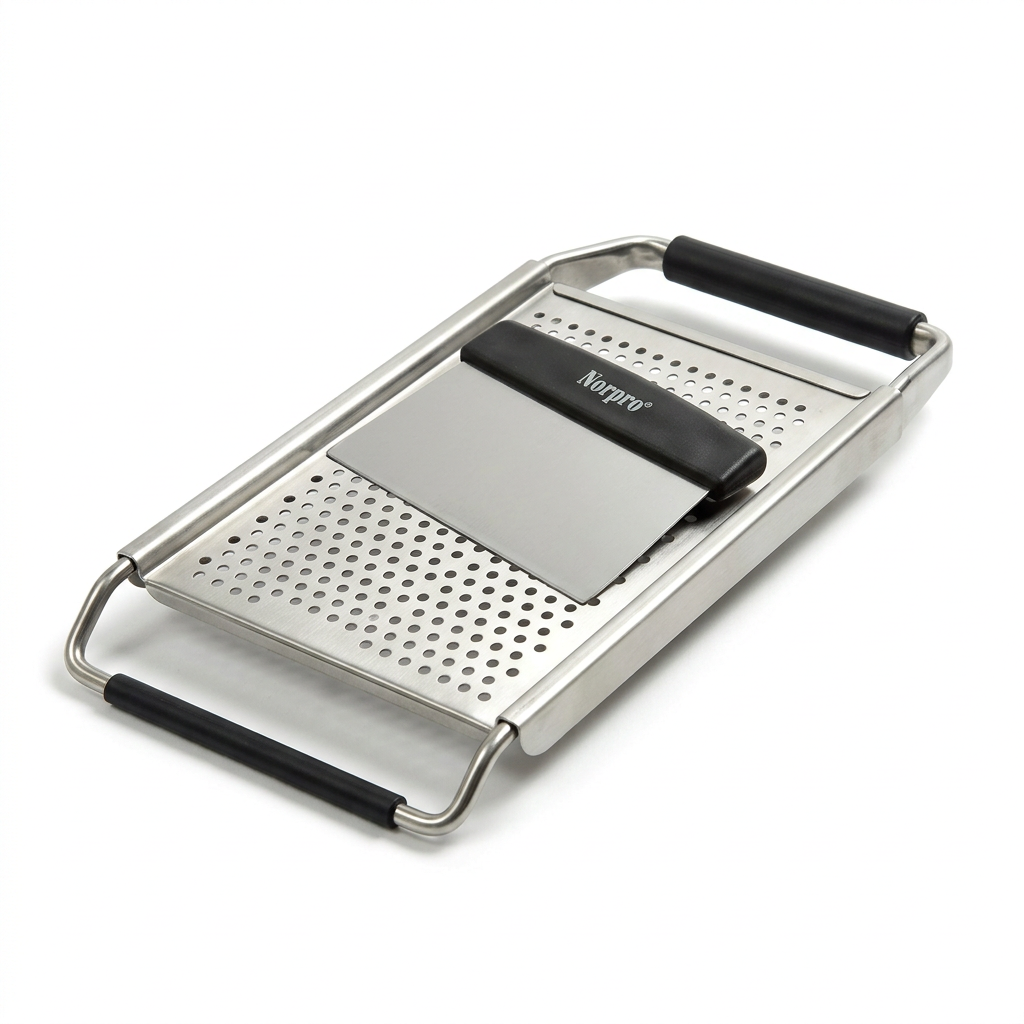
Norpro Spaetzle Maker with Scraper
Prep Tools
Norpro Spaetzle Maker with Scraper
★★★★★4.5
$15-$22
View on Amazon
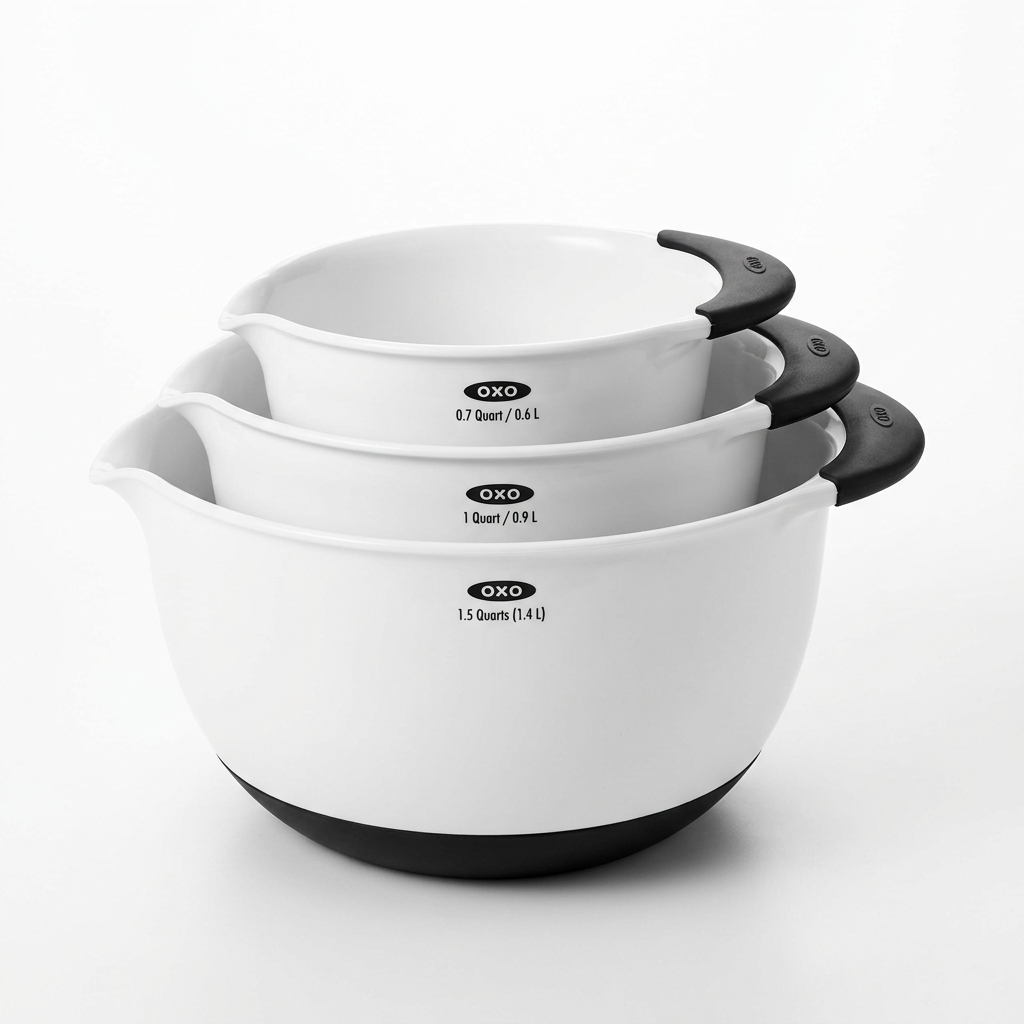
OXO 3-Piece Non-Slip Mixing Bowl Set
Prep Tools
OXO 3-Piece Non-Slip Mixing Bowl Set
★★★★★4.7
$30-$45
View on Amazon

As an Amazon Associate we earn from qualifying purchases.

🍳

Get the Next Recipe

Weekly recipes, techniques, and gear picks — straight to your inbox.

No spam, ever. Unsubscribe anytime.

YesChef - Learn from the world's best chefs
© 2026 Blame The Chef
🍳

Never Miss a Recipe

Weekly recipes, kitchen tips, and gadget picks — straight to your inbox.

No spam, ever. Unsubscribe anytime.