
Mastering Rice Cooking Techniques
Cooking rice may seem simple, yet it is an art that demands precision, understanding, and, above all, practice. Whether you're whipping up a pot of jasmine for a Thai curry or preparing a rustic risotto, mastering the basics of rice cooking can elevate your dishes from mundane to magnificent. The texture, flavor, and aroma of rice can make or break your meal, transforming a simple side dish into the star of the plate. With the myriad types of rice available, understanding the specific cooking techniques and nuances can be immensely rewarding for any home chef.
From the long grains of basmati to the short and sticky grains of sushi rice, each variety possesses its unique characteristics and cooking methods. Getting to know these differences—and how they interact with different cuisines—is essential for achieving the perfect dish. Additionally, the cooking method can vary significantly depending on the dish you're preparing, whether it’s steaming, boiling, or pilafing. Following the correct technique not only maximizes the flavor of the rice but also enhances its nutritional profile by retaining important nutrients.
In this guide, we will delve deep into the fundamental techniques required to cook rice effectively, exploring various methods tailored for different types of rice. We’ll cover equipment choices, rice varieties, preparation methods, and even troubleshooting common issues that may arise during the cooking process. By the end, you’ll be equipped with the knowledge needed to transform your rice cooking skills, ensuring that every grain is perfectly cooked, fluffy, and full of flavor.
Understanding Rice Varieties
The Delicious Diversity of Rice
Rice is one of the most widely consumed staples in the world, cherished for its versatility and ability to absorb flavors. There are over 40,000 varieties of rice, but for practical cooking at home, we typically focus on a select few. Understanding these varieties is fundamental to mastering rice cooking techniques.
- This category includes varieties like Basmati and Jasmine. Long grain rice remains fluffy and separate after cooking, making it ideal for pilafs and as a side dish.
- Basmati rice is known for its fragrant aroma and nutty flavor, originating from the Indian subcontinent, while Jasmine rice is a staple in Southeast Asian cooking, famed for its floral scent and slightly sticky texture.
- Varieties such as Arborio and Carnaroli fall under this category. Medium grain rice is more tender than long grain, which makes it suitable for risottos, where creamier texture is desired.
- Arborio rice is particularly starchy, making it ideal for absorbing flavors during the cooking process and adding creaminess without adding dairy.
- This includes varieties such as Sushi rice and Sticky rice (or Glutinous rice). Short grain rice is known for its high starch content, which makes it very sticky when cooked, perfect for sushi or desserts.
- In Japanese cuisine, Sushi rice is seasoned with rice vinegar, sugar, and salt to add additional flavor, while sticky rice loves being paired with sweetened or savory dishes.
Specialty Rice
Beyond the common varieties, there are specialty rices that you may encounter in various cuisines around the world. Understanding their flavor profiles and best cooking techniques can diversify your pantry and enrich your meals.
Chef Tip: Always read the instructions on the rice package, as cooking times and water ratios can vary with different brands.
Essential Tools for Cooking Rice
When it comes to cooking rice, using the right tools can make a significant difference in the outcome. Here’s a rundown of the essential equipment every home chef should consider.
1. Measuring Cups and Spoons
Precision is crucial in rice cooking. A standard water-to-rice ratio is typically 2:1 for long grain rice, but it can change depending on the type of rice and desired texture. Using a measuring cup ensures you have the right amounts, improving your chances of perfectly cooked rice.
2. Quality Cooking Pot
A heavy-bottomed pot or saucepan is ideal for cooking rice, as it distributes heat evenly and prevents scorching. Look for pots with tight-fitting lids to trap steam and moisture effectively.
3. Rice Cooker
For those who prefer to set and forget, a rice cooker can be a game changer. Rice cookers offer automations that take the guesswork out of rice cooking—these gadgets adjust the cooking time and temperature according to the moisture content of the rice.
4. Strainer or Fine Mesh Sieve
Rinsing rice is a crucial step to remove excess starch, ensuring it doesn't become gummy. A fine mesh sieve allows for easy rinsing while keeping the grains intact.
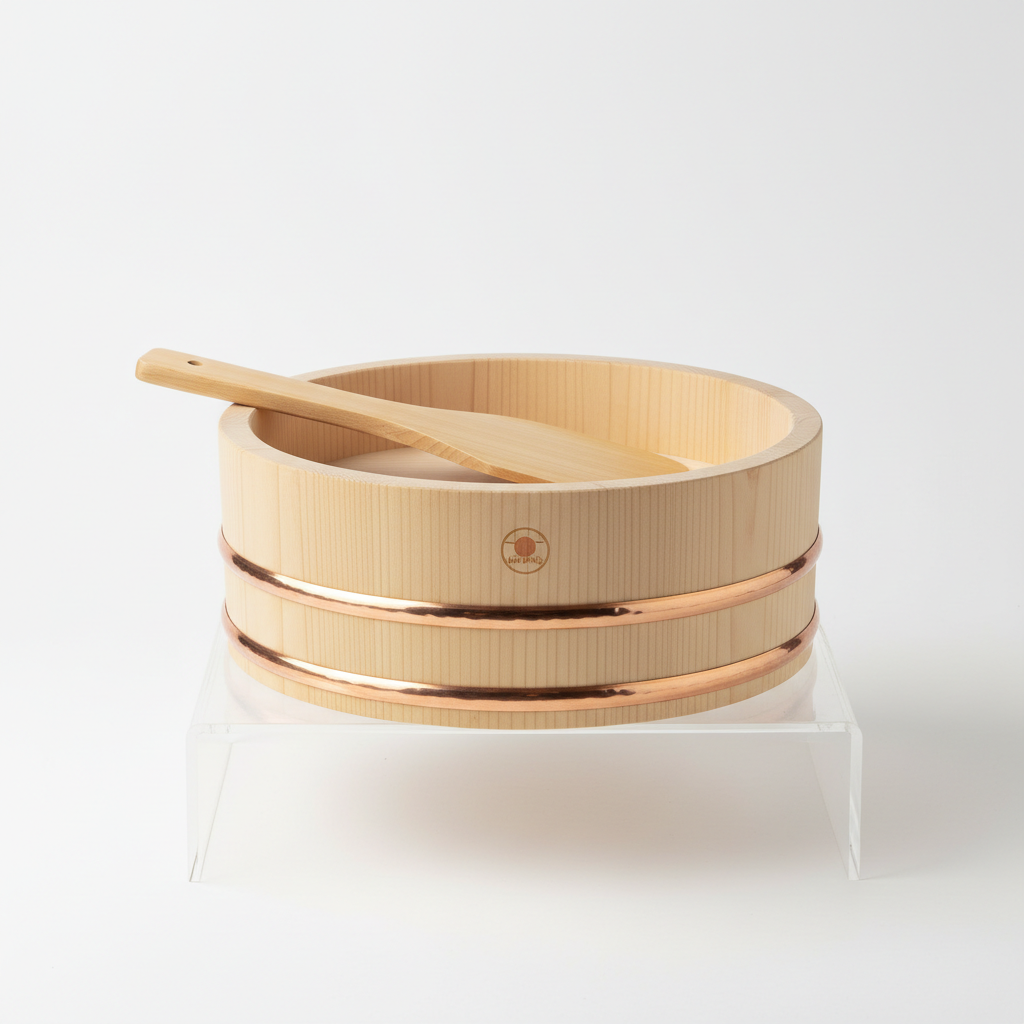
5. Wooden Spoon or Rice Paddle
While cooking and fluffing rice, it’s best to use a wooden spoon or a rice paddle. Metal utensils can break the grains and lead to a mushy texture.
6. Timer
Perfectly cooked rice is all about timing, especially for different varieties. Having a timer helps you stick to optimal cooking times, preventing over or undercooking.
Preparing Rice: The Pre-Cook Process
Before you begin cooking, proper preparation is vital for achieving the best results. Here’s a step-by-step approach to preparing various rice types for cooking.
Rinsing Rice
Rinsing is often overlooked, but it’s an essential step for removing excess starch and preventing a gummy texture.
“Rinsing rice is not just a step; it's a transformative technique that can elevate your rice’s texture immensely.”
Soaking Rice
Some rice varieties benefit greatly from soaking, which hydrates the grains and allows for more even cooking.
Seasoning Before Cooking
Adding flavor before cooking can infuse the rice with aromatics.
Cooking Techniques for Different Rice Varieties
Boiling
The boiling method is one of the most straightforward ways to cook rice. It works exceptionally well for varieties like long grain rice, where a fluffy texture is desired.
“Following precise times and using the right water-to-rice ratio are the hallmarks of perfectly boiled rice.”
Steaming
Steaming rice is a fantastic technique that preserves nutrients and keeps the grains distinct. It’s especially popular when preparing sticky and short grain rice varieties.
Pilaf Method
The pilaf method is commonly used for Basmati or Jasmine rice, allowing the grains to be sautéed before cooking, which imparts a delightful flavor.
Risotto Technique
Risotto is an Italian method known for its creamy texture, primarily achieved by gradually adding broth to Arborio rice while stirring.
Troubleshooting Common Rice Issues
Despite best efforts, you may sometimes encounter problems when cooking rice. Here are some common issues and how to resolve them.
1. Rice Is Sticky
If your rice ends up sticky or gummy, it’s likely a result of excess starch or improper rinsing.
2. Rice Is Undercooked
Nothing is more frustrating than finding out your rice isn’t fully cooked after it’s been sitting.
3. Rice Is Overcooked
If you find yourself with mushy rice, it is typically due to excessive cooking time or too much liquid.
4. Bitter Taste
Sometimes, rice could develop a bitter flavor due to rancid grains or seasonings.
Conclusion
By understanding the intricacies of different rice types and employing various cooking techniques, you can master the art of cooking rice to perfection. From selecting the right variety for your dish to implementing rigorous preparation methods and addressing common cooking issues, the path to delicious rice can be navigated with relative ease—allowing you to create a perfect accompaniment to almost any meal.
Equipped with these tips, techniques, and knowledge, it’s time to elevate your home cooking. Whether you’re preparing a simple weeknight dinner or a grand feast, the perfect rice can serve as a foundation for myriad culinary creations. So gather your tools, pick your preferred rice, and get ready to transform your cooking with skills that will impress friends and family alike. Happy cooking!
(Word count: 2,063)

Get the Next Recipe
Weekly recipes, techniques, and gear picks — straight to your inbox.
