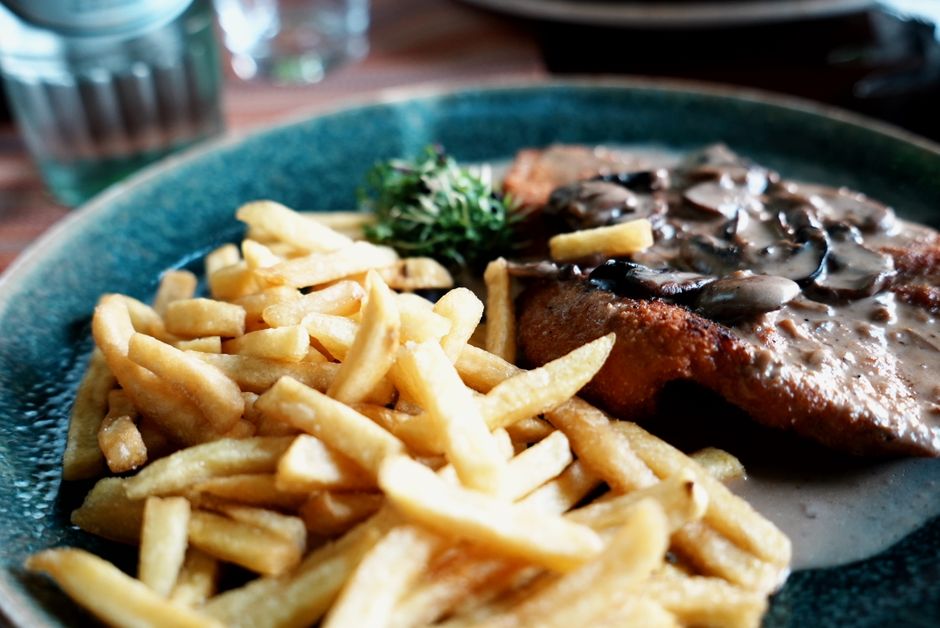
Mastering Sauce Derivatives: Transforming Five French Mother Sauces into Hundreds of Dishes
The secret to professional cooking is rarely a secret ingredient; rather, it is a deep, foundational understanding of how flavors are built and stabilized through technique. In the professional kitchen, we often say that a chef is only as good as their sauce station, or saucier. When you learn to master the five French Mother Sauces, you are no longer following recipes; you are learning the grammar of culinary language. Once you understand the structure of a Béchamel or the emulsion of a Hollandaise, you become the architect of your own kitchen, capable of improvising endless variations that will impress even the most discerning dinner guests. This journey is not about memorizing thousands of individual dishes, but about grasping the skeletal structure that supports the entire edifice of Western classical cuisine.
Many home cooks approach sauces with a sense of trepidation, fearing broken emulsions, scorched roux, or lumpy textures. However, these are not failures of talent, but simply failures of timing and temperature management. Cooking is a science of thermal dynamics and chemical reactions, and when you approach a pan with an analytical mindset, you strip away the intimidation factor. By mastering these five pillars—Béchamel, Velouté, Espagnole, Hollandaise, and Tomate—you gain the ability to take a simple protein or vegetable and elevate it to restaurant-quality status in minutes. The goal of this guide is to demigodify these sauces, providing you with the technical precision required to ensure that the next time a dish doesn't turn out quite right, you will know exactly why it happened and how to fix it immediately.
Before we dive into the specific ratios and whisking techniques, it is essential to understand the concept of a roux. Whether you are working with a blond roux for a light sauce or a dark roux for a gumbo or Espagnole, the principle remains identical: a mixture of equal parts by weight of fat and flour, cooked to remove the raw starch flavor and provide the necessary thickening power. You must respect the cooking time of the flour, as undercooked roux will leave your finished sauce with a pasty, unrefined mouthfeel. We will explore how to adjust these ratios to achieve the perfect nappé consistency—that magical point where the sauce is thick enough to coat the back of a spoon. Put on your apron, sharpen your whisk, and prepare to transition from a recipe-follower to a true cook.
The Foundation of Creaminess: Béchamel and its Offspring
The Béchamel is perhaps the most misunderstood of the mother sauces, often dismissed as merely a white sauce for macaroni and cheese. In reality, it is a blank canvas for dairy-based richness. At its core, it is a white roux whisked into milk, infused with aromatics like onion piqué—a small onion studded with a bay leaf and a clove. The magic happens when you move beyond the basic white sauce and begin to layer in cheese, herbs, or aromatics to create a vast array of secondary sauces.
Mastering the White Roux
To start a proper Béchamel, you must be patient. Melt your butter over medium-low heat, and once it is bubbling but not browned, whisk in your flour. You are looking for a sandy texture that smells like shortbread cookies. If the roux is too wet, add a touch more flour; if it is clumpy, add a touch more fat. Cook this for about three to five minutes. This step is critical because you are effectively "cooking out" the raw wheat taste. If you skip this, your final sauce will have a distinct chalky profile that no amount of seasoning can hide.
Converting Béchamel to Mornay and Beyond
Once you have your base, the world of dairy-based sauces opens up. To make a Mornay, you simply stir in grated Gruyère and Parmesan until melted and emulsified. If you want a Soubise, fold in finely diced, caramelized onions. The technique here is all about temperature control; if you add cheese while the sauce is at a rolling boil, the fats will separate and you will end up with a grainy mess. Remove the sauce from the heat, allow the temperature to drop slightly, and whisk in your cheese or aromatics with a steady hand.
The essence of the culinary arts lies not in the complexity of the recipe, but in the precision of the technique. A well-executed Béchamel is the difference between a home-cooked meal and a dining experience.
The Versatility of Velouté: Stock-Based Perfection
A Velouté is defined by its elegance and lightness. Derived from the French word for "velvety," this sauce relies on a light-colored roux combined with white stock, such as chicken, fish, or vegetable stock. Unlike the creamy Béchamel, the Velouté is transparent and refined, designed to highlight the flavor of the protein it accompanies without overpowering it.
Stock Selection and Reduction
The quality of your Velouté is directly proportional to the quality of your stock. If you use a thin, salt-heavy store-bought bouillon, your sauce will taste hollow and metallic. Invest the time in making a high-quality homemade stock, or at the very least, use a low-sodium, high-gelatin commercial product. The gelatin provides body, which contributes to that luxurious mouthfeel we crave. When you whisk your stock into the roux, do so in stages; adding too much liquid at once is the primary cause of lumps.
Creating Secondary Derivatives
From a base chicken Velouté, you can easily pivot into a Suprême sauce by finishing it with heavy cream and mushrooms. If you are working with fish stock, a simple addition of white wine and butter transforms it into a Bercy or a Normande sauce. These are classic, bistro-style preparations that take a simple poached fish filet and turn it into a dish that commands a premium price tag. Remember to keep the heat low when finishing these sauces with cream to prevent the milk solids from curdling.
The Powerhouse: Espagnole and the Art of Reduction
The Espagnole sauce is the heavy lifter of the French repertoire. It is a brown sauce that starts with a dark, roasted roux, deeply browned mirepoix (carrots, onions, and celery), and a rich brown stock. It is complex, intense, and serves as the primary gateway to the king of all sauces: Demi-Glace.
The Importance of the Dark Roux
Unlike the white roux used for Béchamel, the brown roux for Espagnole requires constant attention. You are looking for a deep, nutty color—think of the color of a penny or dark chocolate. Because the flour is cooked for a much longer time, it loses some of its thickening power. Therefore, you may need a slightly higher ratio of flour to butter compared to your white roux preparations. Be vigilant; once it burns, the flavor is permanently tainted, and you must start over.
Demi-Glace: The Culinary Holy Grail
Demi-Glace is essentially equal parts Espagnole sauce and brown stock, reduced by half until it is syrupy, glossy, and deeply savory. This is the sauce that provides that "umami bomb" quality to a steak or a rack of lamb. Achieving the right consistency is a matter of patience—slow, steady reduction is key. You want to see the sauce coat a spoon so thoroughly that you can draw a line through it with your finger, and the path remains clean.
The Delicate Science of Hollandaise: Emulsification Mastery
Hollandaise is the outlier of the mother sauces. It does not use a roux for thickening; instead, it relies on the science of emulsification. It is a suspension of warm clarified butter in egg yolks, held together by acidity, typically lemon juice. Many home cooks are terrified of Hollandaise because it has a reputation for "breaking," but with the right technique, it is entirely manageable.
Temperature Control: The Bain-Marie
The most important rule when making Hollandaise is to never let the egg yolks scramble. You should always work over a bain-marie (a water bath), ensuring the water is barely simmering. Whisk the yolks and lemon juice until they double in volume and become pale. Once you hit this "ribbon stage," remove the bowl from the heat and begin whisking in your warm (not hot) clarified butter, drop by drop at first. This initial phase is where the emulsion is formed. If you add the butter too quickly, the emulsion will fail, and you will be left with a pool of oily, curdled mess.
Fixing a Broken Sauce
If your Hollandaise happens to break—and even the best chefs have it happen occasionally—don't panic. You don't have to throw it away. To fix a broken emulsion, place a clean bowl on the stove, add a teaspoon of warm water or a fresh egg yolk, and very slowly whisk the broken sauce back into the new base. It is a bit like rescuing a broken mayonnaise. The emulsion will typically "come back" together as the fresh base incorporates the separated fats.
Emulsification is a conversation between ingredients. You must allow them to incorporate at their own pace, or the harmony will be lost.
The Mediterranean Soul: Classic Tomate
The Tomate sauce is perhaps the most familiar to the home cook, but the classic French version is far more complex than a quick marinara. It traditionally uses a roux for texture and incorporates pork fat, such as salted pork belly, to provide a savory depth. This is a robust, slow-simmered sauce that serves as the backbone for countless pasta dishes, stews, and casseroles.
Building Complexity
Start by rendering your pork fat or sautéing aromatics in olive oil. Add your mirepoix and cook until soft, then incorporate the flour to create a light roux. Once the roux is cooked, add your high-quality canned tomatoes, tomato puree, and a rich veal or chicken stock. The addition of a sachet d'épices (a bouquet of herbs like thyme, bay leaf, and parsley stems tied in cheesecloth) is non-negotiable for an authentic French Tomate. Simmer this for at least two hours. The goal is to reach a level of concentration where the acidity of the tomatoes has been mellowed by the sweetness of the aromatics and the richness of the stock.
Culinary Tips for Perfection
The secret to a truly professional Tomate is the "finishing." Just before serving, taste for seasoning. Because the sauce reduces over time, salt can quickly become concentrated. Add a pinch of sugar if the tomatoes are overly acidic, or a small knob of cold butter at the very end to give the sauce a polished sheen. If you find the sauce is still too chunky, run it through a food mill to achieve that refined, uniform texture that distinguishes professional cooking from casual home preparation.
Secondary Derivatives: Expanding Your Repertoire
Now that you have mastered the five mother sauces, you are empowered to create hundreds of secondary derivatives. These sauces are what make a menu interesting; they provide variety, contrast, and depth. Below is a breakdown of how to transition from the mother to the daughter.
The Daughter Sauces Matrix
From Béchamel:* Mornay (Gruyère/Parmesan), Soubise (Onion), Nantua (Crayfish butter).
From Velouté:* Allemande (Egg yolk/Cream), Suprême (Cream/Mushroom), Bercy (White wine/Shallots).
From Espagnole:* Bordelaise (Red wine/Shallots), Chasseur (Mushrooms/Fine herbs), Robert (Mustard/Onion).
From Hollandaise:* Béarnaise (Shallots/Tarragon/Vinegar), Choron (Tomato paste/Tarragon), Mousseline (Whipped cream).
From Tomate:* Creole (Bell peppers/Celery), Portuguese (Garlic/Parsley), Spanish (Sautéed onions/Peppers).
The Art of Balancing Acidity
One of the most important lessons in sauce making is the use of acids. A sauce that tastes "heavy" or "dull" is almost always missing a bright, acidic finish. Lemon juice, high-quality sherry vinegar, or even a splash of dry white wine can cut through the richness of a fat-heavy sauce like Hollandaise or Béchamel. Always taste your sauce in its neutral state, then add acid in small increments, tasting constantly. You are looking for the point where the acid lifts the flavor without tasting like vinegar.
Professional Tools and Mise-en-Place
To succeed in this endeavor, you must have the right tools. A heavy-bottomed stainless steel saucepan is essential for consistent heat distribution. If you use a thin pan, your roux will likely burn before it has a chance to cook through. Furthermore, invest in a quality balloon whisk; it is an extension of your hand. When whisking, do not just stir in circles; use a figure-eight motion to ensure that you are reaching all corners of the pan, particularly the edges where flour tends to clump.
Mise-en-Place
Mise-en-place is a French term that means "everything in its place." Before you turn on the burner, have all your ingredients chopped, measured, and sitting within reach. Sauce making requires your full attention. If you are scrambling to open a can of stock while your roux is browning, you are already heading toward disaster. Prep your station as if you were working the line in a busy bistro; this is the true secret to the calm, authoritative pace of a professional chef.
The professional kitchen is a place of order. By preparing your space before you begin, you ensure that you remain in control of your ingredients, rather than letting the ingredients control you.
Troubleshooting Common Sauce Failures
Even after years of practice, sauces can go awry. Knowing how to troubleshoot is what separates the amateur from the professional.
Why is my sauce lumpy?
Usually, this occurs because your roux and your liquid were at drastically different temperatures when they were combined, or you added too much liquid at once. If your sauce is lumpy, don't throw it out. Use a fine-mesh strainer to push the sauce through, or use an immersion blender to quickly emulsify the solids back into the liquid. It will save the texture, even if it is not the "textbook" way of doing things.
Why is my sauce greasy?
Greasy sauces are the result of "breaking." This is most common in Hollandaise or butter-mounted sauces where the temperature was too high or the fat was added too quickly. To fix this, you need to re-emulsify. Start with a tiny bit of liquid—either water, wine, or lemon juice—in a clean pan and slowly whisk the broken sauce into it, exactly as you would start the sauce from scratch.
My sauce tastes "floury"
You didn't cook your roux long enough. In the future, keep a timer. Even for a white roux, you need at least three minutes of active cooking to ensure the starches have been fully hydrated and broken down by the heat. If it’s already made, you can try simmering it for longer, but you run the risk of over-reducing and thickening it too much. Adding a small amount of liquid and cooking for another ten minutes can help, but prevention is always superior to the cure.
Final Thoughts: The Journey to Sauce Mastery
Mastering the five French mother sauces is a journey that will take you from the basic mechanics of cooking to a deeper appreciation for flavor profiles, textures, and the delicate balance of ingredients. Do not expect to perfect these in a single afternoon. Start by focusing on one mother sauce per weekend. Practice the Béchamel until you can make it without looking at the ratios. Once that feels like second nature, move to the Velouté, and so on. As you grow more comfortable, begin to experiment. Add a pinch of nutmeg to your Mornay, or infuse your Velouté with roasted garlic.
Remember that the goal is not to be a machine that produces identical sauces, but a chef who understands the underlying principles well enough to adapt. A sauce is a living, breathing component of a meal; it should be seasoned to taste, adjusted for consistency, and served with care. When you present a plate with a homemade demi-glace or a perfectly executed, velvety Mornay, you are not just serving food—you are telling a story of technique, history, and passion. The "Blame The Chef" philosophy is built on the belief that anyone can reach this level of competency if they are willing to respect the process. Keep your heat controlled, your whisks moving, and your curiosity high. You have the tools, the knowledge, and the foundation; now it is time to get into the kitchen and make it happen. The kitchen is yours to conquer, one sauce at a time. The path from home cook to master is paved with the roux you build, the stocks you simmer, and the emulsifications you perfect. Now, go forth and create something extraordinary.

Get the Next Recipe
Weekly recipes, techniques, and gear picks — straight to your inbox.
