Mastering Sous Vide Cooking: The Science Behind Perfectly Cooked Proteins
The kitchen, for many, is a place of intuition, a space where the scent of browning butter or the sound of a searing steak dictates the rhythm of the evening. Yet, even the most seasoned home cook has experienced the heartbreak of a dry chicken breast or the inconsistency of a prime cut of beef that ended up gray in the middle when you were craving a perfect medium-rare. We have all been taught that timing is everything, but the truth is that precision is the real secret ingredient. Sous vide cooking, once reserved for the sterile, high-pressure environments of Michelin-starred professional kitchens, has finally arrived on our home countertops, promising to bridge the gap between amateur effort and restaurant-quality perfection. It is not about taking the soul out of cooking; it is about providing the ultimate canvas for your culinary artistry.
At its core, sous vide, which is French for "under vacuum," is a method of cooking where food is sealed in an airtight bag and submerged in a water bath held at a constant, precise temperature. By removing the guesswork that comes with traditional roasting, sautéing, or grilling, you gain total control over the internal environment of your protein. This technique utilizes the incredible thermal conductivity of water, which is far more efficient than air, to gently bring your ingredients to the exact level of doneness you desire. When you master the science behind the immersion circulator, you stop worrying about internal temperatures and start focusing on the nuance of seasoning, crust, and service. It is a fundamental shift in how we approach the plate, turning the kitchen into a laboratory of flavor.
Welcome to "Blame The Chef," where we believe that every home cook deserves the tools to achieve excellence. Today, we are stripping away the intimidation factor surrounding this technology to show you how, when, and why you should be using it to transform your protein game. Whether you are prepping a delicate salmon filet that melts on the tongue or tackling a tough, collagen-rich brisket that needs forty-eight hours to achieve tenderness, the principles remain the same. This is not a shortcut; it is a refinement. We are going to dive deep into the thermodynamics of meat, the importance of collagen breakdown, and the absolute necessity of the sear. Grab your apron, calibrate your circulator, and let’s unlock the secrets of the water bath.
The Science of Thermal Precision
Why Temperature Matters More Than Time
In traditional cooking, we often rely on "carry-over cooking" and visual cues to tell us when a piece of meat is done. The problem is that by the time the center of a thick steak reaches 130°F, the outer layers have often skyrocketed to 160°F or higher, resulting in that dreaded gray band of overcooked protein. Sous vide eliminates this gradient entirely. Because the water bath is held exactly at your target temperature, it is physically impossible for the food to ever exceed that temperature. If you set your circulator to 130°F for a ribeye, the center will eventually reach 130°F, and the exterior will also be exactly 130°F, ensuring an edge-to-edge consistency that is simply unachievable through any other method.
The Physics of Heat Transfer
Water is a superior conductor of heat compared to the air inside your oven. When you roast, you are relying on hot air to warm the meat, which then slowly conducts that warmth inward. This is why you must take the meat out of the oven early—the heat stored in the exterior continues to migrate toward the center. With sous vide, the protein is surrounded by a constant medium. This allows for much lower, more precise temperatures to be maintained over a longer period. This "low and slow" approach is particularly beneficial for tough cuts of meat, as it allows for the gradual breakdown of connective tissues without dehydrating the muscle fibers themselves.
"The true magic of the immersion circulator lies in its ability to turn the most stubborn, inexpensive cuts of meat into velvet-soft delicacies that rival the finest wagyu, provided you have the patience to let the science do the work."
Understanding Collagen and Connective Tissue
Many of the proteins we enjoy, like beef short ribs, pork shoulder, or lamb shanks, are loaded with collagen. In a traditional pan-searing method, these cuts would be tough and chewy because the collagen hasn't had time to melt. By setting your sous vide bath to a specific temperature—usually between 140°F and 160°F—for an extended duration, you are essentially "melting" that collagen into gelatin. This process transforms a piece of meat that would otherwise be fit for a stew into a tender, sliceable masterpiece that still retains its structural integrity.
Essential Gear and Bagging Techniques
The Immersion Circulator
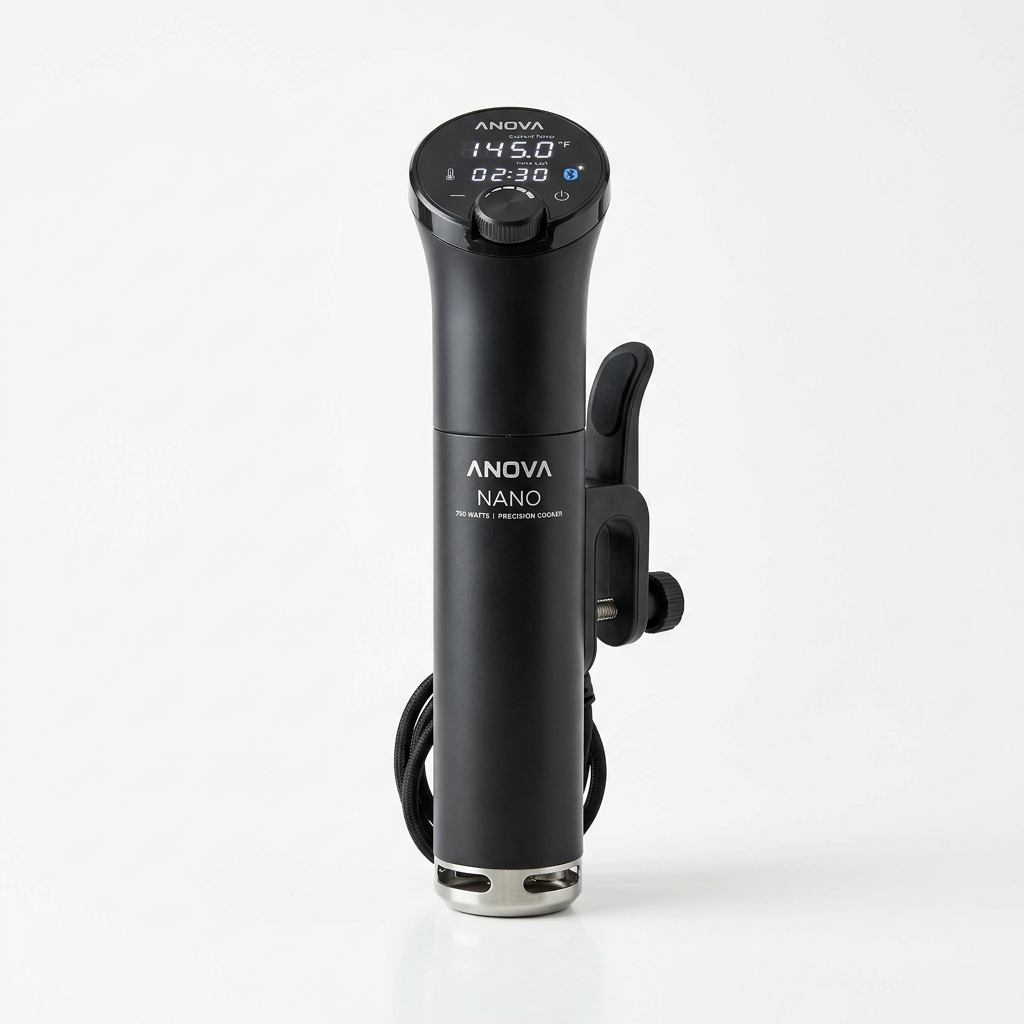
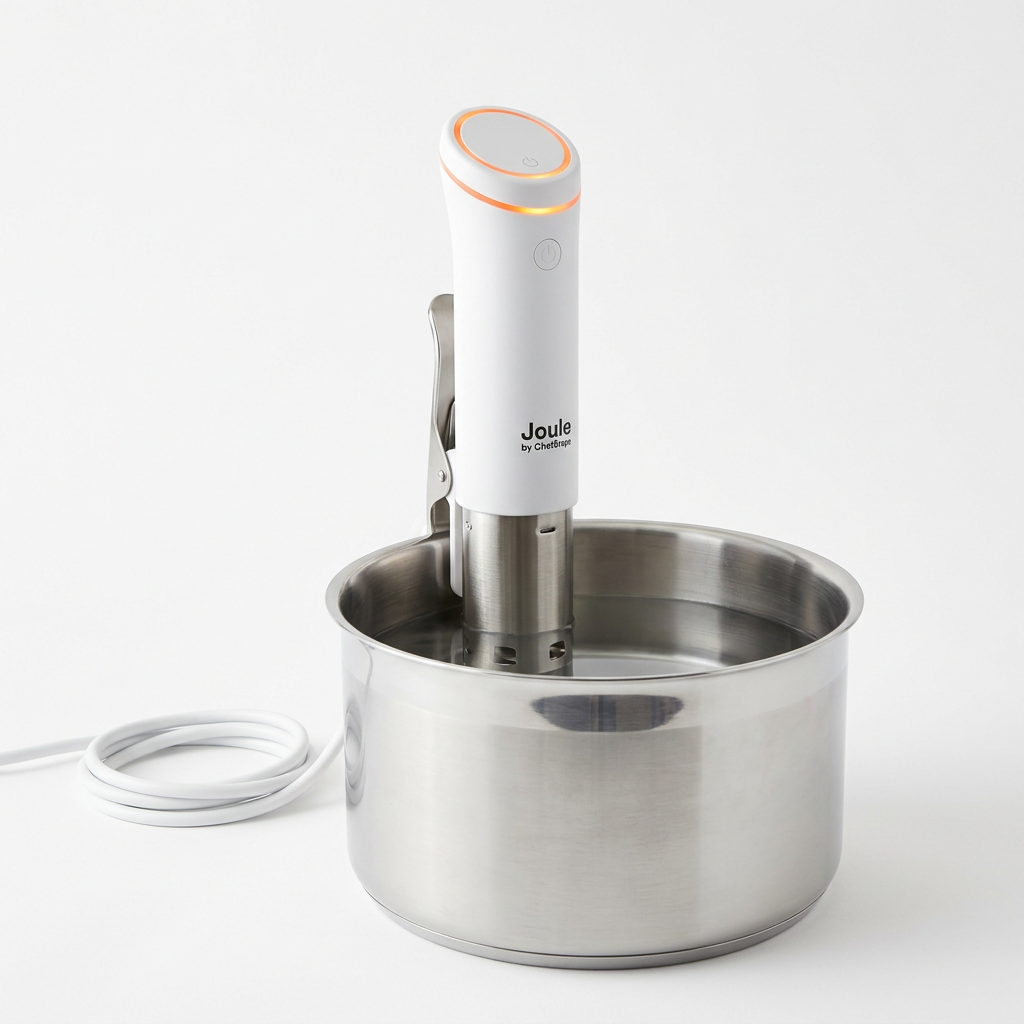
The heart of your setup is the immersion circulator. When choosing a device, look for one with a high-wattage heater and a powerful pump. The circulator’s job is two-fold: it heats the water to a precise degree, and it keeps that water moving so there are no cold spots. Even if your vessel is large, a good pump will ensure the temperature remains uniform from top to bottom. Brands vary in aesthetics, but the functionality remains the same—precision is the non-negotiable metric.
Choosing the Right Bags
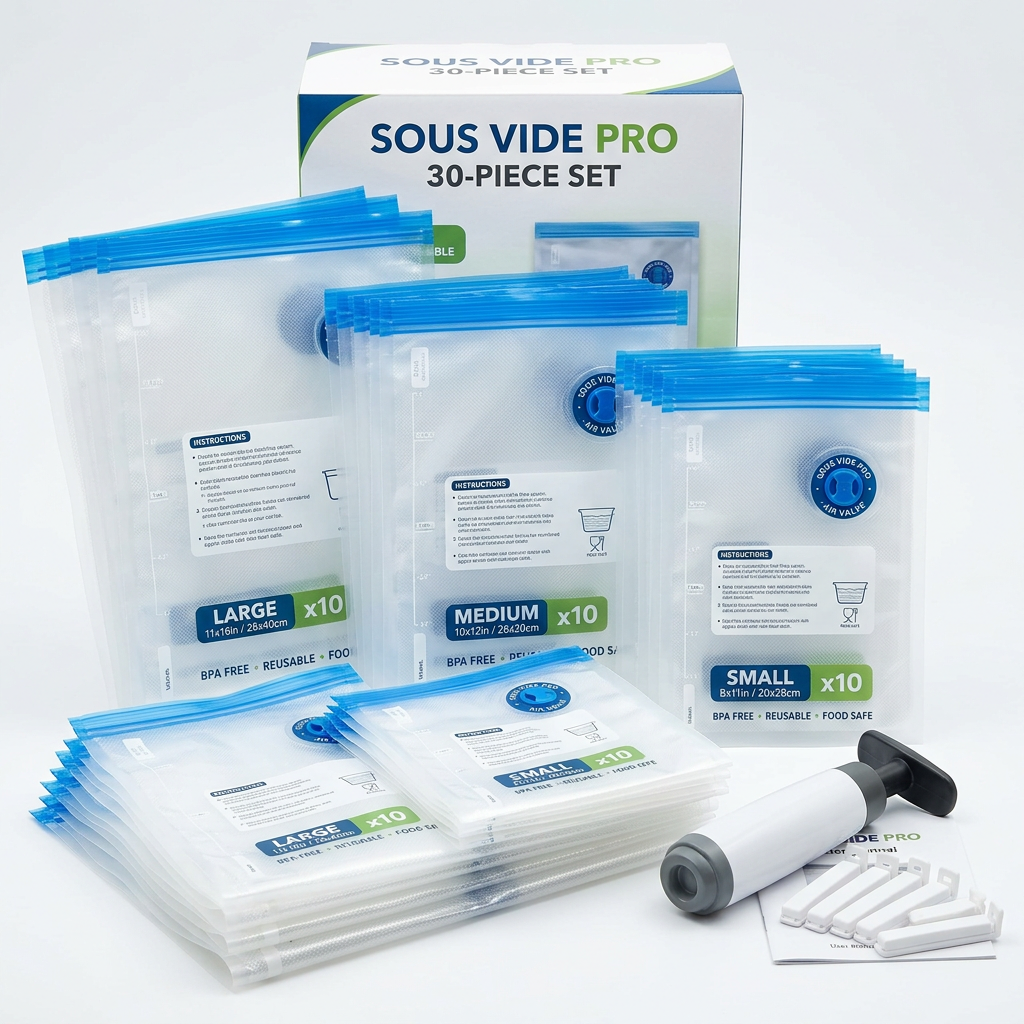
You have two main options when it comes to containing your food: vacuum sealing bags or high-quality silicone freezer bags. Vacuum sealers are fantastic for long cooks or for when you need to store food for later in the freezer. However, for a quick weeknight dinner, the "water displacement method" using a standard freezer-grade bag is remarkably effective. To do this, place your seasoned protein in the bag, seal almost all of the zipper, and slowly lower the bag into the water. The pressure of the water will push the air out, allowing you to seal the bag just before the water hits the zipper line.
Preventing Floatation
One of the most common frustrations for beginners is the "floating bag." Proteins naturally want to hover or float, especially if they are fatty or contain pockets of air. To counteract this, use a heavy object like a ceramic plate or a dedicated sous vide weight to keep your bag fully submerged. If your protein is light, consider adding a small amount of extra liquid (like a marinade or oil) to the bag to increase the density, or simply ensure that the bag is properly vacuum-sealed to remove every possible bubble of air.
Mastering the Art of the Sear
The Post-Sous Vide Finish
One of the most common complaints about sous vide is that the food comes out looking unappetizing—pale, wet, and gray. This is where the culinary skill comes in. You must treat the sous vide process as only half of the journey. The second half is the sear. Whether you use a heavy cast-iron skillet, a high-powered kitchen torch, or even a grill, you need to introduce high heat for a very short duration to trigger the Maillard reaction. This is the chemical reaction between amino acids and reducing sugars that gives browned food its distinctive flavor.
Drying the Surface
This is the golden rule of searing: dry meat sears, wet meat steams. Before your protein hits the pan, you must take it out of the bag and pat it thoroughly dry with paper towels. Any moisture left on the surface will create steam as it hits the hot oil, preventing that beautiful, deep mahogany crust from forming. Take the time to be meticulous. If you are searing a large roast, let the meat sit on a wire rack for five minutes after drying to ensure the surface is completely dehydrated before it hits the heat.
Choosing Your Fat
When you go to sear, use an oil with a high smoke point. Refined avocado oil, grapeseed oil, or clarified butter (ghee) are excellent choices. Avoid extra virgin olive oil or standard butter as the base of your sear, as the milk solids and impurities will burn, creating a bitter, acrid taste. Once you have a nice crust, you can then add a knob of cold, unsalted butter, a few cloves of smashed garlic, and some fresh thyme sprigs to the pan. Baste the protein with this foaming, aromatic butter for the final thirty seconds to add a layer of richness that finishes the dish professionally.
"A steak prepared to perfection in a water bath is a blank canvas, but it is the final, blistering sear in a cast-iron skillet that provides the flavor profile we crave."
Beef, Lamb, and Pork: Navigating Doneness
The Temperature Guide
Beef is perhaps the most popular protein for the sous vide method. Because you can control the temperature to the degree, you can achieve a perfect medium-rare (130°F) or a consistent medium (140°F) every single time. For lamb, a slightly lower temperature (125°F to 130°F) helps keep the delicate flavor profile intact without turning the meat mushy. Pork, which used to be cooked to an agonizing 160°F out of fear, is now considered safe and infinitely more delicious at 145°F, provided it is held at that temperature for a sufficient amount of time to ensure pasteurization.
The Impact of Duration
While temperature determines the level of "doneness," time determines the texture. A filet mignon is a tender cut of meat with little connective tissue, so it only needs to be in the bath for one to two hours to reach the desired internal temperature. A tougher cut like a brisket or a chuck roast, however, needs to spend twenty-four to forty-eight hours in the bath. During this time, the sous vide process effectively braises the meat in its own juices, breaking down the collagen and transforming the cut into something spectacular.
Experimenting with Aromatics
One of the benefits of sealing your food in a bag is that you are creating a concentrated environment for flavor. Do not be afraid to add aromatics into the bag alongside your protein. A few sprigs of rosemary, a splash of soy sauce, a dash of bourbon, or even some citrus peels can infuse the meat with deep, complex layers of flavor that would be lost in a traditional pan or oven. Just be careful with garlic—raw, fresh garlic can sometimes impart a slightly metallic or bitter flavor when cooked at low temperatures for long periods; opting for garlic powder or sautéing your aromatics first is a professional tip for better flavor depth.
Poultry and Seafood: The Delicate Balance
The Challenges of Poultry
Poultry is notorious for drying out, especially breast meat. Chicken breast is mostly water and lean muscle; once it passes 150°F, it sheds its internal moisture rapidly. By setting your circulator to 145°F or 147°F, you can achieve a succulent, juicy result that is technically pasteurized but feels like it is melting in your mouth. For legs and thighs, which contain more connective tissue, a higher temperature (around 165°F) is preferred to ensure the texture becomes tender rather than rubbery.
Seafood Perfection
Seafood is arguably where sous vide shines the brightest because the margin for error is so incredibly small. A difference of thirty seconds on a grill can be the difference between a buttery, translucent scallop and a rubbery, inedible one. For salmon, try 115°F to 120°F for about forty-five minutes. The result is a texture that is impossibly smooth, with a vibrant color that you simply cannot replicate with high-heat methods.
Flavor Infusion
Because fish and poultry are mild in flavor, they benefit significantly from being marinated inside the bag. A light mixture of olive oil, lemon zest, and dill for a white fish, or a miso-ginger glaze for chicken, will penetrate the protein more effectively during the long, slow cook. Remember to keep the marinade balanced—too much acid or too much salt can actually "cure" the fish while it sits in the bag, changing the texture to something more like ceviche. Keep it light, focus on aromatics, and you will be amazed at the depth of flavor you can achieve.
Troubleshooting Common Issues
The "Bitter" Problem
We mentioned earlier that garlic can turn bitter, but there are other culprits. Sometimes, if you cook vegetables or certain herbs for too long, they can develop an off-putting, medicinal flavor. This is because sous vide is so effective at extracting essence that it can occasionally pull out the "green" or "earthy" notes that we don't necessarily want in a finished dish. If you find your results have a strange aftertaste, try cooking your aromatics for a shorter period or using dry spices instead of fresh ones.
Bag Leaks and Lost Flavors
If a bag leaks in the water bath, you lose all your flavorings and your meat gets waterlogged. This usually happens because of sharp bones or a poor seal. If you are cooking meat with bones, use a strip of parchment paper to cover the sharp ends before placing the meat in the bag. This acts as a buffer and prevents the bone from piercing the plastic. If you suspect a leak, stop the cook, re-bag the item, and ensure your temperature is back to its target.
When to Salt
The age-old debate: when do you salt? For sous vide, you can season your food before you seal it, which allows the salt to penetrate the meat thoroughly. However, if you are cooking for a very long time (like 24+ hours), be aware that salt can change the texture of the meat, making it slightly "cured" or ham-like. If you are doing a long-duration cook, consider seasoning only with aromatics in the bag and adding the salt immediately after you remove the protein but before you sear it.
"Mastery of the immersion circulator is not about relinquishing your control; it is about reaching a level of precision that allows your seasonings and your technique to shine through without the interference of accidental overcooking."
The Professional Chef’s Workflow
Preparation and Mise en Place
In a professional kitchen, the key to success is mise en place. Before you even turn on your circulator, have your bags, your proteins, your spices, and your finishing pans ready. Prepare your bag, seal it, and place it in the water. While the bath does its work, you have the freedom to prepare your side dishes, set the table, or even enjoy a glass of wine. When the timer goes off, you don't need to rush to check the meat; it will sit happily in the water for another thirty to sixty minutes without losing quality.
Finishing for Service
When you are ready to eat, take the bag out of the water, open it, and immediately dry the protein. Have your pan already hot and your butter/oil ready to go. The sear should take no more than one minute per side. Because the interior is already at the perfect temperature, you are strictly focused on building that beautiful, golden-brown crust. Slice, plate, and serve immediately. This workflow allows you to be a calm, composed host, rather than a frantic chef trying to time the oven, the stovetop, and the grill all at once.
Planning Ahead
One of the most underrated features of sous vide is the ability to cook ahead. You can cook a batch of chicken breasts or steaks, chill them in an ice-water bath immediately after cooking, and keep them in the refrigerator for up to a week. When you are ready for a meal, simply reheat the protein in the water bath at a slightly lower temperature (about 10°F below your original cooking temperature) for fifteen minutes, then finish with a quick sear. It makes high-quality dining accessible on a Tuesday night in twenty minutes flat.
Conclusion
Mastering sous vide is, at its heart, a journey toward understanding the ingredients you cook with. By removing the frantic variables of traditional cooking, you allow yourself the space to truly appreciate the texture and flavor of the proteins you bring into your home. It isn't just about perfectly cooked steaks; it is about the reliability, the consistency, and the sheer confidence you gain when you know exactly what is happening inside that bag. From the gentle poach of a delicate fish to the long, transformative breakdown of a tough cut of beef, the immersion circulator becomes an extension of your own culinary skill set.
Remember that technology is only as good as the cook operating it. A perfectly cooked piece of protein is the foundation, but your choices regarding seasoning, the quality of your ingredients, and the final sear are what elevate a simple meal into a memorable experience. Do not be afraid to experiment, to record your temperatures and timings, and to adjust your approach based on what you find most delicious. That is the soul of cooking—the constant pursuit of improvement.
"Blame The Chef" is here to guide you, but the final plate is yours to claim. Start simple, trust the science, and pay attention to the details. Whether you are hosting a formal dinner party or looking to elevate your family's weekly dinner rotation, the precision of sous vide will change how you view your kitchen forever. So, go ahead—toss that protein in the bag, set your circulator, and prepare to be amazed at just how good your cooking can be when you master the science of perfection. Your journey has only just begun, and we cannot wait to see what you create next. Happy cooking!
Get the Next Recipe
Weekly recipes, techniques, and gear picks — straight to your inbox.
