
Mastering Stock: The Foundation of Flavorful Soups and Sauces
Making a flavorful stock is one of the most pivotal skills any home cook can master. It serves as the foundation for soups, sauces, and many dishes, influencing the overall taste and depth of flavor in every creation. Unlike store-bought versions, homemade stock allows you to control the quality, salt content, and flavor profile, making it a superior choice that will set your cooking apart. Whether you’re simmering bones for a rich beef stock or slowly roasting vegetables for a lighter vegetable stock, the art of stockmaking will not only elevate your culinary skills but will also bring a sense of satisfaction as you transform simple ingredients into something extraordinary.
The beauty of stock lies in its versatility. You can use it as a base for countless recipes or enjoy sipping it as a nourishing broth. Each type of stock—beef, chicken, fish, and vegetable—carries its unique flavor profile and characteristics, making them suitable for specific dishes. For example, a robust beef stock is perfect for hearty stews, while a light vegetable stock can make a delightful base for a delicate risotto. Understanding these nuances will allow you to harness the full potential of your stock, tailoring it to complement various cuisines and ingredients.
Stock making is not just a lesson in flavor; it's also a practice in patience. Good stock requires time—typically, several hours of simmering to extract flavors and nutrients from the ingredients. However, with a little preparation and an understanding of the basic techniques, you can create stocks that imbue your cooking with richness and depth. Over time, as you refine your skills, you will find that stockmaking becomes an integral and enjoyable part of your culinary repertoire.
Understanding Stock: A Culinary Essential
To truly master stock, one must first understand what it is and how it differs from broth. Stocks are generally made with bones, which lend gelatin and richness to the final liquid. This process takes hours, allowing all the flavors and nutrients from the bones to leach into the water. On the other hand, broth is typically made more from meats and can be prepared in less time, resulting in a lighter and less concentrated flavor. Recognizing this distinction is key to knowing when to use each for your cooking needs.
The Essence of Stock
Stock is more than just a recipe; it’s a craft, an ancient culinary technique that forms the backbone of many cuisines around the world. The essence of stock comes from the way simmering ingredients break down and release their flavors. As the stock cooks, the maillard reaction, which occurs when proteins are heated, contributes to a richly colored liquid and enhances the flavor.
The most common stocks are:
Each of these stocks is used in various culinary applications, providing depth and flavor to soups, sauces, and braises. As you embark on your stock-making journey, it’s crucial to understand the purpose behind each ingredient you choose to include.
Essential Ingredients for Stock
The main ingredients in stock include bones, water, aromatics, and seasonings. Here’s a closer look at what you’ll need:
- For beef stock, use marrow bones and knuckle bones to enhance richness.
- For chicken stock, carcasses, wings, and necks work beautifully.
- Fish stock requires the heads and bones from white fish.
- For vegetable stock, you can use trimmings such as onion skins, carrot peels, and celery tops.
- The foundation of any stock. Use cold water to start, allowing the extraction of flavors and nutrients as it heats.
- Common choices include onions, carrots, celery, garlic, and leeks. These ingredients add depth.
- Herbs such as thyme, bay leaves, and parsley stems lend fragrance, while salt should be minimal, as stocks are usually reduced later in cooking.
- A splash of vinegar or wine (about 1-2 tablespoons per gallon of stock) can help extract minerals from the bones and enhance flavor.
With these ingredients, you’ll be well-equipped to craft a stock that serves as the cornerstone of flavorful cooking.
The Stock-Making Process: Step-by-Step
Creating stock is a step-by-step process that requires attention and care. Here’s a detailed guide to making your own stock, whether it’s chicken, beef, or vegetable.
Step 1: Gather Your Ingredients
Start by gathering the ingredients and equipment you’ll need:
Step 2: Prepare the Bones
- Preheat the oven to 400°F (200°C).
- Place bones in a single layer on a roasting pan and roast for about 30-45 minutes or until they are browned.
- This step adds depth of flavor through the Maillard reaction.
- To make a lighter, cleaner stock, you can also blanch chicken bones first by boiling them in water for 10 minutes and then rinsing them under cold water.
Step 3: Combine Ingredients in the Pot
After preparing your bones, put them in a large stock pot. Add your aromatic vegetables—typically, a ratio of 2 parts onion, 1 part carrot, and 1 part celery works well. Consider using roughly chopped vegetables rather than finely diced, as the latter might disintegrate during cooking.
Step 4: Add Water and Seasonings
Fill the pot with enough cold water to cover the ingredients by about an inch, usually about 3-4 quarts for a full batch. Add your herbs and seasonings—remember to keep salt minimal—as stocks are often reduced later on and can become overly salty.
Step 5: Bring to a Gentle Simmer
Place the pot over medium-high heat and bring the mixture to a gentle simmer. Once simmering, reduce the heat to low. Avoid a rolling boil, as this can make the stock cloudy and emulsify the fat into the liquid. Instead, you want small bubbles rising to the surface.
Step 6: Skim the Surface
As the stock simmers for the first hour or so, you may notice a frothy scum forming on the surface. This is due to impurities being released from the bones. Use a ladle or spoon to skim this off for a clearer stock.
Step 7: Let It Simmer
Allow your stock to simmer for the following recommended times:
The longer the stock simmers, the more flavor it will develop. Remember to check occasionally and add water if it reduces too much. A great stock will develop a rich color and deep flavor.
Step 8: Strain the Stock
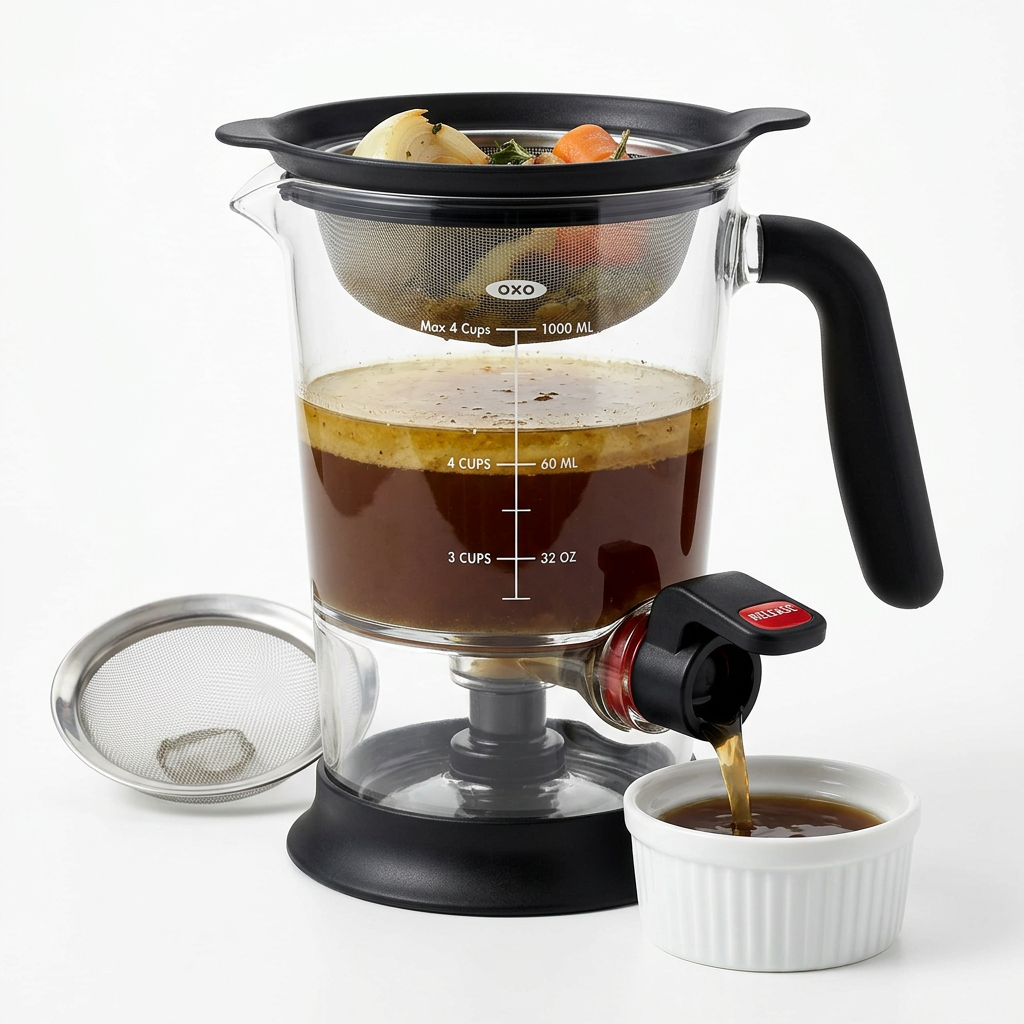
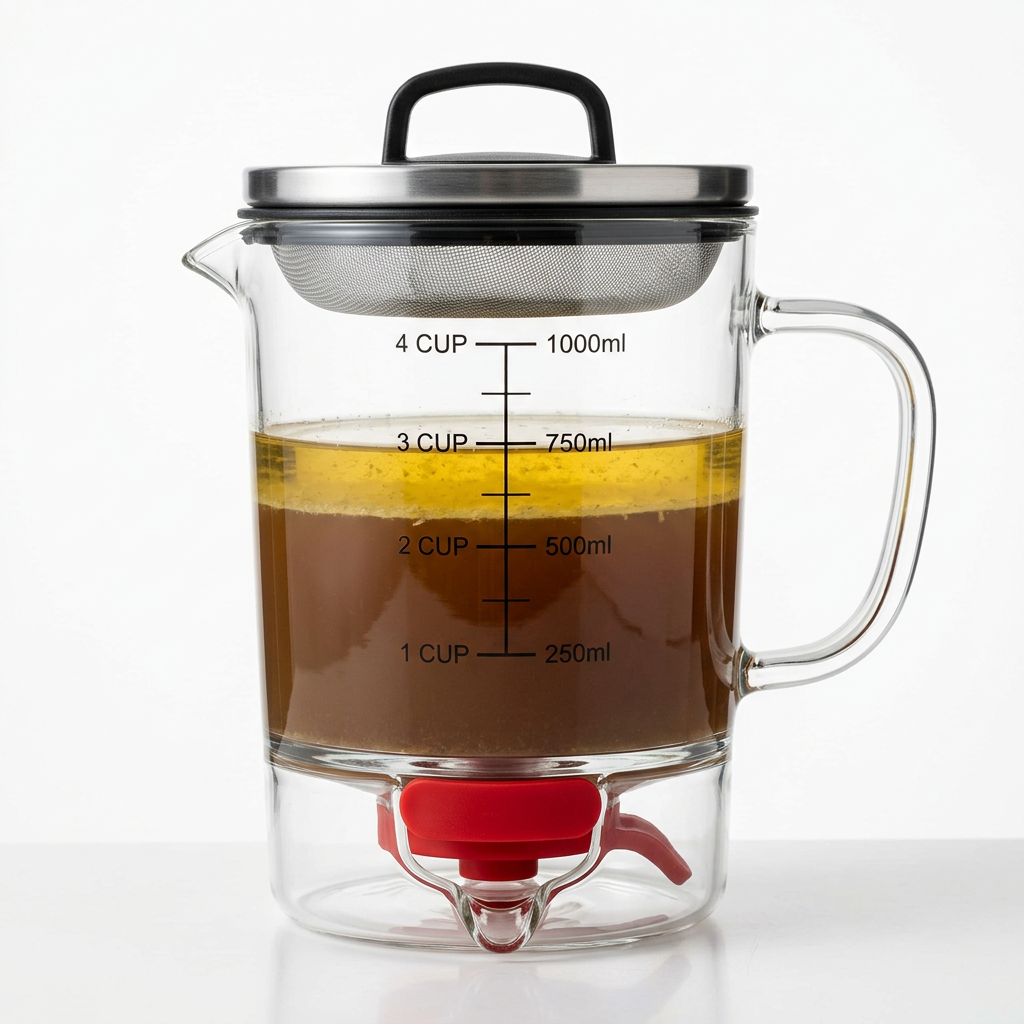
After the designated time has passed, remove the pot from the heat. Use a fine-mesh strainer or cheesecloth to strain the stock into a large bowl or another pot. Discard the solids. If you want an even clearer stock, you can strain it a second time through a cheesecloth or coffee filter.
Step 9: Cool and Store
Let the stock cool slightly before transferring it to containers. To cool quickly, consider placing the pot in an ice bath. Stock can remain in the refrigerator for up to 5 days or can be frozen for several months. To freeze, consider using ice cube trays or small containers for easy portioning.
Varieties of Stock: A Flavor Exploration
Understanding the differences between stocks allows you to choose the right one for each dish. Let’s explore the most common types of stock in detail.
Beef Stock
Beef stock is rich and robust, making it ideal for heartier dishes like stews and gravies. Here are some professional tips:
“A well-crafted beef stock is like liquid gold; it can transform a simple sauce into a culinary masterpiece.”
Chicken Stock
Chicken stock is lighter than beef stock and offers a subtle flavor that works in a variety of dishes—from risottos to lighter soups.
Fish Stock
Fish stock or fumet is one of the quickest stocks to prepare. It benefits from freshness, so be sure to use high-quality fish bones.
Vegetable Stock
Vegetable stock is versatile and perfect for vegetarian dishes. It captures the essence of various vegetables and herbs.
“A great vegetable stock respects the season’s offerings; fresh, vibrant produce makes all the difference.”
Troubleshooting Common Stock Issues
Even experienced chefs can face challenges when making stock. Here are solutions to common problems you may encounter.
Stock is Cloudy
If your stock turns out cloudy, it’s often due to a rolling boil or not skimming brousque properly. To prevent this, always simmer gently and skim the surface debris during cooking.
Stock Lacks Flavor
A stock that lacks depth likely didn’t simmer long enough or didn’t have enough flavor-producing ingredients. Experiment with ratios and times to achieve a more satisfying result. Also, avoid using fresh herbs at the start; instead, add them toward the end of cooking for more intensity.
Too Salty
If your stock comes out overly salty, it might be best to dilute it with some fresh water. For future reference, go easy on the salt while cooking, as stocks are often reduced in subsequent recipes.
Cooking with Stock: Creative Applications
Once you're armed with a beautifully crafted stock, the fun doesn't stop there. Here are some ways to use your stock in daily cooking.
Soups and Stews
Soups and stews are the most classic applications for stock. A rich beef stock will yield a hearty beef stew that warms the soul, whereas a flavorful chicken stock can serve as the base for a classic chicken noodle soup.
Risottos and Grains
When cooking risottos, the use of stock instead of plain water adds a layer of flavor that transforms the dish. Similarly, cook grains like rice, quinoa, or couscous in stock for enhanced taste.
Sauces
Stocks serve as the backbone for sauces. For a simple pan sauce, deglaze your pan with a splash of white wine, then add stock to create a delightful sauce. Reducing stock intensifies its flavor, making it suitable for a variety of dishes.
Braises and Casseroles
Using stock in braising and casseroles can infuse the dish with complex flavors. When braising meat, add a combination of stock and aromatics for moist, tender results. The stock keeps your dish hydrated while layering flavors.
Conclusion
Mastering the art of stock is essential for any aspiring home chef. Its depth of flavor enriches a vast array of dishes, from soup to sauce, and its versatility is unmatched. By understanding the ingredients, processes, and types of stock, you lay the groundwork for culinary success.
Take the time to experiment, practice, and enjoy the journey of making stock at home. As you become more adept, you'll feel empowered to create dishes that resonate with flavor and character. In every simmering pot lies not just liquid but a promise of nourishment and depth—a vital tool that once mastered will enhance your culinary endeavors for years to come. Embrace the process, and remember, when in doubt, you can always blame the chef for not adding enough stock!


Get the Next Recipe
Weekly recipes, techniques, and gear picks — straight to your inbox.
