
Mastering Stock: The Foundation of Great Cooking
In the culinary world, a well-crafted stock often remains the unsung hero of countless recipes, yet it’s a pillar that supports the entire structure of flavor in many dishes. Whether you're aiming to enhance a humble soup or to create a sauce that dances on the palate, understanding stock is essential. Mastering this seemingly simple process can dramatically elevate your cooking, providing a depth of flavor that store-bought options can rarely achieve. As we explore the nuances of stock-making, we'll unlock secrets that professional chefs rely on to create consistently remarkable dishes.
The beauty of stock lies in its versatility; it serves as the backbone of numerous cuisines around the globe, marrying various ingredients to create a harmonious harmony of taste. Stocks can be tailored to suit virtually any recipe or personal preference, making it an invaluable skill for a home cook looking to achieve restaurant-quality results. With just a few basic ingredients and some time, you can craft a stock that enriches risottos, enhances braises, and elevates sauces, creating a tapestry of flavor that speaks volumes about your culinary expertise.
In this comprehensive guide, we will delve into the art and science of stock-making. From understanding the fundamental elements to refining techniques and selecting the best ingredients, our journey will encompass everything you need to know to command this essential skill in the kitchen. By the end of this post, you will not only be able to make stock with confidence but also appreciate the role it plays in creating an unforgettable dining experience.
Understanding the Basics of Stock
Before jumping into the nitty-gritty of stock-making, it’s vital to understand what stock truly is and how it differs from other culinary liquids like broth or consommé. Stock is a flavorful liquid that forms the base for soups, sauces, and myriad other dishes. It’s made by simmering bones or meat with aromatics and water for an extended period, allowing the flavors and gelatin from the bones to extract into the liquid. This slow cooking process is what distinguishes stock from broth, which is typically faster to make and usually contains more meat than bones.
The Differences Between Stock and Broth
To understand and appreciate stock, we must first differentiate it from broth. While the terms are often used interchangeably, there are significant differences that impact flavor, texture, and culinary use:
Understanding these distinctions will help you choose the right base for your culinary endeavors. Knowing when to use stock versus broth can dramatically affect the outcome of your dish.
The Importance of Quality Ingredients
When it comes to making high-quality stock, ingredients matter significantly. The primary components include bones (preferably roasted), water, and aromatics. The quality of your stock will directly depend on the quality of these ingredients. Here are a few guidelines to ensure your stock is flavorful and robust:
“A great stock is the flavor foundation of any kitchen; it’s where the artistry of cooking begins.”
The Stock-Making Process
Creating a stock encompasses several stages, from ingredient preparation to the simmering process. By mastering this sequence, you can develop a stock that is rich in flavor and perfect for your culinary creations.
Step 1: Gather Your Ingredients
Begin by sourcing fresh, high-quality ingredients. Assemble a good 3 to 4 pounds of bones (for example, chicken or beef), 1 to 2 pounds of vegetables (mirepoix), and a selection of herbs and spices. Here’s a basic ingredient list:
Step 2: Roast the Bones
Roasting the bones enhances the depth of flavor in your stock. Preheat your oven to 425°F (220°C). Place the bones in a single layer on a roasting pan and roast for about 30 to 45 minutes, until they are golden brown. This step is especially crucial for beef or pork bones, as it brings a rich, complex flavor to your stock.
Step 3: Prepare the Vegetables
While your bones roast, wash and chop your vegetables into large chunks. There's no need for precise cuts, as they will be strained out later. In a large pot, combine the roasted bones and the vegetables.
Step 4: Start the Simmering Process
Once the bones are roasted, transfer them from the roasting pan to a stock pot. Deglaze the roasting pan with water or white wine to capture all the flavorful bits stuck to the bottom, then pour this liquid over the bones in the pot. Add cold water until the ingredients are just covered. Bring to a simmer, and skimming the foam that rises to the surface is crucial.
Decrease the heat to maintain a gentle simmer. You don't want a vigorous boil, as this can create a cloudy stock. Here's a quick guide:
- Chicken Stock: 4-6 hours
- Beef Stock: 6-12 hours
- Vegetable Stock: 1-2 hours
Skimming regularly will help achieve a clear, clean stock and remove any impurities that would lead to cloudiness.
Step 5: Strain and Store
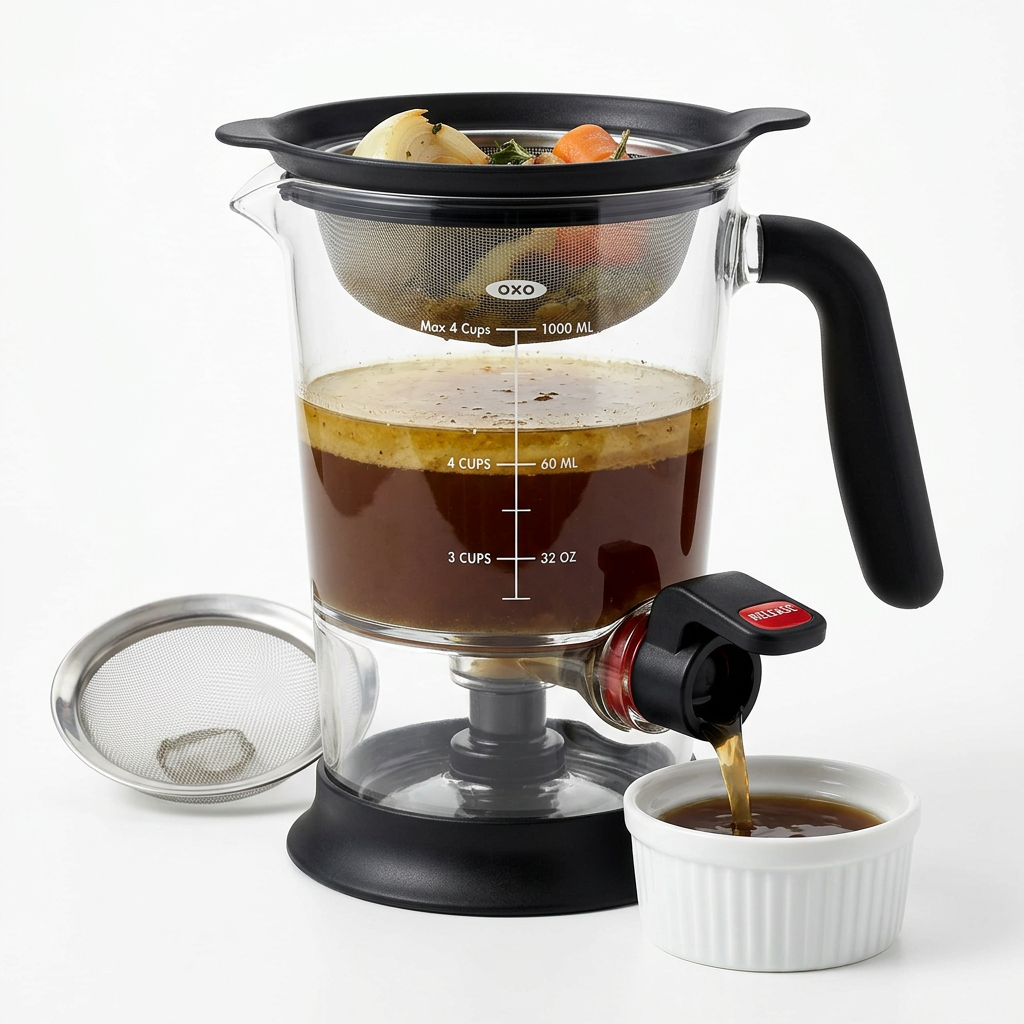
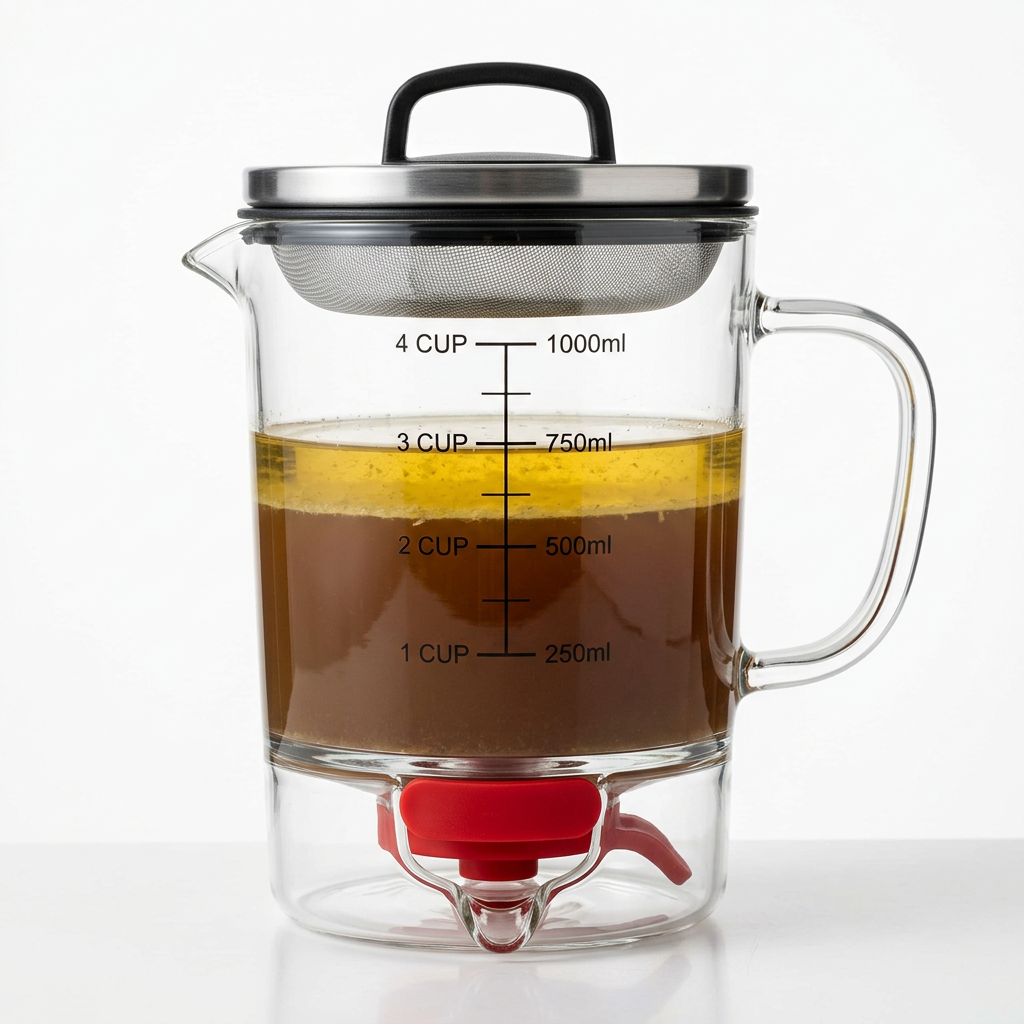
After the simmering time is up, let your stock cool slightly. Use a fine-mesh strainer or a cheesecloth-lined colander to strain the stock into another container. Press on the solids to extract as much liquid as possible. Discard the solids (they've served their purpose).
Store your stock in airtight containers in the fridge for up to three days, or freeze it in smaller portions for longer storage. Ice cube trays work great for this, allowing you to use small amounts as needed.
“Creating a stock is not just a task; it's a culinary ritual that connects you with the heart of cooking.”
Variations of Stock
The basic stock recipe lays the groundwork, but experimenting with different variations can lead to exciting flavors tailored to your dishes. Here are some popular types of stock to consider incorporating into your cooking repertoire:
Chicken Stock
Chicken stock is perhaps the most commonly used type of stock and provides a wonderful, comforting base for countless recipes. To make chicken stock, follow the basic stock-making process outlined earlier, but include features such as:
Beef Stock
Beef stock delivers a deep, robust flavor perfect for hearty dishes. Here’s how you can craft a beautiful beef stock:
Vegetable Stock
For those seeking a vegetarian alternative, vegetable stock can be just as complex and flavorful as meat stocks. Here are some tips for crafting outstanding vegetable stock:
Fish and Seafood Stock
Fish stock or fumet is lighter than meat stocks but profoundly savory. It’s perfect for seafood dishes and can significantly enhance the complexity of sauces. Craft your stock with these guidelines:
Troubleshooting Common Stock-Making Issues
While making stock may seem straightforward, there can be occasional hiccups that may leave you feeling uncertain. Here are some common issues and corresponding solutions to elevate your stock-making game.
Problem: Cloudy Stock
Cloudy stock may arise due to impurities or vigorous boiling. To avoid this:
Problem: Weak Flavor
If your stock lacks the robust flavor you desire, consider these adjustments:
Problem: Overly Fatty Stock
If your stock ends up too greasy, here’s how to remedy that:
Problem: Off Flavors
To avoid undesirable off flavors in your stock:
“Cooking is an act of love, and stock is the lifeblood of that love. Each simmer tells a story, so be attentive to its journey.”
Professional Chef Tips for Stock Mastery
As you embark on your stock-making journey, consider these valuable tips that professional chefs utilize to create exceptional stocks.
Experiment with Ratios
Understanding the relationship between ingredients can go a long way in achieving balance. A good starting ratio for a balanced stock is:
Save Vegetable Scraps
Don’t discard vegetable scraps; they can elevate your stock’s flavor! Save onion skins, celery leaves, and carrot tops to use when making stock—you’ll reduce waste and enhance flavor.
Make Smaller Batches
If you’re unsure how much stock you’ll need, make smaller batches. You can always make more as necessary, but it’s challenging to use an oversupply.
Use Ice Baths for Rapid Cooling
When storing stock, cool it rapidly to ensure food safety. Placing the container in an ice bath can help bring down the temperature quickly before refrigeration.
Label and Date Your Stock
Organization is key in any kitchen. Label your stock containers with the date made and type. This ensures you know what you have and when you need to use it.
Conclusion
Mastering the art of stock-making is more than just a technical skill—it’s a rite of passage for any aspiring home cook. By investing time and care into crafting your stock, you create a foundational element that enriches every dish you serve. Whether you’re simmering a comforting chicken soup, preparing a luxurious risotto, or enriching a complex sauce, your homemade stock will shine through, elevating your culinary creations to new heights.
By understanding the principles behind stock, experimenting with various types, and honing your techniques, you’ll soon discover the joys and benefits that come with this essential culinary craft. So gather your ingredients, embrace the process, and let the nourishing flavors of your homemade stock infuse your kitchen, making every meal a little better and a lot tastier.
Now go forth and confidently whip up your stock—your taste buds (and your friends and family) will thank you!
Get the Next Recipe
Weekly recipes, techniques, and gear picks — straight to your inbox.
