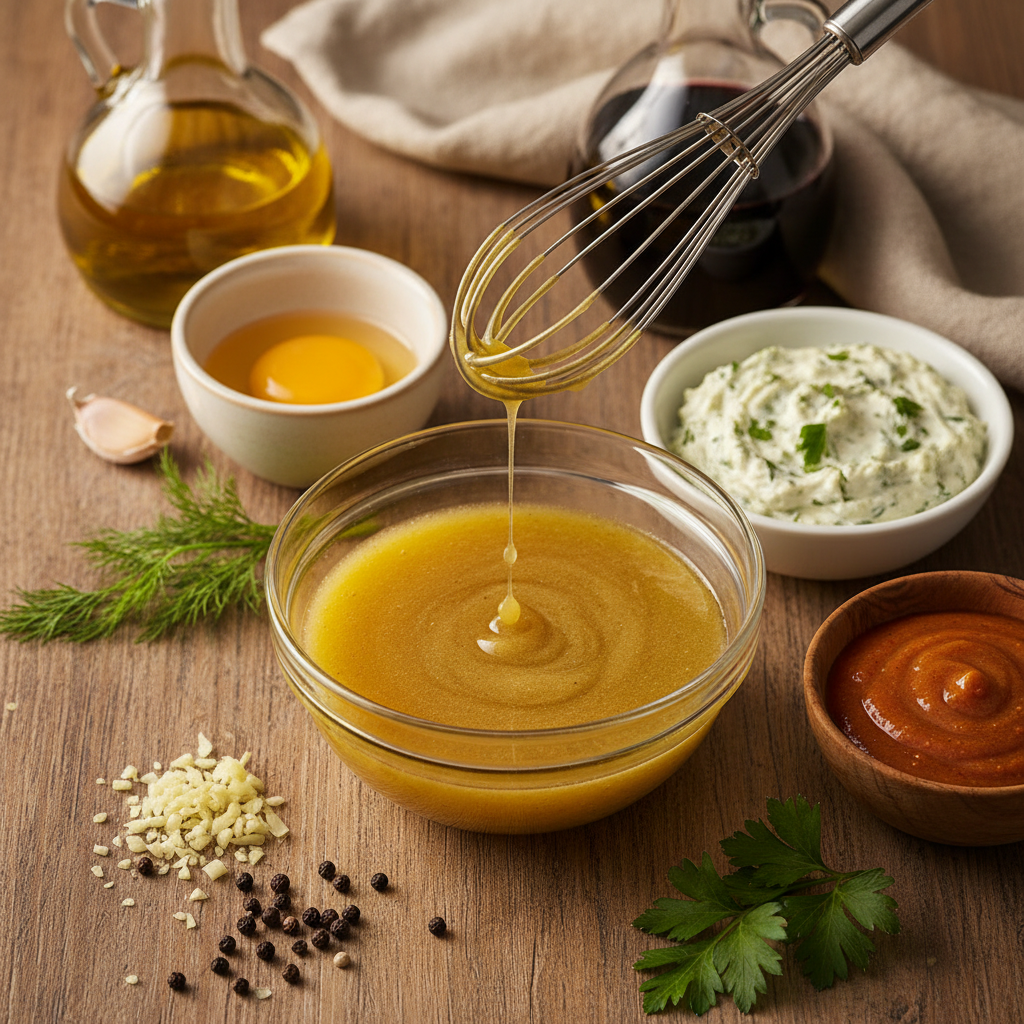
Mastering the Art of Emulsification: Techniques for Creating Fluid and Flavorful Dressings and Sauces
In the culinary world, few techniques can transform the mundane into the extraordinary quite like emulsification. This is a foundational skill that every aspiring chef must master, not only for creating luscious dressings and sauces but also for elevating the textures and flavors of countless dishes. The process of emulsification allows for the union of typically unmixable ingredients, such as oil and water, producing smooth, creamy concoctions that can enhance the overall dining experience. When executed correctly, emulsification can turn a dull salad into a vibrant burst of flavor on the palate or transform a simple piece of fish into a luxurious entrée.
Understanding the science behind emulsification can greatly enhance your culinary repertoire. It all comes down to molecular interaction: emulsifiers, a type of stabilizing agent, help to disperse droplets of one liquid into another, allowing for a uniform mixture. Common emulsifiers like egg yolk, mustard, and honey act as mediators, facilitating the bond between oil and water. Mastering this art not only opens a treasure trove of culinary possibilities but also gives you the confidence to innovate and create your own sauce and dressing recipes.
In this expansive guide, we will delve into the various techniques of emulsification, providing you with detailed instructions, methods, and tips that will lead you to become a home kitchen maestro. From basic vinaigrettes to complex hollandaise sauces, we will explore the nuances that make each creation sing. So whether you’re dressing a salad or preparing an elegant dinner party dish, the skills you gain here will undoubtedly elevate your cooking game.
Understanding Emulsification: The Basics
Before undertaking emulsification, it’s essential to grasp the fundamental principles governing this technique. Emulsification occurs when two liquids that typically do not mix, such as oil and vinegar, are forced into a unified state through mechanical action or the use of an emulsifying agent. The key to this process lies in achieving a stable emulsion, where one liquid remains suspended within the other without breaking apart.
The Science Behind Emulsions
At the molecular level, emulsions are classified into two main types: oil-in-water (O/W) and water-in-oil (W/O) emulsions. In an O/W emulsion, tiny droplets of oil are dispersed in water, as seen in most salad dressings. Conversely, in a W/O emulsion, water droplets are suspended in oil, which is the foundation for rich sauces like beurre blanc.
When creating these emulsions, the role of emulsifiers cannot be overstated. Emulsifiers lower the surface tension at the interface between oil and water, allowing them to mix more easily. Common natural emulsifiers include:
By understanding the science behind these emulsifiers, you can better control your emulsification processes and create dressings and sauces that are consistent in texture and flavor.
The Importance of Temperature and Ingredients
Temperature also plays a crucial role in achieving a successful emulsion. For oil-based emulsions, it’s best to have all ingredients at room temperature. This prevents the formation of clumps and ensures a smoother integration. Cold ingredients can lead to a tighter emulsion that is prone to breaking. Likewise, the order in which ingredients are combined matters. Adding your emulsifying agent first and then slowly introducing the oil while whisking vigorously allows for better dispersion and ultimately a more stable emulsion.
Essential Techniques for Emulsification
Now that we have a solid understanding of the science behind emulsification, it’s time to dive into the essential techniques. Each technique has its merits and is suitable for different types of dressings and sauces.
Whisking by Hand
One of the most traditional methods of creating emulsions is whisking by hand. This technique allows for close control over the incorporation of oil and liquid. Here’s how to do it:
Whisking by hand is not only effective but also provides a more intimate cooking experience, allowing you to feel the texture of the emulsion as it develops.
Using a Blender or Food Processor
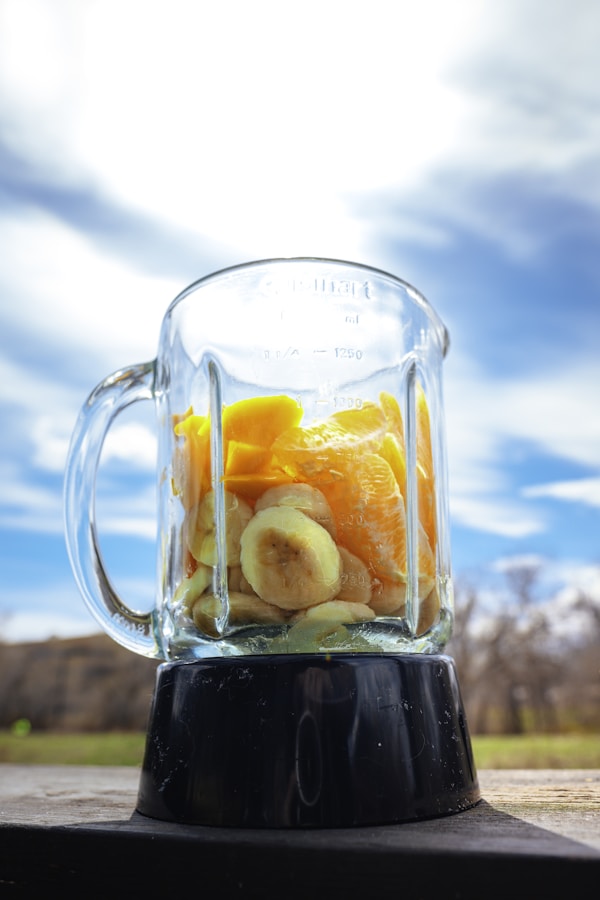
For those who prefer a hands-off approach, using a blender or food processor can achieve similar results with less effort. This method is especially useful for larger batches of dressing or sauce. Follow these steps:
Using a blender can be particularly helpful for creating fine emulsions like sauces that demand a silky finish.
Emulsifying with Heat
Emulsifying with heat opens up new possibilities for creating rich and velvety sauces. Here, the heat helps to dissolve and integrate the ingredients more effectively. A classic example of this technique is preparing hollandaise sauce. Here’s a brief overview of how to emulsify using heat:
Emulsifying with heat offers unparalleled richness and texture that can elevate any dish.
Classic Vinaigrettes: A Gateway to Emulsification
Vinaigrettes are the most common preparations that harness the power of emulsification. They exemplify the delicate balance between oil and vinegar, often enhanced with flavor boosters like herbs, garlic, or shallots. A proper vinaigrette is an essential skill every home cook should master.
Basic Vinaigrette Ratio
The foundation of a vinaigrette lies in the 3:1 ratio, which means three parts oil to one part vinegar. This ratio can be adjusted according to personal preferences or the specific dish you are preparing:
Making the Perfect Vinaigrette
Here’s a simple method for crafting a basic vinaigrette that you can customize to your liking:
This basic vinaigrette acts as a springboard, allowing you to experiment with different vinegars, oils, and spices to create a dressing unique to your palate.
Beyond Vinaigrettes: Exploring Sauces that Emulsify
While vinaigrettes are a great starting point, there’s a world of sauces that benefit from the emulsification technique, transforming dishes from average to extraordinary. Sauces like hollandaise, mayonnaise, and aioli showcase the versatility of emulsification in rich and flavorful ways.
Classic Mayonnaise
Mayonnaise is arguably one of the ultimate examples of successful emulsification. Here’s a step-by-step guide to preparing homemade mayonnaise:
- 1 egg yolk
- 1 tablespoon Dijon mustard
- 1 cup neutral oil (such as canola or vegetable)
- Salt and lemon juice to taste.
Homemade mayonnaise is unsurpassed in its freshness and can be personalized with various herbs or spices to match your dishes.
The Art of Hollandaise Sauce
Hollandaise sauce, a rich emulsion made from egg yolks and clarified butter, offers a sophisticated touch to many brunch dishes. The preparation requires careful attention to prevent curdling, but with practice, it becomes a fabulous addition to your culinary toolkit.
By mastering hollandaise, you not only gain a versatile sauce for brunch dishes but also an impressive skill to showcase at dinner parties.
Emulsification in Modern Cuisine: Techniques and Trends
In contemporary cooking, emulsification techniques have evolved, adopting new methods and ingredient preferences that redefine traditional sauces and dressings. These trends continue to pave the way for innovative culinary creations.
Innovative Ingredients
Recent culinary trends have embraced alternative emulsifying agents such as:
Sous Vide Emulsification
The sous vide cooking technique offers a precise method for emulsifying sauces. By cooking egg yolks in a water bath at controlled temperatures, you can create stable emulsions without the risk of curdling. This technique allows for greater freedom with flavor customization, as the low-and-slow method enhances the ingredients' profiles.
Troubleshooting Emulsification: Common Issues and Solutions
Even seasoned cooks can encounter challenges when emulsifying. Whether your emulsion has broken or does not have the desired consistency, understanding how to troubleshoot can save your creations.
When Your Emulsion Breaks
A broken emulsion can occur for a variety of reasons, including adding oil too quickly or using ingredients at different temperatures. If you find yourself in this situation, don’t fret. Here’s how to rescue your broken emulsion:
Maintaining Consistency
If your emulsion is too thick or too thin, adjustments can be made. For a thick emulsion, simply whisk in a small amount of warm water to achieve the right consistency. Alternatively, if your emulsion is too thin, try adding an additional emulsifying agent to bind the ingredients together.
Conclusion
Emulsification is a fundamental skill that opens the door to a myriad of culinary possibilities, allowing home cooks to elevate their dishes with rich textures and vibrant flavors. With a firm grasp of the science behind emulsions, and an understanding of different techniques, you can confidently create classic sauces and innovate your own recipes.
Whether whipping up a classic vinaigrette, preparing luxurious hollandaise, or experimenting with modern emulsifiers, the ability to emulsify equips you with essential skills to transform everyday meals into extraordinary culinary experiences. Remember that practice makes perfect; the more you engage with emulsification, the more instinctive and creative your approach will become. Embrace the art of emulsification, and allow it to enhance your cooking journey!

Get the Next Recipe
Weekly recipes, techniques, and gear picks — straight to your inbox.
