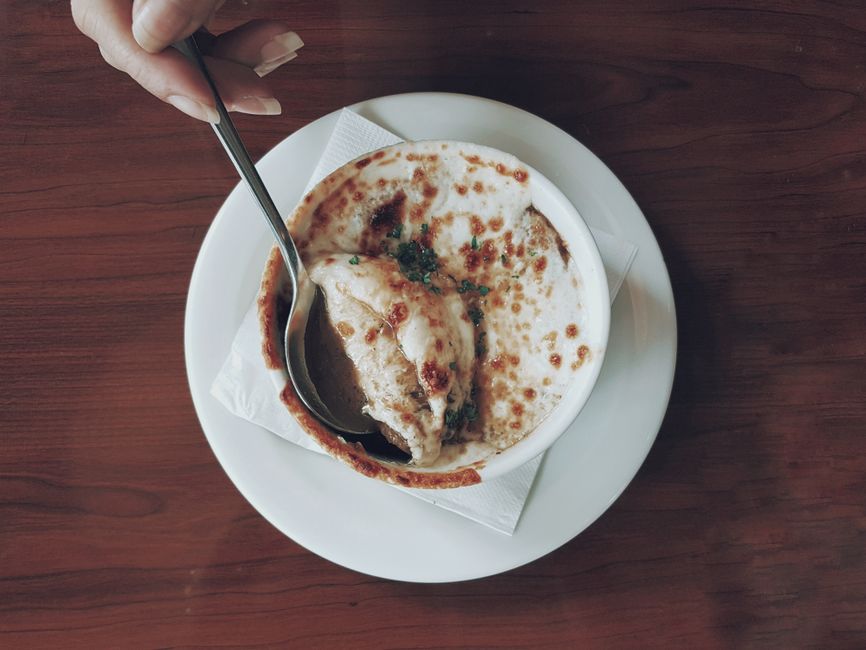
Mastering the Art of French Onion Soup: A Traditional Masterpiece
There is a certain alchemy that occurs when humble ingredients are pushed to their absolute limits, and nowhere is this more evident than in the classic bowl of French onion soup. Often relegated to the status of a bistro afterthought or a frozen convenience meal, the authentic preparation of this dish is a true labor of love that separates the casual cook from the dedicated culinary enthusiast. It is not a recipe that can be rushed or finessed with shortcuts, as the core of the soup relies entirely on the patient transformation of sugars through heat. When you choose to embark on this journey, you are not simply making a meal; you are engaging in a centuries-old ritual that honors the marriage of patience and precision. The goal is to coax a deep, mahogany complexity out of simple alliums, creating a broth that is as soul-warming as it is sophisticated.
The architecture of a perfect French onion soup is built upon the foundation of caramelization. Many home cooks fail here, stopping their onions once they reach a light golden hue, fearing they have burnt the vegetables. However, true depth of flavor requires pushing those onions well past the point of comfort, aiming for a dark, rich, and jammy consistency that defies the initial brightness of the raw onion. This stage is where the magic happens, converting the sulfurous compounds of the bulb into a sweet, earthy, and savory essence that serves as the backbone of the entire dish. Understanding the biology of this heat-induced breakdown is the first step toward achieving a restaurant-quality result in your own home kitchen, regardless of your current experience level.
Finally, we must address the iconic crowning glory of the dish: the toasted baguette and the blanket of bubbling, melted cheese. This is not merely a garnish, but an essential structural component that provides texture, richness, and a savory finish that balances the sweet intensity of the broth. The choice of cheese is vital, as is the specific technique used to achieve that perfect, golden-brown crust without sacrificing the integrity of the bread beneath. As we dive into this comprehensive guide, prepare to shed your preconceived notions about quick cooking and embrace the slow, meditative process of crafting a masterpiece. By the time we are finished, you will understand why, when a soup is this perfect, you can truly blame the chef for making you want to finish every single drop.
The Chemistry of Caramelization
The hallmark of a great French onion soup is the depth of its broth, which is entirely dependent on how you manage your onions. Most novices make the mistake of using high heat to speed up the process, which results in uneven cooking and burnt edges before the center has fully broken down. You must aim for a low and slow approach, maintaining a steady, gentle heat that allows the natural enzymes and sugars within the onion cells to undergo the Maillard reaction. This chemical reaction is the bridge between raw, pungent vegetation and the savory, umami-rich foundation that defines traditional French cooking.
When you slice your onions—ideally a mix of yellow, white, and perhaps a touch of red for complexity—ensure they are cut into uniform, half-inch strips. Uniformity is the secret to consistency, as thinner pieces will turn into mush while thicker chunks will remain fibrous and tough. Place them into a heavy-bottomed Dutch oven or a wide stainless steel sauté pan with a mixture of high-quality butter and a splash of neutral oil. The butter provides the essential flavor, while the oil prevents the milk solids in the butter from burning prematurely.
Controlling the Heat
* Keep your heat setting at low to medium-low at all times.
* Do not crowd the pan; if necessary, cook the onions in two batches to ensure they are sweating properly rather than steaming in their own juices.
* Stir frequently, but not constantly, to allow the onions to develop a consistent color across the entire batch.
The secret to a profound onion soup isn't just the quality of your stock; it is the patience you exercise while coaxing the sweetness out of the humble onion. If you find yourself tempted to turn up the heat to save time, remind yourself that flavor is a function of time, not just temperature.
Selecting the Right Alliums and Fats
Not all onions are created equal when it comes to the soup pot. While a standard yellow onion is the workhorse of the kitchen, you should consider blending your alliums to achieve a more nuanced flavor profile. Mixing in a few sweet onions, such as Vidalias, can enhance the natural sugars, while shallots add a refined, subtle depth that elevates the dish significantly. Avoid overly watery onions, which can add too much liquid to the pan and prolong the caramelization time unnecessarily. Always select firm, heavy onions with dry, papery skins, as these are the freshest and most flavorful.
The fat you choose also plays a significant role in the mouthfeel of the soup. While butter is traditional and imparts a silky, dairy-rich note, clarified butter or ghee is a fantastic alternative if you want to avoid the burnt milk solids. I personally prefer a blend of grass-fed butter and a touch of cold-pressed avocado oil. This combination allows for a higher smoke point, ensuring you can keep the onions in the pan for the necessary 45 to 60 minutes without the fats turning acrid or bitter.
Ingredient Ratios for Success
For a standard batch serving six, you will need:
Mastering the Deglaze and Stock Integration
Once your onions have achieved that deep, dark mahogany color—and I mean dark, bordering on dark chocolate—you are ready for the most satisfying step in the entire process: deglazing. This is when you scrape the bottom of the pan to release the fond, the brown, caramelized bits of onion and sugar that have adhered to the surface. Using a dry, acidic liquid is critical here to cut through the richness of the fats and to provide a bright, acidic high note that elevates the soup from heavy to balanced. Dry vermouth is a classic choice, but a dry white wine like a Chardonnay or Sauvignon Blanc also works beautifully.
After deglazing, you are left with a jammy, concentrated onion base that is ready to receive your stock. Many home cooks make the mistake of using a store-bought, low-sodium chicken stock, which results in a thin, watery soup. You want a robust, gelatinous beef bone broth or a high-quality roasted chicken stock. If you have the time, make your own stock from roasted bones, as the natural gelatin creates a luxurious, coating mouthfeel that is impossible to replicate with boxed varieties. The goal is to create a marriage between the savory essence of the meat and the sweet intensity of the onions.
The Role of Aromatics
Do not ignore the power of herbs in your liquid base. A classic bouquet garni consisting of fresh thyme, parsley stems, and a bay leaf should be tied together and simmered in the broth for the final 30 minutes of cooking. Avoid adding too much black pepper at this stage; instead, wait until the final assembly, as the pepper can become overpowering after a long simmer. If you want to add a touch of professional flair, a small splash of Cognac or brandy added right at the end of the simmering process can provide an incredible, sophisticated finish that lingers on the palate.
Building the Perfect Crouton
The crouton is the platform upon which the entire experience rests, acting as a bridge between the savory broth and the molten cheese. A thin, crunchy slice of baguette is the standard, but it must be prepared correctly to prevent it from becoming a soggy, disintegrating mess once it hits the hot soup. First, slice your bread into half-inch thick rounds and toast them in a low-temperature oven until they are bone-dry and pale gold. They should be firm to the touch, almost like a cracker.
Rubbing the toasted bread with a clove of raw garlic before placing it on top of the soup is a small, traditional touch that adds an aromatic punch, cutting through the richness of the melted cheese. Some chefs also suggest brushing the bread lightly with a touch of olive oil, but keep this minimal to prevent the toast from sliding off the mound of onions. The bread needs to be strong enough to support the weight of the cheese without collapsing, ensuring that every spoonful contains a perfect ratio of broth-soaked bread and gooey, elastic cheese.
The crouton is not just a carrier for the cheese; it is a structural necessity. It creates a physical barrier that prevents the soup from cooling too quickly and provides the essential textural contrast to the silky, melt-in-your-mouth onions.
Selecting and Melting the Cheese
When it comes to the cheese, Gruyère is the undisputed champion. It has the perfect balance of nuttiness, salinity, and meltability that complements the sweet onion broth. If you find Gruyère too expensive or hard to source, a high-quality Emmental or a Comté are excellent substitutes. The trick is to use a mixture—perhaps eighty percent Gruyère for the melt and twenty percent freshly grated Parmesan or Pecorino for an extra boost of sharp, salty, umami flavor.
Never use pre-shredded cheese from a bag. These products are coated in cellulose and potato starch to prevent clumping, which prevents the cheese from melting into that smooth, cohesive, and stringy layer you desire. Always grate your own cheese from a block using the coarse side of a box grater. Pile the cheese high on top of the crouton, and don't be afraid to let it drape over the edges of the bowl; the bits that melt onto the sides of the dish and caramelize into crispy, browned edges are often the most prized parts of the entire meal.
The Melting Process
* Preheat your oven or broiler to a high setting (450°F to 500°F).
* Place your oven-safe crocks on a heavy baking sheet to catch any drips.
* Monitor the transition closely; you are looking for a deep, bubbling brown crust that has patches of darker, almost charred color.
* Once removed from the heat, let the soup rest for at least three minutes before serving, as it will be dangerously hot and the cheese needs a moment to set slightly.
Professional Chef Tips for Consistency
To achieve the level of a true professional kitchen, you must prioritize the quality of your mise en place. Have your onions sliced, your broth heated, and your cheese grated before you even light the flame. The process of caramelizing the onions can take a full hour, and if you are busy chopping while the onions are in the pan, you will inevitably miss the moment where they need a stir or a splash of water to prevent sticking.
Another professional tip is to deglaze the pan with a small amount of beef stock mid-way through the caramelization process if the onions are browning too quickly or sticking to the bottom. This is called "deglazing in stages." By incorporating the browned bits back into the onions repeatedly throughout the hour, you are building layers of flavor rather than just creating them at the very end. This results in a much darker, more intense, and significantly more complex final broth that will leave your dinner guests wondering how you managed such depth.
Essential Gear for the Home Cook
Elevating the Presentation and Experience
Serving French onion soup is an event in itself. It is not a bowl you eat in front of the television; it demands a table setting, a sturdy spoon, and an appreciation for the work that went into it. Because the dish is so rich, it pairs remarkably well with a crisp, acidic green salad dressed with a sharp vinaigrette. This acidity acts as a palate cleanser between bites of the decadent, cheese-heavy soup. If you are serving this for a dinner party, consider pouring a glass of dry, earthy red wine, like a Pinot Noir or a Beaujolais, which mirrors the savory and fruity notes of the onions.
When you bring the bowls to the table, be mindful of the heat. The crocks will remain searingly hot for quite some time, so warn your guests accordingly. It is these small details of service—the presentation, the safety, the pairing—that truly distinguish a home cook who cares about their craft. Taking the time to garnish with a small sprig of fresh thyme or a light dusting of finely chopped chives not only adds a pop of color but also introduces a fresh, aromatic element that brightens the final bite.
If you can master the patience required to transform the onion, you have unlocked the secret to French cuisine. It is rarely about the complexity of the ingredients, but rather the devotion you pour into the process.
Final Thoughts
Mastering French onion soup is a rite of passage for any home cook. It is a dish that refuses to be rushed, a dish that exposes your lack of patience if you try to cut corners, and a dish that rewards you tenfold for your dedication. By following the techniques outlined here—the patient caramelization of the onions, the careful deglazing, the choice of high-quality stock and fresh cheese—you are creating more than just a soup. You are curating an experience that warms the body and satisfies the soul.
Remember that every batch you make will be slightly different depending on the onions, the stock, and the specific heat of your stovetop. Keep notes, taste your broth at every stage, and do not be afraid to trust your intuition. Culinary excellence is not found in a rigid adherence to rules, but in the understanding of how heat, time, and ingredients interact to create something greater than the sum of its parts. Now that you have the knowledge, it is time to get into the kitchen, prep your onions, and start your own culinary masterpiece. And if your guests ask how you achieved such incredible flavor, just tell them you’re happy to take the blame for the chef.
The journey to the perfect bowl is long, but the reward is a culinary triumph that will make you the most popular host in your social circle. Whether it is a rainy Tuesday evening or a special weekend celebration, this soup remains a timeless testament to the power of traditional techniques. Continue to practice these methods, share the results with those you love, and never stop pushing yourself to elevate your skills. The art of the kitchen is a lifelong pursuit, and there is no better starting point than the humble, deep, and savory embrace of a perfect French onion soup. Happy cooking, and may your onions always be perfectly golden and your cheese always ideally molten. Your mastery of this dish is now complete, and the kitchen is yours to command. The transformation of these basic ingredients into something so profound is the ultimate goal of cooking, and you have officially reached it. Enjoy the fruits of your labor, for you have certainly earned it.

Get the Next Recipe
Weekly recipes, techniques, and gear picks — straight to your inbox.
