
Mastering the Art of French Sauce Reduction
Mastering the art of French sauce reduction is a transformative journey that elevates the quality of your cooking while expanding your culinary repertoire. This essential technique, often regarded as a hallmark of French cuisine, offers an opportunity to infuse complexity and depth into your dishes. When executed correctly, sauce reduction not only concentrates flavors but also enhances textures, making even the simplest of meals extraordinary. Understanding the nuances of this technique equips you with the skills to create a variety of sauces that can complement meats, vegetables, and pasta alike, allowing your creativity to shine.
At its core, sauce reduction involves simmering a liquid—such as stock, wine, or aromatics—until it thickens, concentrating both flavor and color. The magic lies in the simmering process, during which water evaporates, leading to a rich, velvety liquid that can elevate a dish from mundane to remarkable. As you become adept at this technique, you will discover how the choice of ingredients and the method of preparation make all the difference. Whether you are preparing a classic sauce bordelaise or a simple red wine reduction, mastering this skill will distinguish you as a refined home cook.
While sauce reduction is accessible to home cooks, it is imperative to approach it with an understanding of the underlying principles. The process may seem straightforward, but mastering it involves a certain finesse and an awareness of timing and temperature. This guide will take you through the fundamentals of sauce reduction, explore various types of reductions, and provide insights into how to incorporate them into your daily cooking. With practice and patience, you will find that sauce reduction is not only a technique—it is an artistic expression that speaks to the heart of culinary craftsmanship.
Understanding the Basics of Sauce Reduction
What is Sauce Reduction?
At its essence, sauce reduction is the process of cooking a liquid substance down until the volume decreases through evaporation. The result is a thicker, more flavorful sauce. This technique is prevalent in French cuisine but is applicable across a multitude of culinary traditions. Reducing a sauce concentrates its flavors, making it less watery and more impactful in a dish. This process can take a few minutes to several hours, depending on the desired result and the nature of the liquid being reduced.
Tips for beginners:
The Science Behind Reductions
The art of sauce reduction is steeped in science. When you heat a liquid, it begins to evaporate, and as the water content decreases, the remaining flavors intensify. This is the fundamental principle behind reduction. However, when creating sauces, it’s crucial to consider the types of liquids you’re reducing and how their components interact.
Key components of the perfect reduction:
The boiling point of the liquid also plays a significant role. For most sauces, aim for a heavy simmer (about 205°F to 210°F). This allows your reduction to take place gradually without scorching.
Ingredients for a Successful Reduction
The ingredients used for sauce reductions can vary widely based on the cuisine or dish you are preparing. Here are some common components to consider:
Understanding how each of these ingredients contributes to the final product will help you create the perfect reduction for any dish.
Types of Reductions
Wine Reductions
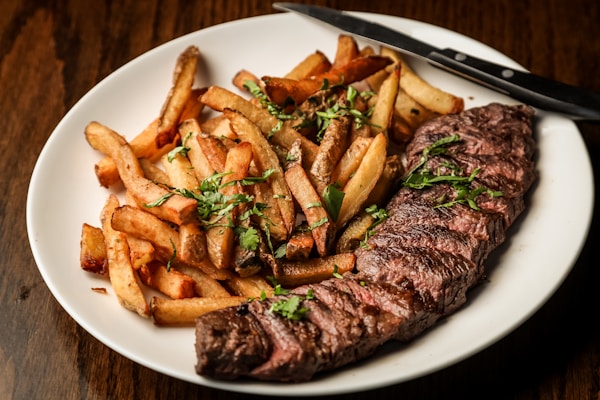
One of the most versatile and appreciated forms of sauce reduction is the wine reduction. These sauces often serve as the base for a variety of dishes. A red wine reduction, for example, pairs phenomenally with beef and game meats, while white wine reductions work excellently with poultry and seafood.
To make a classic red wine reduction, follow these simple steps:
“A good wine reduction is like a fine wine—not just a backdrop, but the very essence of the dish.”
Stock Reductions
Stock reductions are also fundamental to creating rich sauces. They bring depth and umami to your dish and can be made with chicken, beef, fish, or vegetables. The key here is the simmering technique that extracts deep, rich flavors from the stock base.
Balsamic Reductions
Balsamic vinegar reductions offer a different character altogether. The sweetness and acidity of balsamic vinegar create a luxurious syrup that pairs beautifully with roasted vegetables and meats.
“A good balsamic reduction is more than a condiment; it’s a universal enhancer.”
Mastering Temperature Control
The Importance of Heat
Temperature control is one of the most crucial aspects of sauce reduction. It's easy to get absorbed in the task at hand and let the heat get away from you, which can lead to burnt sauces or uneven reductions. Too high a temperature can lead to rapid evaporation and scorching, whereas too low a temperature may extend the cooking time unnecessarily.
#### Recommended Heat Levels:
Tools for Monitoring Temperature
Investing in a good kitchen thermometer can take the guesswork out of your cooking. Additionally, keep an eye on visual cues as well. The surface of the sauce should have small bubbles rising slowly to the surface.
Some tools to consider:
Gentle Stirring Techniques
While reducing sauces, a gentle stir can aid in promoting even cooking and prevent sticking. Use a wooden spoon or rubber spatula, which can both scrape the bottom and get the residue mixed into the sauce.
Flavor Enhancements
The Role of Aromatics
Aromatics are critical in building layers of flavor in your reduction. Common aromatics, such as garlic, shallots, onions, and various herbs, offer complexity and depth.
How to incorporate aromatics effectively:
Balance with Seasoning
Salt and other seasonings play an important role. Keep in mind that flavors will concentrate as the sauce reduces, so season lightly initially and adjust at the end.
Consider these steps:
“In the arena of sauces, balance is the ultimate key to success.”
Troubleshooting Common Issues
Sauce is Too Thin
A common challenge when reducing sauces is achieving the right consistency. If your sauce is too thin, here are some solutions:
Sauce is Too Thick
If you find that your sauce has thickened beyond desired levels, remedies include:
Uneven Flavor
Finding that your sauce has an uneven flavor profile can be disappointing. Here’s how to fix it:
Incorporating Reductions into Your Cooking
Everyday Meal Applications
Understanding how to utilize reductions can dramatically enhance your weeknight cooking. Here are a few simple applications:
Plating and Presentation
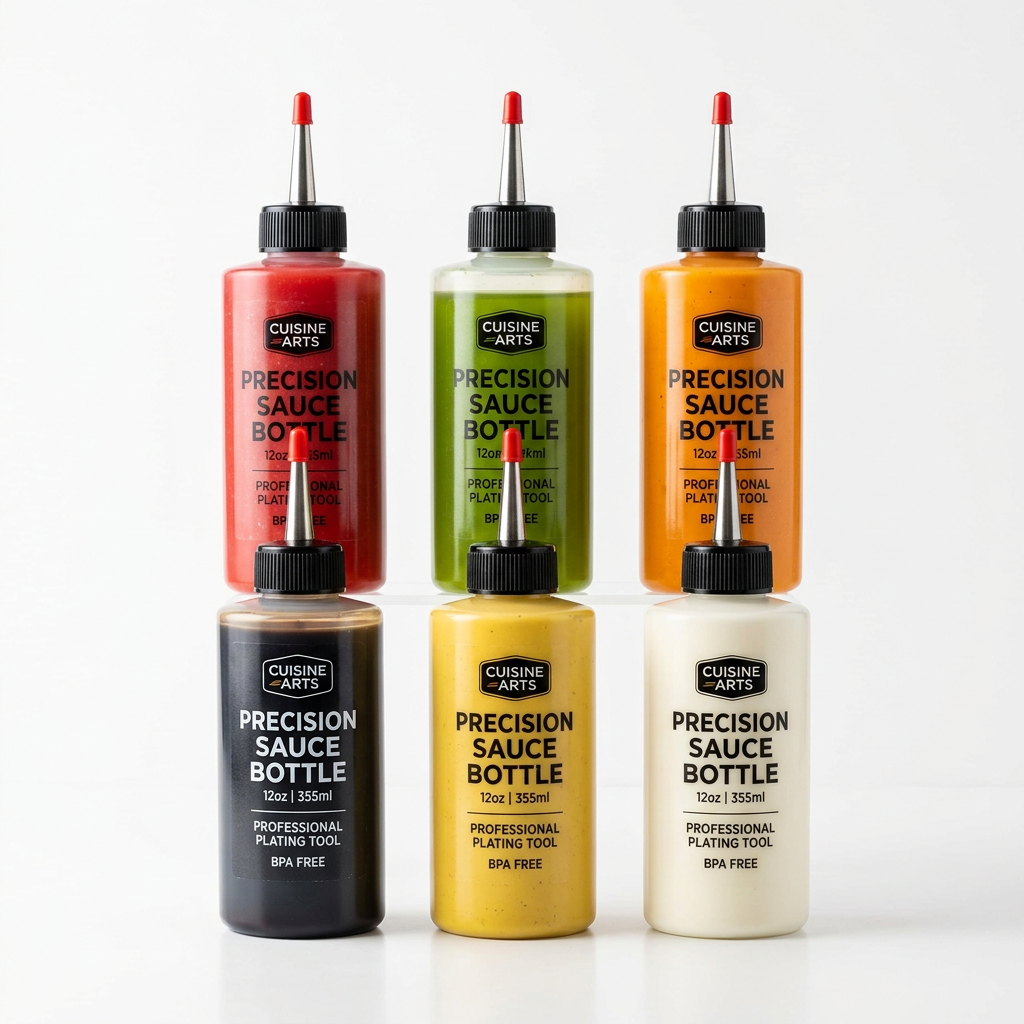
Sauces also play an essential role in food presentation. A well-reduced sauce can enhance both visual appeal and flavor. Here’s how to plate effectively:
Pairing Sauces with Foods
Understanding which sauces pair best with what foods—or contrasting components—can lead to culinary magic.
Conclusion
The journey into the world of sauce reduction is not only about mastering a technique; it’s about elevating your cooking skills to new heights. With the right ingredients, the patience to monitor simmering temperatures, and a keen sense of balance, you can create sauces that enrich your meals and delight your guests. Sauce reductions reflect dedication and knowledge—attributes every great home cook possesses.
As you continue on your culinary adventure, let the art of sauce reduction be your canvas. Play with flavors, experiment with different ingredients, and don’t be afraid to push the boundaries of your knowledge. Each sauce is an opportunity for dish transformation; each reduction is a chance to enrich not just a meal but also your cooking journey. Remember, the kitchen is an artist's studio, and sauce reduction is one of the most beautiful forms of expression you can cultivate. Continue to experiment, taste, and refine your skill, and soon you’ll find yourself mastering sauces that transform even the simplest meal into a culinary masterpiece.
By pouring your heart into your food and embracing the nuance of flavors, you will create dishes that nourish both the body and the soul. So the next time you find yourself with a pot on the stove reducing a delectable sauce, take a moment to appreciate not just the end result but also the artistry that went into making it. Happy cooking!
Get the Next Recipe
Weekly recipes, techniques, and gear picks — straight to your inbox.
