Mastering the Art of French Sauces: The Five Mother Sauces Explained
Mastering the art of French sauces is a skill that every aspiring chef should strive to achieve. Sauces can elevate your dishes from simple meals to culinary masterpieces, transforming the mundane into the extraordinary. In the world of French cuisine, sauces are often categorized into five fundamental sauces, known as the mother sauces. Mastering these foundational sauces not only enhances your flavor profiles but also opens a world of culinary creativity. The beauty of French sauces is that each one serves as a base, from which countless variations can be created, allowing you to experiment and tailor dishes to your taste.
Understanding the five mother sauces—Béchamel, Velouté, Espagnole, Tomato, and Hollandaise—is an essential starting point. Each sauce encapsulates a unique flavor profile and method of preparation, paving the way for sauces that can accompany meats, vegetables, pastas, and more. With proper techniques, attention to detail, and a willingness to practice, you will be well on your way to becoming a sauce master in your own kitchen. This post will delve into each of the mother sauces, discussing their preparation, variations, practical applications, and tips to avoid common pitfalls.
As we embark on this journey through the world of French sauces, it is important to keep a few key things in mind. Firstly, the quality of your ingredients plays a pivotal role. Whenever possible, opt for fresh, high-quality ingredients, as they will dramatically influence the depth and complexity of your sauces. Secondly, understanding proper cooking techniques—such as emulsification in Hollandaise or the importance of a proper roux in Béchamel—is fundamental to achieving the desired results. Lastly, practice is essential; don’t shy away from making mistakes, as they are the stepping stones to culinary mastery.
The Foundation: What Are Mother Sauces?
Mother sauces serve as the building blocks for a myriad of additional sauces. They embody distinct characteristics and methods of preparation. In classical French cuisine, mastering these mother sauces is crucial, as they not only form the base for a variety of sauces but also enhance a chef’s skill set. Let's explore each mother sauce, starting from the basic definition and moving on to its preparation and variations.
Understanding Mother Sauces
The concept of mother sauces was popularized by Georges Auguste Escoffier, a French chef who modernized French cuisine and laid the groundwork for classical cooking techniques. According to French culinary tradition, each mother sauce has its own distinct preparation method. By understanding these bases, you can create a wide variety of secondary sauces that complement different dishes.
“Every sauce tells a story. Master the basics, and you can write your own culinary narrative.”
Why Master the Mother Sauces?
Mastering the mother sauces provides a solid foundation for any aspiring chef. Béchamel lends itself to creamy pasta dishes, while Hollandaise can elevate a simple egg dish into a luxurious breakfast. By learning how to make these sauces, you can enhance your cooking skills and impress your friends and family. Each mother sauce acts as the basis for numerous delicious derivatives that can be adapted to match seasonal ingredients or specific dietary preferences.
- Create rich, deeper flavors in your dishes
- Expand your culinary repertoire
- Gain confidence in your cooking abilities
- Impress guests with elevated, restaurant-quality dishes
Béchamel Sauce: The Creamy Classic
What is Béchamel?
Béchamel is one of the simplest of the mother sauces, often referred to as a white sauce. It is made from milk, butter, and flour, typically flavored with salt, white pepper, and a pinch of nutmeg. Béchamel serves as the base for many other sauces, such as Mornay, which adds cheese.
Ingredients Required for Béchamel
To prepare a classic Béchamel sauce, gather the following ingredients:
Preparation Steps
“A good Béchamel is the canvas from which all great comfort foods spring.”
Common Variations of Béchamel
Applications of Béchamel
Béchamel is incredibly versatile. Use it as a base for lasagna, mac and cheese, or creamy soups. It can also be the star in gratins, where it is poured over vegetables or pasta and then baked until golden and bubbly.
Velouté Sauce: The Light and Flavored Option
What is Velouté?
Velouté, meaning "velvety" in French, is another classic mother sauce made from a white stock (chicken, fish, or vegetable) thickened with a roux. Its light texture and subtle flavor make it a fantastic base for many sauces, including Allemande, Suprême, and Normande.
Key Ingredients for Velouté
To prepare Velouté sauce, gather:
Steps to Prepare Velouté
Popular Variations of Velouté
Uses of Velouté Sauce
Velouté can be used to enrich risottos, accompany poached chicken, or act as a base for soups. It pairs beautifully with proteins like fish or chicken, adding a silky, savory element to your dishes.
Espagnole Sauce: The Rich and Robust Sauce
Introduction to Espagnole
Espagnole, or "Spanish sauce," is a rich brown sauce made from brown stock, mirepoix (a mixture of onions, carrots, and celery), tomatoes, and a brown roux. Espagnole is foundational to many demi-glace preparations and is often regarded as one of the richest of the mother sauces.
Ingredients Needed for Espagnole
Gather the following to create a classic Espagnole sauce:
Steps to Prepare Espagnole
Variations of Espagnole
Uses of Espagnole Sauce
Espagnole serves as a delicious base for richer dishes, pairing excellently with roasted meats. Drizzle it over beef Wellington, enhance your braised short ribs, or use it as a finishing sauce for hearty gravies.
Tomato Sauce: The Versatile Pantry Staple
Overview of Tomato Sauce
Tomato sauce, although simple, carries an incredible depth of flavor when prepared correctly. This mother sauce is made from tomatoes, vegetables, herbs, and sometimes meat. It's a key component in a variety of dishes ranging from pastas to braises.
Ingredients for Tomato Sauce
To create a classic tomato sauce, assemble:
Steps to Make Tomato Sauce
Variations of Tomato Sauce
Applications of Tomato Sauce
Tomato sauce is extraordinarily versatile. It can be used for pasta dishes, as the base of pizza, in stews, or drizzled over grilled vegetables. Combine it with cheese for a delightful lasagna or use it as a dip for breadsticks.
Hollandaise Sauce: The Decadent Emulsion
What is Hollandaise?
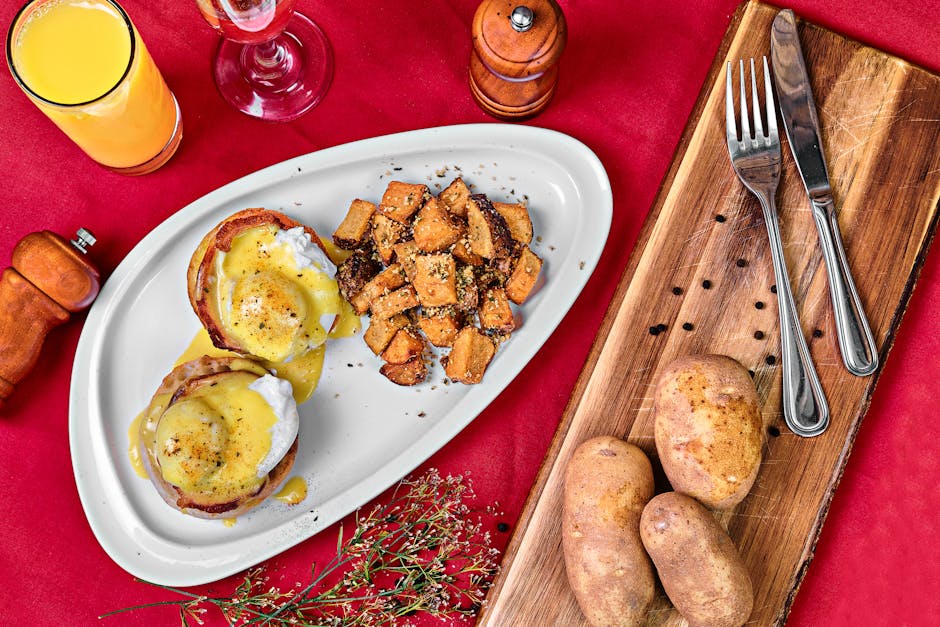
Hollandaise is perhaps the most delicate of the mother sauces, known for its smooth texture and rich flavor. It is an emulsion of egg yolks, lemon juice, and melted butter, traditionally accompanied by eggs Benedict, but its applications stretch far beyond breakfast.
Essential Ingredients for Hollandaise
You will need:
Preparing Hollandaise Sauce
Variations of Hollandaise
Uses of Hollandaise Sauce
Hollandaise can enhance any dish when done correctly. Serve it drizzled over vegetables, fish, or, traditionally, on eggs Benedict for a truly decadent breakfast experience.
Conclusion
Mastering the five mother sauces of French cuisine is an essential step for any home cook looking to elevate their culinary skills. From the creamy Béchamel to the decadent Hollandaise, each sauce presents unique techniques and flavors that can enhance a variety of dishes. By understanding the preparation methods and practicing them in your kitchen, you can unlock a world of culinary creativity.
The journey doesn’t end with these foundational mother sauces; each one can branch out into a myriad of variations that offer new tastes and possibilities. Embrace the challenge, keep experimenting, and hone your skills in creating sauces that not only complement your meals but also tell a story of your culinary journey.
As you delve deeper into the world of sauces, remember that perfection takes time and practice. Enjoy every step, as the joy of cooking lies not only in the final dish but also in the rich experience you cultivate along the way. You'll soon find that each sauce you create brings a new layer of satisfaction and delight to your home cooking.
Continue exploring, tasting, and sharing, and you'll forever elevate your dining experiences with the power of exquisite sauces.
Embrace the heart of French cuisine—be fearless, be creative, and most importantly, have fun in your kitchen!


Get the Next Recipe
Weekly recipes, techniques, and gear picks — straight to your inbox.
