
Mastering the Art of Fresh Pasta: From Dough to Table
There’s something remarkably satisfying about crafting your own pasta from scratch. The transformation of simple ingredients into a luxurious, doughy canvas is a rite of passage for every home cook. When you make your pasta, you aren’t just preparing a meal; you are gesturing to traditions that have endured for generations, engaging all senses in the process. Each roll of the dough, every twist and turn, leads to a celebration of flavors that no store-bought version can replicate. In this culinary adventure, you will discover the nuances behind making fresh pasta that could make even the most seasoned Italian nonna proud.
While the idea of making fresh pasta can seem daunting at first, it is, in fact, an accessible skill that can be broken down into manageable steps. Armed with a few essential techniques and ingredients, you can banish the fear of failure and embrace the creativity involved in pasta-making. Through experimentation and practice, your confidence will soar, and you’ll soon be delighting family and friends with your homemade creations. So let’s roll up our sleeves and plural “pasta” into a beautiful array of noodles, from fettuccine to ravioli, all starting with the foundational dough.
In this post, we’ll explore everything from selecting the right flour to kneading techniques, from types of pasta shapes to cooking methods. Each section will provide you with professional insights, tips, and the reassurance that even if things don’t go as planned, the kitchen is still the best classroom you could ask for. By the end of this guide, you’ll feel fully equipped to create pasta that not only is delicious but also tells a story worth savoring.
The Essential Ingredients for Fresh Pasta
Creating fresh pasta begins with understanding the ingredients involved. The beauty of homemade pasta lies in its simplicity—just a few key ingredients can yield a culinary masterpiece. The primary ingredients are flour, eggs, salt, and sometimes water or olive oil. Each element plays a vital role in achieving the perfect texture and flavor.
Flour Types and Their Uses
When it comes to flour, not all varieties are created equal. The type of flour you choose significantly impacts the final outcome of your pasta.
Eggs: The Enriching Element
Eggs contribute both moisture and richness to pasta dough. When using whole eggs, the yolks provide a beautiful color, flavor, and richness, while the whites lend structure. Typical ratios are:
Some pasta makers opt for a different approach:
Salt and Optional Additives
A touch of salt in your pasta dough enhances flavor, which is essential for an outstanding dish. Be generous, as this amount will translate directly to the taste of your pasta once cooked. The optional addition of a small amount of olive oil can enrich the dough and make it easier to knead but is not necessary for authentic recipes.
Mixing and Kneading the Dough
Once your ingredients are gathered, the fun truly begins. The mixing and kneading process not only develops the gluten structure in the dough but also allows you to unleash your creative energies. Here’s how to do it effectively.
Mixing Techniques
The traditional method of mixing pasta dough involves forming a well with your flour, laying the eggs and salt in the middle, and gradually incorporating the flour with a fork. Here’s a step-by-step approach:
Kneading the Dough
Kneading is essential for developing the gluten that gives pasta its structure and chew. Here’s how to do it:
“Great pasta begins with great dough—dedicate time to this foundational element.”
Rolling and Shaping Your Pasta
With the dough rested, it’s time to roll it out and shape it into your desired pasta form. The process of rolling out dough can seem intimidating, but with the right approach, it becomes quite straightforward.
Rolling Techniques
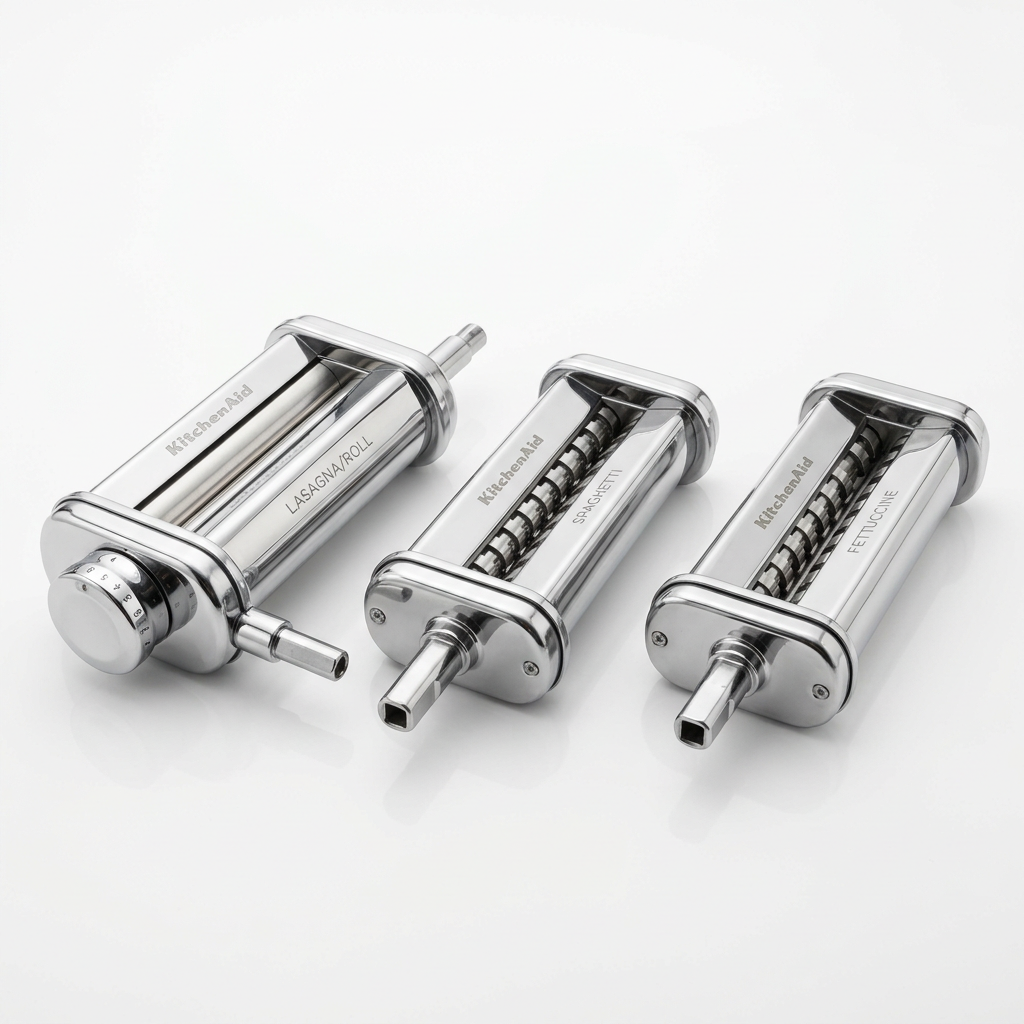
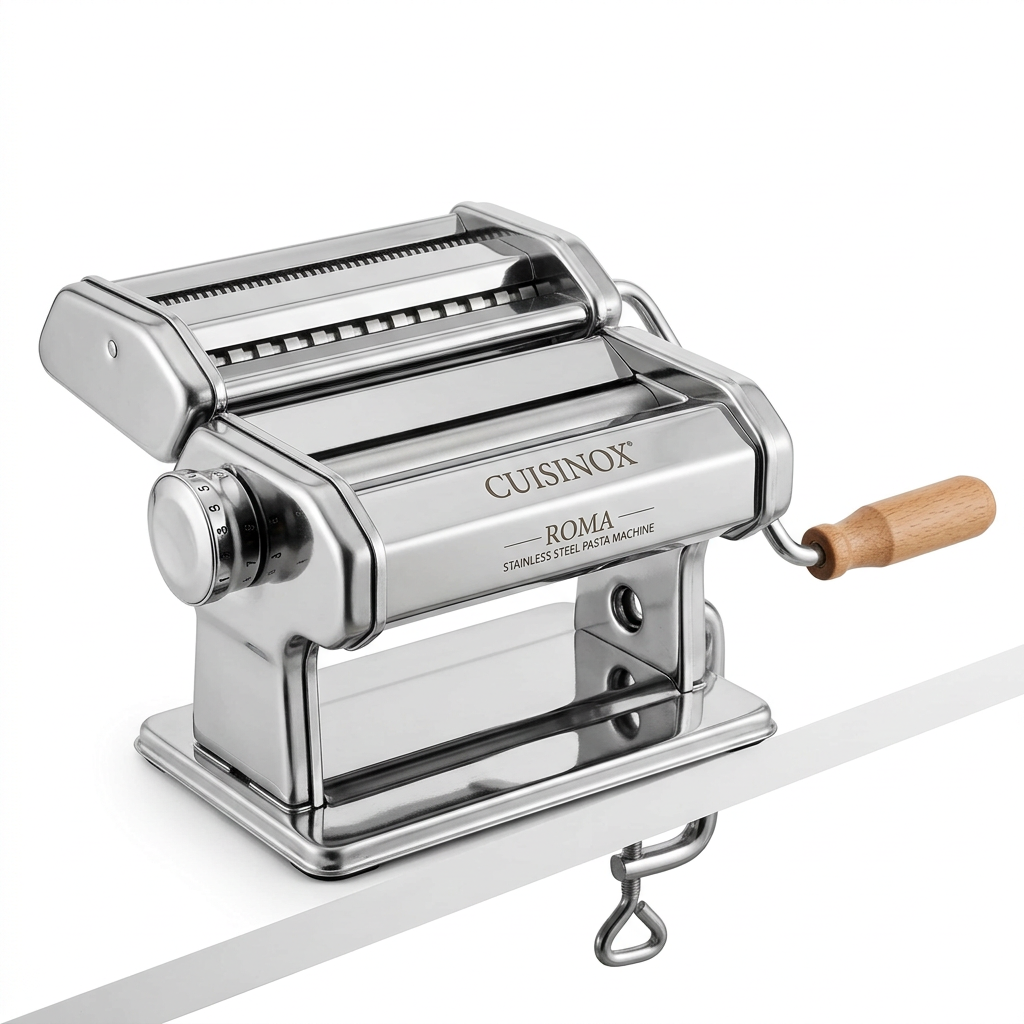
Roll out your dough using either a rolling pin or a pasta machine, depending on the thickness and type of pasta you desire.
- Divide the dough into smaller portions to make handling easier.
- Dust your work surface and rolling pin with flour to prevent sticking.
- Roll out the dough, rotating it often to maintain an even thickness. Aim for about 1/16 inch thickness for sheets of pasta.
- If you have a pasta machine, start at the widest setting.
- Pass your dough through the machine, gradually rolling it thinner with each pass. Move down each setting until you reach the desired thickness.
Cutting Shapes
Once rolled out, it’s time to cut and shape your pasta. Here’s a brief look at some popular pasta types and their cutting methods:
Cooking Fresh Pasta
Cooking fresh pasta differs from dried pasta due to its reduced cooking time. Here are some essential tips to ensure perfect pasta every time:
“Fresh pasta is a canvas waiting to be painted with sauce—choose wisely.”
Sauces to Accompany Your Pasta
Now that you have your freshly made pasta, it's time to consider sauces. The sauce you choose should complement the flavor and texture of the pasta, as well as embrace your personal preferences.
Classic Sauces
Flavor Variations in Homemade Pasta
Creating fantastic pasta not only relies on sauces but also on the variations you can implement in your pasta dough itself. These variations can elevate your pasta experience and reflect an array of flavors aligned with seasonal ingredients or personal tastes.
Infused Dough
Flavored Sauces
Troubleshooting Common Pasta Issues
Every cook faces challenges in the kitchen, and pasta-making is no exception. Knowing how to troubleshoot common problems can save a meal and bolster your confidence as a cook.
Sticky Dough
If your dough is sticky, likely, it needs more flour. Dust your work surface and hands with flour while kneading to balance the moisture levels.
Tough or Chewy Pasta
Over-kneading can make pasta tough, as will using too high a protein flour. Use a lower protein flour for a tender result and be mindful during the kneading process.
Uneven Shapes
If you notice that your pasta shapes are uneven, don’t worry—this is often part of the charm of homemade pasta! However, you can use a sharp knife guided by a ruler if you wish for uniformity in width.
Conclusion
Mastering the art of fresh pasta is a journey that rejoices in simplicity and creativity. Crafting your pasta from scratch is not just about the result on the plate; it's about the process, the ingredients, and the sensory experience intertwined with tradition and innovation. By understanding the composition of your dough, practicing techniques with determination, and embracing the spirit of experimentation, you become more than just a cook—you become an artisan of flavor.
From the way the dough feels under your fingers to the delightful aromas wafting from your kitchen, each step invites you deeper into the world of culinary artistry. Share your creations with friends and family, allowing each lovingly made batch of pasta to tell a story of your craft and dedication. Whether you're serving a simple fettuccine tossed with olive oil or a decadent ravioli filled with ricotta and spinach, your freshly made pasta is an invitation to relish each bite as a true celebration of life’s simple pleasures.
Get the Next Recipe
Weekly recipes, techniques, and gear picks — straight to your inbox.
