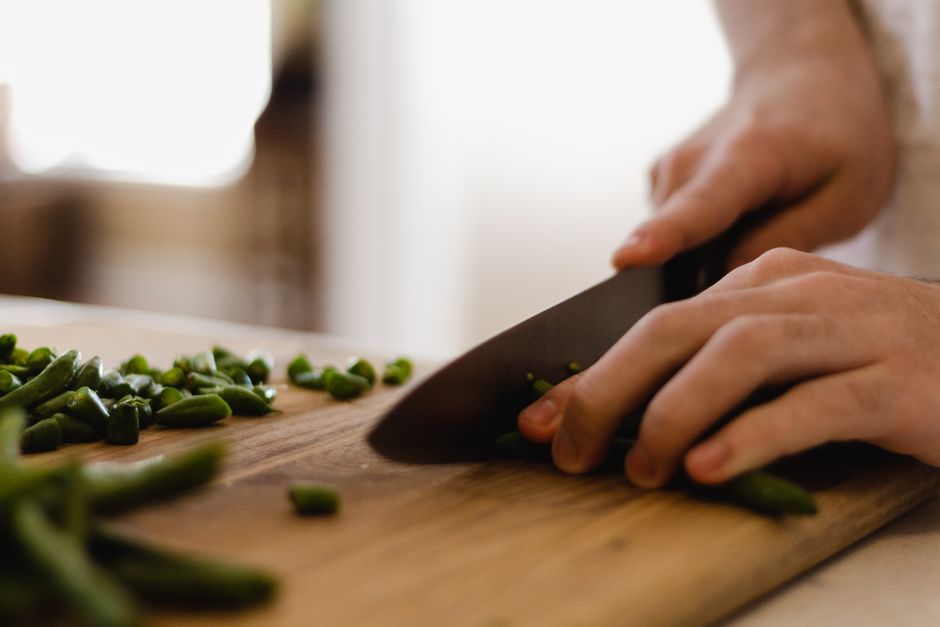
Mastering the Art of Knife Skills: From Basic Cuts to Advanced Techniques
Mastering the art of knife skills is an essential part of becoming a proficient home cook. While cooking involves a multitude of techniques and concepts, the ability to wield a knife effectively can significantly elevate the quality of your culinary creations. From enhancing the presentation of your dishes to improving the efficiency of your meal prep, mastering knife skills will give you more control over your cooking and ultimately provide more enjoyment while in the kitchen. Whether you're a novice just starting or a seasoned cook looking to refine your techniques, understanding knife skills is a foundational element that cannot be overlooked.
At the heart of every great meal lies the precision of each ingredient, and cutting techniques directly influence the final dish. The knife is an extension of your hand, allowing you to shape and prepare ingredients in ways that impact flavor and texture. Professional chefs spend countless hours honing their knife skills because they recognize their influence on not just how a dish looks, but how it tastes. A well-cut vegetable, for example, cooks evenly and releases its flavors more fully than one that has been hastily chopped. This post will guide you through both basic and advanced knife techniques, providing you with practical steps to enhance your cutting prowess.
Moreover, achieving great knife skills is not merely about the techniques you employ; it is also about the tools at your disposal. A keen edge, a comfortable handle, and maintaining your knives will contribute significantly to your efficiency in the kitchen. While many recipes can be forgiving, the precision that knife skills require means that they benefit from careful practice and understanding. With this blog post, you will be equipped with the knowledge and techniques to approach knife skills systematically and safely, empowering you to produce consistently exceptional culinary outcomes.
Understanding Your Knives
Types of Knives
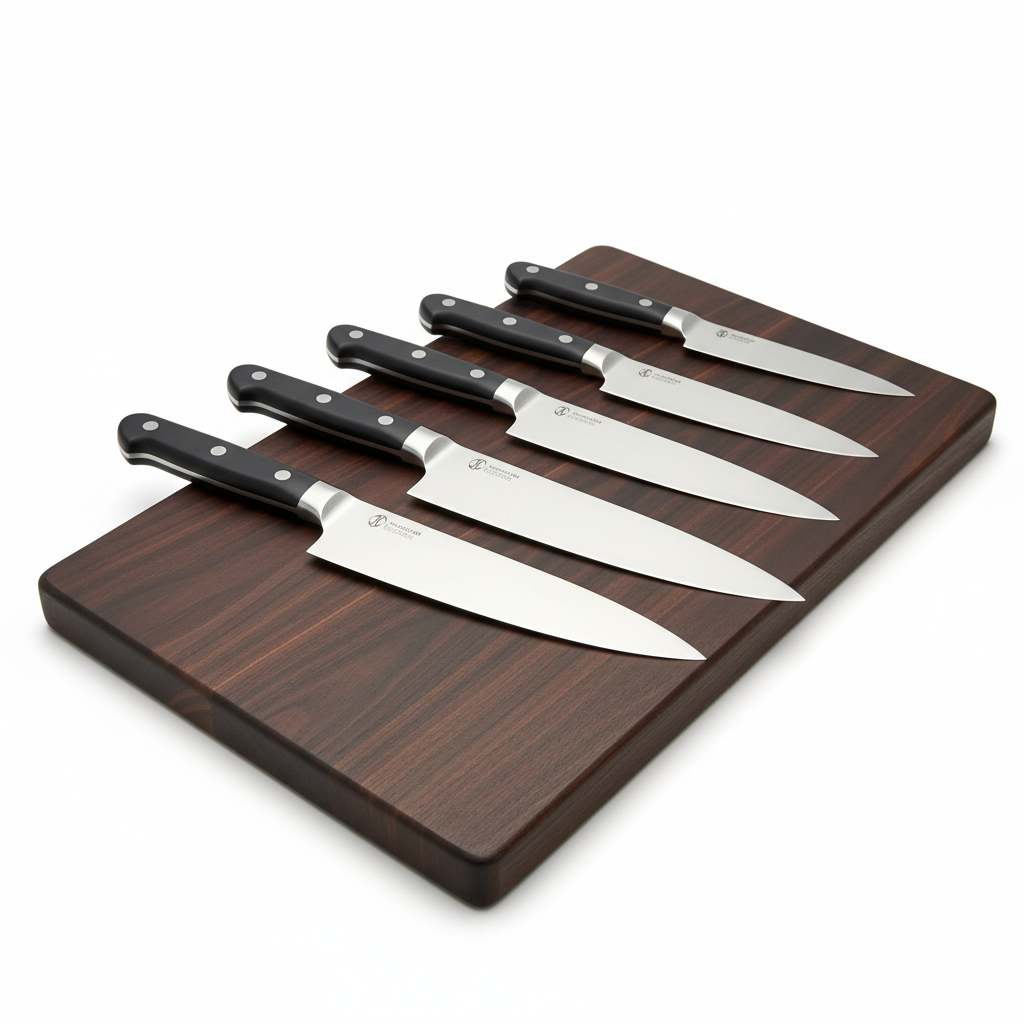
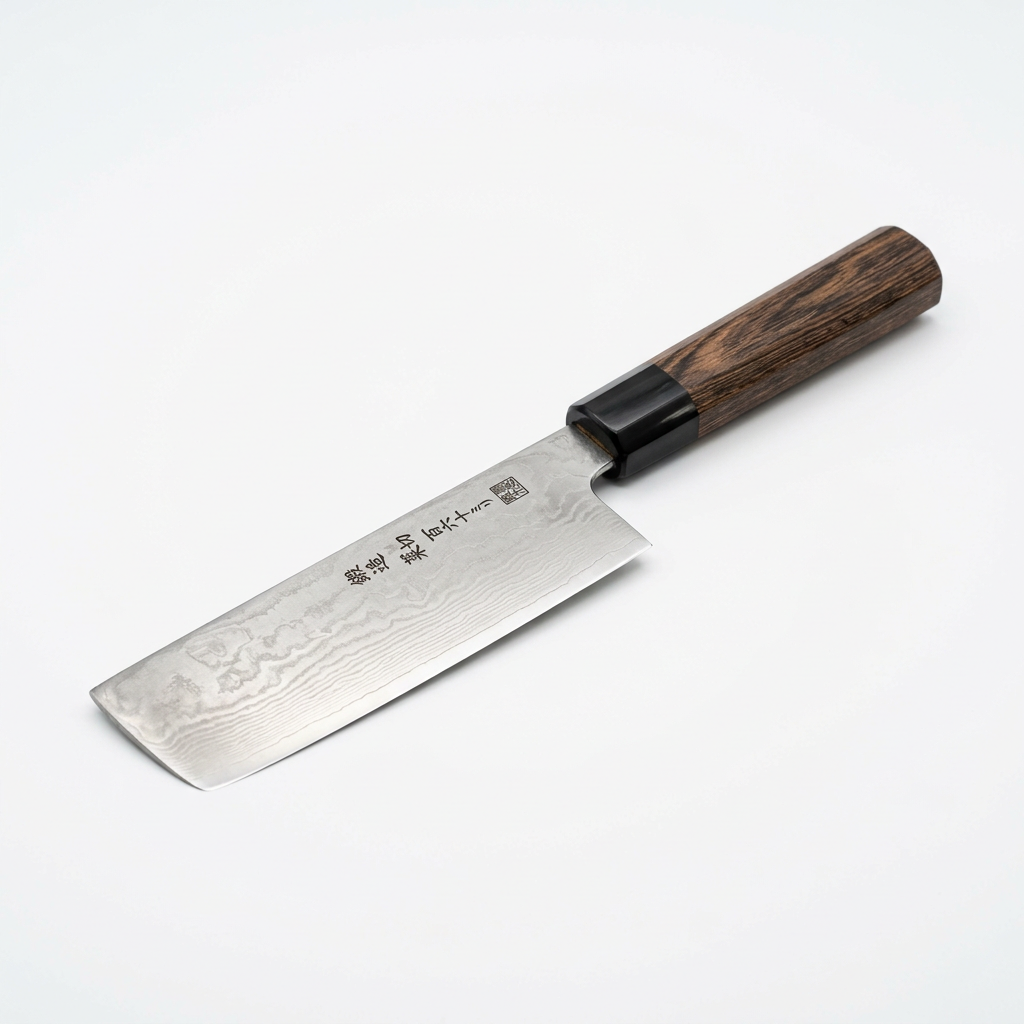
Before diving into the skills, it's important to familiarize yourself with the types of knives available and their unique functions. Each knife has a specific purpose, and knowing when to use each one will improve your efficiency and effectiveness in the kitchen.
Choosing the Right Knife
When selecting a knife, several factors come into play, such as balance, weight, and comfort. A knife that feels good in your hand will allow for better control and less fatigue during extended use. Take the time to hold different knives and consider how they fit into your grip. For example:
Remember, high-quality knives can be a worthwhile investment. Look for stainless steel blades, which offer durability and resistance to rust, and polymer or wooden handles that provide longevity and comfort.
Knife Maintenance
Sharpening Your Knives
A dull knife is actually more dangerous than a sharp one, as it requires more force to cut through food, increasing the risk of slips and accidents. Maintaining the edge of your knives is paramount for safety and efficiency. Here’s how you can sharpen your knives effectively:
Proper Storage
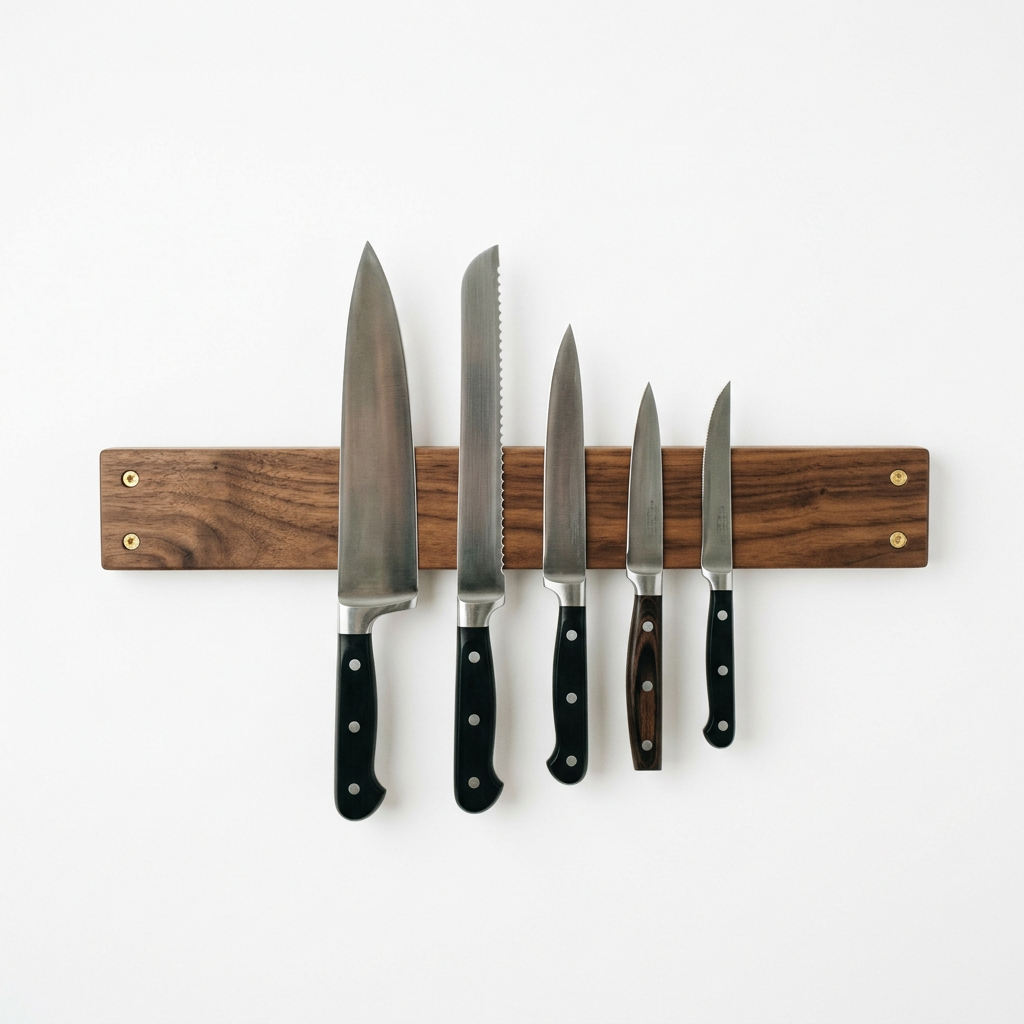
How you store your knives greatly affects their longevity and safety. Consider these options for knife storage:
Regardless of the storage method, ensure that your knives are always clean and dry before putting them away.
Basic Cutting Techniques
The Grip and Positioning
Before you start cutting, it’s essential to have the right grip on both the knife and the food item. Your dominant hand typically holds the knife, while the other hand should be in a claw grip. This technique keeps your fingers curled back and away from the blade, ensuring safety. Here’s how to achieve it:
Common Cuts
There are several basic cuts that every home cook should master. Here are the most common ones, along with step-by-step guides:
“A well-cut vegetable not only improves cooking times but elevates the final presentation of your dish.”
Speed and Consistency
As you become more comfortable with these cuts, focus on increasing your speed while maintaining consistency. This balance is crucial, especially when you are prepping for multiple dishes. Practice is key here. Start slowly to ensure precision, and gradually increase your pace. Set aside time in the kitchen to practice cutting techniques with different ingredients.
Advanced Techniques
The Rocking Motion
One of the most efficient cutting techniques employed by professional chefs is the rocking motion with a chef's knife. This method allows for rapid and repetitive cutting while keeping the tip of the knife on the cutting board. Here's how to master it:
This technique not only adds speed to your chopping but also prevents fatigue during long prep sessions.
Using a Mandoline
A mandoline slicer is a powerful tool for achieving uniform cuts and can dramatically enhance the presentation of your dishes. To use it safely and effectively:
Practice with softer items like cucumbers or zucchini, progressing to firmer vegetables as you build confidence.
Filleting Fish
Filleting fish requires a delicate touch and the right technique. Start by selecting a fresh fish and using a fillet knife.
“The precision of your knife skills can transform simple ingredients into stunning meals.”
Safety Tips
Knife Safety
To ensure that your knife skills are as safe as they are efficient, follow these essential safety tips:
Cleaning Up
After every cooking session, ensure your knives are cleaned properly to maintain their quality:
Recipes to Practice Your Skills
Vegetable Stir Fry
Putting your knife skills to the test can be as simple as creating a vegetable stir fry. This dish will allow you to practice various cuts and their applications.
Ingredients:
Instructions:
This basic recipe allows you to focus on your knife skills while creating a healthy meal.
Chef’s Salad
A chef’s salad is another simple way to practice your cutting techniques with a variety of ingredients.
Ingredients:
Instructions:
Combine all ingredients in a large bowl, toss with dressing, and enjoy your handiwork.
Conclusion
Mastering knife skills is not an instantaneous journey, but rather a continual practice that evolves over time. The techniques introduced in this post span from basic cuts to advanced methods, allowing you to enhance not just your skills but also your confidence in the kitchen. As you work on honing these skills, remember that precision and practice are your best allies. Embrace the process, experiment with different vegetables and proteins, and soon enough, you’ll find yourself whirling through prep with the grace and efficiency of a pro.
Investing time in developing your knife skills will yield immense returns not just in the efficiency of your cooking but also in the quality of your meals. Keep your knives sharp, practice regularly, and don’t shy away from challenging yourself with new techniques. With every slice, you’re not just preparing food; you’re also crafting an experience, a celebration of flavors, textures, and artistry.
Elevate your culinary repertoire and embrace the role that knife skills play in the kitchen; let them guide your way to becoming not just a cook but an artist. Happy slicing!

Get the Next Recipe
Weekly recipes, techniques, and gear picks — straight to your inbox.
