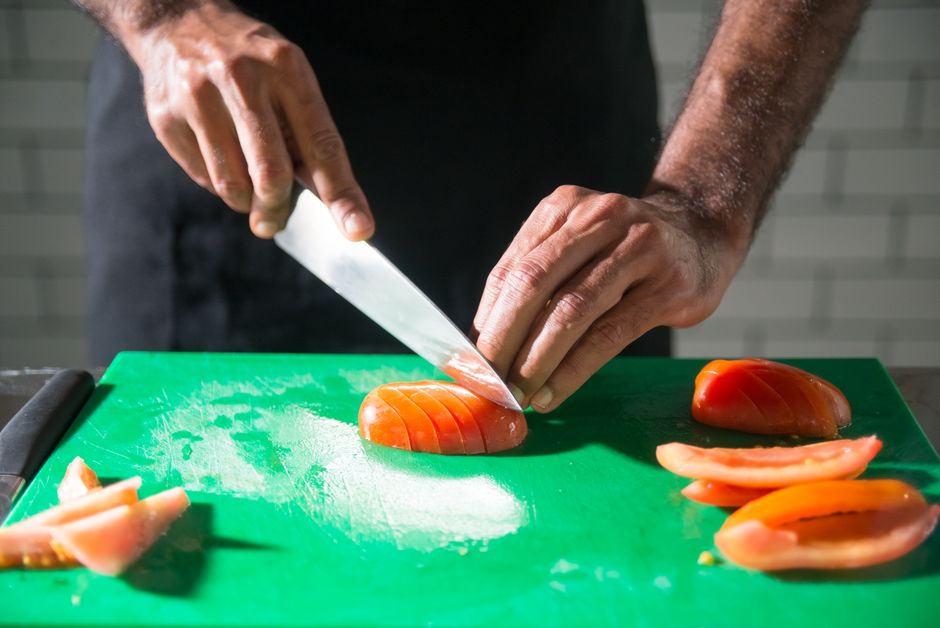
Mastering the Art of Knife Skills: From Dicing to Julienning
As most home cooks will tell you, mastering the art of knife skills is a pivotal step in becoming a more confident and efficient chef. The kitchen can often feel like a chaotic dance, where timing and precision are the rhythm. While ingredients play their roles in this performance, the knife is undoubtedly the lead instrument, wielded to create harmony among flavors and textures. In many culinary schools, knife skills are among the first subjects studied, and for good reason; they lay the foundation for a variety of techniques that can elevate any dish. Whether you're dicing onions for a comforting soup or finely slicing herbs for a delicate garnish, becoming adept at using your knife will enhance not only your dishes but also your overall enjoyment of cooking.
However, many novice chefs find themselves intimidated by the idea of using a knife properly. Watching seasoned chefs skillfully chop, slice, and julienne can be both awe-inspiring and overwhelming. The reality is that anyone can learn these essential techniques with practice, patience, and a few proper tips. Ultimately, it’s not just about wielding a knife effectively, but also understanding how shape, size, and cut impact cooking times and flavor integration. In this comprehensive guide, we’ll explore various knife skills to turn every inexperienced cook into a kitchen maestro.
Before diving into specific techniques, it’s crucial to emphasize the importance of safety and maintaining your knives. A dull knife is often more dangerous than a sharp one; it requires more force to cut through food, increasing the likelihood of slips, accidents, and, ultimately, injuries. Learning to sharpen your knife properly, storing it securely, and practicing safe cutting techniques can empower you to cook confidently and efficiently. Now, let’s delve into the various techniques that will elevate your culinary skills.
Essential Knife Safety
The Fundamentals of Knife Safety
Understanding knife safety is paramount before you even begin practicing techniques. The kitchen can be a haven for culinary creativity, but it can also present hazards if you aren’t careful. One of the first rules to remember is to always cut on a stable surface. Whether you’re using a wooden board or a plastic cutting board, ensure it doesn't slide around when you apply pressure.
"A sharp knife is a safe knife; dull blades are notoriously dangerous and create unnecessary risks."
Additionally, always keep your fingers curled in a claw grip while cutting. This grip helps keep your fingertips tucked away, lessening the chance of accidentally slicing them. Practicing this grip ensures that you maintain control over your knife's movements, making your cutting quicker, cleaner, and safer.
Hand Position and Grip Techniques
In addition to overall safety, the way you hold the knife and how you position your hands plays a significant role in efficient cutting. Here are some techniques to consider:
- Hold the handle firmly with your dominant hand.
- Use your thumb and index finger to grip the blade lightly, providing more control and balance.
- Tuck your fingertips under, creating a claw shape.
- This ensures your knuckles guide the knife and keeps your fingers protected.
- Ensure your cutting board doesn’t slide; use a damp cloth underneath if necessary.
- A stable work surface allows for more precise cuts and overall efficiency.
Proper Knife Maintenance
Keeping your knives in prime condition plays a significant role in ensuring a safe cooking experience. Here are some simple steps you can take to maintain your knives:
- Invest in a good-quality honing steel or a whetstone.
- Aim to hone your knife after every few uses and sharpen it regularly, approximately every few months, depending on frequency of use.
- Hand-wash your knives immediately after use with warm, soapy water.
- Never place them in the dishwasher, as the high temperatures can ruin the blades.
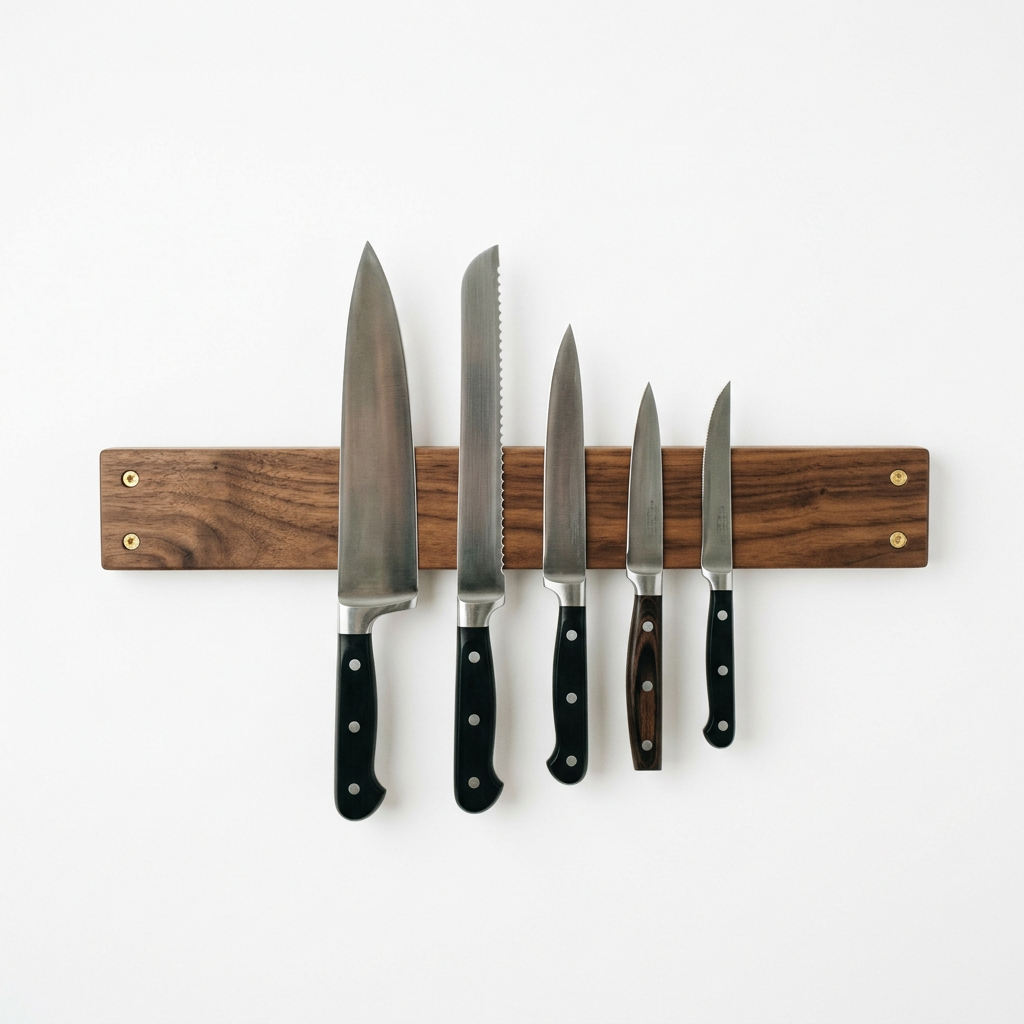
- Use a magnetic strip, knife block, or blade guards to store knives safely and prevent dulling.
Understanding Knife Types and Their Uses
The Essential Kitchen Knives
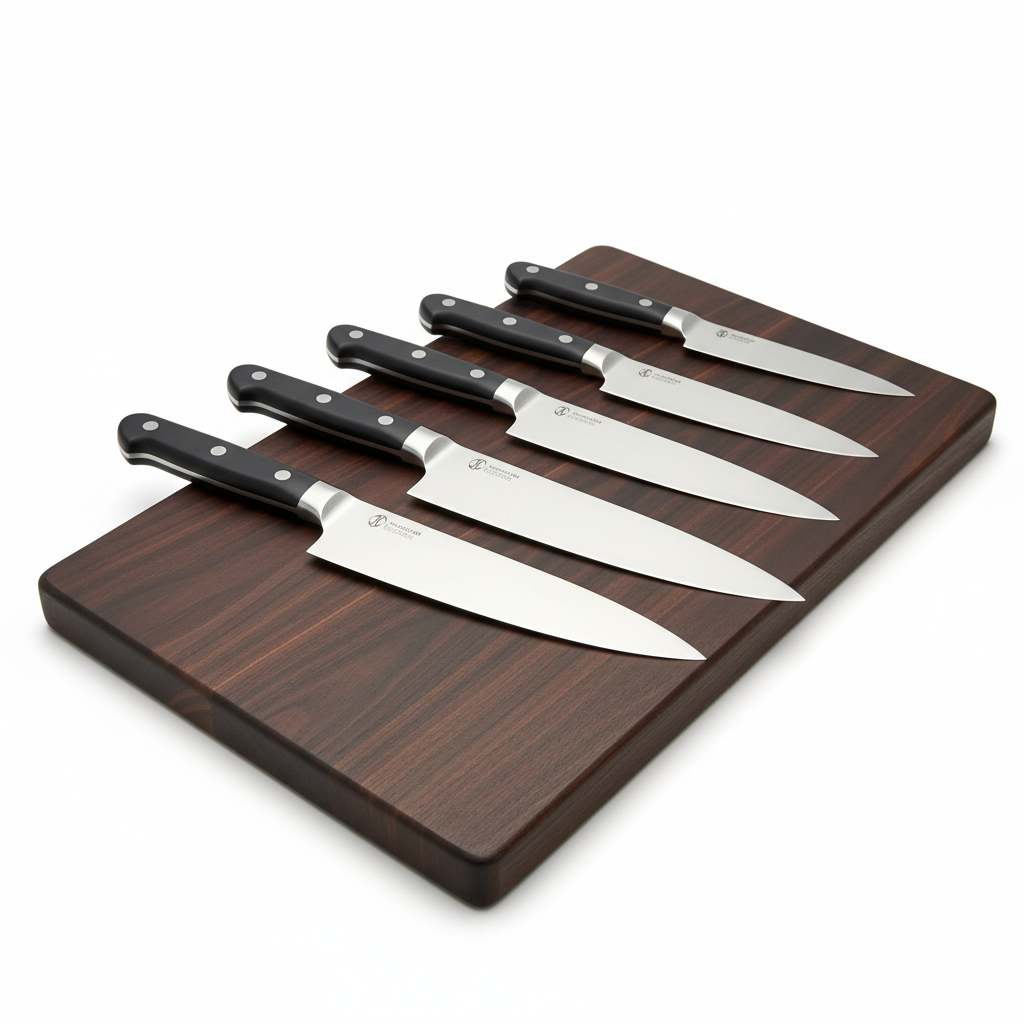
Not all knives are created equal, and knowing which knives are best for different tasks is key to your culinary journey. Here are five essential kitchen knives every cook should have:
- This versatile knife is used for chopping, slicing, and dicing. Typically, a Chef's knife ranges from 8 to 10 inches in length and features a broad blade to facilitate a rocking motion.
- Smaller and more maneuverable, a paring knife is perfect for intricate tasks such as peeling fruits and vegetables or deveining shrimp.
- With its serrated edge, a bread knife allows you to slice through crusty loaves without compressing the soft interior.
- Often around 6 inches long, this knife is ideal for miscellaneous cutting tasks. It’s a perfect in-between for when a paring knife is too small and a Chef's knife is too large.
- The thin and flexible blade of a boning knife allows for precision when separating meat from bones, making it indispensable for meat preparation.
Specialized Knives For Advanced Techniques
If you're ready to take your skills to the next level, consider adding some specialized knives to your toolkit:
Understanding Knife Materials
The material of the knife makes a significant difference in performance, balance, and maintenance. Here are some common materials found in kitchen knives:
Mastering Basic Cuts
Dicing, Mincing, and Chopping
Once you possess the right tools and understand safety, begin practicing fundamental cuts, which are essential for creating a wide variety of dishes.
1. Dicing
- Step 1: Start with your ingredient, like an onion. Peel and cut it in half, placing the flat side down for stability.
- Step 2: Make horizontal cuts into the onion, followed by vertical cuts.
- Step 3: Rotate the onion and chop vertically to create small cubes.
"When you're dicing vegetables, how you cut will affect not only the appearance of the dish but also the cooking time."
2. Mincing
- Step 1: For garlic, begin by removing the skin and crushing each clove slightly with the flat blade of your knife.
- Step 2: Chop the clove into smaller pieces, gathering it into a pile.
- Step 3: Rock the knife over the garlic repeatedly until minced finely.
3. Chopping
- Step 1: For leafy greens, stack the leaves, rolling them tightly.
- Step 2: Slice towards yourself at intervals to produce strips.
- Step 3: Rotate the greens and chop crosswise for a coarse chop.
Slicing and Julienne Techniques
Mastering finesse cuts like slicing and julienne can elevate your dishes and improve presentation.
1. Slicing
- Step 1: For slicing meats, allow a roast to rest before cutting to preserve juices.
- Step 2: Slice against the grain for tenderness, utilizing smooth, even strokes.
2. Julienne
- Step 1: Start with a rectangular shape for vegetables like carrots or zucchini. Trim the ends and slice into 1/4-inch thick planks.
- Step 2: Stack the planks and slice them into thin matchsticks.
- Step 3: Julienne produces uniform pieces that cook quickly and evenly.
Advanced Cuts: Brunoise, Chiffonade, and Paysanne
For those looking to explore more advanced cutting techniques, familiarize yourself with the following cuts:
Knife Skills for Various Ingredients
Vegetables: Techniques for Every Type
Different types of vegetables require distinct techniques. Understanding the best methods for different vegetables can improve both the quality and presentation of your dishes.
#### Root Vegetables
Root vegetables like carrots, potatoes, and beets benefit from techniques like dicing or julienne cuts:
#### Leafy Greens
Leafy greens should be treated with care to preserve flavor and nutrients:
#### Fruits
Knowing how to prepare fruits can transform a dish from ordinary to extraordinary:
Proteins: Meat and Fish
When it comes to proteins, precise knife skills are essential not only for cooking but also for presentation:
#### Chicken and Meat
When working with chicken, understanding how to debone and portion can save time and improve flavor:
#### Fish
Filleting fish is an essential skill for those wanting to prepare fresh seafood:
Knife Skills in Professional Cooking
The Importance of Knife Skills in Professional Kitchens
In a professional environment, knife skills go beyond basic cutting; they form part of the rigorous standards chefs adhere to. With higher volumes of preparations, efficiency is crucial. The faster a chef can prepare ingredients, the smoother the service flows. Here are some key points on knife skills in professional kitchens:
Training and Techniques Used by Professionals
In many culinary schools, students are trained on various knife skills through repetitive practice, focusing on techniques like:
Conclusion
Mastering knife skills is a journey that extends far beyond mere cutting. It involves an understanding of your tools, honing your techniques, and practicing, practicing, practicing. Becoming proficient with your knives will transform your cooking experience, allowing you to tackle recipes with confidence and finesse. With the tips and techniques covered in this guide, you can elevate your skills and become a more proficient home cook. So grab your favorite chef’s knife, remember your safety techniques, and get ready to chop, slice, and julienne your way to culinary excellence.
Your kitchen is your stage, and with enhanced knife skills, you’ll be able to perform beautifully every time you step into it. Let the rhythm begin!

Get the Next Recipe
Weekly recipes, techniques, and gear picks — straight to your inbox.
