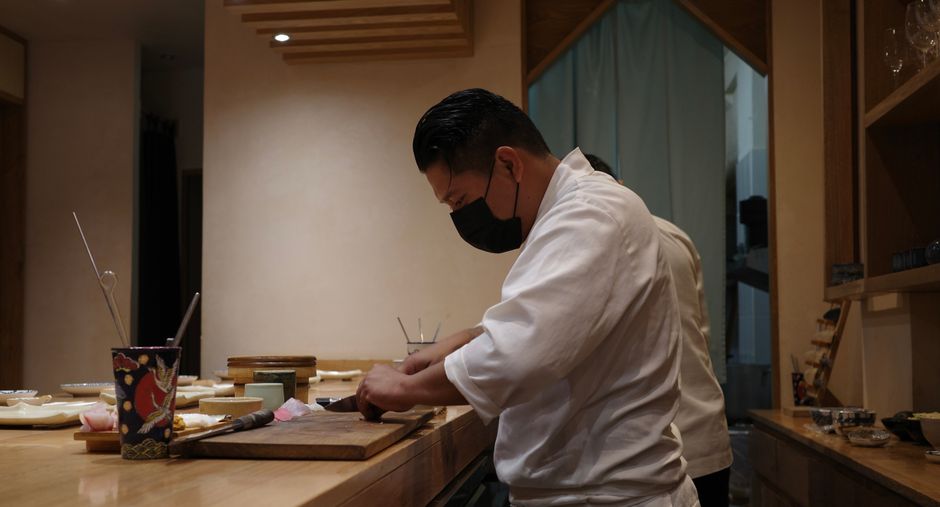
Mastering the Art of Knife Skills: From Julienne to Brunoise
In the culinary world, knife skills are not just a set of techniques; they are fundamental to creating delicious and visually appealing dishes. A chef’s knife can be an extension of their hand, translating the cook’s intent into a harmonious blend of flavors and textures. However, for many home cooks, the prospect of mastering various cutting techniques can seem daunting. Yet, being proficient with a knife elevates not only your cooking experience but also the efficiency and accuracy with which you handle ingredients. The truth is, once you grasp the essential cuts—such as julienne and brunoise—you'll transform your kitchen prowess significantly.
Many home cooks find that their challenges in the kitchen often stem from a lack of confidence in handling knives. This ambivalence often leads to uneven cuts, poorly cooked vegetables, and a general sense of frustration. A well-cut ingredient cooks more evenly, allowing flavors to meld beautifully. Furthermore, learning to wield a knife with confidence enhances your safety in the kitchen. Mastering basic knife techniques is akin to learning to ride a bike — once you get the hang of it, you’ll wonder why you ever found it challenging. In this guide, we will demystify essential knife skills, delving deeply into techniques ranging from basic chopping to intricate cuts.
You may be asking yourself, “How long will it take to improve my knife skills?” Like any craft, the answer lies in practice and patience. Dedicate time to practice daily, focussing on precision and consistency, and you’ll find that you become faster and more skilled. The following sections will explore essential knife cuts, equipment, and professional tips to guide you as you embark on your journey to mastering knife skills that will not only make cooking more enjoyable but also lead to phenomenal culinary creations.
Understanding the Importance of Knife Skills
Before diving into specific techniques, it’s crucial to understand why knife skills matter. Knife skills are not simply about aesthetic appeal; they can dramatically affect cooking times and flavor profiles. Uniform cuts ensure even cooking, which is vital for dishes where texture and flavor are key components. Imagine stirring a pot of ratatouille where the peppers, zucchini, and eggplant are all cut into equal sizes. The result would be tender vegetables that meld seamlessly, delivering a delightful dish. Conversely, uneven cuts would lead to a varied cooking time, resulting in a hodgepodge of overcooked and undercooked ingredients.
Moreover, precise knife skills can facilitate the cooking process. When vegetables and proteins are cut uniformly, they cook at the same rate. If you’re sautéing slices of bell pepper alongside chunks of onion, variations in size will mean one component might burn while another stays raw. Learning to chop, dice, and slice effectively means your commitment to the cooking process yields rewards in flavor and presentation.
One often overlooked aspect of knife skills is safety. An improperly held or clumsy knife can lead to accidents in the kitchen, potentially causing injury not just to yourself but also to bystanders. A confident and well-practiced grip promotes control and minimizes the chances of accidents, creating a safer cooking environment. So, prioritize understanding your knives and mastering your skills—it’s an investment in both your kitchen safety and your culinary success.
Essential Knives for the Home Cook
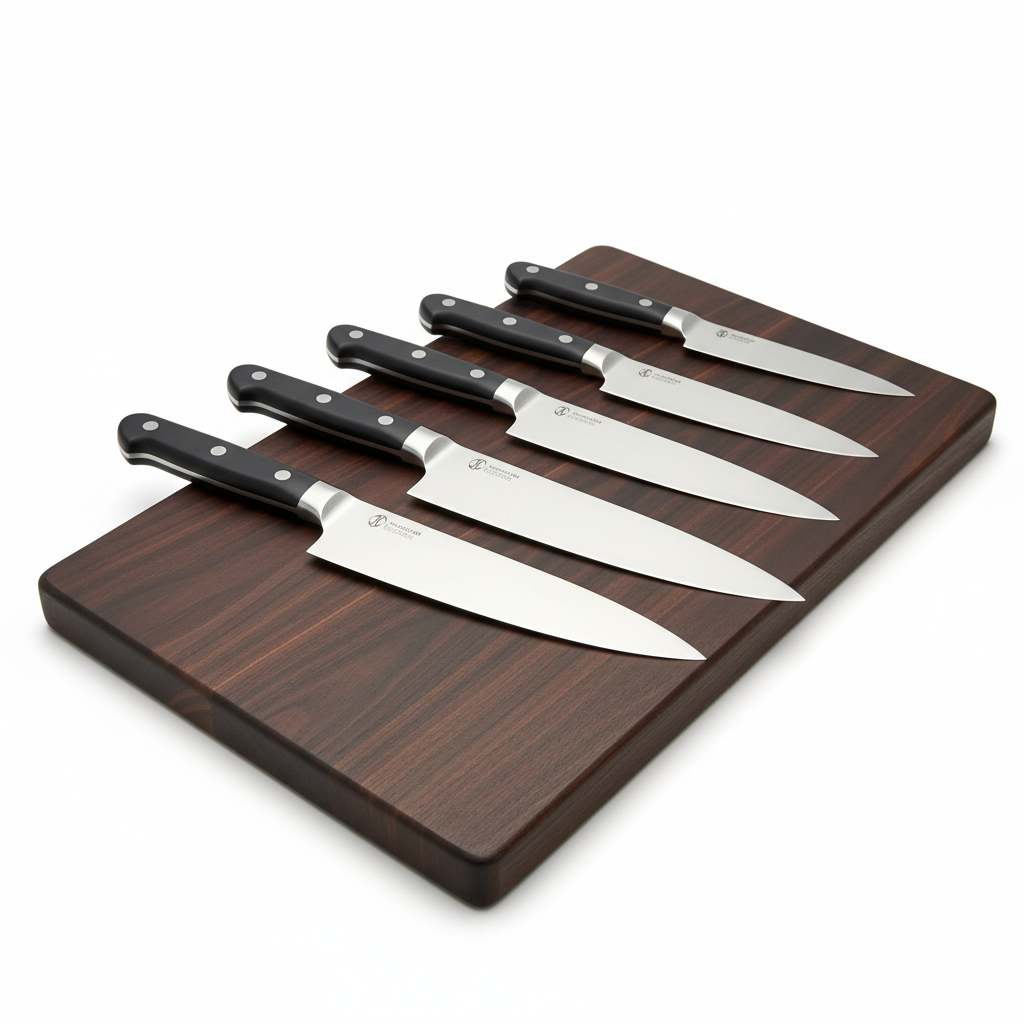
To master knife skills, it’s essential to start with the right tools. The type of knife you use can dramatically influence your performance in the kitchen. Here’s a breakdown of the key knives every home cook should have at their disposal:
The Chef's Knife
The most versatile knife in any kitchen, the chef’s knife is typically 6 to 12 inches long. It is ideal for chopping, dicing, and slicing a variety of ingredients—from vegetables to proteins. The weight distribution allows for ease of cutting, making it a go-to for most preparations.
The Paring Knife
The paring knife, usually about 3 to 4 inches long, excels in precision tasks such as peeling fruits and vegetables, deveining shrimp, or intricate cutting work. Its short blade allows for better control, making it perfect for detailed work.
The Serrated Knife
Ideal for cutting soft items like bread and tomatoes, the serrated knife has a saw-like edge that prevents squishing during the cut. This knife is a must-have for home bakers and anyone who enjoys fresh garden tomatoes or artisanal breads.
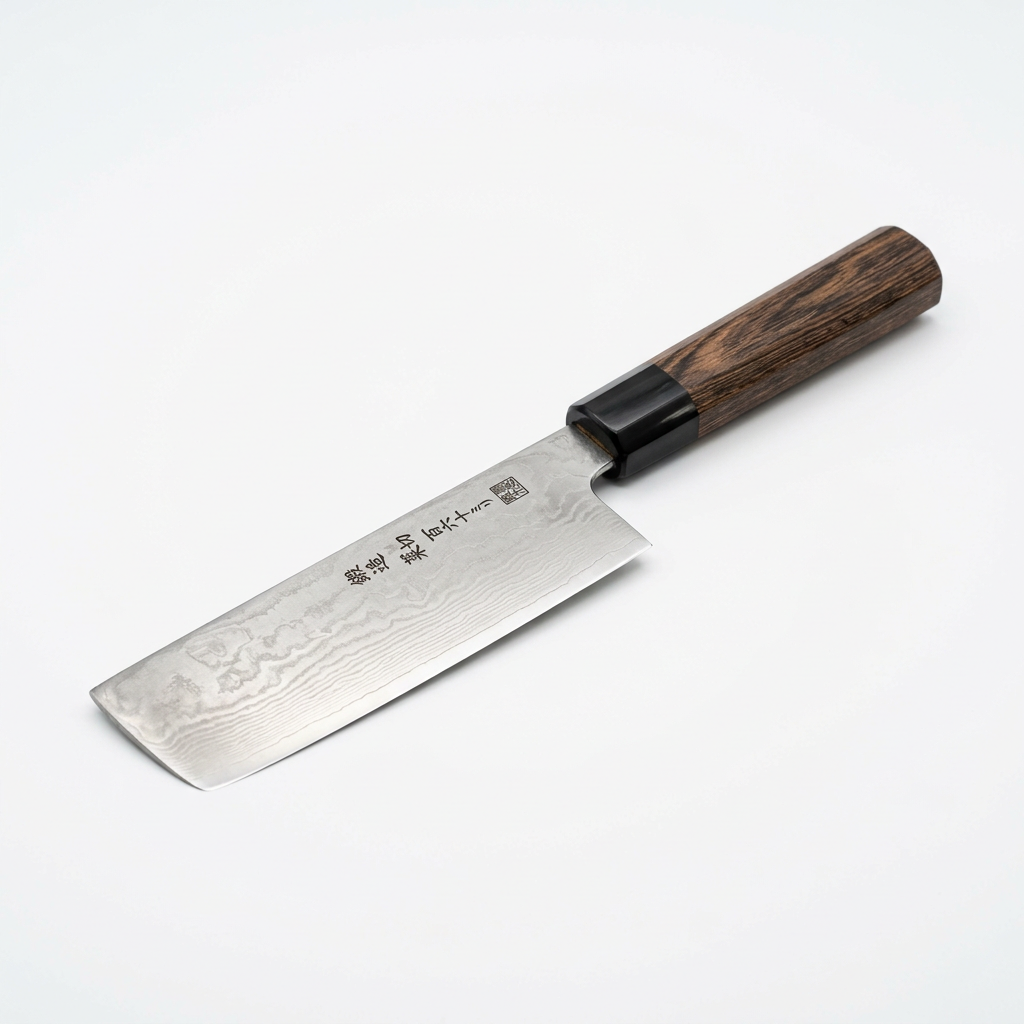
Specialty Knives
While the above-mentioned knives form the core of a knife collection, there are specialized knives worth considering for specific tasks:
Ensuring that your knives are high-quality will result in a better experience. Look for blades made of high-carbon stainless steel, which is durable and retains sharpness longer. Investing in a good sharpening tool is equally important; a dull knife is not only frustrating to use but can also be dangerous.
The Fundamentals of Knife Safety
Before embarking on your knife skills journey, you must grasp knife safety. Improper handling can lead to injuries that might sidetrack your culinary ambitions. Below are essential tips to ensure safety while using a knife:
Grip It Right
A proper grip on your knife is critical for both safety and control. Use a pinch grip, where you pinch the blade just above the handle while wrapping your remaining fingers around the handle. This grip provides better control compared to the traditional grip, where the entire hand grasps the handle.
Keep Your Focus
Distractions can lead to accidents in the kitchen. Always pay attention to your cutting surface and the food you’re working with. If you find that you’re often distracted, consider setting aside specific time blocks for cooking when you can focus solely on your culinary tasks.
Use a Cutting Board
Always use a stable, clean cutting board. Opt for a wooden or plastic cutting board rather than glass or stone, which can dull your knife's edge. A secure surface allows for safer cutting and reduces the likelihood of the board slipping during use.
Clean As You Go
Maintain a clear workspace. A cluttered countertop can lead to accidents. As you prep, clean up any excess ingredients, residues, or spills as you go to maintain a safe cooking environment.
Mastering Essential Cuts
Now that we’ve ensured you have the right tools and understand the importance of safety, let’s dive into mastering essential knife cuts. Each technique allows you to achieve a specific size and shape, contributing to the overall presentation and texture of your dishes.
The Dice
Dicing involves cutting food into small cubes, typically about ½ inch to 1 inch in size. This technique is fundamental in recipes where uniform pieces are essential for even cooking. Here's how to create an even dice:
“Precision training in dicing can transform your culinary preparation and enhance the final dish’s presentation.”
The Julienne
The julienne cut creates matchstick-sized pieces, typically about 1/8 inch by 1/8 inch in size. This technique is commonly used in Asian cuisines, particularly in stir-frying.
The Brunoise
The brunoise cut takes an item that has been julienned and reduces it to a fine dice, usually about 1/8 inch cubes. This cut adds an elegant touch to dishes like soups and salads.
Advanced Techniques for Aspiring Chefs
Once you’ve mastered the foundational techniques of dicing, julienne, and brunoise, you can expand your skill set with advanced cuts and styles. These techniques will allow your creativity to flourish in the kitchen, enabling you to venture into more complex culinary practices.
The Chiffonade
The chiffonade technique is primarily used for leafy greens or herbs. It involves stacking leaves and rolling them tightly before slicing into thin strips, creating a delicate ribbon-like effect perfect for garnishing salads or soups.
The Paysanne
A classic French technique, the paysanne cut involves thin, flat slices of vegetables, typically shaped into squares or triangles. This is commonly used in soups or as garnishes.
The Rolled Cut
The rolled cut is an impressive technique suited for potatoes and other vegetables. It involves creating a spiral cut that can be rolled for stunning presentation.
Caring for Your Knives
The care of your knives is just as critical as mastering your cutting skills. Proper maintenance includes cleaning, sharpening, and storing your tools correctly to ensure they last for years to come.
Cleaning
Always hand wash your knives with mild soap and water. Avoid putting them in the dishwasher, which can dull blades and damage handles. After washing, ensure knives are thoroughly dried before storage to prevent rusting.
Sharpening
A sharp knife is a safe knife. Regularly hone your knife on a sharpening steel before each use, and invest in a whetstone or professional sharpening service every few months. To sharpen using a whetstone:
Storing
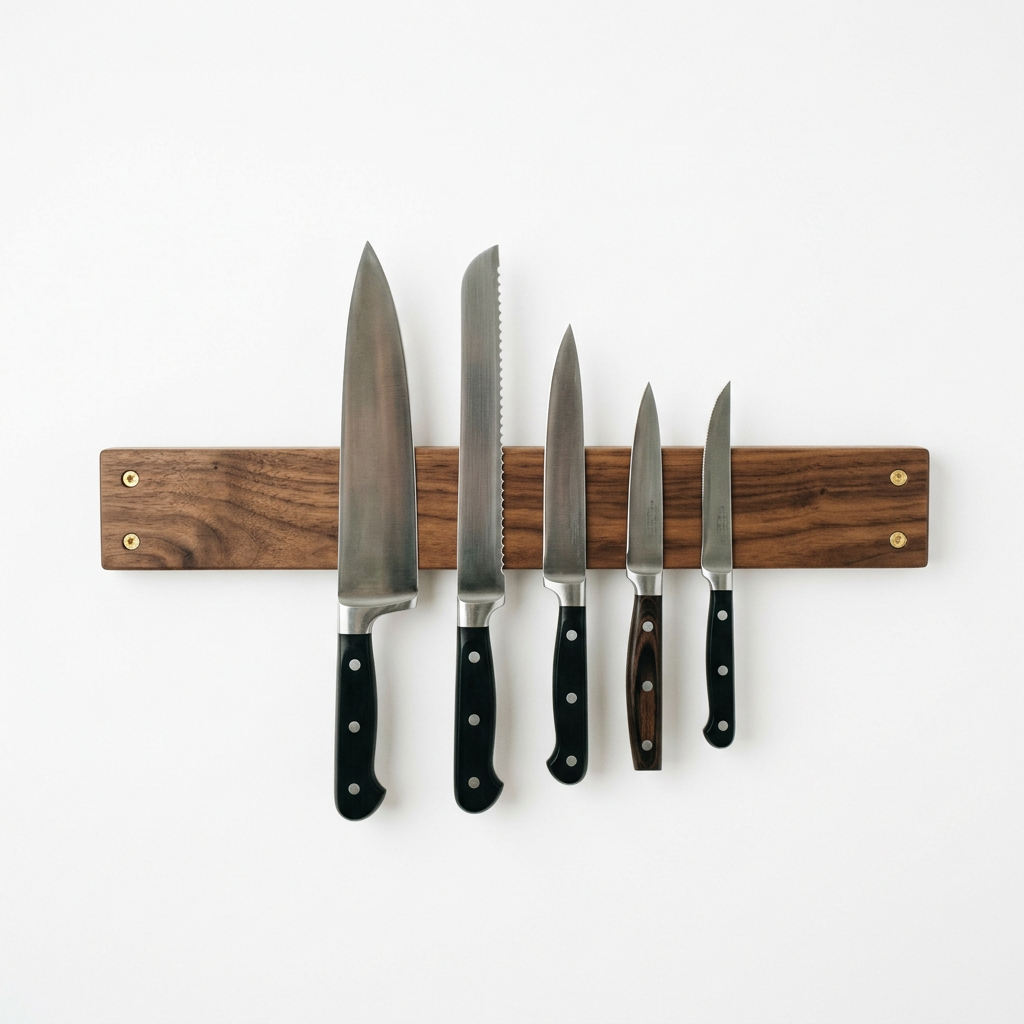
Invest in a knife block, magnetic strip, or protective sheaths to store your knives. Avoid tossing them into a drawer where they can dull quickly. Proper storage spaces keep blades safe and easily accessible.
Culinary Applications and Recipes
Let’s dig deeper into how these knife skills can be applied in real culinary scenarios, elevating the flavors and presentations of your dishes. Here are a few recipes that benefit from precise knife techniques:
Classic Ratatouille
The preparation of our featured classic ratatouille showcases how essential knife skills are:
#### Ingredients:
Elegant Stir-Fry
This quick and colorful dish highlights knife skills and is a beautiful example of using the julienne cut:
#### Ingredients:
Colorful Salad with Chiffonade Greens
Use the chiffonade technique to enhance your salads' appearance and texture:
#### Ingredients:
Conclusion
Mastering knife skills is a journey filled with practice, patience, and passion for food. As you learn how to wield a knife with confidence, these techniques will not only help improve your cooking efficiency but also enrich your overall culinary experience. From basic cuts like dicing and julienne to more complex forms like chiffonade and paysanne, each technique serves a purpose and will allow you to explore vast creative avenues in the kitchen.
Elevating your knife skills will transform not only your cooking but also the way you engage with ingredients. Your journey doesn’t end here; keep practicing, exploring, and experimenting in the kitchen. Like any great chef, mastery comes with time—so grab your chef’s knife and get cutting! Ultimately, as with every skill mastered in the culinary world, it is the joy of bringing flavors together that makes all the precise cuts worth it. Happy cooking!

Get the Next Recipe
Weekly recipes, techniques, and gear picks — straight to your inbox.
