
Mastering the Art of Knife Skills: Professional Techniques for Home Cooks
Mastering the art of knife skills can transform the experience of cooking in your own kitchen. Many home cooks perceive chefs slicing vegetables with incredible speed and precision as a type of magic, but the truth is that anyone can develop these techniques with a little practice and patience. This blog aims to demystify the essentials of knife skills, making them accessible to all levels of cooks. By understanding the right tools, practicing proper techniques, and implementing some professional tips, you can elevate your cooking game dramatically.
The kitchen knife is an extension of your hand, and learning to wield it effectively opens the door to a world of culinary possibilities. Without the ability to prepare ingredients swiftly and accurately, even the most intricate recipes can become burdensome tasks. From dicing onions and julienning carrots to chiffonading basil and honing your mincing technique, building your proficiency in knife skills will not only enhance your efficiency but also improve the overall presentation of your dishes. Whether you're preparing a simple weekday dinner or hosting a gathering, your newfound knife skills will undoubtedly impress guests and inspire confidence in your cooking.
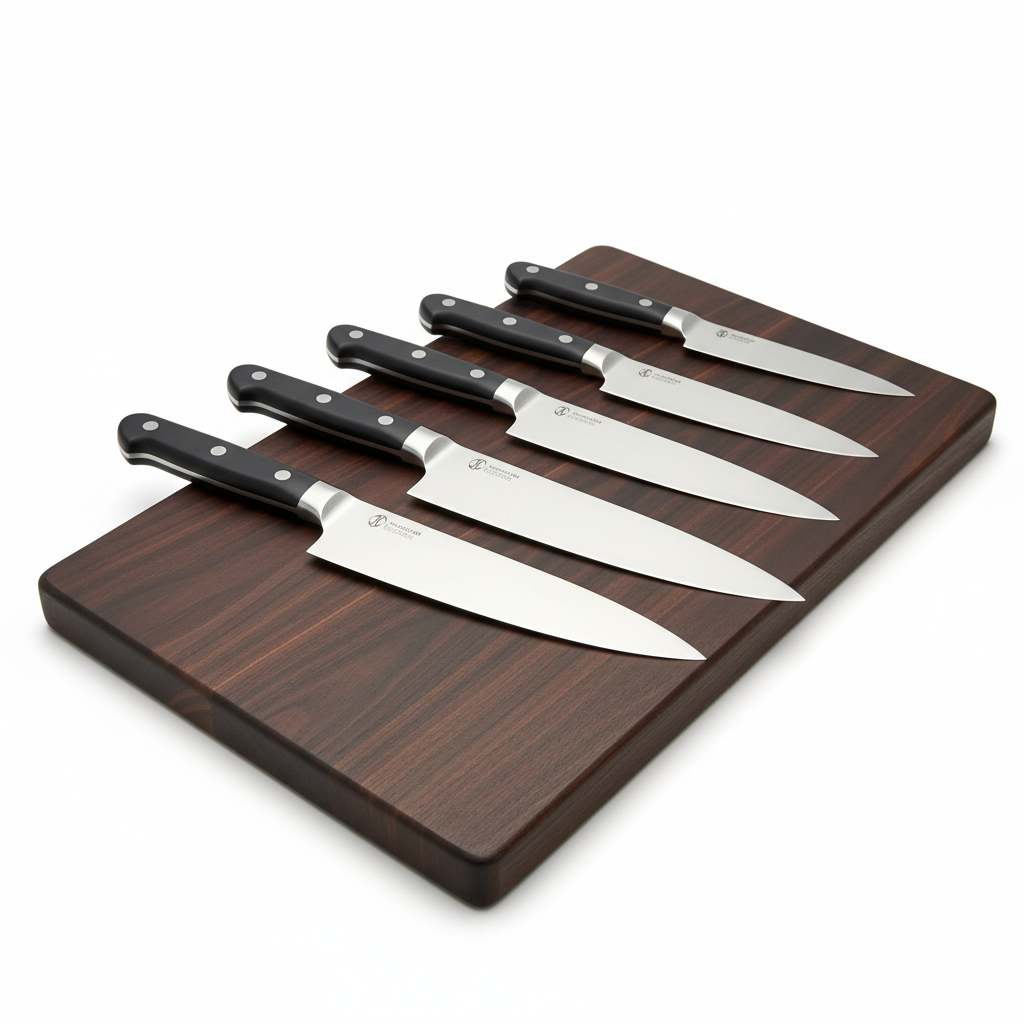
To get started, understanding the various types of knives and their purposes is fundamental. A well-equipped kitchen usually contains a few essential knives, including a chef's knife, paring knife, serrated knife, and utility knife. Selecting the right knife for specific tasks, along with mastering its proper maintenance, sets the foundation for building strong knife skills. In this comprehensive guide, you’ll learn professional techniques that will empower you to maneuver your knife like a seasoned chef, effectively transforming how you interact with the ingredients in your kitchen.
The Importance of Choosing the Right Knife
Types of Knives Every Cook Should Own
Before diving into the techniques, it's crucial to explore the different types of knives that will elevate your culinary creations. While there are many specialized knives, a few core types will cover most cooking tasks:
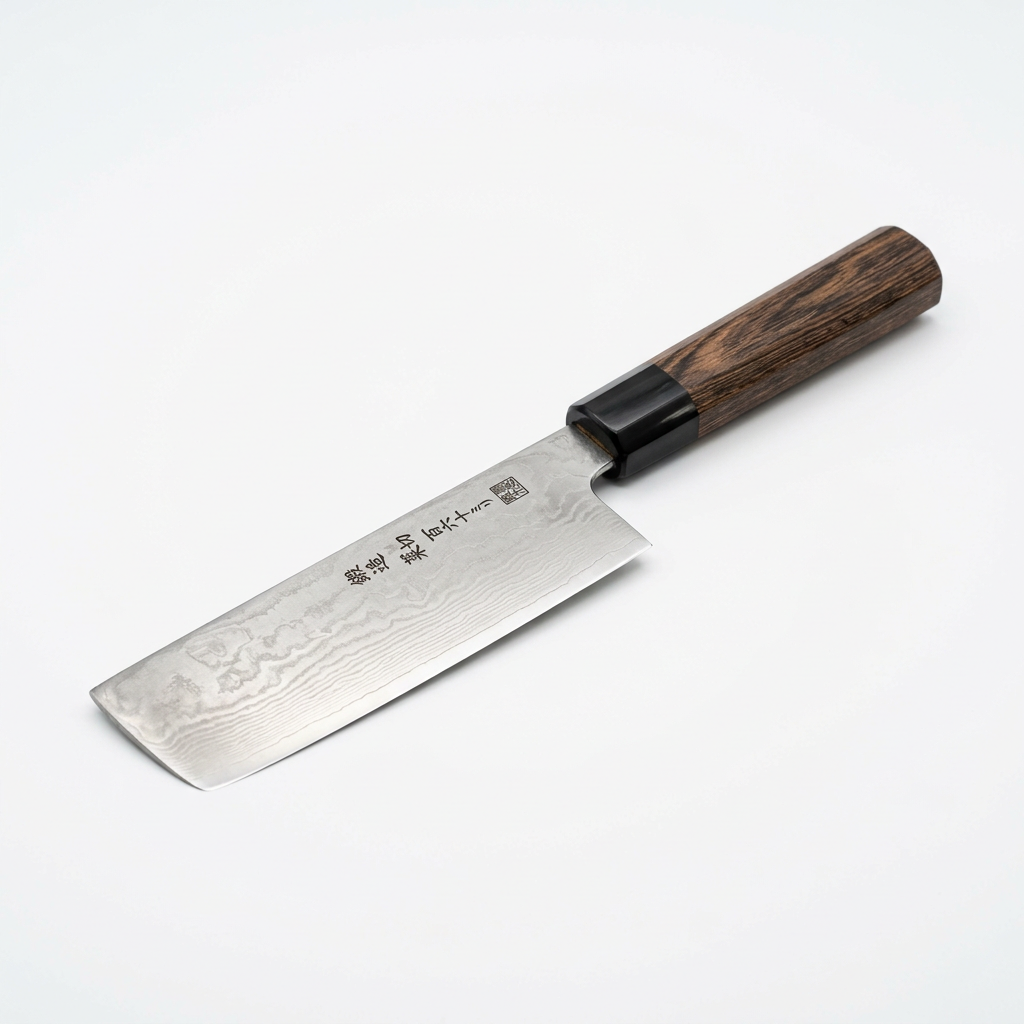
In addition to these, specialized knives such as filleting knives, cleavers, and boning knives enhance specific skills, but they are not essential for the average home cook. Invest in quality knives that fit comfortably in your hand, as a knife you can manage will naturally improve your cutting speed and accuracy.
Knife Materials and Care
The material of your knife plays an essential role in its performance. Common types include stainless steel, carbon steel, and ceramic, each with its pros and cons:
Proper care of your knives extends their lifespan and maintains their performance. Always hand wash your knives; even the best materials can become dull when put through a dishwasher. Regularly honing your knives keeps them sharp, and once a year or so, consider having them professionally sharpened.
"A sharp knife is a safe knife. Nothing is more dangerous than a dull blade that requires extra force."
Mastering Grip and Posture
The Perfect Knife Grip
Understanding how to grip a knife properly is fundamental for both control and efficiency. A secure grip allows you to cut with precision and reduces the risk of accidents. The most common grip is the pinch grip, where you pinch the blade of the knife between your thumb and the side of your index finger. Your remaining three fingers wrap around the handle, providing balance and control.
When attempting different cuts, ensure your thumb and forefinger remain close to the blade for better coordination. Here’s how to master the pinch grip:
Building the Right Posture
Posture is equally significant when wielding a knife. Stand with your feet shoulder-width apart for stability. Position your body so that your dominant foot is slightly behind the other, allowing for balance and fluid movement. Your elbows should remain slightly bent at your sides, and your non-knife hand should be used to guide the food, fingers curled inward to protect them while holding your ingredients. This technique, often referred to as the “claw grip,” helps minimize the risk of accidental cuts.
Your arms and shoulders should remain relaxed without unnecessary tension, ensuring a smooth cutting motion. By maintaining good posture, not only will you gain better control of the knife, but you’ll also reduce fatigue, especially during longer prep sessions.
Knife Skills Basics: The Cutting Techniques
Slicing, Dicing, and Mincing
The foundational cutting techniques—slicing, dicing, and mincing—will serve as your building blocks for mastering knife skills. Each technique has its unique applications and requires varying levels of precision.
#### Slicing
Slicing is a straightforward technique that involves cutting through the food item in a long, smooth motion. This is typically used for meats and vegetables.
Steps for Slicing:
#### Dicing
Dicing takes slicing further by creating uniform cubes. This technique is essential for even cooking and presentation in dishes like stir-fries or salads.
Steps for Dicing:
#### Mincing
Mincing produces finely chopped pieces and is often used for garlic, herbs, or onion. This technique allows for maximum flavor release.
Steps for Mincing:
"Precision in your cuts equates to uniform cooking and stunning presentation. It’s not just about speed, but about how your food will ultimately taste."
Specialty Cuts: Elevating Your Skills
Julienne and Batonnet
Two specialty cuts that impress and elevate the culinary presentation are julienne and batonnet. These techniques add flair to dishes and are excellent for stir-fried meals.
#### Julienne
Julienne creates thin strips, perfect for salads, snacks, or garnishes.
Steps for Julienne:
#### Batonnet
The batonnet cut produces thicker matchstick-shaped pieces, ideal for hearty dishes.
Steps for Batonnet:
Chiffonade and Brunoise
Chiffonade is particularly useful for leafy greens and herbs, while brunoise is a precise technique that creates tiny, uniform cubes, often for aromatics.
#### Chiffonade
Perfect for herbs like basil, chiffonade adds elegance to any dish.
Steps for Chiffonade:
#### Brunoise
Brunoise involves dicing vegetables into tiny cubes, adding a culinary finesse to dishes.
Steps for Brunoise:
Knife Skills in Practice: Explore Your Creativity
Preparing a Classic Mirepoix
A classic mirepoix is a fundamental mix of diced onions, carrots, and celery, serving as a base for countless recipes. Mastering the knife skills for a mirepoix is a great way to practice your chopping techniques.
Ratio for Mirepoix:
Steps to Prepare:
By keeping the sizes uniform, the mixture cooks evenly, allowing the flavors to meld beautifully in soups, stews, or sauces.
Preparing a Salad
Creating a fresh salad is not only a healthful choice but also an opportunity to showcase your knife skills. Whether you're slicing tomatoes, dicing cucumbers, or chiffonading basil, each movement helps refine your technique.
Steps for a Simple Salad:
Advanced Techniques for the Home Cook
Understanding Knife Cuts through Culinary Applications
Each knife cut has unique applications that elevate dish preparation. For instance, understanding when to use a julienne versus a chiffonade can make a difference in how flavors integrate.
Incorporating Flavors through Knife Techniques
Knife skills go beyond just creating uniform pieces; they also improve flavor extraction. Mincing garlic, for instance, maximizes its surface area, releasing more potent flavors, while larger pieces may not yield the same intensity.
Professional Tip: Always let chopped garlic sit for a few minutes post-mincing to enhance its flavor. This resting time allows the allicin to develop fully, creating a richer taste in your dishes.
Food Safety Tips
Knife Safety Essentials
With great knife skills, however, comes the responsibility of practicing food safety. Here are essential tips to consider:
Proper Hygiene when Handling Ingredients
Maintaining hygiene is crucial when working in the kitchen to prevent cross-contamination.
Conclusion
Mastering knife skills significantly enhances both the efficiency and pleasure of cooking. Understanding the types of knives available, honing your grip and posture, and practicing foundational cuts will empower you to create beautifully prepared dishes in your kitchen. From the humble mirepoix to exquisite garnishing techniques, every skill learned is a step into more advanced culinary artistry.
Remember, developing these techniques takes practice and patience. Start slowly, focusing on maintaining consistent cuts and mastering each technique before moving on. Celebrate your progress, however small, as each cut brings you closer to culinary mastery.
Your knife skills will become a source of confidence, allowing you to explore flavors, present your dishes beautifully, and enjoy a more satisfying cooking experience. So grab your knife, head to the kitchen, and remember to savor every slice! Your culinary journey awaits!
(Word Count: 2,045)

Get the Next Recipe
Weekly recipes, techniques, and gear picks — straight to your inbox.
