
Mastering the Art of Perfect Pasta: From Flour to Fork
Pasta is more than a dish; it’s a canvas on which we can express our culinary creativity. At its essence, pasta is deceptively simple—just flour, water, salt, and occasionally eggs. Yet, the mastery of making perfect pasta from scratch requires practice, patience, and a sprinkle of passion. Time-honored traditions speak volumes, and the ability to combine ingredients skillfully can elevate your cooking to new heights. As we dive into the art of pasta-making, you will discover that this pursuit is a deep, rewarding journey into the heart of Italian cuisine.
Many home cooks shy away from crafting pasta, intimidated by the reputation it garners as a complex dish that is best left to trained chefs. This apprehension often stems from misconceptions about the techniques involved. However, once you break down the process into manageable steps and understand the science behind the ingredients, you will be well on your way to mastering this culinary art. The thrill of twirling a strand of freshly made tagliatelle or the comforting texture of gnocchi will redefine your love affair with this timeless staple.
Crafting your own pasta enables you to control every aspect from the quality of the flour to the choice of sauce that will pair harmoniously with your creation. The journey from flour to fork is not just about feeding the body; it is about creating joyful experiences around the dining table. With the right techniques and a sprinkle of enthusiasm, you'll find that the art of perfect pasta is not just achievable—it is immensely gratifying.
The Science of Pasta: Ingredients Matter
Understanding Pasta Flour
Choosing the right flour is crucial in pasta-making. The two most common types are all-purpose flour and semolina flour. All-purpose flour has a moderate protein content, around 10-12%, which makes it versatile for various dishes, while semolina flour, made from durum wheat, has a higher protein content, around 14%, resulting in a firmer texture. If you want al dente pasta, semolina is often the favored choice.
Here's a quick comparison:
- Great for beginners
- Produces softer pasta
- Preferred for sturdiness
- Higher gluten content, leading to a firmer bite
For a richer flavor and more texture, consider blending flours. Using a 50-50 mix of semolina and all-purpose flour can yield fantastic results, making a perfect balance of tenderness and strength.
Modern Additions: Eggs and Flavorings
Fresh pasta often includes eggs, which enrich the dough and contribute to its elasticity. A typical ratio for egg-based pasta is about 1 egg for every 100 grams of flour. When mixing, it's simple—make a well in the flour, crack in the egg, and slowly incorporate it using a fork or your fingers. This technique allows you to evenly distribute the egg without getting too messy.
Additionally, for an adventurous twist, you can infuse your pasta with flavors like puréed spinach, beetroot, or even squid ink for unique color and taste:
Salt and Water: The Unsung Heroes
You may be surprised to learn that the addition of salt is not just for taste; it ensures the structural integrity of the pasta. About 1-2% of the dough weight should be salt, which strengthens the gluten structure and enhances flavor.
When it comes to water, it is important to use it in moderation so you don’t end up with a sticky or overly wet dough. For every 100 grams of flour, use about 30-40 grams of water.
---
"Perfect pasta is a balance of simplicity and precision. The quality of your ingredients can make all the difference."
---
The Technique of Dough Making
Mixing and Kneading
The process of mixing dough for pasta can be a therapeutic experience. Start by placing your chosen flour onto a clean surface or in a bowl, forming a volcano-like well in the center. Crack your eggs (if using) into the well and season with a pinch of salt. Using a fork, gradually mix the flour into the egg. Be patient, as rushing this step can lead to an uneven mix.
Kneading follows mixing. Transfer your dough to a clean surface and knead it for about 10 minutes until it's smooth and elastic. The dough should spring back when poked, a sign that gluten has developed properly:
This process allows air to get trapped in the dough, enhancing its texture.
Resting the Dough
Resting the dough is a critical step often overlooked. Wrap it in plastic wrap and let it sit at room temperature for at least 30 minutes. This rest period allows the gluten to relax, making it easier to roll out.
A common chef secret? If you can, let it rest for a few hours or even overnight in the refrigerator. This improves the texture and flavor of your pasta considerably.
Rolling Out the Dough
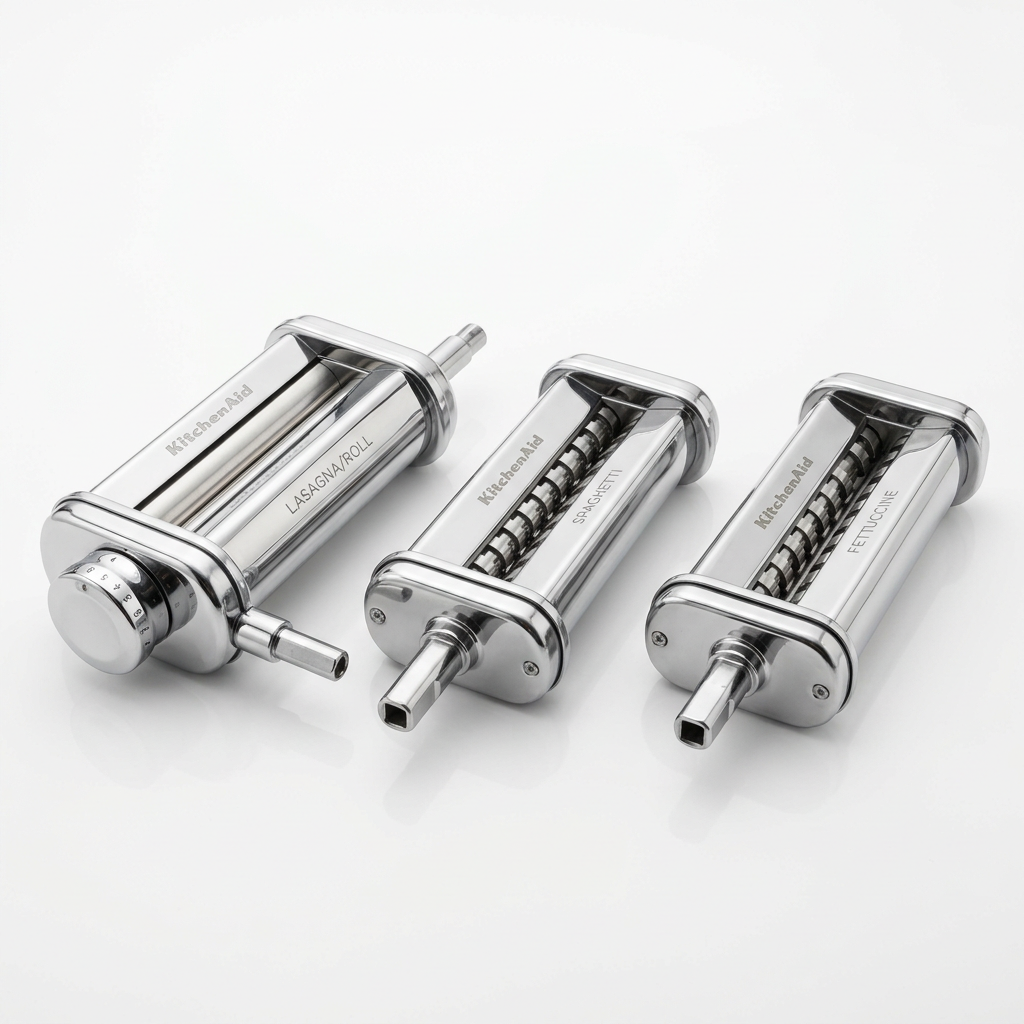
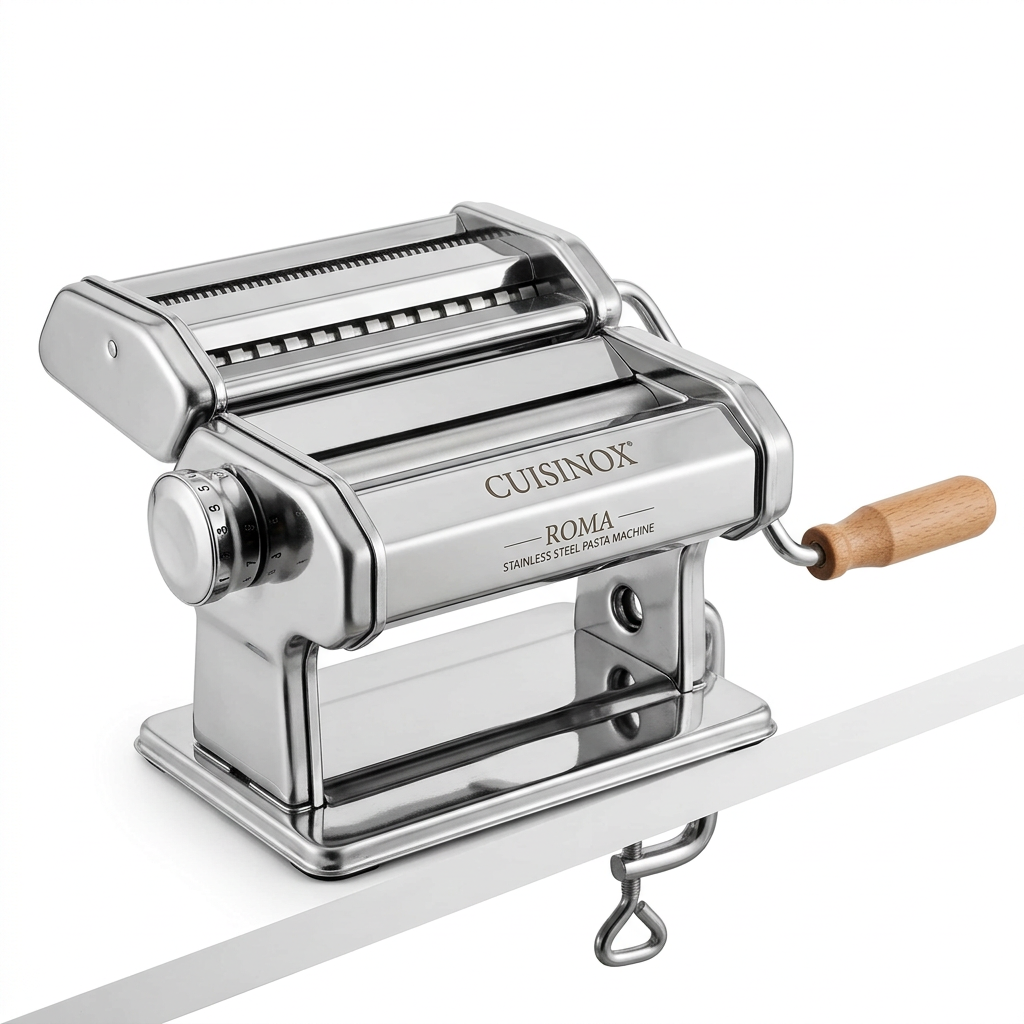
Once rested, you’re ready to roll out the dough. Divide it into manageable portions to avoid overwhelming yourself with the entire batch. Using a pasta machine can streamline this process, but a rolling pin will also do just fine.
The consistency should be thin enough to see your fingers through it. For fresh pasta, less is often more; thicker pappardelle or tagliatelle works beautifully for heartier sauces, while thinner sheets are perfect for ravioli and delicate sauces.
---
"The magic happens when the dough transforms under your hands. Each roll brings you closer to the perfect pasta."
---
Cutting and Shaping: From Sheets to Shapes
Classic Shapes
When it comes to cutting pasta, the sky’s the limit! Some classic shapes include:
For these shapes, after rolling out your dough, use a sharp knife or a pizza cutter to slice into your desired width. For fettuccine or tagliatelle, aim for about ¼ inch.
Filled Pastas
If you fancy a filled pasta like ravioli or tortellini, the process requires a little more finesse. Roll out sheets of dough and cut them into 3-inch squares.
An important tip is to ensure the filling isn’t too wet; excess moisture can lead to soggy pasta.
Dried vs. Fresh Pasta
While fresh pasta cooks faster and offers a delightful texture, dried pasta has its advantages, too. Store-bought varieties are convenient and have a longer shelf life. Keep in mind that they require a longer cooking time (usually 8-12 minutes) compared to fresh pasta (which cooks in 2-4 minutes).
Cooking Pasta to Perfection
When cooking pasta, follow these essential steps:
---
"Cooking is as much about timing as it is about technique. Know your pasta, and you’ll conquer your sauce."
---
Sauces: Elevating Your Pasta Game
Classic Sauces You Must Know
Choosing the right sauce can elevate your pasta from good to unforgettable. Here are foundational Italian sauces to master:
Each sauce has its own method, but fresh ingredients are a non-negotiable.
Pairing Pasta and Sauce
When it comes to pairing pasta and sauce, consider the shape and thickness of your pasta. Here are a few rules of thumb:
Finishing Touches
Once your pasta is cooked and your sauce is prepared, it’s time to bring them together:
Don’t forget to taste! Adjust seasonings as necessary, even adding more salt or a squeeze of lemon juice for brightness.
---
"A well-made sauce acts as a loving embrace for your pasta. Together, they create memories at the table."
---
The World of Pasta Variants: Exploring Global Pasta
Regional Varieties
While Italy is the birthplace of pasta, various countries have adopted and modified it to create their own unique versions:
Creative Sauces Around the Globe
Just as pasta varies, so too do the sauces that accompany it. Think outside the traditional tomato or cream bases. International flavors can transform your pasta dish:
These global adaptations not only enhance varietal flavors but also engage your kitchen creativity.
Pasta in a Modern Context
Today, the food culture continues to evolve as chefs and home cooks innovate traditional pasta techniques, often incorporating various dietary requirements. Gluten-free pasta made from lentils, chickpeas, or rice is becoming increasingly popular, allowing more people to enjoy this beloved food.
For those who are health-conscious, options like spiralized vegetables can create lighter alternatives, lending the same satisfaction found in traditional pasta without the carbs.
Conclusion
Mastering the art of pasta is not just about technique; it’s about embracing a timeless tradition that has evolved through generations. Each step, from selecting the right flour to cutting and pairing with sauces, is an opportunity to enhance your culinary skillset. It is a pathway to creativity where flavors abound and ideas flourish, and in the kitchen, your passion can turn every simple ingredient into a celebration of life.
Whether you are preparing a comforting bowl of spaghetti and meatballs or experimenting with exotic flavors, remember that practice is key. Don’t be afraid to make mistakes—they can sometimes yield the most delightful surprises. So, roll up your sleeves, gather your ingredients, and immerse yourself in the satisfying world of pasta-making. Your culinary adventure awaits, and it's sure to bring gatherings, laughter, and beautiful meals to your table.
These pages, saturated with creativity and tradition, can lead any home chef to realize that the art of pasta is not just in the final dish but in the joy of the journey. Now, it’s time to take the first step from flour to fork in your own kitchen today. Enjoy the transformation that awaits!
Get the Next Recipe
Weekly recipes, techniques, and gear picks — straight to your inbox.
