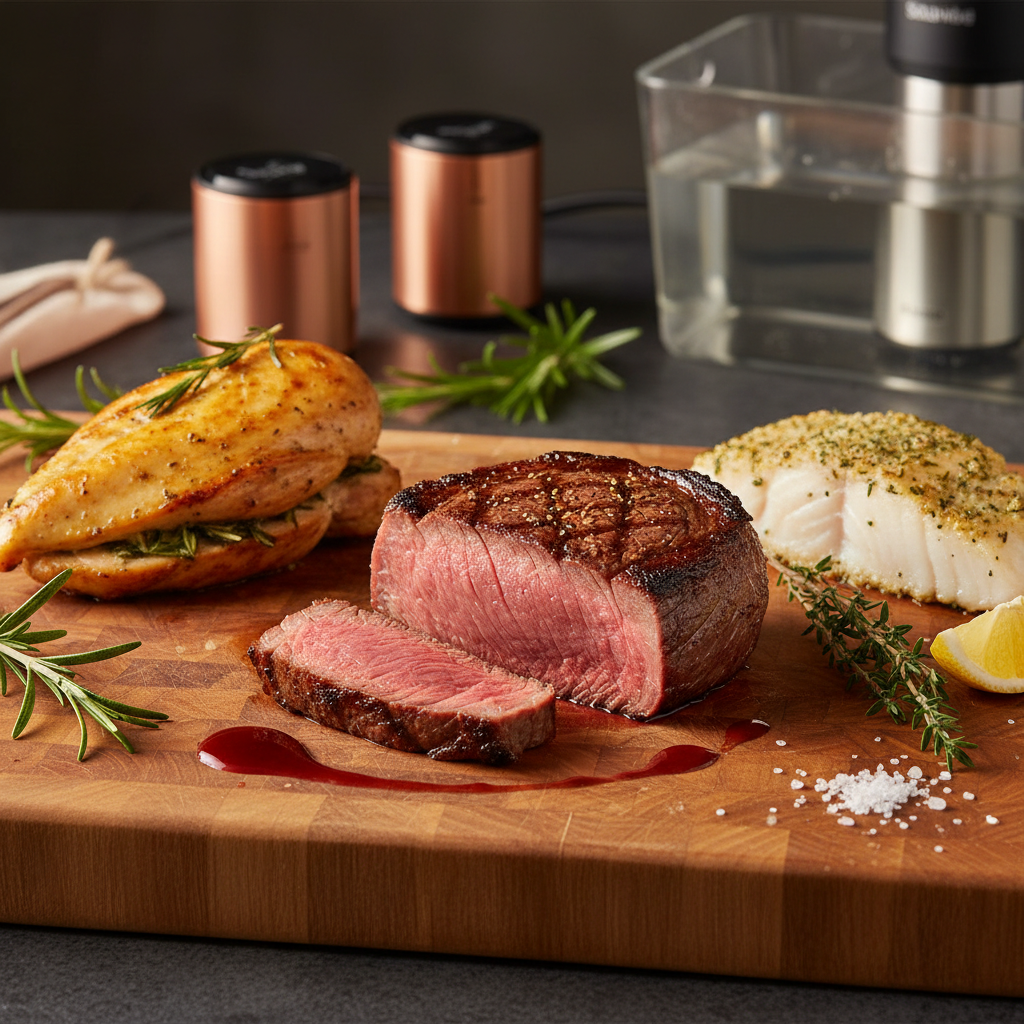
Mastering the Art of Sous Vide: Unlocking Perfectly Cooked Proteins with Precision Techniques
Sous vide cooking has gained tremendous popularity in recent years, and for good reason. This technique allows home cooks and professional chefs alike to achieve perfectly cooked proteins with minimal effort. By immersing food in a temperature-controlled water bath for extended periods, sous vide creates consistent results that eliminate the guesswork associated with traditional cooking methods. Whether you're preparing a tender steak, succulent chicken breast, or delicate fish fillet, sous vide can elevate your culinary repertoire to new heights.
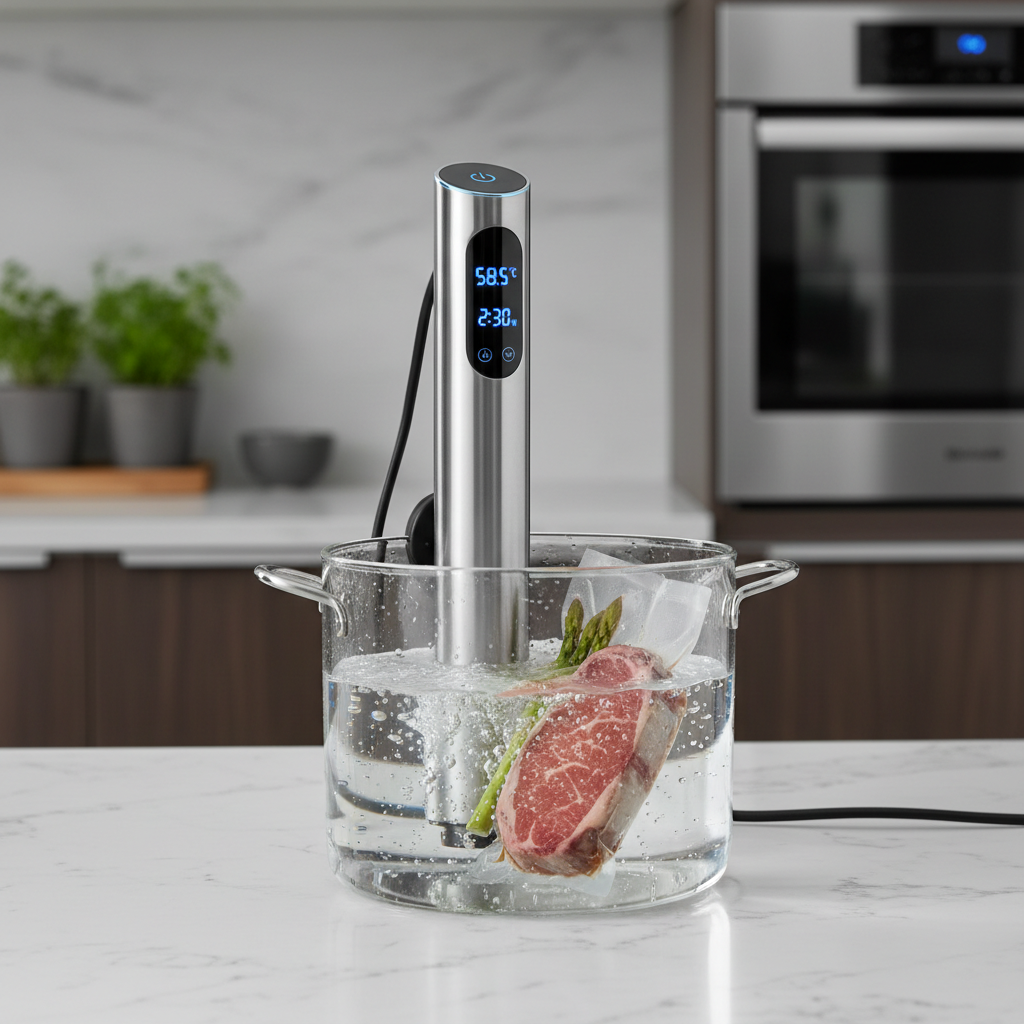
At its core, sous vide consists of three essential components: a precision cooker, vacuum-sealed bags, and an understanding of cooking times and temperatures. The precision cooker, often referred to as a circulator, is responsible for heating the water to the exact temperature you desire. This allows you to cook your food evenly and retain its natural moisture, resulting in flavors and textures you've only dreamed of achieving. Vacuum sealing ensures that the food remains in contact with the hot water and that no oxygen, which can lead to spoilage or off-flavors, interferes with the cooking process.
While sous vide might initially seem complex, once you grasp the basic principles and techniques, it's incredibly easy to master. In this blog post, we will explore the ins and outs of sous vide cooking, from the fundamental concepts to advanced tips and tricks. You will learn how to choose the right equipment, master temperature and timing considerations, and discover the science behind how sous vide cooking affects flavor and texture. With these skills, you will be equipped to prepare classic dishes as well as experiment with innovative culinary creations.
Understanding Sous Vide Cooking
Sous vide, which translates to "under vacuum" in French, was developed in the mid-20th century and has since evolved into a popular method embraced by culinary professionals and home cooks. The premise of sous vide cooking is simple but profound: by cooking food at a precisely controlled temperature for extended periods, you can enhance the quality of the final dish. This method is particularly advantageous for proteins, which can easily become dry or overcooked when prepared using conventional techniques.
The Science Behind Sous Vide
Understanding the science of sous vide is crucial to mastering the technique. The magic of sous vide lies in its ability to cook food evenly while retaining moisture. Traditional cooking methods often expose proteins to high temperatures, causing them to lose moisture and texture. In contrast, sous vide uses low temperatures, typically between 130°F to 165°F (54°C to 74°C), to break down connective tissues and fats without compromising the juiciness of the meat.
Key scientific principles include:
Benefits of Sous Vide Cooking
The benefits of incorporating sous vide into your cooking repertoire are numerous:
By embracing sous vide cooking, you can transform the way you prepare meals, making the experience more enjoyable and less stressful.
Equipment Essentials for Sous Vide
To get started with sous vide cooking, you'll need a few essential pieces of equipment. While there are several gadgets available on the market, focusing on quality and functionality is key to achieving excellent results.
Precision Cooker
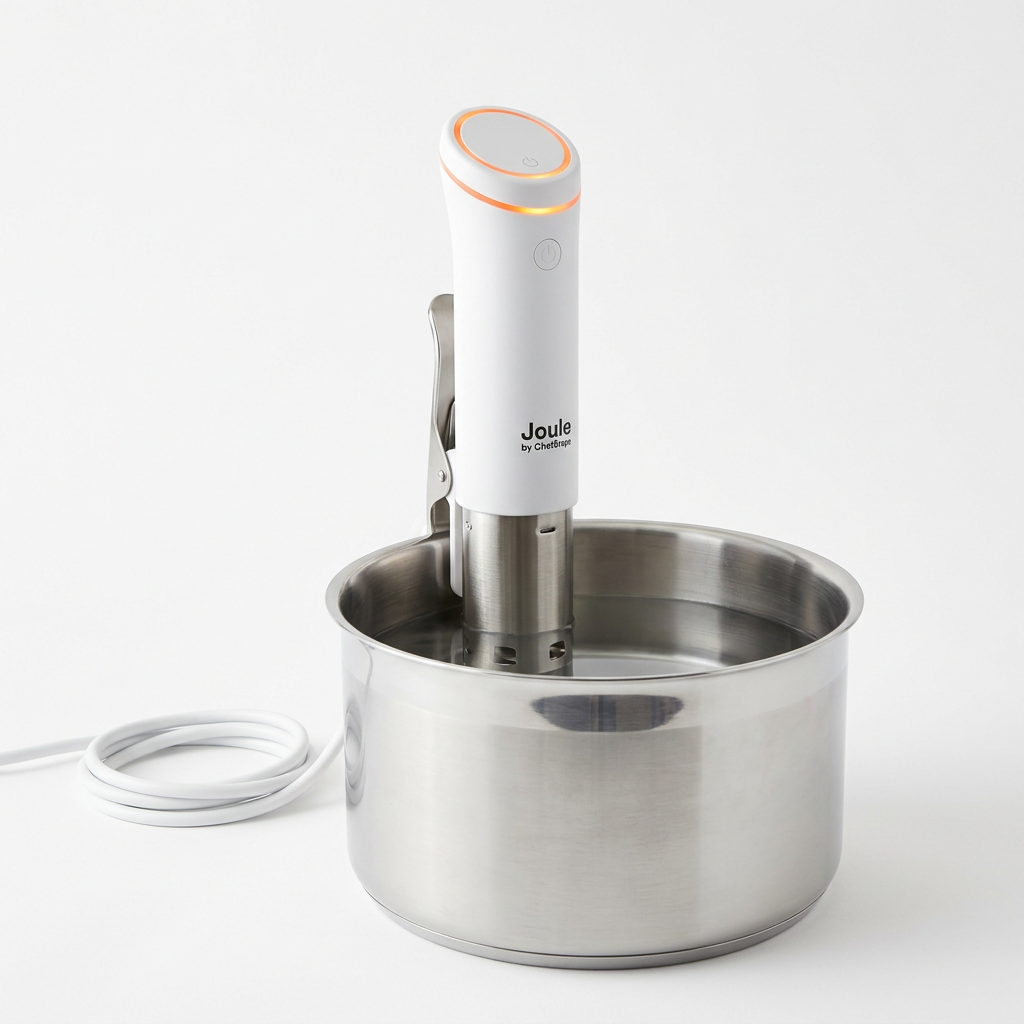
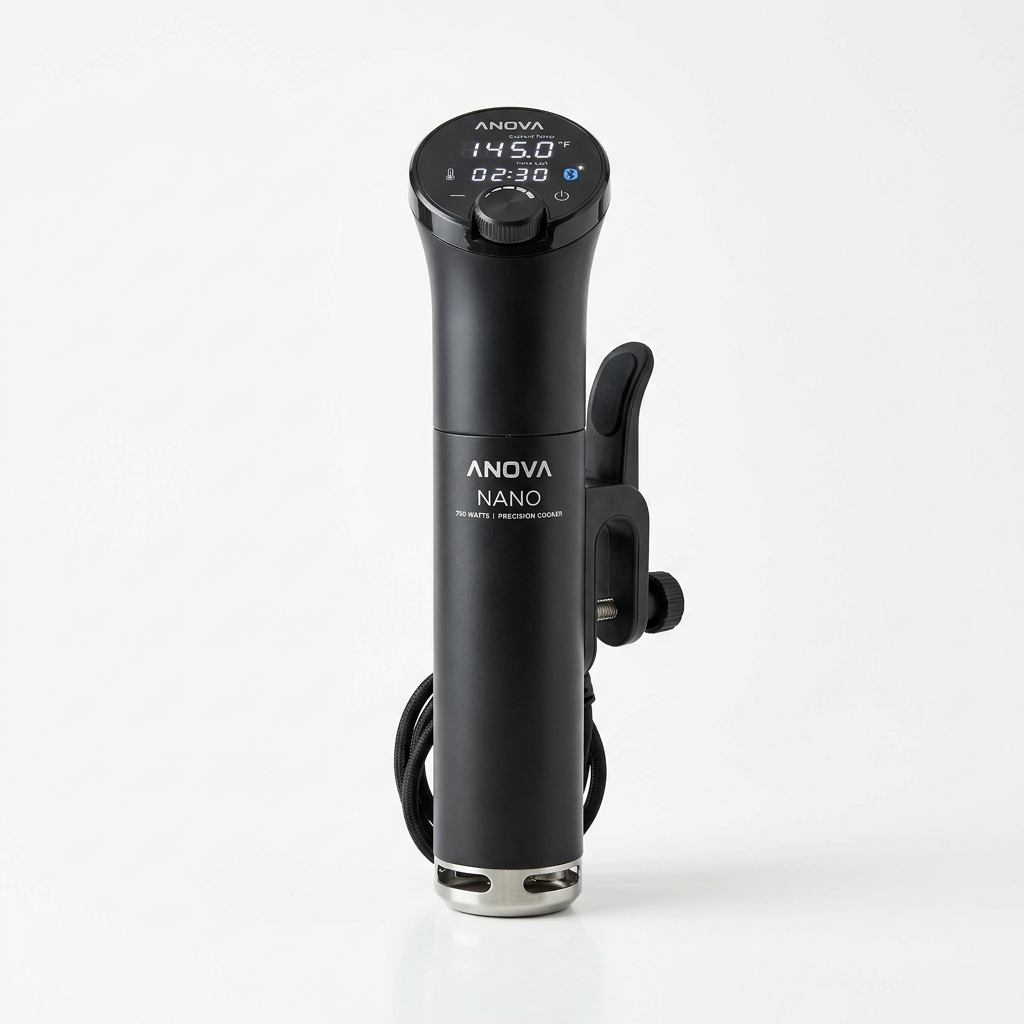
The heart of sous vide cooking is the precision cooker or immersion circulator. This device is responsible for heating the water to your desired temperature and maintaining that temperature throughout the cooking period. When choosing a precision cooker, consider the following features:
Vacuum Sealer
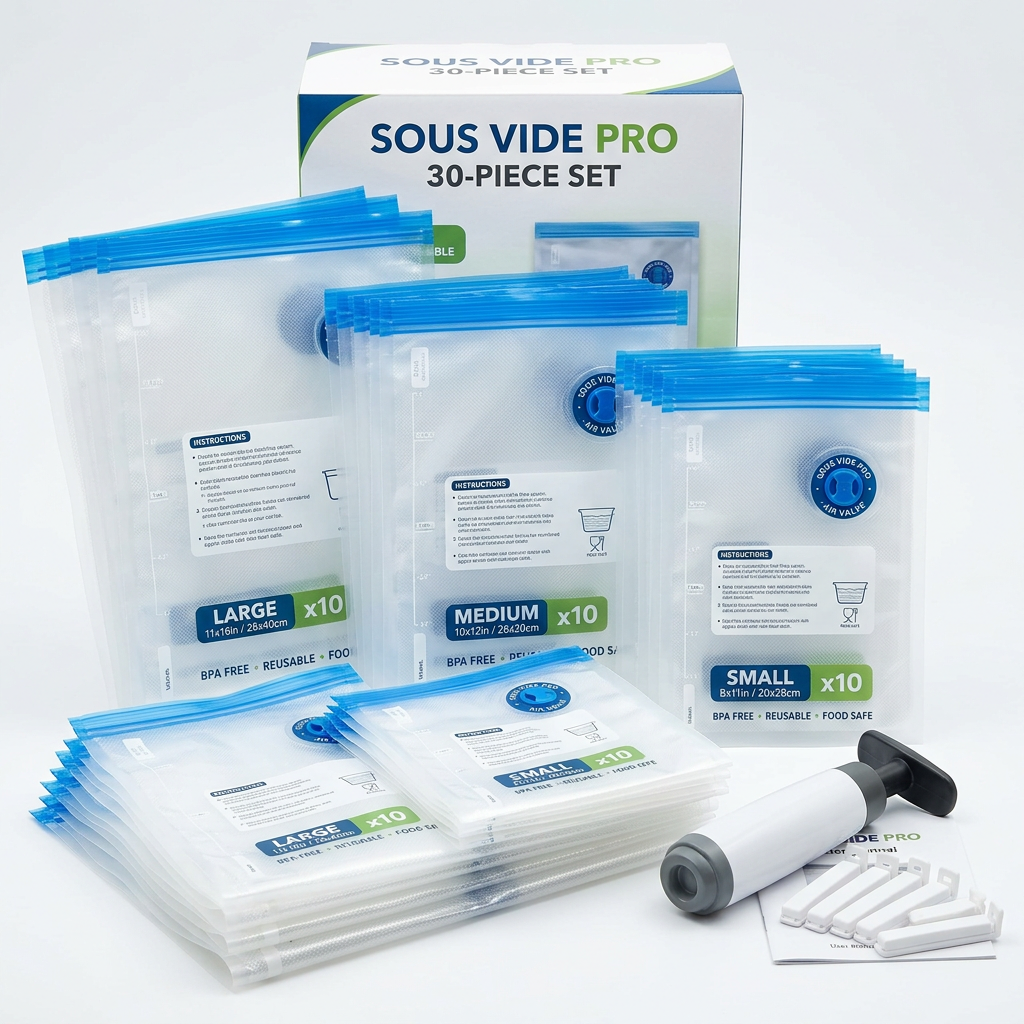
A vacuum sealer is a must-have for sous vide cooking. It removes air from bags before cooking, ensuring even heat distribution and preventing oxidation. There are two main types of vacuum sealers:
Polyethylene and Silicone Bags
Although vacuum sealers are preferred, you can also use heavy-duty zip-top bags for sous vide cooking. When opting for bags, consider the following:
In summary, investing in a good precision cooker and vacuum sealer, along with high-quality bags, will set you on the path to successful sous vide cooking.
Mastering Temperatures and Timings
Understanding the ideal temperatures and cooking times for various types of proteins is crucial for achieving the perfect sous vide results. Different meats require different approaches, and knowing these guidelines will elevate your cooking abilities.
Beef
Beef is one of the most popular proteins for sous vide cooking. Here are some standard sous vide temperatures for beef cuts:
Chef Tip: For tougher cuts like brisket or chuck roast, cooking for an extended time (up to 48 hours) at 165°F (74°C) allows collagen to break down, resulting in tender, flavorful meat.
Poultry
Cooking poultry sous vide holds the advantage of ensuring that the meat stays juicy while eliminating the risk of undercooking. Common poultry sous vide temperatures include:
Seafood
Seafood benefits greatly from sous vide due to its delicate nature. Recommended sous vide temperatures for seafood include:
Key Note: Cooking seafood just below its final desired temperature ensures it remains tender and flaky, avoiding the rubbery texture often found with overcooking.
Vegetables
Sous vide isn’t just for proteins; it can transform vegetables too. Here are some recommended temperatures for a variety of vegetables:
Pull Quote:
“The key to success in sous vide cooking is mastering the timing and temperature for each protein, ensuring consistent and delectable results every time.”
Preparing Food for Sous Vide Cooking
While sous vide cooking is straightforward, proper preparation is essential to achieving delicious results. From seasoning to sealing, each step plays a crucial role in flavor and texture.
Seasoning
Seasoning your food prior to cooking is essential as flavors intensify during the sous vide process. Here are some best practices:
Vacuum Sealing Techniques
Vacuum sealing is a crucial step in preparing your food for sous vide. Failure to effectively seal the bag can lead to uneven cooking or water damage. Here are tips to ensure a proper seal:
Cooking Process
Once your food is seasoned and sealed, it’s time to cook. Follow these steps for a successful sous vide experience:
Chef Tip: Searing post-sous vide enhances texture and adds color, creating a visually appealing dish.
Advanced Sous Vide Techniques
Once you’ve mastered the basics of sous vide cooking, it’s time to explore advanced techniques that can take your culinary creations to the next level. Here are some methods and tips to inspire your next sous vide adventure.
Infusing Flavors
Sous vide is excellent for infusing flavors into your proteins, marinades, and even oils. Here's how:
Sous Vide Curing
Sous vide offers an innovative approach to curing meats and fish. Consider making your bacon or gravlax with the sous vide method:
Sous Vide Desserts
Don’t limit yourself to proteins and vegetables; sous vide can also elevate your dessert game. Consider these ideas:
Pull Quote:
“Sous vide isn’t limited to dinner; unleash your creativity and explore the world of desserts and infused flavors to impress your guests!”
Final Thoughts
Sous vide cooking is a game-changer in the culinary world, offering home cooks the opportunity to achieve restaurant-quality results from the comfort of their kitchens. By mastering the art of sous vide, you'll be able to create perfectly cooked proteins, vegetables, and even desserts with ease. The technique's precision and flexibility can elevate your cooking experience, turning meal preparation into a delightful adventure.
With the knowledge of precise cooking temperatures, essential equipment, and advanced techniques at your fingertips, you are now ready to embark on your sous vide journey. Remember: the heart of sous vide lies in patience, practice, and passion for flavors. As you gain comfort with this cooking method, don't hesitate to experiment and adapt recipes to your taste preferences. Happy cooking, and may your sous vide experience bring you joy and delicious meals!
Get the Next Recipe
Weekly recipes, techniques, and gear picks — straight to your inbox.
