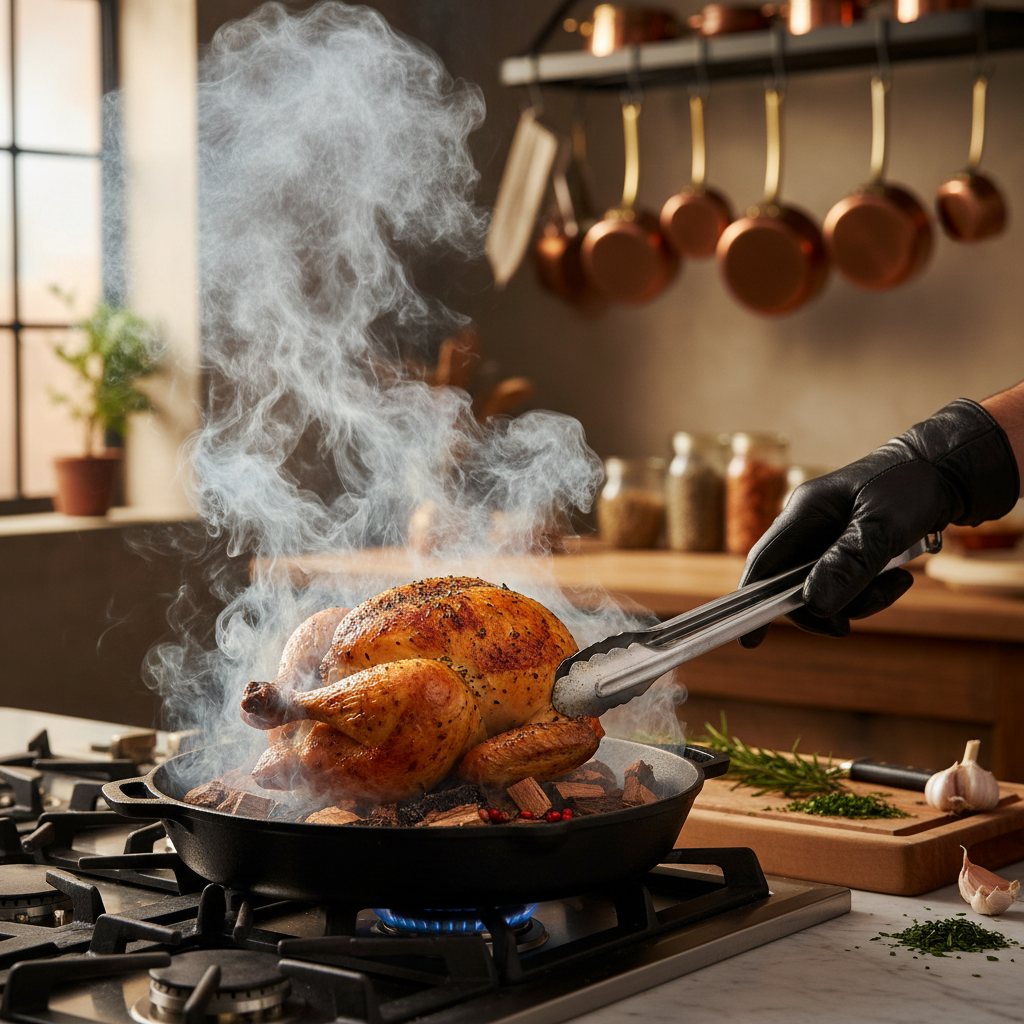
Mastering the Art of Stovetop Smoking: Techniques for Flavorful and Smoky Dishes at Home
Stovetop smoking might seem like a technique reserved for high-end restaurants or outdoor enthusiasts, but it’s an art that can easily be mastered in the comfort of your own kitchen. This cooking method offers a unique way to infuse your meals with delicious, smoky flavors that tantalize the taste buds. Not only does stovetop smoking enhance the taste of various ingredients, but it also provides a sense of satisfaction that comes from cooking with technique and creativity. With a few basic tools and the right recipes, you can transform everyday dishes into something extraordinary.
As you embark on this culinary journey, it's essential to understand the different types of wood chips and their flavor profiles. Each variety can bring a distinctive taste to your dishes, making the choice of wood crucial to your success. For instance, hickory offers a robust flavor that pairs beautifully with meats, while applewood lends a subtle sweetness perfect for fruits and fish. Understanding these nuances will empower you to experiment and find the right match for your ingredients, elevating your cooking to new heights.
Moreover, the process of stovetop smoking is not just about flavor; it’s also about technique. Timing, temperature control, and equipment are key components of a successful stovetop smoking experience. Whether you’re using a dedicated stovetop smoker, a regular pot with a lid, or even a cast-iron skillet, mastering this method requires a delicate balance of all these elements. As we dive into the details of stovetop smoking, prepare to unlock a world of flavor that you never thought possible within the confines of your kitchen.
Understanding Stovetop Smoking
Before diving into the actual process of stovetop smoking, it is crucial to have a solid foundation in how this technique works. Stovetop smoking utilizes indirect heat to cook food while simultaneously infusing it with smoke from burning wood chips. This method is highly effective because it allows you to achieve complex flavors in a shorter time compared to traditional smoking methods.
The Science Behind Smoking
When wood chips are heated, they begin to break down and release aromatic compounds in the form of smoke. This smoke envelops the food, creating a rich, layered flavor profile. The heat from the stove cooks the food while the smoke seeps into its pores. The combination of heat and smoke ensures that food is not only flavorful but also tender, especially when it comes to meats.
- Heat source: Stovetop smoking relies on direct heat, which can be achieved using a burner.
- Smoke infusion: The type of wood chips and their moisture content affect the smoke flavor and the cooking process.
Choosing Your Equipment
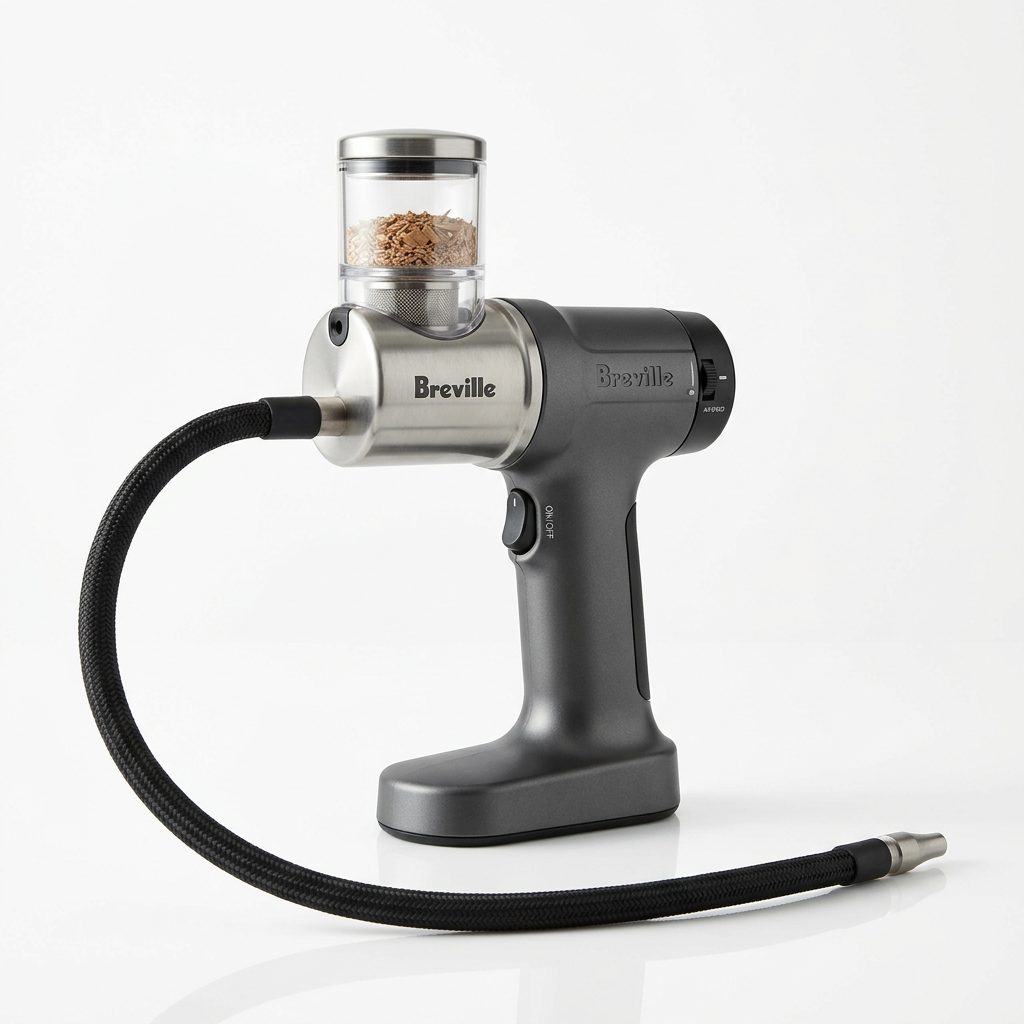
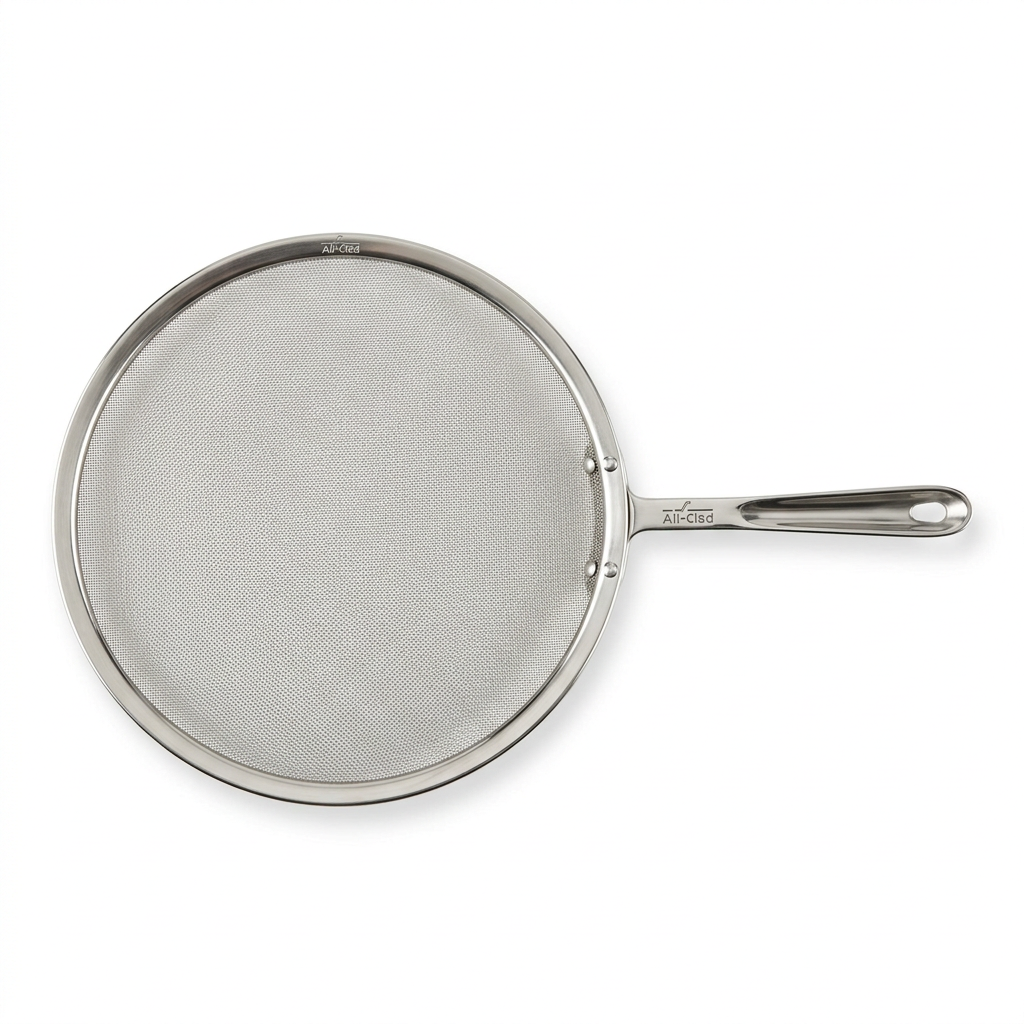
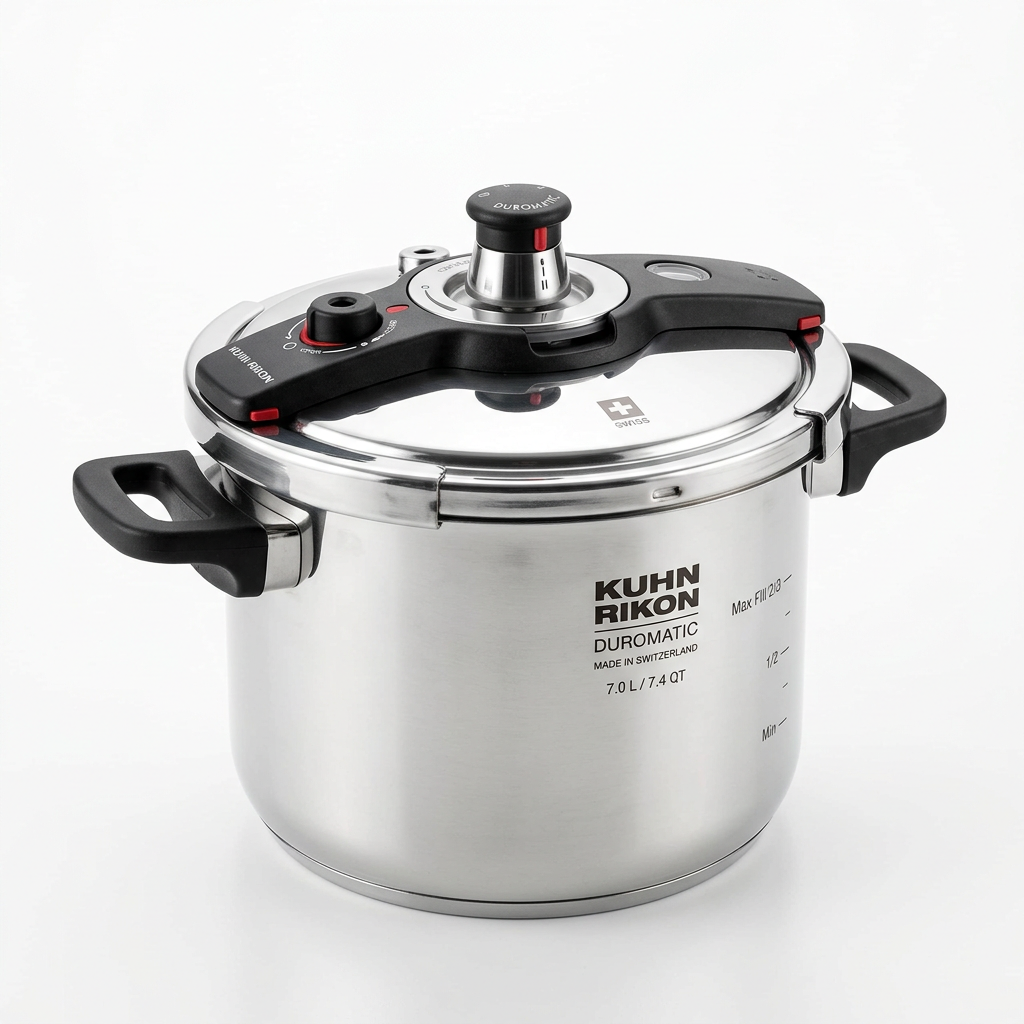
Stovetop smoking can be accomplished with various equipment. Here are a few options:
Regardless of your equipment choice, make sure you have a tight-fitting lid or cover to keep the smoke where it belongs — around your food.
Selecting Wood Chips
Choosing the right wood chips is essential for creating a unique flavor profile for your dishes. The type of wood you select will significantly influence the overall taste of your final product. This section will delve into the various types of wood and their smoke profiles, allowing you to make informed decisions for your stovetop creations.
Common Types of Wood Chips
Pairing Wood with Food
Combining the right wood with the appropriate food item can elevate your dishes. Consider the following pairs:
Make a note of your findings in a cooking journal, and don’t hesitate to experiment. Each time you try a new wood with a dish, you’ll not only enhance your skills but also discover your preferred flavor combinations.
Preparing Your Ingredients
The success of your stovetop smoking heavily relies on how you prepare your food. Proper marination, brining, or seasoning can enhance the final dish, making it smoky and flavorful.
Marinating and Brining
Seasoning and Prepping
The Smoking Process
Now that you have equipped yourself with the necessary tools, wood choices, and ingredient preparations, it's finally time to ignite your stovetop smoker and let the magic happen.
Step-by-Step Smoking Guide
Here’s a guideline you can follow to create flavorful, smoky dishes:
- For delicate items like fish, smoke them for 10-15 minutes.
- Meats such as chicken should be smoked for 20-30 minutes but be sure to check the internal temperature (165°F for chicken, 145°F for pork).
Managing Temperature and Timing
Temperature control is vital throughout the smoking process. Keeping the stove on high for too long can lead to burnt flavors, while too low a temperature might leave your food undercooked. Use an instant-read thermometer to check the internal temperatures of meat, and keep a close eye on timing based on the size and type of food you’re smoking.
Enhancing with Sauces and Glazes
Once your food is beautifully smoked, consider giving it the final touch with a delicious sauce or glaze. These additional layers of flavor can complement the smokiness and add an unexpected twist.
Types of Sauces
Applying Sauces
Apply your sauces towards the last few minutes of the cooking process to ensure they're not burned off or overly caramelized. For most sauces:
Experimenting with Flavors
Feel free to combine flavors! A spicy chipotle glaze on smoked chicken can elevate your dish to new heights. The key is to balance flavors; if you go bold with your glaze, consider keeping the smoked item seasoned lightly.
Pairing and Serving Suggestions
After all the hard work you’ve put into mastering stovetop smoking, it’s time to consider how to serve your creations. Bringing all elements together elevates the dining experience.
Side Dishes
Pair your smoked meats with sides that enhance their smoky flavor:
Wine Pairings
Hand-picking a wine that complements the smokiness of your dish can enhance the entire meal experience. Here are a few pairings:
Plating Techniques
Troubleshooting Common Issues
Even seasoned cooks can encounter challenges when stovetop smoking. Here, we tackle common roadblocks and solutions to help ensure your smoking experience is smooth.
1. Too Much Smoke
If your dish becomes overly smoky, it may be due to a couple of factors:
2. Under-cooked Protein
While smoking, if the inside of your meat looks undercooked, consider:
3. Lack of Flavor
If your smoked dish lacks depth:
Conclusion
In mastering stovetop smoking, you've opened the door to an array of delicious, smoky creations that can delight your family and friends. The essential techniques provided in this guide, along with the meticulous selection of wood, careful preparation of ingredients, and precise execution of smoking time and temperature, will enhance your culinary repertoire.
Don't shy away from experimenting with flavors, sauces, and sides, because the beauty of cooking lies in personal expression and creativity. Each time you smoke a dish, you'll become more adept and confident, ultimately discovering a unique style that reflects your palate and preferences. So, gear up, get your wood chips ready, and prepare to astonish everyone at your next meal with the incredible flavors of stovetop smoking.
Continue your culinary journey with each smoky bite, knowing you have harnessed a powerful technique that makes ordinary meals extraordinary. Happy smoking!
Get the Next Recipe
Weekly recipes, techniques, and gear picks — straight to your inbox.
