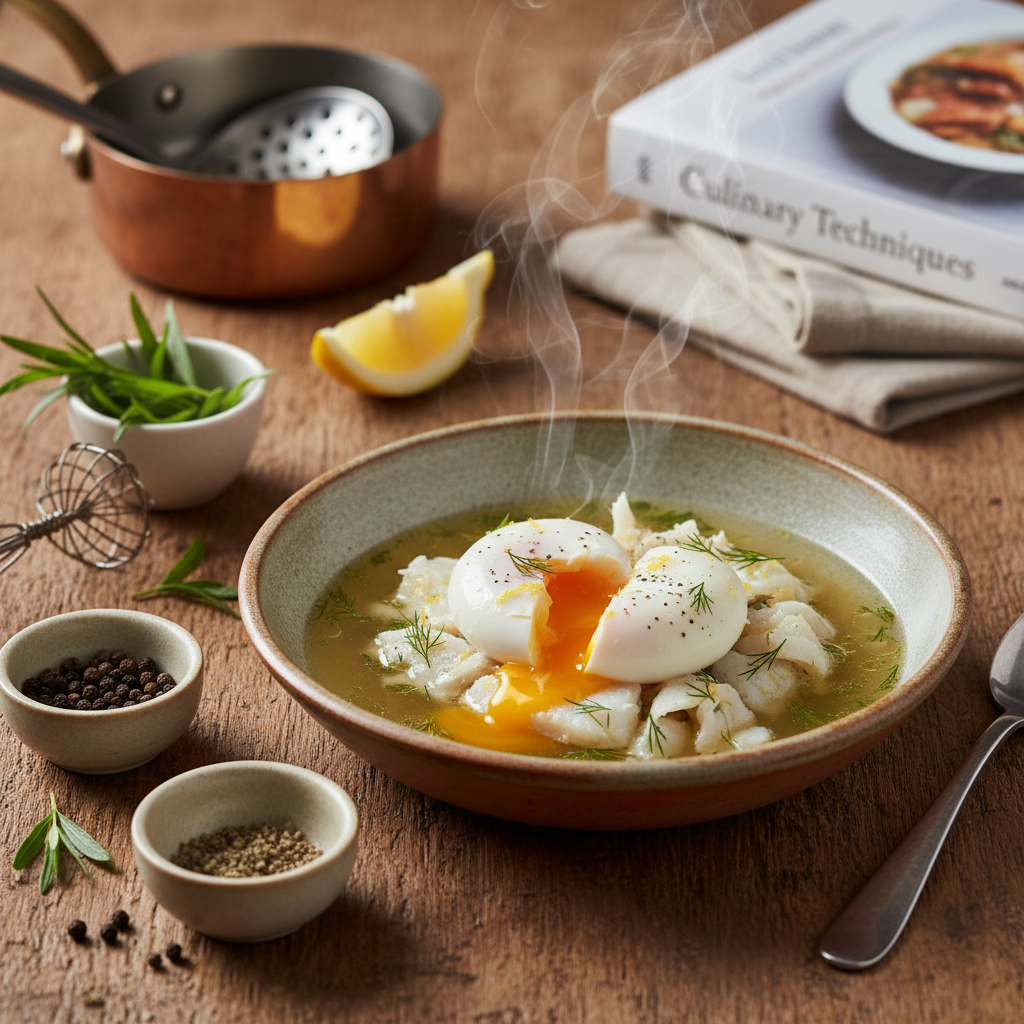
Mastering the Craft of Poaching: Techniques for Perfectly Cooked Eggs and Fish Every Time
The art of poaching often eludes the home cook, shrouded in the misconception that it demands a level of skill only found in professional kitchens. However, mastering this delicate technique is not only achievable but also crucial for those looking to elevate their culinary repertoire. Poaching is a gentle cooking method that involves submerging food in a simmering liquid, allowing for the infusion of flavors while retaining the integrity and tenderness of the primary ingredient. Whether it’s a perfectly poached egg to crown your breakfast or succulent fish fillets to serve at dinner, the results can be both rewarding and delicious when done correctly.
One of the most appealing aspects of poaching is its versatility. This technique can be applied to a variety of ingredients, from proteins like eggs and fish to fruits and even carbohydrates such as grains. Poaching presents an opportunity to infuse flavors in a way that demonstrates the cook's care and attention to detail. It possesses the unique capability of transforming simple ingredients into gourmet dishes, which can be a source of confidence for any home cook looking to impress family or guests. Understanding the nuances of temperature, timing, and the chemistry of poaching liquid can lead to consistently remarkable results.
As we delve into the world of poaching, we will explore various techniques, the science behind this cooking method, and practical tips that will help you become a master of poaching. By the end of this guide, you’ll be armed with the knowledge and skills needed to tackle poaching projects with success, ensuring that every dish is a testament to your culinary growth. Let’s embark on this flavorful journey together and elevate your cooking game one poached dish at a time.
Understanding Poaching: The Science Behind the Technique
To effectively master the art of poaching, it’s essential to grasp the underlying science of the technique. At its core, poaching is all about controlling heat. Unlike boiling, where food is subjected to rapid, tumultuous agitation, poaching uses gentle heat to cook food in liquid at a temperature typically between 160°F to 180°F (71°C to 82°C). This low-temperature cooking method helps to maintain the structural integrity of delicate proteins, preventing them from becoming tough or rubbery.
The Role of Poaching Liquid
The choice of poaching liquid is pivotal in defining the flavor of your dish. While water is the most commonly used poaching liquid, the possibilities extend far beyond. Here are some alternatives that can enhance your dish:
“The poaching liquid is your blank canvas; how you choose to paint it will determine the flavor palette of your dish.”
Poaching Temperature: Precision is Key
Temperature control is crucial in poaching; too hot, and you risk overcooking or toughening the protein; too cool, and the food may not cook properly. Here’s a simple way to ensure you hit the right temperature:
Maintaining this temperature can require fine-tuning your stovetop settings, often requiring a bit of practice. A heavy-bottomed pan or a Dutch oven can help distribute heat evenly, reducing the risks of hot spots.
Perfect Egg Poaching Techniques
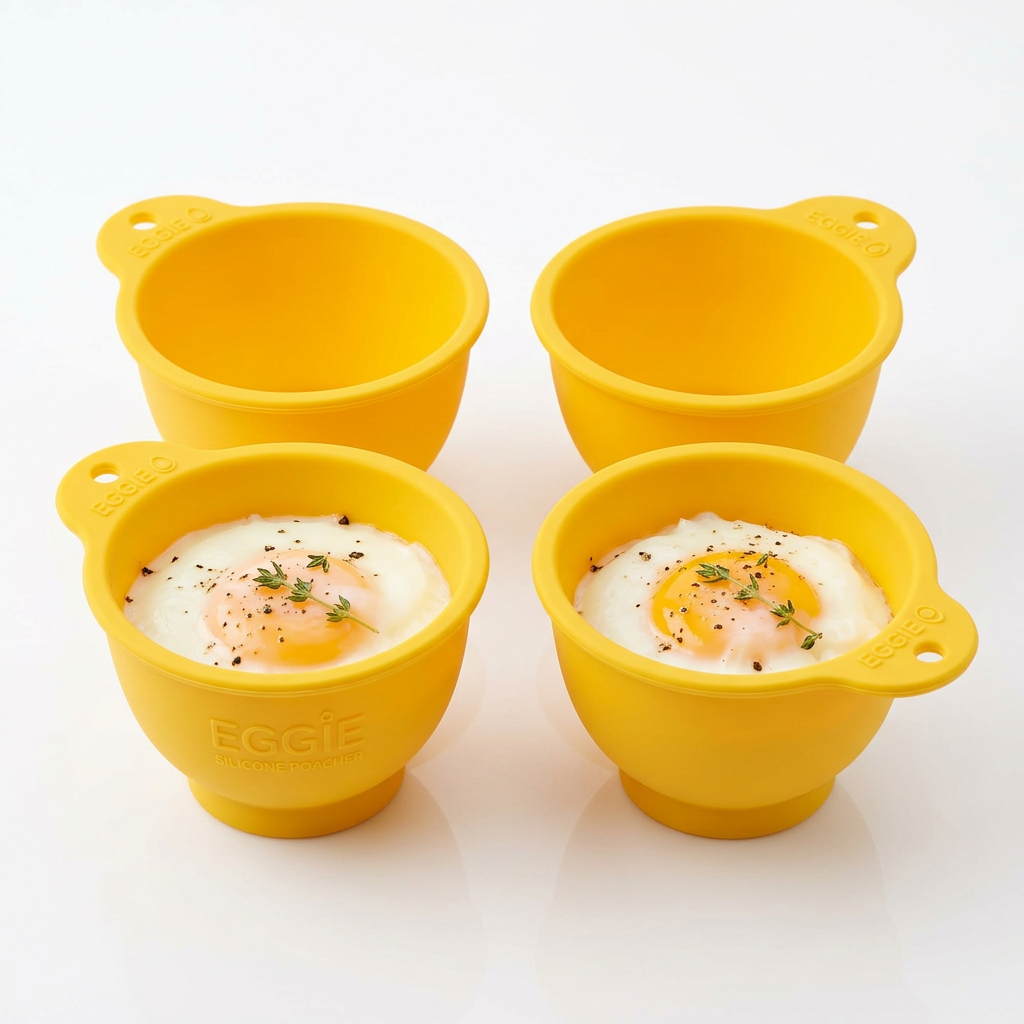
Poaching eggs may seem daunting, but with the right approach, you’ll find yourself creating beautiful, tender poached eggs with ease. Let’s break down the process step by step.
Preparing the Egg
Start with fresh eggs — they’ll hold their shape better during cooking. Here are the steps for preparing to poach an egg:
The Poaching Process
Here’s how to successfully poach an egg:
“A split-second can mean the difference between softly set or overcooked. Stay attentive!”
Serving Suggestions
Poached eggs shine when served over toast, grains, or as part of salads. Consider these combinations to elevate your dish:
Poaching Fish: Techniques for Tender Flavors
Moving from eggs to fish, the poaching method beautifully tenderizes delicate fish fillets while allowing them to soak in the flavors of the poaching liquid. Mastering this skill opens up a world of seafood possibilities.
Choosing the Right Fish
Not all fish are created equal when it comes to poaching; go for varieties that are naturally flaky and tender. Here are some excellent choices:
Crafting the Poaching Liquid
The poaching liquid should enhance the fish without overpowering it. Here’s a basic method:
The Poaching Process for Fish
Follow these steps to poach your fish to perfection:
“Taking care to not rush the poaching process helps to maintain the fish’s natural moisture and tenderness.”
Serving Delicately Poached Fish
Once poached, consider pairing your fish with complementary sides:
Advanced Poaching Techniques
Once comfortable with the basics, you may want to explore advanced poaching techniques that will further enhance both flavor and presentation.
Poaching in Court Bouillon
Court bouillon is a highly flavorful broth used for poaching fish. Here’s how to make it:
This method imparts a deeper flavor, making every bite of your poached fish tantalizing.
Sous Vide Poaching
For the tech-savvy or those wanting precision, sous vide offers an innovative twist on traditional poaching:
This method ensures consistent temperatures and eliminates overcooking completely.
Infused Poaching Liquids
Experimenting with infused poaching liquids can result in remarkable flavor profiles:
Troubleshooting Common Poaching Problems
Even with the best techniques, poaching can sometimes go awry. Here are some common issues and how to combat them.
Problem: Egg Whites Spreading Too Much
This issue often arises from using older eggs. To prevent this:
Problem: Fish Becoming Dry or Musky in Flavor
If your fish turns out dry or has an off-flavor, you may not have mastered the poaching liquid balance. Here’s how to fix this:
Problem: Overcooked Products
Overcooking is all too common. To avoid this:
Recipe Highlights: Putting Poaching Into Practice
To further solidify your poaching skills, let’s explore some standout recipes to put your knowledge into practice.
1. Classic Poached Eggs with Avocado Toast
Ingredients:
Instructions:
2. Herb-Poached Salmon
Ingredients:
Instructions:
Conclusion
Poaching is a culinary technique that embodies simplicity while offering professionals and home cooks alike a way to infuse flavor and maintain the integrity of ingredients. By mastering poaching, you gain a versatile tool in your kitchen arsenal, facilitating numerous delicious dishes. Whether it's a perfectly poached egg that elevates your brunch or fish delicately infused with flavors, the results are rewarding and satisfying.
As you embrace this technique, remember that practice will lead to perfection. Stay attentive to temperature and timing, and don’t shy away from experimenting with various liquids and seasonings. The art of poaching can be both a meditative process and a source of creative expression in the kitchen. So go ahead, get some fresh eggs and fish from the market, and dive into the world of poaching—your taste buds will thank you!
This guide serves as your stepping stone to confidently tackle any poaching challenge, allowing you to create dishes that shine with both flavor and technique. Enjoy the journey, and happy poaching!
Total Word Count: 2,099
Get the Next Recipe
Weekly recipes, techniques, and gear picks — straight to your inbox.
