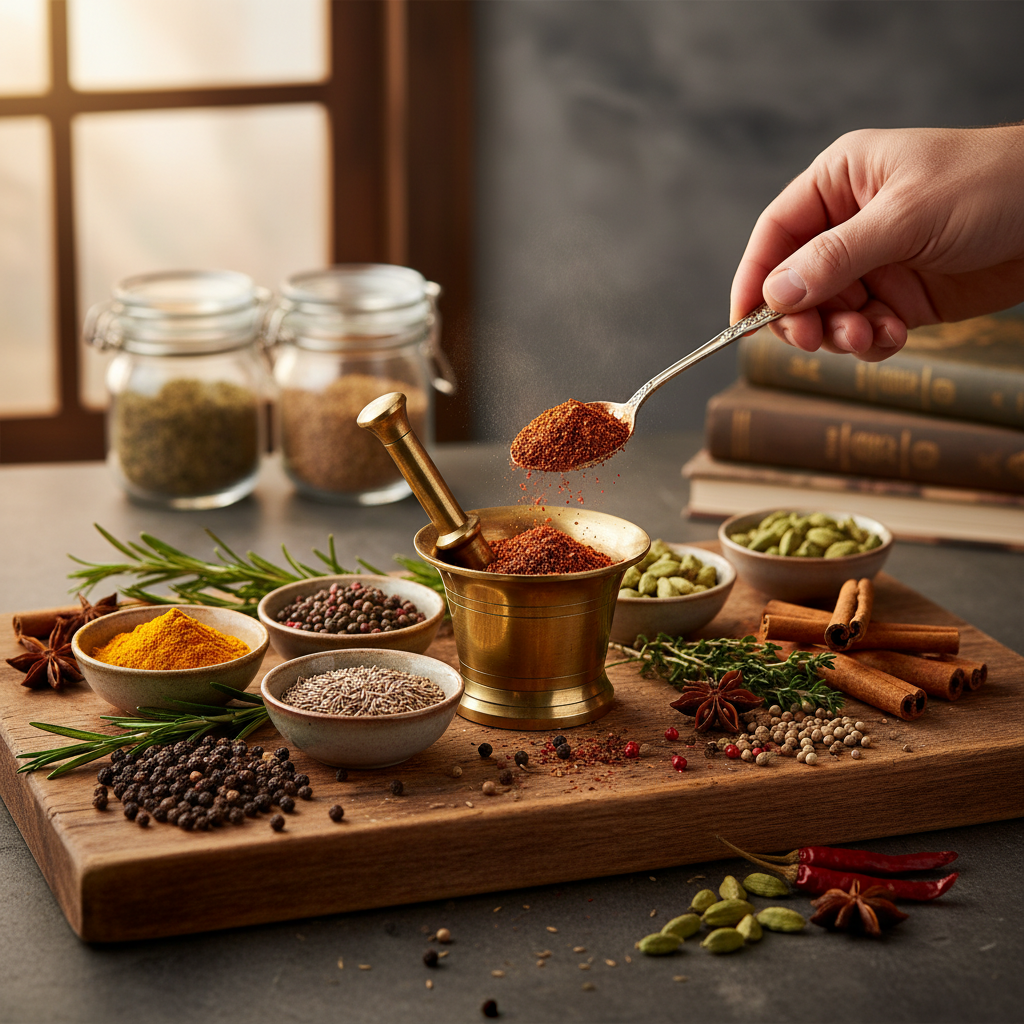
Mastering the Fine Art of Blending Spices: Craft Unique Flavor Profiles for Every Dish
The world of culinary arts is a vast, inviting expanse where the right combination of flavors can elevate a simple dish into a gastronomic masterpiece. Mastering the art of blending spices is not just about adding flavor; it’s about understanding the alchemy that occurs when different aromas and tastes interact on your palate. Each spice carries its own unique profile, and when combined strategically, they can transport your dishes from bland to extraordinary, creating a symphony of flavor that lingers long after the last bite.
For many home cooks, however, navigating this intricate world can be daunting. There are myriad spices available today, each one with its own history and culinary application. Learning how to expertly blend these spices requires practice, patience, and a willingness to experiment. It’s essential to realize that becoming adept at this skill will not only enhance the taste of your dishes but will also empower you as a chef, giving you the confidence to innovate and create truly unique recipes.
In this blog post, we will dive deep into the essentials of blending spices, exploring various techniques, flavor profiles, and specific combinations that will allow you to craft exceptional meals. From basic seasoning to complex mixtures that would impress even the most seasoned chefs, you’ll find valuable tips, step-by-step guides, and inspiring examples that will ignite your creativity in the kitchen. Get ready to embark on a flavorful journey and expand your culinary repertoire!
Understanding the Basics of Spices
Before we delve into the art of blending spices, it's crucial to understand what spices are and how they can affect your dishes. Spices are primarily dried seeds, fruits, roots, or bark from plants, and they play an essential role in seasoning and preserving food. Unlike herbs, which are typically derived from the leaves of the plant, spices come from a variety of parts, contributing distinct flavors and characteristics to dishes.
The Role of Spices in Cooking
Spices serve several purposes in cooking:
Types of Spices
Understanding the different categories of spices can help you begin to blend them effectively. Here are some primary types of spices you should become familiar with:
Understanding these types allows for better pairing and blending, ensuring that you are creating balanced flavor profiles.
Selecting Your Spices
Once you have a grasp of the basics, the next step is selecting your spices. The variety available can be overwhelming, but here are some essential spices every home chef should have in their pantry:
Fresh vs. Dried Spices
When selecting spices, consider whether you will use fresh or dried forms. Fresh spices (like ginger and garlic) often have a brighter, more intense flavor and can be used in recipes like:
Dried spices, on the other hand, can have a longer shelf life and are often more convenient. They’re ideal when:
Quality Matters
Beyond selection, the quality of spices can drastically impact your dishes. Here are some tips for choosing high-quality spices:
The Art of Blending Spices
With your pantry stocked, it's time to explore the craft of blending spices. The key here is to create balance and harmony among the different flavors. Blending isn’t just about mixing random spices; it’s about understanding how they complement one another.
Start with a Base
When creating a blend, starting with a base note is essential. A base note is usually a spice with a distinct flavor that overtakes other spices. For instance, if you're making a curry powder, start with cumin as it provides a strong foundation.
Layering Flavors
Think of blending spices like building a structure. It involves layering flavors rather than just throwing them together. Here’s a suggested method:
By layering flavors, you create a depth that makes your dish more interesting. Start with small amounts and taste frequently to ensure balance.
Experimenting with Ratios
Learning how to adjust ratios while blending spices is key to customizing flavor profiles. A good rule of thumb is to use:
You always want to taste as you go. Here are some combinations to experiment with:
Practical Techniques for Blending
Creating a spice blend can be as simple as mixing ground spices or you can take it a notch further:
“Crafting the perfect spice blend is an art that balances flavors, textures, and aromas, allowing the true essence of each ingredient to shine.”
Spice Blends from Around the World
Understanding global spice blends opens another door in your spice blending journey. Each culture has its own unique combinations that reflect its history and culinary practices.
Garam Masala
Originating from India, garam masala is a warm, fragrant spice blend used in many dishes. Ingredients can vary, but a basic mix typically includes:
Blend them together for a rich flavor that can be used in curries, marinades, and even sprinkled over roasted vegetables.
Za'atar
This Middle Eastern blend is herby and earthy, perfect for meats or served with olive oil for dipping. A classic za’atar mix consists of:
It captures the essence of Mediterranean flavors and can elevate simple dishes with just a sprinkle.
Berbere
A spice blend from Ethiopia, berbere is known for its heat and complexity. A common mix includes:
Berbere can be used in stews or as a rub for meats, and it provides a fragrant, adventurous depth to your dishes.
Italian Seasoning
An easy-to-use blend that complements a variety of dishes, classic Italian seasoning often includes:
Perfect for pasta sauces, roasted vegetables, or as a seasoning for meats, this blend adds herbal notes and depth.
Spice Preparation Techniques
Employing the right techniques in spice preparation can significantly impact the final flavor of your dish. Here are some methods to consider in order to maximize flavor extraction:
Grinding Spices
As mentioned earlier, using whole spices and grinding them presents a fresher flavor. You can use:
Infusing Oils
Using infused oils can elevate your dishes without overwhelming them. Here’s how to do it:
Blending for Marinades and Rubs
Creating marinades and dry rubs is another great way to make the most out of your spice blending skills. The key here is to combine your spice blend with complementary liquid ingredients (for marinades) or oil (for rubs). Here’s a guideline:
“Taste is subjective; trust your instincts and adjust accordingly as you blend your spices.”
Tips for Crafting Your Signature Blends
To truly stand out in the kitchen, consider these tips for developing your signature spice blends:
Conclusion
In conclusion, mastering the fine art of blending spices is an essential skill that can transform your culinary creations and enrich your overall experience in the kitchen. Armed with the knowledge of types of spices, blending techniques, and global spice mixes, you can push the boundaries of your cooking, create signature blends, and delight your friends and family with exceptional flavors.
Take the time to experiment, taste, and experience the incredible flavors that spices can bring to your dishes. As you practice, your confidence will grow, and you’ll find that blending spices not only enhances your meals but also fosters a deeper connection to the culinary arts. So roll up your sleeves, dust off those spice jars, and let your creativity flow—remember, in the world of spices, the only limit is your imagination. Happy cooking!
Get the Next Recipe
Weekly recipes, techniques, and gear picks — straight to your inbox.
