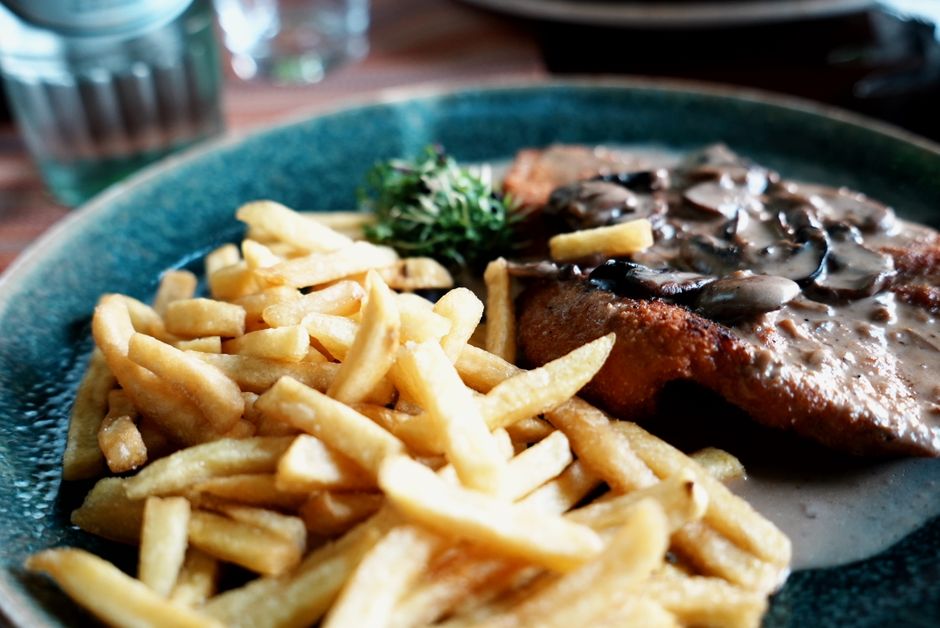
Mastering the Five Mother Sauces: The Foundation of Classical French Cooking
In the professional culinary world, there exists a secret language spoken through the medium of fat, acid, and heat. Many home cooks approach their kitchens with a sense of trepidation, viewing recipes as rigid laws rather than fluid suggestions. However, once you understand the underlying structure of classical French cuisine, the need for exact measurements begins to fade, replaced by a deep intuition for flavor and texture. This shift represents the transition from a casual hobbyist to a serious home chef, a journey that begins with the mastery of the five mother sauces. These foundational elements act as the chassis of an automobile; once you have the frame, you can build any vehicle—or in this case, any dish—that your culinary imagination desires.
The concept of the mother sauces was popularized by the legendary Auguste Escoffier, who distilled the chaotic nature of 19th-century French sauce-making into a logical, hierarchical system. By learning these five distinct preparations, you unlock the ability to create hundreds of derivative sauces, transforming simple proteins and vegetables into restaurant-quality masterpieces. Whether you are searing a steak, roasting a chicken, or poaching white fish, there is a mother sauce designed to complement and elevate the final product. Mastery of these techniques is not just about memorizing a set of ingredients; it is about learning how to manipulate emulsification, reduction, and thickening to achieve the perfect mouthfeel.
As you embark on this culinary exploration, keep in mind that patience is the primary ingredient in every successful sauce. Many of the techniques discussed here, such as slow-roasting a roux or carefully mounting butter into an emulsion, require your full, undivided attention. Do not fall into the trap of turning the heat too high in an attempt to rush the process, as this often leads to scorched butter or broken textures. Embrace the meditative quality of whisking a velouté until it reaches the perfect coating consistency, and remember that every chef—from the Michelin-starred icon to the passionate home cook—started with the exact same fundamentals. Let us now dismantle these pillars of flavor and rebuild them in your own kitchen.
Béchamel: The Creamy Canvas
The Béchamel sauce is perhaps the most iconic of the five mothers, known for its velvety texture and mild, comforting profile. At its most basic level, it is a white sauce made from a white roux—equal parts flour and butter cooked just enough to remove the raw flour taste—whisked into warm milk. It serves as the primary base for gratins, creamy pasta dishes like macaroni and cheese, and the ever-popular lasagna. Because its flavor is relatively neutral, the Béchamel acts as a blank canvas, eagerly absorbing the nuances of aromatics like onion piqué, nutmeg, and high-quality dairy.
Achieving the Perfect Roux
To ensure your Béchamel never has a grainy texture or a starchy aftertaste, the preparation of the roux is paramount. Melt your butter over medium-low heat until it is foaming, then whisk in your all-purpose flour. You want to cook this mixture for about three to five minutes, stirring constantly. It should look like wet sand and smell faintly toasted, like shortbread, but it must remain pale. If you allow the roux to brown, you move into the territory of blond or brown sauces, which will alter the final aesthetic and flavor profile of the Béchamel entirely.
The Infusion Process
Once the roux is prepared, slowly stream in your room-temperature whole milk while whisking vigorously to avoid the formation of lumps. Professional chefs often use an onion piqué—a peeled onion half studded with a whole clove and a bay leaf—to infuse the milk with deep, savory aromatics while it simmers. Keep the sauce at a low simmer for about 10 to 15 minutes, whisking frequently to prevent the bottom from scorching. If the sauce becomes too thick, simply add a splash more milk; if it is too thin, continue to reduce it over low heat. Finish the sauce with a pinch of nutmeg and sea salt to taste.
"A sauce is the architect of a dish; without a strong foundation, even the most expensive protein will crumble on the palate. Béchamel is the gentlest of foundations, requiring nothing but patience and the proper ratio of fat to starch."
Velouté: The Savory Foundation
While Béchamel starts with milk, the Velouté sauce starts with a blond roux and a clear stock. The word itself translates to "velvety," which perfectly describes the desired consistency of this light, elegant sauce. Unlike the cream-based Béchamel, a Velouté relies on the quality of the stock—chicken, veal, or fish—to provide the depth of flavor. It is the perfect pairing for delicate meats, poached poultry, or sautéed mushrooms. Because it is lighter than many other sauces, it does not overwhelm the main ingredient; rather, it provides a silky cloak that enhances the natural juices of the dish.
Stock Selection and Quality
The rule of thumb for a high-quality Velouté is that the stock must be flavorful enough to drink on its own. Using store-bought, low-sodium boxed stock is acceptable in a pinch, but a homemade bone broth or remouillage will exponentially improve the final product. For a chicken Velouté, ensure your stock has been properly skimmed of impurities so that the final sauce remains translucent and vibrant rather than murky. The color of the Velouté will be dictated by the stock; a veal stock will produce a darker, richer color, while a fish stock will produce an elegant, pale sauce.
Cooking Techniques for Success
Prepare your blond roux by cooking the butter and flour mixture slightly longer than you would for a Béchamel, until it takes on a light, golden-brown hue and emits a slightly nutty aroma. Whisk in your cold or room-temperature stock slowly, allowing the sauce to thicken incrementally. This slow incorporation ensures that the starch molecules hydrate evenly, preventing the clumps that often plague novice cooks. Once the sauce has reached a simmer, turn the heat to the lowest possible setting and allow it to cook for at least 20 minutes to develop its body.
* Use a heavy-bottomed saucepan to distribute heat evenly.
* Whisk in a figure-eight motion to ensure the corners of the pan are not neglected.
Finish with a cold knob of butter, whisked in off the heat, to add a glossy sheen known as monter au beurre*.
Espagnole: The Deep, Brown Sauce
If Velouté is the light and airy sibling, Espagnole is the dark, mysterious, and complex patriarch of the family. This is a heavy, brown sauce made from a brown roux, browned mirepoix (onions, carrots, and celery), tomato purée, and a dark brown stock. While rarely served in its pure form because of its intense, concentrated flavor, it is the mother of all "demi-glace" reductions and brown sauces like bordelaise and chasseur. Creating a proper Espagnole is an exercise in time, often requiring several hours of simmering to reach its peak complexity.
Mastering the Brown Roux
The secret to Espagnole is the depth of the brown roux. You are not just cooking the flour to remove the raw taste; you are actually caramelizing the flour until it reaches a deep, mahogany brown. This requires constant vigilance over low heat; if the flour burns, the entire batch must be discarded, as a scorched roux will impart an irreversible, acrid bitterness. Once the color is right, add your mirepoix, allowing it to soften and release its sugars into the fat before whisking in your high-quality beef or veal stock.
Building Complexity with Time
The addition of tomato purée and aromatics—such as garlic, thyme, and peppercorns—brings acidity and brightness to the deep, roasted base of the stock. As the sauce simmers, impurities and foam will rise to the surface; it is your duty to skim these away consistently. This process clarifies the sauce and ensures the final product is glossy rather than greasy. By the time the sauce has reduced to the desired consistency, you will have a thick, dark liquid that serves as the backbone for the world’s most sophisticated steak sauces.
"In the hierarchy of the kitchen, the brown sauce is the mark of a serious chef. It demands respect, time, and an intimate understanding of the Maillard reaction, which transforms simple flour and fat into something profoundly savory."
Hollandaise: The Emulsified Masterpiece
Of all the mother sauces, Hollandaise is the most intimidating for the home cook, primarily because it is an emulsion rather than a starch-thickened liquid. It is a warm, buttery emulsion of egg yolks, clarified butter, and lemon juice or vinegar reduction. Its signature is its rich, airy, and slightly tangy flavor, most famously draped over Eggs Benedict. Unlike the previous sauces, Hollandaise is highly perishable and sensitive to temperature; too much heat and the eggs scramble, too little and the emulsion breaks.
The Emulsion Science
An emulsion is simply the act of suspending fat (butter) in a liquid (egg yolks and water) that would normally not mix. To achieve this, you must whisk the egg yolks with a small amount of liquid until they are pale and slightly thickened over a gentle bain-marie (double boiler). The key is to add the melted butter in a very slow, steady stream—almost drop by drop at first—while whisking incessantly. This allows the fat droplets to be broken down and surrounded by the proteins in the egg yolk, creating a stable, homogenous mixture.
Troubleshooting Your Hollandaise
If your sauce begins to look greasy or separated, do not panic. This is a common occurrence even in professional kitchens. If the sauce "breaks," simply remove it from the heat and whisk in a teaspoon of warm water or a fresh egg yolk. The water provides the necessary liquid to re-suspend the fat, and the proteins in the new yolk will help stabilize the emulsion. Keep the finished sauce in a warm place, but never on direct heat; a thermos or a small bowl placed in a warm water bath will keep it at the perfect serving temperature for an hour.
* Use high-quality unsalted butter, clarified to remove milk solids.
* Keep the egg yolks from exceeding 160 degrees Fahrenheit.
* Always taste for balance—a good Hollandaise should be rich but have enough acid to cut through the fat.
Tomate: The Bright, Vibrant Finish
The Tomate sauce of classical French tradition is significantly more involved than the quick-simmered marinara often found in domestic kitchens. This mother sauce is traditionally thickened not just with the reduction of tomatoes, but also with a roux, and bolstered by pork fat or bacon to provide a smoky, savory depth. It is an exploration of the tomato’s versatility, transforming the fruit into a rich, velvety sauce that can stand up to hearty meats or roasted vegetables. It is the final member of our quintet, providing a necessary injection of acidity and brightness.
The Traditional Preparation
Start by rendering salt pork or bacon, then sautéing a mirepoix of onion, carrot, and celery until it is deeply aromatic. Add high-quality plum tomatoes—either fresh or high-quality canned—and a splash of brown stock. The inclusion of a small amount of roux at the beginning helps provide the characteristic viscosity that separates a classic French Tomate sauce from an Italian-style tomato sauce. As it simmers, the sauce should deepen in color and develop a complex, sweet-savory profile that is fundamentally different from a raw tomato puree.
Refining the Flavor
Professional chefs often finish the Tomate sauce by passing it through a chinois (a fine-mesh conical sieve) to ensure absolute smoothness. While some home cooks prefer a rustic, chunky texture, the classical approach emphasizes a refined, uniform consistency. Taste the sauce periodically to adjust for acidity; depending on the ripeness of the tomatoes, you may need a tiny pinch of sugar or, conversely, a drop of sherry vinegar to balance the profile. This sauce is incredibly forgiving and serves as the perfect base for variations like Sauce Creole or Sauce Provençale.
Professional Tips for Sauce Mastery
Throughout your journey with these five mothers, remember that organization, or mise en place, is the difference between a panicked kitchen and a productive one. Always measure your ingredients, prepare your aromatics, and ensure your whisk and pans are ready before you apply heat. Sauces are highly responsive to their environment; a draft in the kitchen can cool a Hollandaise, and an improperly set flame can burn a roux. Treat these processes with the focus they deserve, and you will find that the results improve dramatically.
The Importance of Seasoning
One of the most common mistakes home cooks make is under-seasoning their sauces. Because sauces often contain a significant amount of fat or starch, they have a tendency to "mute" salt. Taste your sauce early, often, and late. Remember that as a sauce reduces, the salt concentration increases, so be careful not to oversalt early in the process. When in doubt, finish with a fresh herb or a squeeze of citrus to brighten the profile—these are the "secret ingredients" that bring a sauce to life.
Tools of the Trade
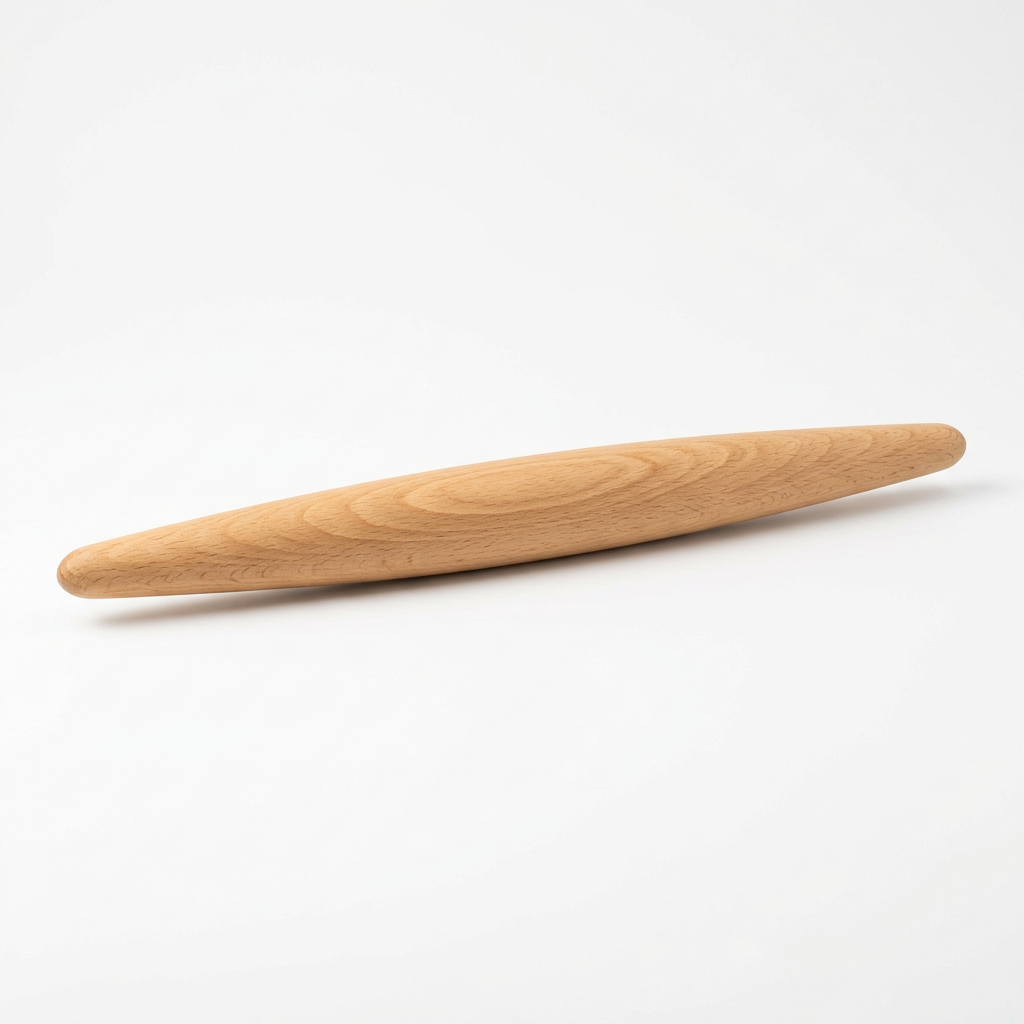
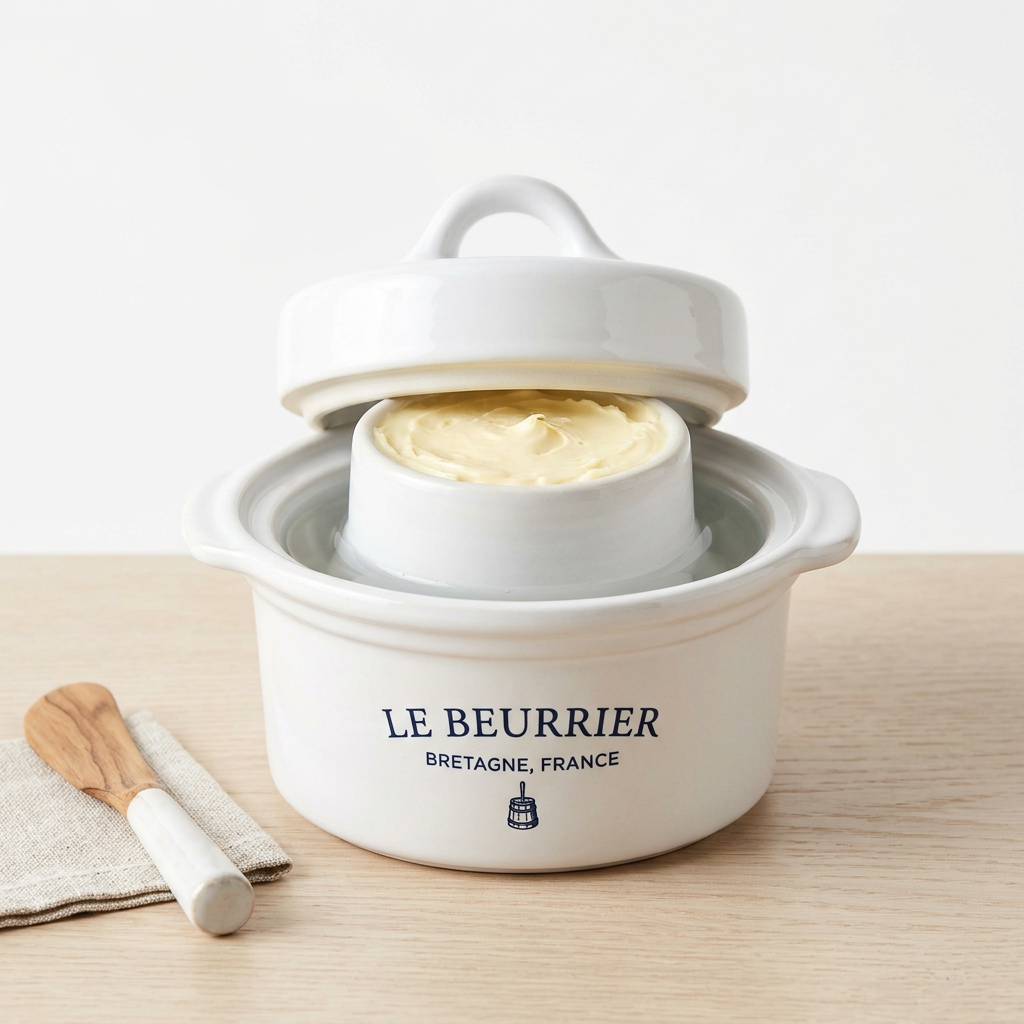
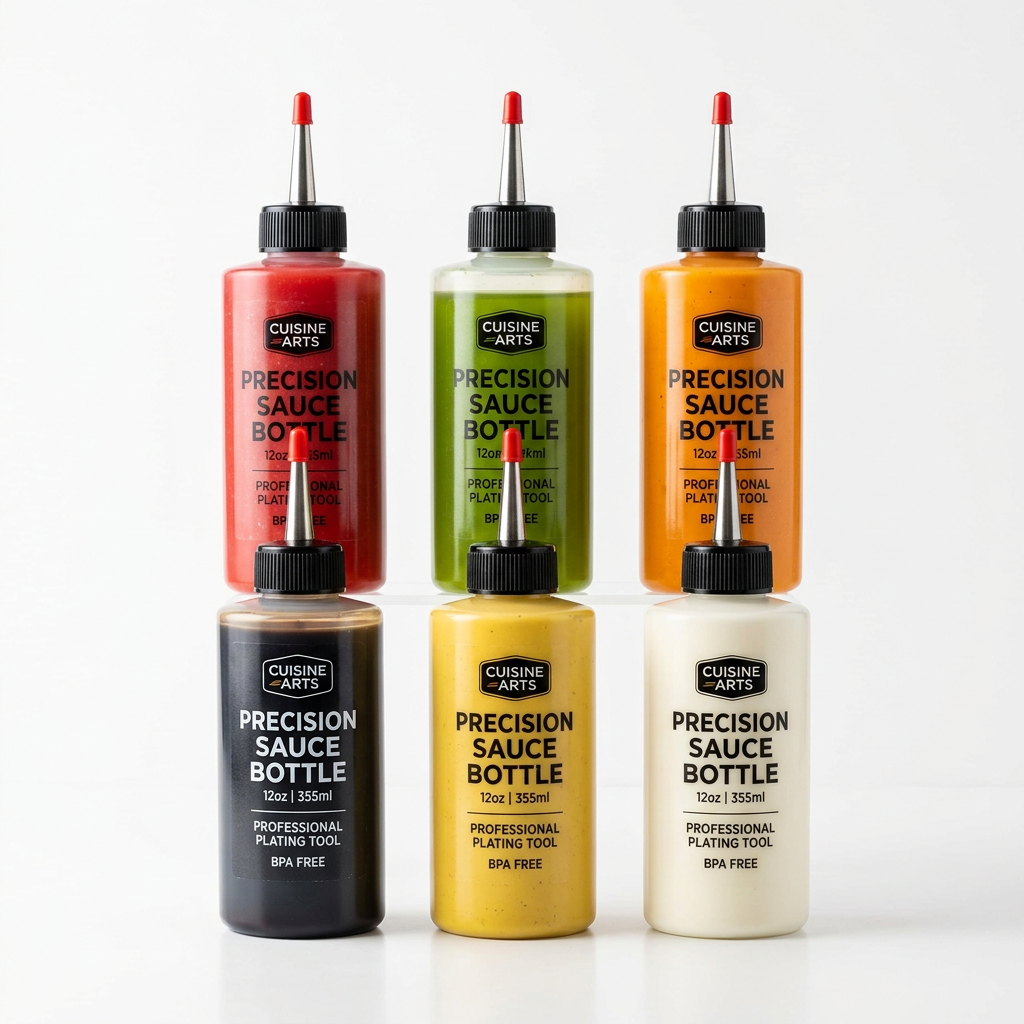
You do not need an arsenal of expensive equipment, but a few key tools are indispensable:
"A great sauce does not mask the food; it highlights it. It is the bridge between the raw ingredient and the plate, a connective tissue that ties disparate elements into a singular, memorable experience."
Conclusion
Mastering the five mother sauces—Béchamel, Velouté, Espagnole, Hollandaise, and Tomate—is more than a test of technical skill; it is an invitation to culinary freedom. Once you possess the ability to produce these five bases with confidence, you are no longer limited by what you find in a cookbook. You begin to understand the chemistry of the kitchen, learning how to tweak a recipe to suit your specific taste or to rescue a sauce that has gone astray. The journey toward becoming a confident home chef is built on these foundations, one whisk at a time.
Do not be discouraged by initial failures. Even the most accomplished chefs have broken a Hollandaise or scorched a roux during their training. The beauty of these techniques lies in their repeatability and the lessons hidden within every mistake. Take the time to practice each sauce on its own, perhaps starting with the Béchamel and moving toward the more complex Espagnole as your confidence grows. Keep your kitchen clean, your ingredients high-quality, and your curiosity high. You are now armed with the tools that have defined French gastronomy for centuries.
As you integrate these sauces into your weekly cooking, consider how they interact with different proteins and cooking methods. Use your new knowledge to experiment with derivatives, perhaps adding Gruyere to your Béchamel for a Mornay sauce, or incorporating mushrooms into your Velouté to create a rich Supreme sauce. The possibilities are truly infinite. By mastering these classics, you have not only improved your kitchen repertoire; you have honored the heritage of the craft itself. Now, put on your apron, grab your whisk, and begin the rewarding work of creating culinary excellence right at home. The foundation is set—the rest is up to you.
Get the Next Recipe
Weekly recipes, techniques, and gear picks — straight to your inbox.
