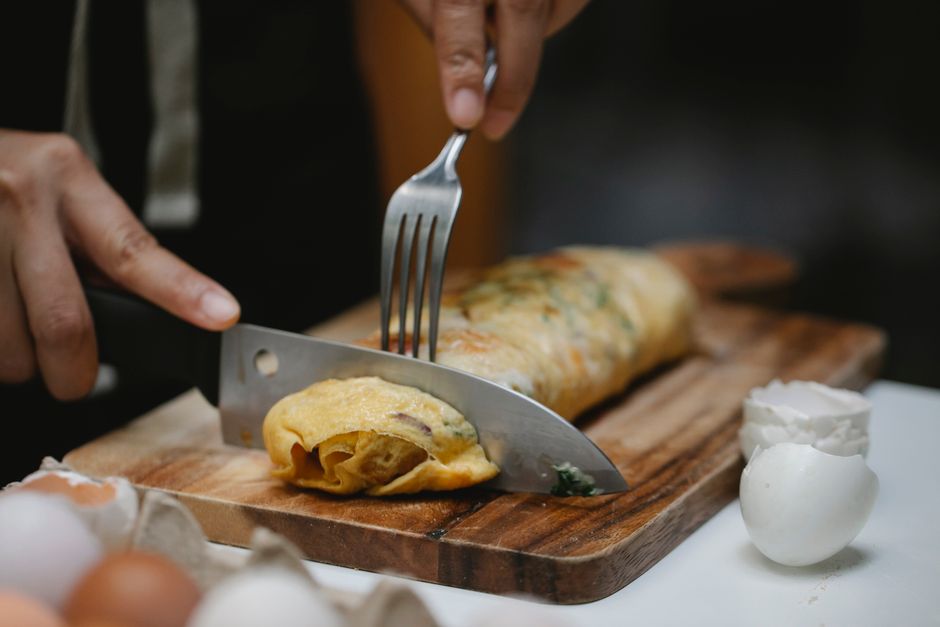
Mastering the French Omelette
The French omelette—a staple of French cuisine and a gastronomic benchmark for aspiring chefs—is both deceptively simple and exquisitely challenging. It represents a canvas that reflects a cook's skill, precision, and understanding of technique. The beauty of a French omelette lies in its velvety smooth texture, perfectly set without browning, and its ability to be stuffed or garnished with just a hint of extra flavor. A well-crafted omelette, while seemingly straightforward, requires mastery over the cooking technique, an understanding of how heat affects egg proteins, and an ability to work with finesse.
Unlike its more rustic cousins, such as the frittata or Spanish tortilla, the French omelette is soft and creamy, often served plain or with subtle fillings such as herbs, cheese, or sautéed vegetables. The true hallmark of skill in preparing this dish is the perfect control over cooking time and temperature. The simplicity of ingredients belies the expertise needed to elevate them into a sophisticated dish that could serve as breakfast, lunch, or dinner. In this culinary exploration, we will delve into every aspect of creating the perfect French omelette, ensuring that even novice cooks can achieve professional results at home.
Understanding the foundational elements of a French omelette is crucial for success. Eggs, the central ingredient, are preferred fresh for their superior flavor and texture. Adding a pinch of salt emphasizes the natural taste of the eggs and aids in the coagulation of proteins when cooked. As such, the French omelette embodies not only culinary skills but also the philosophy of ingredients—how simplicity can weave magic when handled with care and respect.
The Basics of the French Omelette
Understanding the Ingredients
Before diving into the cooking process, it's essential to comprehend the ingredients that will make or break your French omelette. The two primary components are eggs and seasoning, but the best omelettes include optional enhancements. Here are the key elements you'll need:
The Science of Eggs
Understanding the science behind eggs is fundamental in mastering the French omelette. Eggs are primarily composed of water and proteins, and as they heat up, these proteins coagulate. This process transforms a sticky liquid into a solid structure, giving you that delicate texture you want.
"Precision in temperature control is not merely a suggestion; it's the cornerstone of a perfect French omelette."
Equipment Essentials
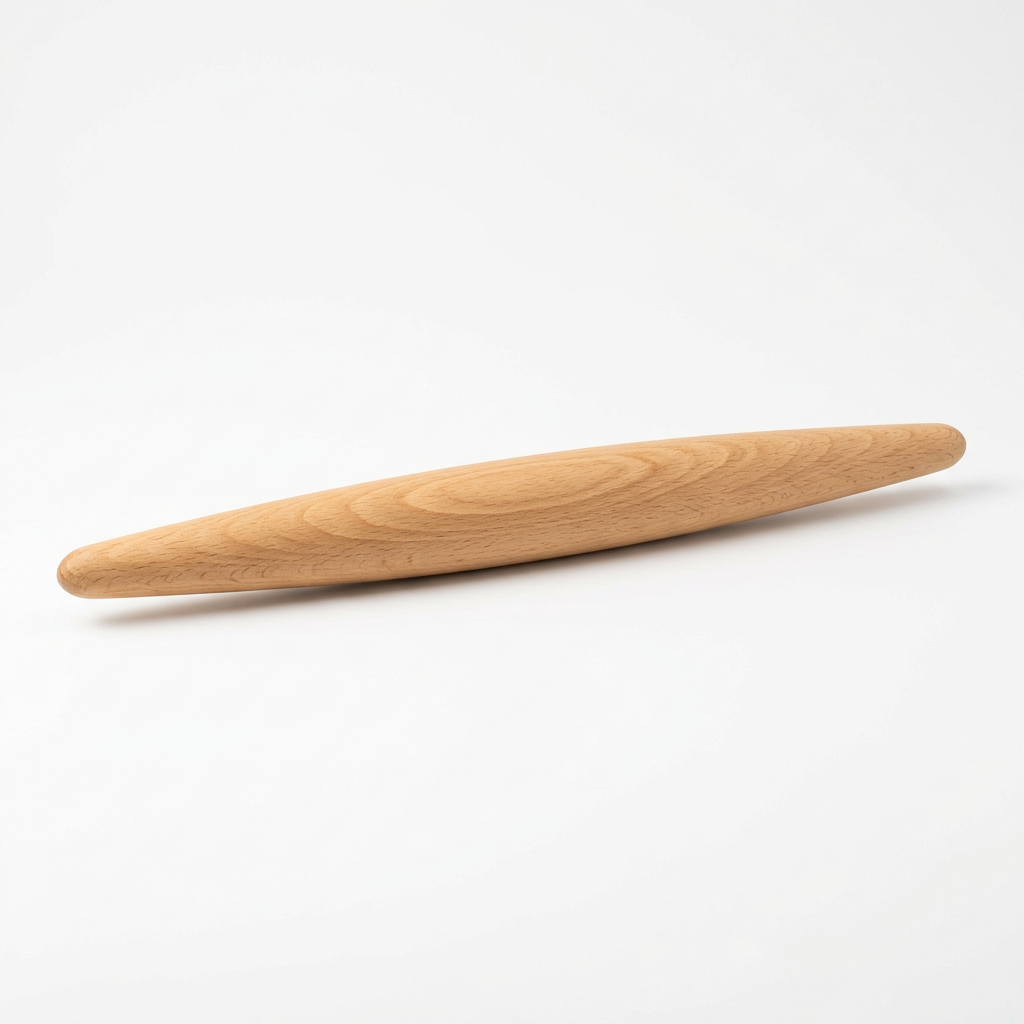
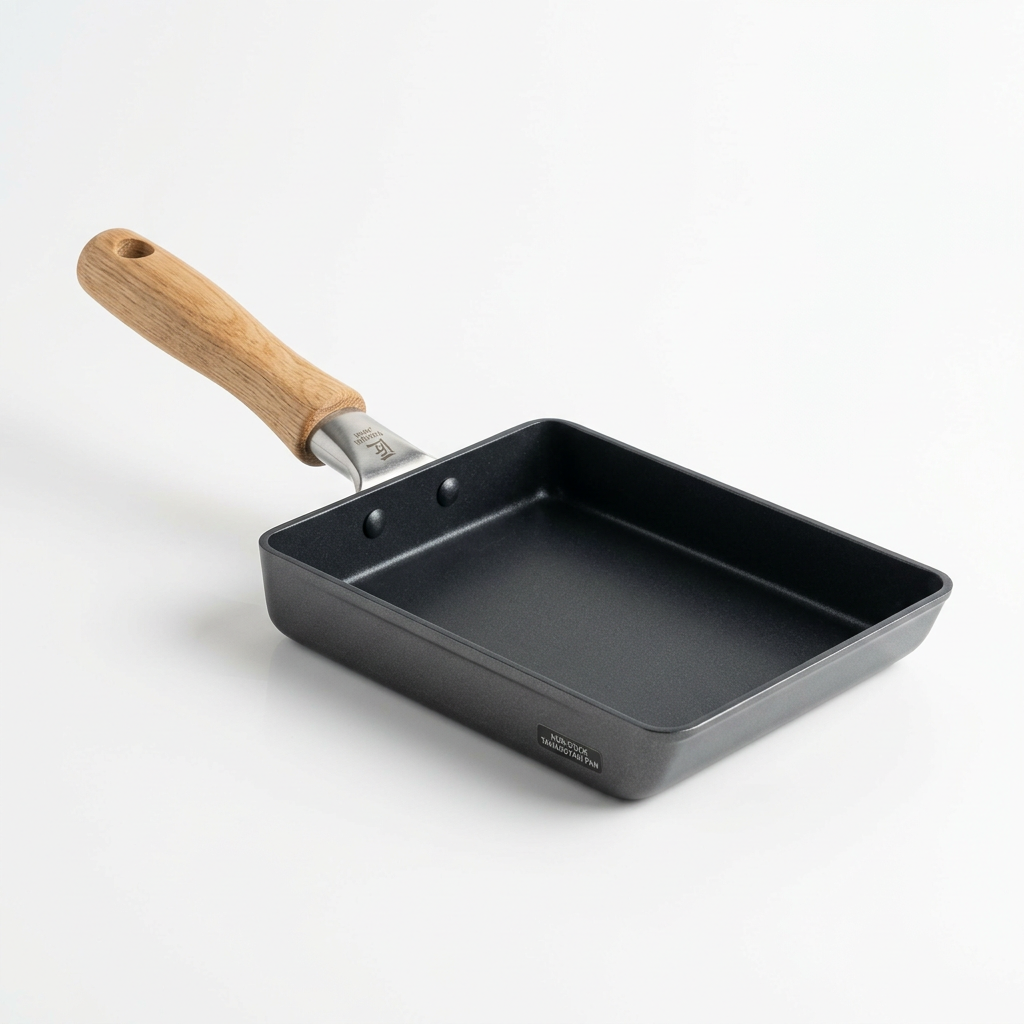
Apart from your ingredients, having the right tools in your kitchen can make a significant difference in your omelette-making experience. Here’s what you’ll need:
Prepping for Success
Preparation is key to achieving the French omelette of your dreams. Gather all your ingredients before you begin cooking:
By organizing your workspace, you enhance your ability to focus on temperature control and egg technique during cooking.
Cooking Techniques for the Perfect French Omelette
The Importance of Temperature Management
The first step in cooking the perfect omelette is to control your heat. Begin by placing your non-stick skillet on medium-low heat. It's vital to allow the skillet to warm gradually. If the pan is too hot at the start, it can cause the eggs to cook unevenly, leading to a rubbery texture.
Pouring and Spreading the Eggs
Once your pan is heated to the right temperature, it’s time to pour in your whisked eggs.
The Folding Technique
The hallmark of a traditional French omelette is its neat folding. Once the edges start to set, typically within 1-2 minutes, it’s essential to keep an eye on the center, which should remain slightly runny.
"A perfectly folded omelette isn’t just about looks; it’s about ensuring each bite contains both flavor and texture harmoniously."
Filling and Flavoring Your French Omelette
Classic Fillings and Combinations
The simplicity of the French omelette means that its flavor can be enhanced with various fillings. Traditional choices include:
A Dynamic Duo: Eggs and Cheese
The classic combination of eggs and cheese is timeless in French cuisine. Here is how to approach using cheese in your omelette:
Balancing Flavors
Alongside the core ingredients, balancing flavors with seasonings and accompaniments can elevate your French omelette:
Serving and Pairing
Plate Presentation
The presentation of your French omelette plays a significant role in the overall dining experience. Here are some strategies for plating:
Pairing Suggestions
When considering what to serve alongside your French omelette, think about breakfast, brunch, or light lunch options. Here are popular pairings:
Troubleshooting Common Omelette Mistakes
Too Much Heat
If you find that the outside of your omelette is becoming brown while the inside remains uncooked, this is primarily due to excessive heat.
Uneven Cooking
An omelette that is runny on one side often is a result of inconsistent heat or improper technique.
Cooking Time
Cooking time is critical; too little can leave you with raw eggs, and too much can create an undesirably rubbery texture.
"Even the best chefs have faced their share of culinary disasters. Learning how to troubleshoot is an essential step in mastering the art of the French omelette."
Advanced Techniques and Variations
Flipping the Omelette
For those feeling confident, advancing to flipping your omelette can showcase your skills. It captures the artistry of cooking and may even impress your dining companions.
Regional Variants
Exploring famous regional variations of the omelette can also be enlightening. Here are a few examples:
Cooking for Different Diets
Adapting your omelette for dietary considerations can involve choosing alternative fillings or methods:
Conclusion
Mastering the art of the French omelette is not merely about cracking eggs—it is about embracing the nuances of technique, understanding your ingredients, and expressing your creativity. Every moment, from the gentle swirl of the eggs in a warm skillet to the delicate folding on a plate, showcases the artistry inherent in cooking.
As you embark on your journey to create the perfect French omelette, remember that practice is essential. Each attempt will not only improve your skills but also deepen your appreciation for the culinary tradition behind this beloved dish. By mastering this classic technique, you will build the foundation for other egg-based recipes and showcase your newfound culinary prowess.
With patience and persistence, you'll find that the French omelette evolves from a simple breakfast dish to a versatile showstopper that enhances every meal. Let your passion for cooking unfold, and enjoy the journey every step of the way!
Get the Next Recipe
Weekly recipes, techniques, and gear picks — straight to your inbox.
