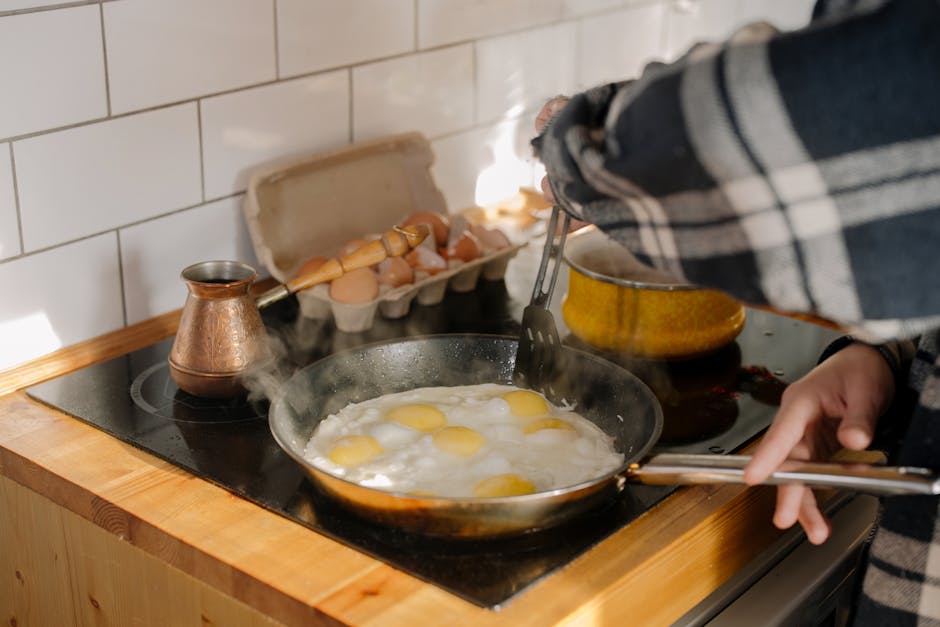
Mastering the French Omelette: Fold, Fill, and Finish Like a Michelin Chef
When it comes to breakfast classics or a simple light lunch, few dishes stand out as much as the omelette. More than just a way to use up leftover ingredients, mastering the omelette can elevate your culinary repertoire significantly. From its light, airy texture to its ability to envelop a variety of fillings, a well-made omelette is a fundamental skill in French cooking that any home cook can learn with practice. However, mastering the French omelette is much more than merely whisking eggs and tossing them into a pan; it's about finesse, technique, and a bit of patience.
The French omelette, in particular, is a delicate creation that requires attention to detail at every stage. With its creamy, custard-like interior and golden exterior, it stands as an emblem of French culinary tradition. While seemingly simple, achieving the perfect texture and flavor takes practice and a good understanding of both temperatures and techniques. Once you grasp the finesse required, you’ll find that your omelettes become a canvas for your creativity, allowing you to experiment with various fillings, herbs, and seasonings.
Mastering this dish is not only about cooking eggs; it’s about learning how to control your cooking environment, from the heat of your pan to the timing of your flips and folds. The satisfaction derived from perfecting this technique is unparalleled, often leading to a newfound appreciation for what many consider an everyday dish. In this blog post, we’ll dissect the process of creating a perfect French omelette, including methods for folding, filling, and finishing like a Michelin-starred chef.
The Essential Ingredients: Selecting the Right Eggs
To kick things off, the first step is to choose the right ingredients, particularly the eggs. Eggs are the heart of the omelette and play a pivotal role in the texture and flavor. Ideally, you want to source the freshest eggs available, preferably organic or free-range, as they tend to offer a richer taste and a robust yellow yolk.
Freshness Matters
Fresh eggs not only enhance the flavor but also contribute to the overall fluffiness of your omelette. Fresh eggs typically have a tighter structure with minimal air between the egg white and yolk, which helps achieve that perfect creamy consistency. To check for freshness, place the eggs in a bowl of water. Fresh eggs will sink, while older eggs will float.
- Organic or free-range labels
- Clean, uncracked shells
- A sell-by date as fresh as possible
Choose Quality Over Quantity
While standard recipes may call for two to three eggs per omelette, consider balancing quantity with quality. Using fewer, higher-quality eggs can elevate your dish more than overcrowding the pan with a dozen mediocre ones. Aim for about three eggs for a standard personal omelette — this amount provides ample filling without being overwhelming.
Additional Ingredients
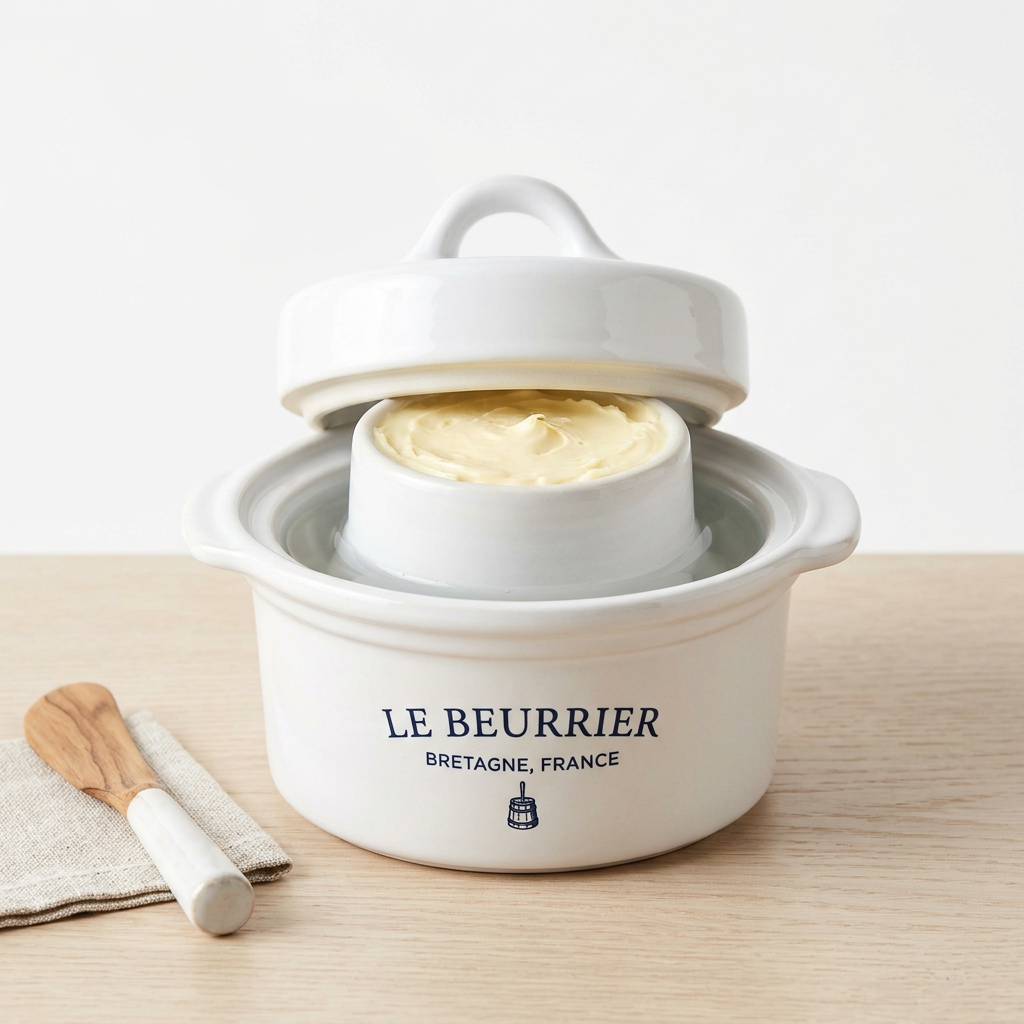
Beyond eggs, consider the role of butter and seasoning. The butter should be unsalted and of high quality. This will allow you to control the seasoning precisely and enhances flavor.
- Use about 1 tablespoon of butter for every three eggs.
- Be cautious with salt; add just a pinch to your egg mixture before whisking, and adjust later based on your filling.
The Whisking Technique: Preparing Your Eggs
Once you’ve gathered your ingredients, it’s crucial to master the whisking technique. This step is key to incorporating air into the eggs, ensuring that your omelette is tender and fluffy.
Whisking Tips
"The secret to a perfect omelette is in the whisk — aerate carefully for a fluffy, light result."
The Cooking Technique: Mastering the French Pan
Now that your eggs are ready, the cooking technique comes into play. Mastering the stove and pan's heat settings is crucial for achieving that signature soft texture of the French omelette.
Selecting the Right Pan
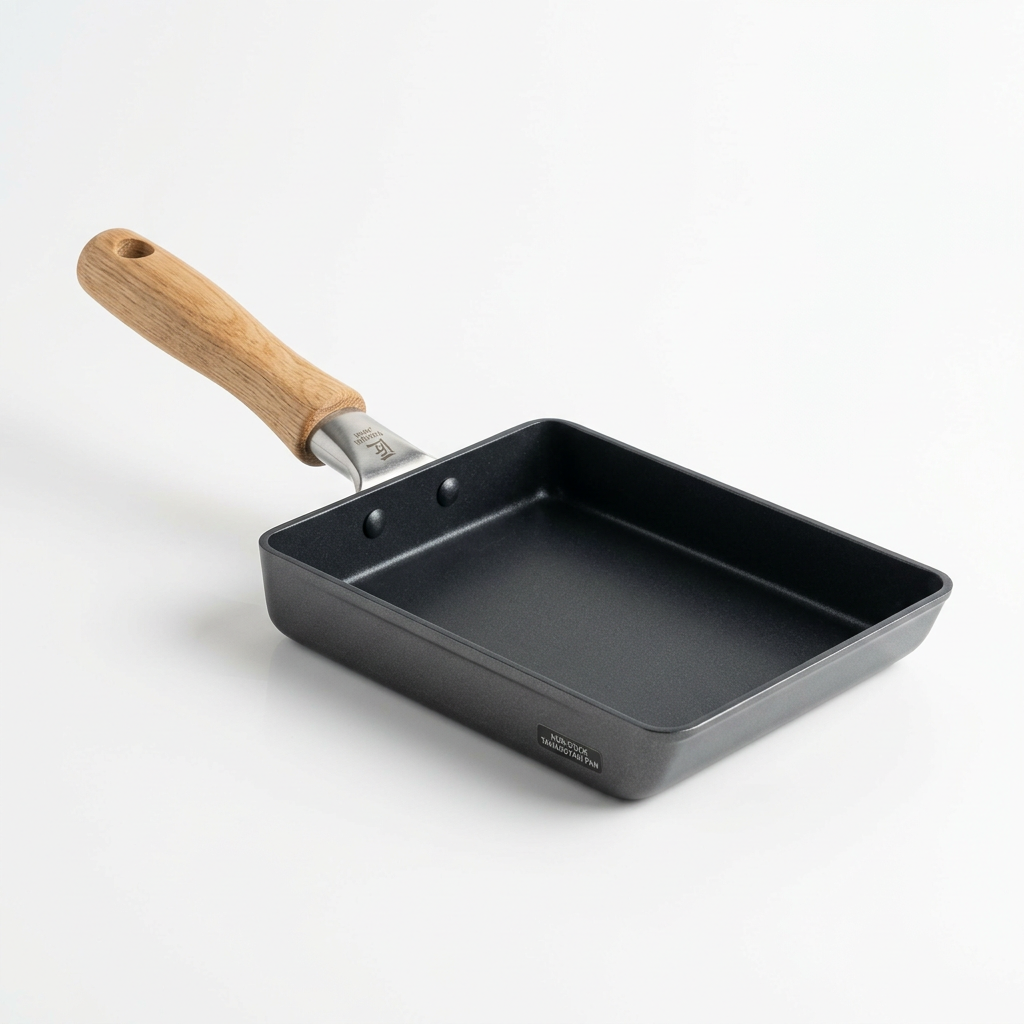
A non-stick skillet is usually the best choice for a beginner. However, a well-seasoned cast iron skillet can also yield excellent results once you're comfortable with controlling the heat. Aim for an 8-inch pan, perfect for personal omelette sizes.
Temperature Control
Pouring the Eggs
"The balance between heat and timing is critical; cook too fast and you’ll sacrifice that creamy texture."
Folding Your Omelette: Techniques to Remember
Folding your omelette is what distinguishes a French omelette from other styles. A successful fold not only enhances presentation but also ensures a creamy center.
The Traditional Fold
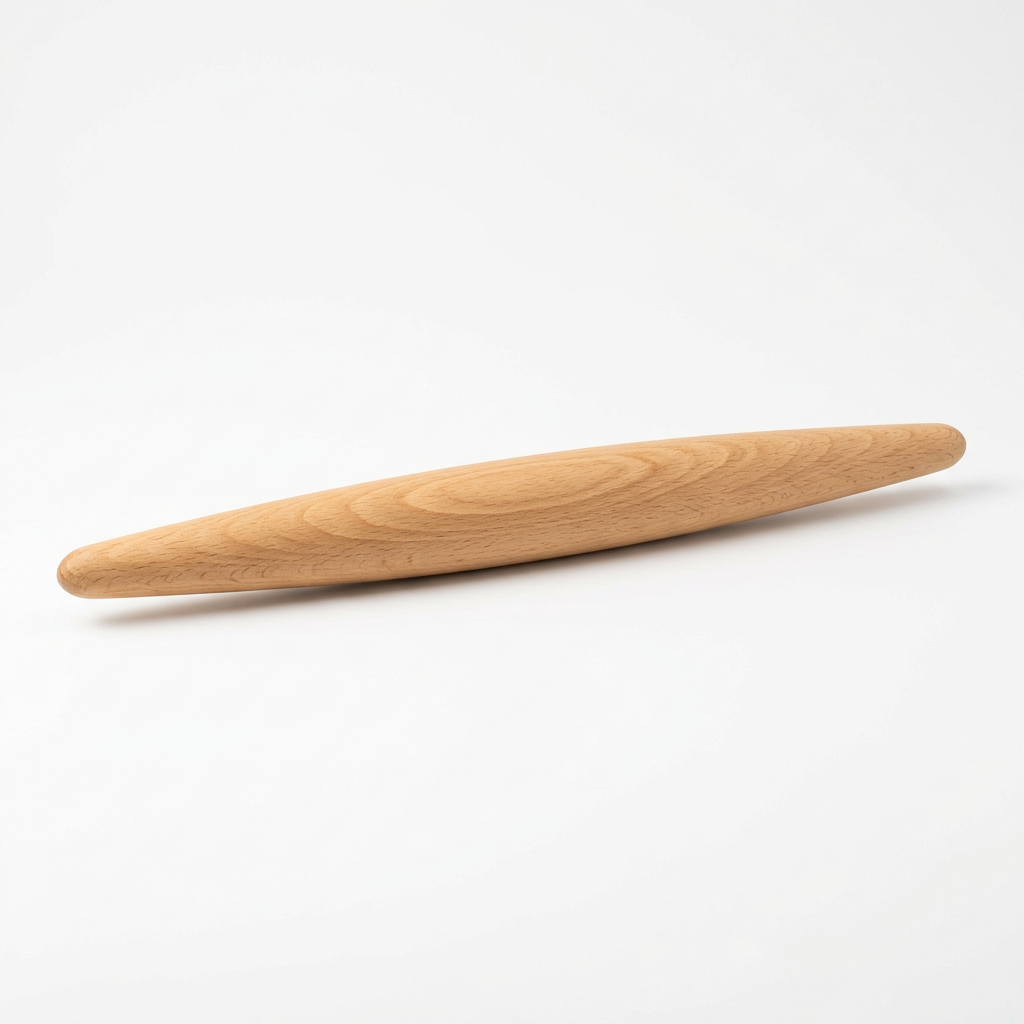
The Roll Technique
For a more traditional French presentation, you may also opt for the rolling technique. Here's how:
Final Presentation
Once folded, the key is to serve immediately. A properly folded omelette should have a glossy surface, indicative of the butter used in cooking. Aim to present it in a way that highlights the filling of your choice.
Choosing the Right Fillings: Classic Combinations
One of the most delightful aspects of omelette making is customizing it with various fillings. The classic combinations can be a start, but feel free to innovate!
Classic Fillings
Innovative Flavors
Don't shy away from experimenting! Here are additional suggestions for fillings that can inspire your next omelette creation:
Garnishing and Serving: Where Presentation Meets Flavor
The final touch on your French omelette is all about the presentation. A beautiful omelette can be enhanced not only through the choice of ingredients but also via effective garnishing.
Garnishing Techniques
The Right Serving Techniques
"Presentation can elevate an ordinary egg dish into a showstopper. Don’t underestimate the power of a beautiful plate."
Common Mistakes to Avoid: Troubleshooting Your Omelette
Learning to make the perfect French omelette is fraught with pitfalls. Understanding and addressing common mistakes can save you much frustration and allow for a smoother cooking experience.
Overcooked Eggs
One of the most common issues is overcooking, which can lead to a dry, rubbery omelette. Keep an eye on cooking times and temperature.
Uneven Texture
If your omelette is unevenly cooked or has browned areas, it’s likely due to fluctuating temperature in the pan or insufficient stirring.
Sticky Residue
If your omelette is sticking to the pan, it could likely be due to insufficient butter or a poorly seasoned pan.
Conclusion
Mastering the French omelette is a gratifying endeavor that can greatly enhance your cooking skills. With a little practice and adherence to the techniques outlined here, you’ll not only impress your friends and family but also cultivate your confidence in the kitchen. While it may seem daunting at first, remember that the beauty of cooking lies in experimentation and gradual improvement.
As you embrace the art of the omelette, reflect not only on the finesse required but also the joy of creation. With each omelette you whip up, you'll gain newfound insights and skills that will translate to other culinary endeavors. So, pick up those fresh eggs, select your favorite fillings, and embark on your journey toward omelette mastery. A world of flavor awaits you, à la François!
As you continue to perfect this classic dish, remember that every great chef was once simply a home cook trying to improve their skills. With warmth and sincerity, we encourage you to embrace your culinary journey, make mistakes, learn, and, most importantly, enjoy every bite. Bon Appétit!
(Word Count: 2,145)
Get the Next Recipe
Weekly recipes, techniques, and gear picks — straight to your inbox.
