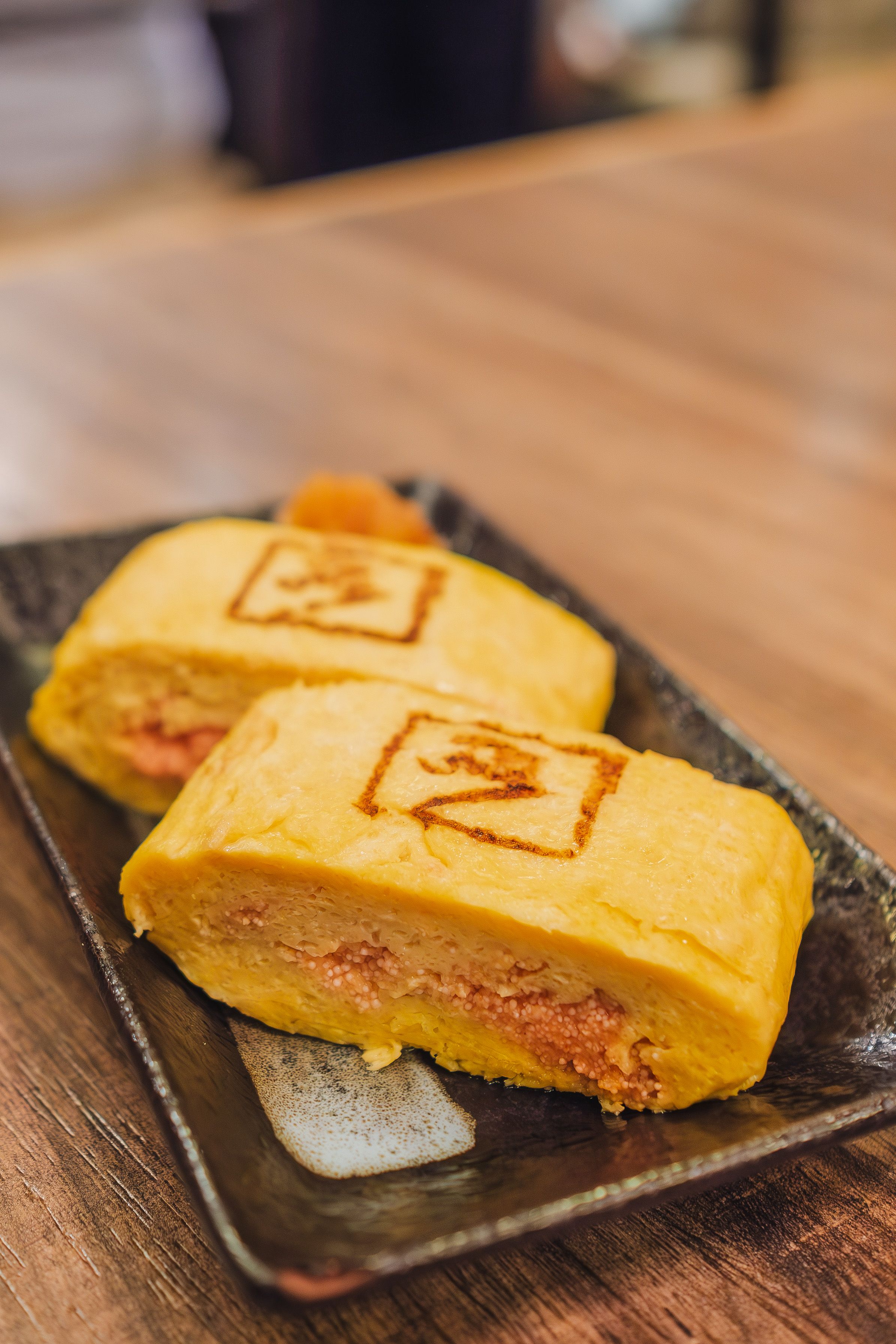
Mastering the Japanese Omelet: Tamago-Yaki Technique and Variations
The Japanese omelet, or tamago-yaki, is a culinary gem known for its delicate texture and subtle sweetness. Unlike its Western counterpart, which often combines various fillings and has a fluffy consistency, tamago-yaki is a meticulous creation that exemplifies the harmony of flavors and techniques. This dish is an essential part of traditional Japanese breakfast and is often served as part of sushi, showcasing the stunning artistry that can be achieved in everyday cooking. Crafting the perfect tamago-yaki not only impresses guests but also provides a sense of accomplishment to home cooks, making it an exciting addition to any culinary repertoire.
To fully appreciate the beauty of tamago-yaki, one must dive deep into the techniques involved in its preparation. The rhythm of the cooking process, the layering of the eggs, and the precision behind each flip and fold are what separate a simple omelet from the ethereal tamago-yaki. Mastering these techniques can enhance your overall cooking skills, as many of the principles learned throughout this process can be applied to other dishes. Moreover, understanding the balance of flavors and textures will open new avenues for creativity in the kitchen.
This blog post will guide you through the entire journey of mastering tamago-yaki, offering insights into the key ingredients, essential equipment, cooking methods, and popular variations of this beloved dish. Whether you’re a novice looking to experiment or a seasoned home chef eager to refine your skill set, tamago-yaki is an accessible yet sophisticated dish that can elevate your culinary game. So, roll up your sleeves and prepare to immerse yourself in the world of Japanese cooking!
Understanding Tamago-Yaki: The Basics
Before jumping into the culinary techniques, let's explore what tamago-yaki is. At its core, tamago-yaki is a rolled omelet made from eggs that are prepared with a specific technique to create layers of thinly cooked egg. The name itself translates to “grilled egg,” and it perfectly encapsulates the essence of this dish. It usually requires only a few ingredients—eggs, sugar, soy sauce, and mirin—but it is the technique and the balance of these components that create its unique flavor profile.
Ingredients Breakdown
To achieve tamago-yaki, you will need the following ingredients:
Key Tip: The balance of sweetness is important in tamago-yaki, so don’t hesitate to adjust the sugar according to your preference. Some people prefer a sweeter omelet, while others enjoy a more savory profile.
Equipment Essentials
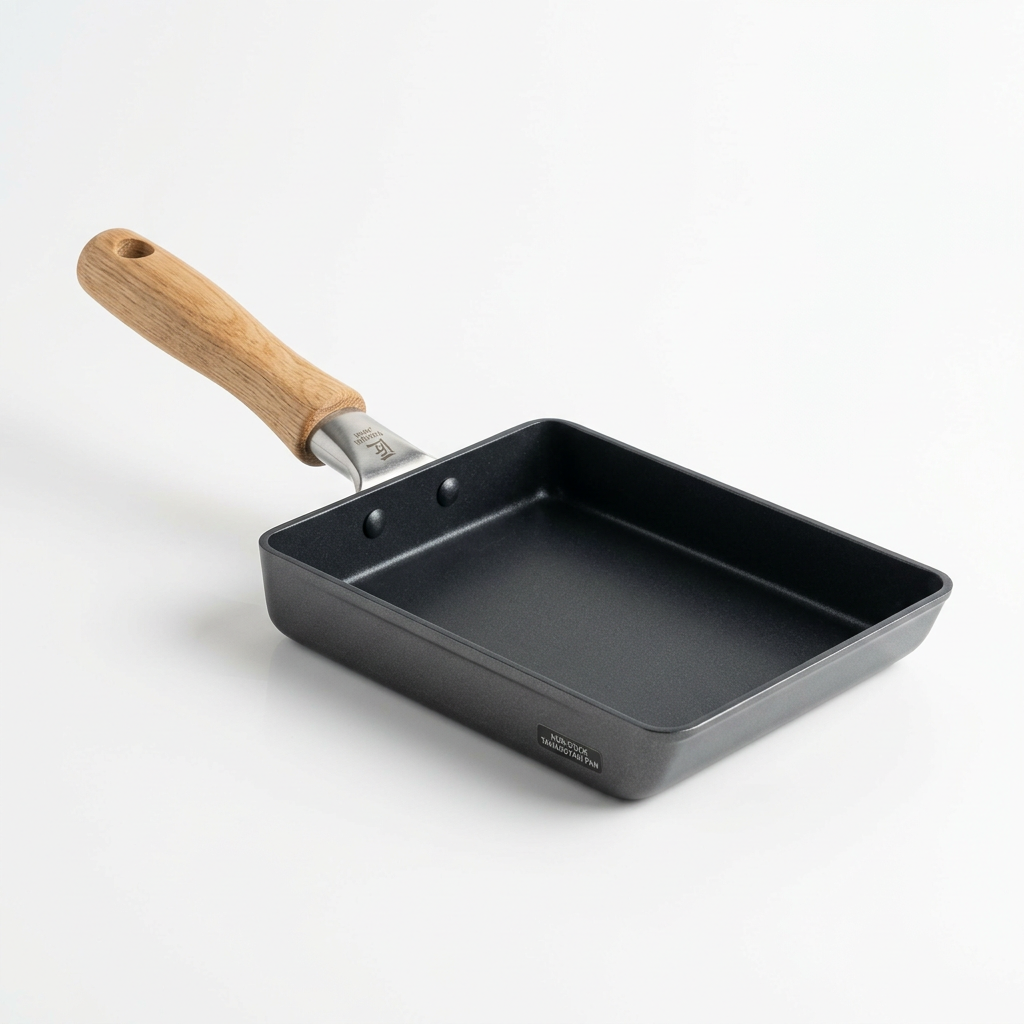
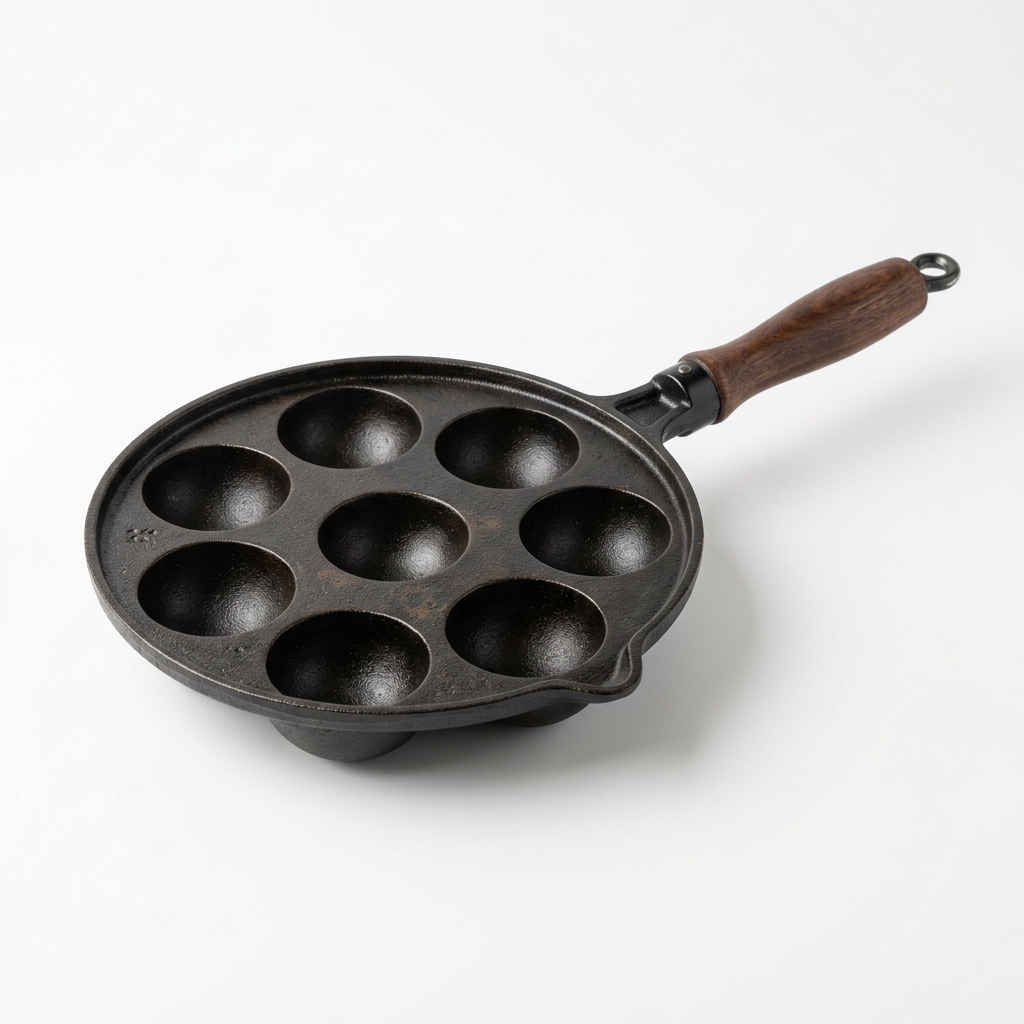
To create a perfect tamago-yaki, you will need some specialized equipment:
Make sure your spatula and pan are well-suited for the task. Non-stick pans are generally recommended, as they help in rolling the omelet without tearing.
The Traditional Tamago-Yaki Technique
Now that you have your ingredients and equipment ready, let’s move on to the cooking process. Creating tamago-yaki is a dance of timing, temperature, and attention to detail, and every step must be executed with care.
Step-by-Step Cooking Process
Follow these steps to create a classic tamago-yaki:
- Crack 4 to 6 eggs into a bowl.
- Add the sugar, soy sauce, mirin, and salt.
- Beat the eggs until the mixture is uniform, but be careful not to over-whisk; a few bubbles are acceptable.
- Place the pan over medium heat and allow it to warm for about 2 minutes.
- Lightly grease the pan with a bit of oil. A paper towel or a brush works well to ensure the oil is evenly distributed.
- Pour a thin layer of the egg mixture into the pan, just enough to cover the surface.
- Allow it to cook until the edges begin to set, about 1-2 minutes. Look for the center to remain slightly runny.
- Using your spatula, gently lift one edge of the omelet and fold it over to create a roll.
- Move the roll to the back of the pan, leaving the remaining space for more egg mixture.
- Pour another thin layer of the egg mixture into the empty space of the pan, ensuring it covers the bottom.
- Once the edges start setting, lift the roll of cooked egg and allow the liquid to flow underneath.
- Repeat the rolling process until all the egg mixture is used up.
- After the last layer is cooked, let the roll sit in the pan for another minute before transferring it to a cutting board.
Essential Tips for Perfecting Your Technique
Variations of Tamago-Yaki
While the basic tamago-yaki is a delightful treat on its own, it’s a versatile dish that can be adapted in many ways. Different regions in Japan and individual chefs have their own twist on this classic, leading to a variety of flavors and textures.
Sweet Tamago-Yaki (Kanto Style)
In the Kanto region, which includes Tokyo, the sweet version of tamago-yaki is more commonly prepared. This type incorporates additional sugar, resulting in a noticeably sweeter flavor profile.
- Increase sugar to 2-3 tablespoons
- Use the same base ingredients of eggs, soy sauce, mirin, and salt.
Savory Tamago-Yaki (Kansai Style)
Conversely, in the Kansai region, where Kyoto lies, a more savory version is favored. This typically involves omitting sugar altogether and might include dashi (a Japanese soup stock) to enhance the umami flavor.
- Replace sugar with 1-2 tablespoons of dashi
- Retain soy sauce and mirin for necessary seasoning.
Vegetable-Stuffed Tamago-Yaki
Adding vegetables to your tamago-yaki can provide both flavor and nutrition. Common additions include:
To incorporate these vegetables, sauté them lightly with a bit of oil before starting your omelet, and then layer them as you would with the egg mixture.
Seaweed Tamago-Yaki
Another popular variation includes nori, or seaweed. Adding shreds of nori to the egg mixture contributes a unique oceanic flavor.
- Finely cut nori and mix with the egg batter prior to cooking. This can easily be blended with any of the other variations mentioned.
Tamago-Yaki with Cheese
A more Westernized version includes cheese. This fusion spins tamago-yaki into a new realm, offering a rich, creamy twist that can melt in your mouth.
- Add a small amount of grated cheese such as cheddar or mozzarella into the egg mixture, or sprinkle a little on each layer before folding.
Cooking Method Comparisons: Tamago-yaki vs. Other Omelets
As we delve deeper into tamago-yaki, it's interesting to compare this Japanese technique with other types of omelets found around the world.
French Omelet vs. Tamago-Yaki
The French omelet, known for its luxurious creaminess, often includes fillings such as cheese, herbs, and different vegetables. Unlike tamago-yaki, which focuses on a layered technique, French omelets are folded rather than rolled.
- Tamago-yaki prioritizes layers and consistency, while French omelets focus on creaminess and richness.
- Seasoning is minimal in traditional French omelets, while tamago-yaki relies on the harmonious combination of soy sauce, mirin, and sugar.
Spanish Tortilla vs. Tamago-Yaki
The Spanish tortilla or “tortilla española” is a thick, hearty dish made with eggs and potatoes, and often onions, cooked slowly to achieve its signature texture.
- Tortilla española requires cooking the ingredients at a lower temperature for a longer time, whereas tamago-yaki is cooked quickly and in layers.
- The former serves as a filling main dish, while the latter is often a lighter side or an accompaniment to a meal.
Frittata vs. Tamago-Yaki
Frittatas are Italian-style egg dishes that resemble quiches without the crust, often filled with an array of vegetables and meats, similar in its mix-in approach to the Spanish tortilla.
- Frittatas are mixed and cooked all at once, while tamago-yaki’s layering method allows distinct textures and flavors to intermingle.
- Frittatas are baked or cooked on the stovetop, typically resulting in a denser dish compared to the fluffy, layered nature of tamago-yaki.
Tamago-Yaki: A Nutritional Perspective
Revered not just for its taste but also its nutritional profile, tamago-yaki offers several health benefits. Given that its primary ingredient is eggs, this dish provides a significant source of protein, essential vitamins, and minerals.
Benefits of Eggs in Tamago-Yaki
Possible Modifications for Dietary Needs
For those looking to reduce caloric intake or cholesterol, consider the following modifications:
Portion Control and Serving Suggestions
When serving tamago-yaki, consider it alongside other nutritious options for a balanced meal. Combine it with:
Conclusion
Mastering the art of tamago-yaki is not only about perfecting the technique; it is about embracing the culture and history behind this elegant dish. Through practice and experimentation, you can elevate your cooking skills and delight your taste buds with its lovely layers and delicate flavor. From understanding the right ingredients to exploring regional variations, this Japanese omelet offers a world of culinary possibilities waiting to be discovered.
As you venture into tamago-yaki preparation, remember that each flip, layer, and fold adds to the overall experience. Embrace the process, and don’t be afraid to make it your own. Whether you choose to indulge in the sweeter Kanto style or the savory Kansai version, the joy of tamago-yaki lies in its adaptability.
So why not invite some friends over for a cooking session? Introduce them to the wonderful world of tamago-yaki and share the experience of mastering this beautiful dish together. With each attempt, you will develop a deeper appreciation for the craft, connecting both with tradition and your personal culinary style. The next time someone admires your perfectly layered omelet, you can proudly say, “I made it from scratch — and I blame the chef inside me for this delightful creation!”
Get the Next Recipe
Weekly recipes, techniques, and gear picks — straight to your inbox.
