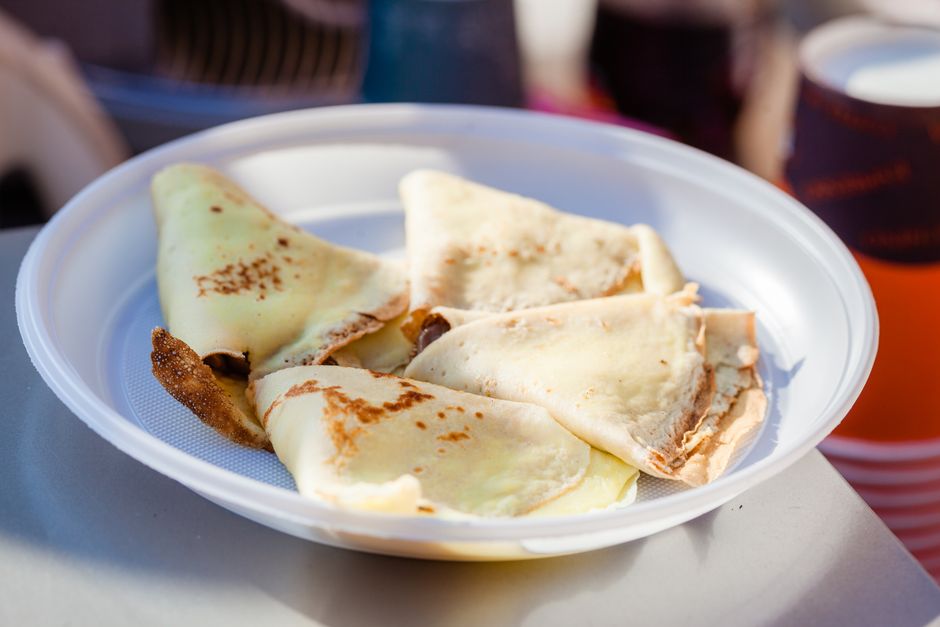
Mastering the Perfect Crêpe: Thin, Delicate, and Endlessly Versatile
There is a profound, almost hypnotic quality to the process of making a proper crêpe. It is a dance between the fluid grace of the batter and the searing heat of the pan, a delicate act of balance that separates the novice from the true home artisan. Many home cooks approach the crêpe with a sense of trepidation, fearing the dreaded tear or the rubbery texture that comes from overworking the mixture. However, I am here to tell you that mastery is well within your reach, provided you understand the physics of the proteins and the patience required for the batter to rest. Once you grasp the fundamental ratios and the rhythm of the swirl, you will find that these thin, ethereal pancakes are the ultimate culinary canvas for both sweet indulgence and savory sophistication.
The beauty of the crêpe lies in its deceptive simplicity, as it relies on only a handful of pantry staples: flour, eggs, milk, a pinch of salt, and a touch of melted butter. Yet, it is the manipulation of these ingredients that dictates the final outcome, from the crisp, lace-like edges to the velvety, supple center that melts upon the tongue. We often look to the street stalls of Paris or the bustling cafes of Brittany for inspiration, marveling at how a chef can flip a dozen crêpes in mere minutes without breaking a sweat. Through this guide, we will strip away the intimidation factor and break down the science behind the perfect crêpe, ensuring that your first attempt is as successful as your fiftieth. Prepare to transform your kitchen into a boulangerie, where the aroma of browning butter becomes the soundtrack to your weekend mornings.
"A crêpe is not merely a dish; it is a testament to the cook's patience. It demands a level of attentiveness that rewards the maker with a texture so fine it feels like spun silk on the palate."
As we dive into the technicalities of this journey, remember that failure is simply a part of the learning curve. Your first crêpe may be a bit thick or slightly misshapen, but do not be discouraged, for even the most seasoned chefs have discarded their fair share of imperfect pancakes in the quest for the golden ratio. We will explore the vital importance of resting the batter, the necessity of a well-seasoned non-stick surface, and the artistry of the wrist-flick that distributes the liquid gold with absolute precision. By the end of this journey, you will possess the confidence to craft crêpes that are not just edible, but truly masterful, elevating your repertoire to a level that will have your guests wondering if you spent years training in a French bistro.
The Chemistry of the Batter: Why Ratios Matter
The foundation of any exceptional crêpe begins long before the batter touches the heat of the pan. It begins with the mise-en-place and the careful balancing of your liquid-to-solid ratio. For a classic crêpe, you want a hydration level that is significantly higher than a standard American pancake, resulting in a batter that is thin enough to pour and spread almost instantly. We are aiming for the consistency of heavy cream. If your batter is too thick, you will end up with a dense, cake-like result; too thin, and it will lack the structural integrity to be flipped without disintegrating.
Achieving the Ideal Consistency
To achieve that perfect flow, I recommend a ratio of approximately 1 cup of all-purpose flour to 1.5 cups of whole milk and 3 large eggs. The eggs are your primary source of structure and flavor, while the milk provides the necessary moisture for the steam to create those signature bubbles and delicate lacing. Adding a tablespoon of melted, browned butter to the batter adds a depth of flavor that is truly unparalleled. Never skip the salt; it is the essential bridge that highlights the nuances of the flour and the richness of the dairy.
The Power of the Rest
Perhaps the most overlooked step in the entire process is the resting period. After you have whisked your batter until it is perfectly smooth, it must sit in the refrigerator for at least one hour, though two is ideal. This is not just a suggestion; it is a chemical necessity. During this time, the flour absorbs the liquid, allowing the gluten strands to relax. If you try to cook the batter immediately, the gluten will be tight and elastic, resulting in a rubbery crêpe that lacks that delicate, tender bite. By resting the batter, you ensure that the end product is supple, tender, and perfectly uniform.
The Equipment: Setting the Stage for Success
You do not need a specialized cast-iron crêpe griddle to make restaurant-quality crêpes, though a heavy-duty pan certainly helps. What you do need is a pan with a flat bottom and sloped, shallow sides. The slopes are critical, as they allow you to easily slide a thin spatula underneath the edges when it comes time to flip. A non-stick surface is your best friend here, as the delicacy of the batter makes it prone to sticking if the pan’s seasoning or coating is compromised.
Choosing Your Pan
For the best results, invest in a 10-inch or 12-inch non-stick skillet. This size allows for enough surface area to achieve that thin, delicate spread while being manageable enough for even the most amateur home cook to maneuver. If you find yourself gravitating toward this dish frequently, a dedicated carbon steel pan, once properly seasoned, offers heat retention that is superior to standard non-stick, providing that beautiful, consistent browning that defines a high-quality crêpe.
The Importance of the Spatula
Your choice of tool for flipping is equally important. I suggest a thin, flexible offset spatula or a heat-resistant silicone tool that can glide seamlessly between the crêpe and the pan. Avoid thick metal spatulas, as they will tear the delicate fabric of the crêpe. Your goal is to get underneath the edges in one fluid motion, keeping the structural integrity intact until the very moment of the flip.
"Mastering the wrist-flick is a physical exercise in grace. The pan should act as an extension of your own hand, guiding the batter in a circular dance until it covers the base in a thin, uniform layer of potential."
Mastering the Swirl: Technique and Temperature
Temperature management is the heartbeat of the kitchen. If your pan is too cold, the batter will sit and puddle, resulting in a pale, soggy crêpe. If it is too hot, the batter will set before you have the chance to swirl it into a perfect circle. You want to maintain a consistent medium heat. Before you pour the first ladle of batter, test the pan with a small droplet of water; if it skitters and evaporates instantly, you are ready for the main event.
The Pour and Swirl
Start by pouring roughly 1/4 cup of batter into the center of the preheated, lightly greased pan. Immediately lift the pan from the heat and tilt it in a circular motion, using the weight of the liquid to coat the bottom. This is where the wrist-flick comes into play. It should be a swift, confident motion. Do not worry if you have tiny gaps; you can always add a few drops of batter to fill them in before the crêpe sets.
Recognizing the Cues
How do you know when it is time to flip? Watch for the edges. When the perimeter of the crêpe begins to turn golden brown and lifts slightly away from the side of the pan, your work is almost done. Take your spatula, run it gently under the circumference of the crêpe, and then slide it underneath the center. A quick, confident lift and turn is all that is required. The second side takes roughly half the time of the first, usually only 30 to 45 seconds.
Sweet vs. Savory: Endless Variations
One of the greatest virtues of the crêpe is its neutral flavor profile, which makes it an ideal vessel for both sweet and savory fillings. When preparing for savory dishes, I like to incorporate fresh herbs, such as chives or thyme, directly into the batter. This adds an aromatic complexity that pairs beautifully with fillings like Gruyère cheese, sautéed mushrooms, or a perfectly fried egg.
The Sweet Side
For a dessert crêpe, you might consider adding a tablespoon of granulated sugar or a hint of vanilla extract to the base batter. The sugar encourages faster browning, which adds a lovely caramel note that balances perfectly with lemon curd, whipped mascarpone, or macerated berries. The key is moderation; keep the batter subtle so it does not overpower the delicate fillings you choose to layer inside.
The Art of the Fold
How you finish your crêpe is just as important as how you cook it.
Troubleshooting Common Crêpe Failures
Every chef has faced the frustrations of a batch that just won't cooperate. If your crêpes are tearing, it is almost always a sign that your batter is too thin or you have rushed the cooking process. Adding a tablespoon more flour can fix the consistency, but patience is the only cure for rushing. If your crêpes come out rubbery, the culprit is almost certainly over-mixing or skipping the mandatory rest period that allows the proteins to hydrate.
When Things Go Wrong
If your crêpes aren't browning evenly, check your heat source. Sometimes, the center of the pan is significantly hotter than the perimeter. Practice moving the pan slightly around the burner to ensure the heat is distributed across the entire surface. If your crêpes are coming out greasy, you are likely using too much fat to grease the pan. Use a paper towel to lightly dab a thin film of oil or butter onto the surface; you want just enough to prevent sticking, not enough to fry the batter.
The Perfectionist’s Checklist
Elevating the Presentation
A perfectly executed crêpe deserves a beautiful presentation. For sweet crêpes, a dusting of powdered sugar is classic, but consider adding a drizzle of high-quality dark chocolate ganache or a dollop of crème fraîche to add contrast. The goal is to provide a balance of texture and flavor that elevates the humble pancake into an elegant dish suitable for any brunch or evening gathering.
Plating Techniques
When serving multiple guests, keep your cooked crêpes warm by stacking them on a plate set over a pot of simmering water, covered with a kitchen towel. This prevents them from drying out while you work through the rest of the batter. Serve them unfolded with the toppings arranged alongside, allowing your guests the pleasure of customizing their own bites. It is an interactive, communal way to enjoy a meal that makes the effort of cooking feel like a celebration.
Incorporating Seasonal Flavors
Always lean into the seasons. In the spring, utilize fresh asparagus and hollandaise with a savory crêpe. In the summer, reach for peaches and honey. When autumn arrives, cinnamon-spiced apples and toasted walnuts become the star. Because the crêpe is so neutral, it is a blank canvas that changes its personality based entirely on what you choose to introduce to it, making it one of the most versatile items in any cook’s repertoire.
"True culinary skill is not about following a recipe to the letter; it is about understanding the soul of the ingredients. When you master the crêpe, you are mastering the art of the perfect, simple balance."
The Professional Chef’s Secret Weapon: The Clarified Butter Trick
If you want to achieve that authentic, restaurant-grade crunch and golden-brown hue, use clarified butter (ghee) to grease your pan. Regular butter contains water and milk solids that can burn at the high temperatures needed for a quick cook, often leading to charred, bitter spots. By using clarified butter, you remove the water and solids, leaving behind pure, decadent fat that can handle higher heat without losing its integrity.
How to Clarify Butter at Home
It is a simple process that takes only a few minutes. Melt a stick of butter over low heat in a small saucepan. Let it simmer gently until you see a white foam form on top and a layer of milk solids settle at the bottom. Skim off the foam with a spoon, and then carefully pour the clear, golden fat into a small jar, leaving the white solids behind. This liquid gold will store in your pantry or fridge for weeks and will change the way you cook everything, from crêpes to searing steaks.
Applying the Technique
Dip a small piece of folded paper towel into your jar of clarified butter and swipe it across the surface of your pan between each crêpe. This ensures a consistent, thin layer of fat that guarantees a uniform sear. The results are visible immediately: a crispier exterior, a more vibrant color, and a rich, buttery flavor that defines the classic French café experience. Once you start using clarified butter, you will never reach for standard cooking oil again.
Developing Your Culinary Instincts
As you grow more comfortable, you will find that you stop measuring every single drop and start cooking by feel. You will recognize when the batter needs an extra dash of milk because it feels too heavy, or when the pan needs a slight adjustment in heat because the browning is happening a bit too fast. This transition from "recipe follower" to "intuitive cook" is the hallmark of someone who has truly mastered their craft.
Trusting Your Senses
Pay attention to the smell of the batter and the sound of the pour. The hiss of the pan tells you about the heat level; the way the batter flows tells you about the hydration. These sensory details are the language of the kitchen. Do not be afraid to experiment with different types of flours, such as buckwheat for a traditional galette, or even incorporating a pinch of cinnamon or cardamom into your sweet batter base.
The Joy of Sharing
Food is ultimately an act of hospitality. Cooking crêpes for others is a generous gesture; it requires you to stand at the stove and focus your energy on creating a series of small, perfect moments for those at your table. Whether you are hosting an elaborate brunch or simply making a Tuesday night meal feel special, the effort you put into the technique and the care you take in the process will be felt in every bite. Keep your standards high, but keep your heart open to the process, and you will find that these thin, delicate creations bring a unique kind of joy to your home.
Final Thoughts
Mastering the perfect crêpe is an endeavor that rewards both precision and personality. While the science of the batter requires a disciplined approach, the act of cooking them is a creative exploration that allows you to bring your own flair to the table. From the moment you whisk the flour and milk together to the final fold on the plate, you are engaging in a tradition that spans generations, one that celebrates the elegance of simplicity.
As you look back on your journey from your first tentative attempt to the confident, rhythmic flipping of your latest batch, I hope you appreciate the growth you have achieved. You have learned that the resting of the batter, the heat of the pan, and the quality of your ingredients are the silent partners in your success. You have moved past the fear of failure and embraced the beauty of the process.
May your pans always be properly seasoned, your batter always perfectly rested, and your crêpes always as thin and delicate as the ones that inspired you to pick up the spatula in the first place. Continue to experiment, continue to feed the ones you love, and most importantly, never stop exploring the infinite possibilities that this simple, golden, lace-edged pancake provides. Your kitchen is now a space where technique meets soul, and that, in my estimation, is the greatest achievement of any chef, regardless of whether they are cooking in a five-star restaurant or their own home. Keep creating, keep mastering, and above all, keep enjoying the delicious art of the crêpe. You have earned your seat at the table of experts, and I am thrilled to have been a part of your culinary transformation. Never forget that behind every great dish is a cook who cared enough to master the fundamentals, and today, that cook is you. Happy cooking, and may your future crêpes always be perfectly thin and endlessly versatile.


Get the Next Recipe
Weekly recipes, techniques, and gear picks — straight to your inbox.
