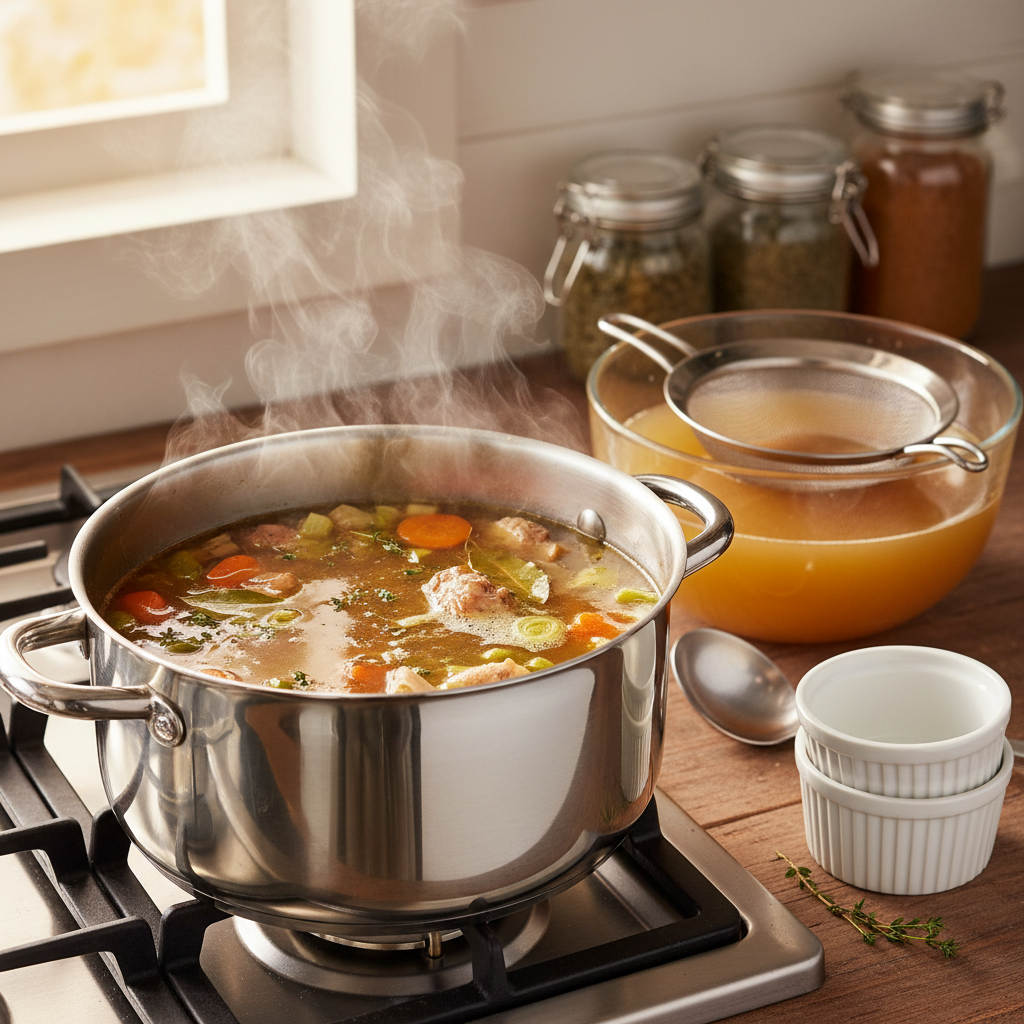
Mastering the Perfect Stock: The Backbone of Flavorful Cooking Techniques
Stock is one of the most essential components in culinary arts, often described as the foundation upon which countless dishes are built. It transforms ordinary meals into extraordinary experiences, enriching flavors and enhancing the overall dining experience. When prepared correctly, stock is a labor of love that rewards the cook not only with depth and complexity in flavor but also with a sense of accomplishment and pride in their craft. From soups and sauces to braises and risottos, stock is a chef's secret weapon, creating a symphony of tastes that can elevate even the simplest of recipes.
Understanding the art of stock-making is more than just following a recipe; it’s about grasping the principles of flavor extraction, ingredient synergy, and proper technique. The joyous act of simmering bones, aromatic vegetables, and herbs is a science that, when mastered, can vastly improve your culinary repertoire. In this exploration of stock, we will delve into its types, essential techniques, and professional tips that can help you create a stock worthy of the finest kitchens.
As we embark on this journey, prepare to discover the various intricacies of stock-making, from selecting the right ingredients to controlling temperatures and extraction times. This guide will provide you with an in-depth understanding of not just how to create stock, but why each step matters. Whether you're a novice in the kitchen or an experienced home cook looking to refine your skills, mastering stock is a step toward unlocking a world of flavorful cooking techniques that will elevate all your culinary creations.
Understanding the Basics of Stock
Before diving into the mechanics of stock-making, it’s essential to understand what stock is and how it differs from other similar culinary preparations like broth and consommé. Stock is made by simmering bones (often with some meat attached); aromatic vegetables; and herbs, resulting in a rich, flavorful liquid that serves as a base for many dishes. Unlike broth, which is typically made from simmered meat and can be consumed on its own, stock emphasizes bones as the primary ingredient, extracting collagen and other flavor compounds that deepen the texture and richness of your final dish.
What Makes Stock Different from Broth?
While both stock and broth can provide an excellent foundation for soups and sauces, the distinction lies in the ingredients used and the resulting flavor profile. Here are some key differences to keep in mind:
A well-made stock will form a delightful gelatinous texture when cooled, indicating a good extraction of collagen. As it cooks, this gelatin helps to bind the flavors of your final dishes, giving them a lip-smacking mouthfeel.
The Importance of Ingredients
The quality of your stock hinges on the quality of your ingredients. Fresh, high-quality bones will yield the best flavor, while organic vegetables will contribute to a cleaner taste. Here are some key ingredients for traditional stock:
Investing in high-quality ingredients not only enhances the flavor but also sets the stage for elevating your culinary creations.
Steps to Making Stock
Creating stock may seem straightforward, but there are specific techniques that can significantly impact the final product. Mastering these steps will empower you to create exceptional stock consistently.
Choosing the Right Bones
The first step in making stock is selecting the right bones. Different types of bones will produce different flavors and textures. Here’s a breakdown of common bone types:
Preparing Your Ingredients
Before you start the cooking process, proper preparation of your ingredients is crucial. Here are the steps you should take:
Cooking and Simmering
When making stock, the cooking time and temperature are vital. Follow these general guidelines:
Straining and Storing
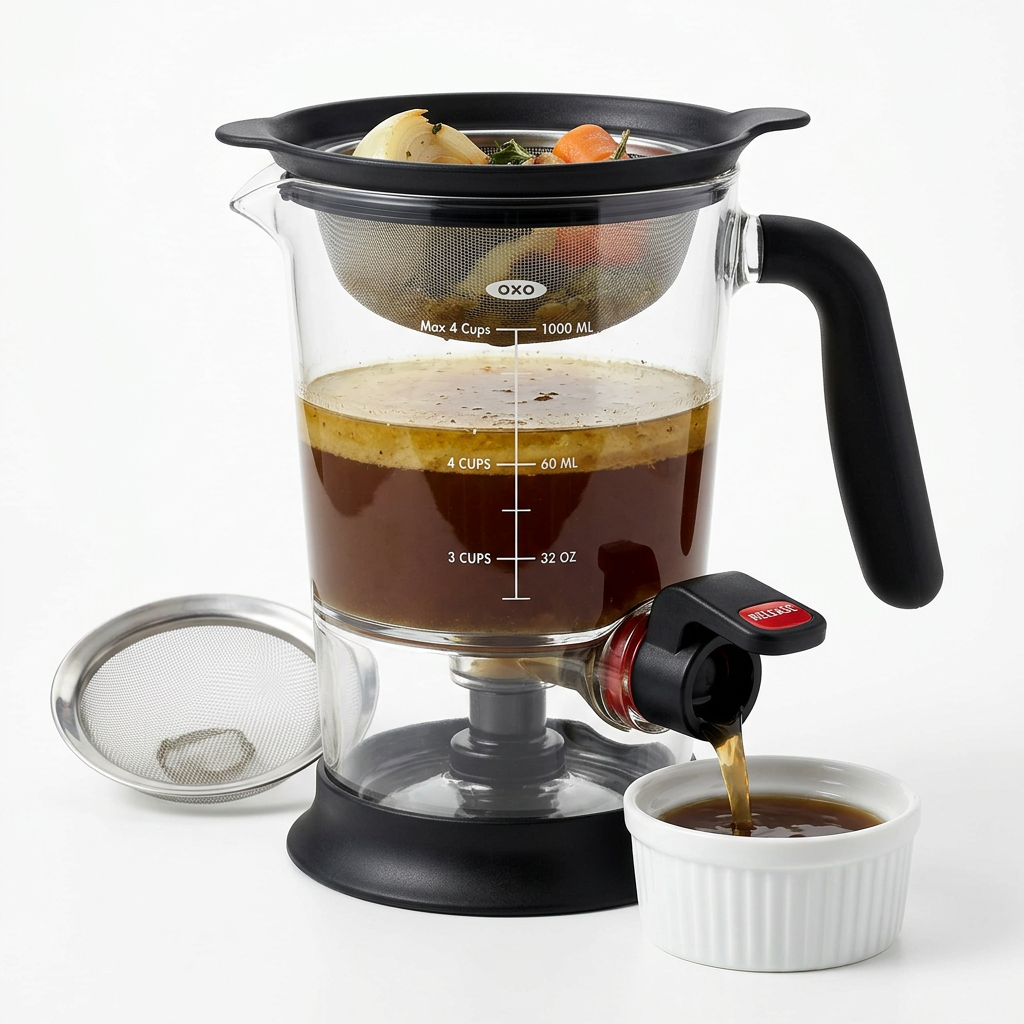
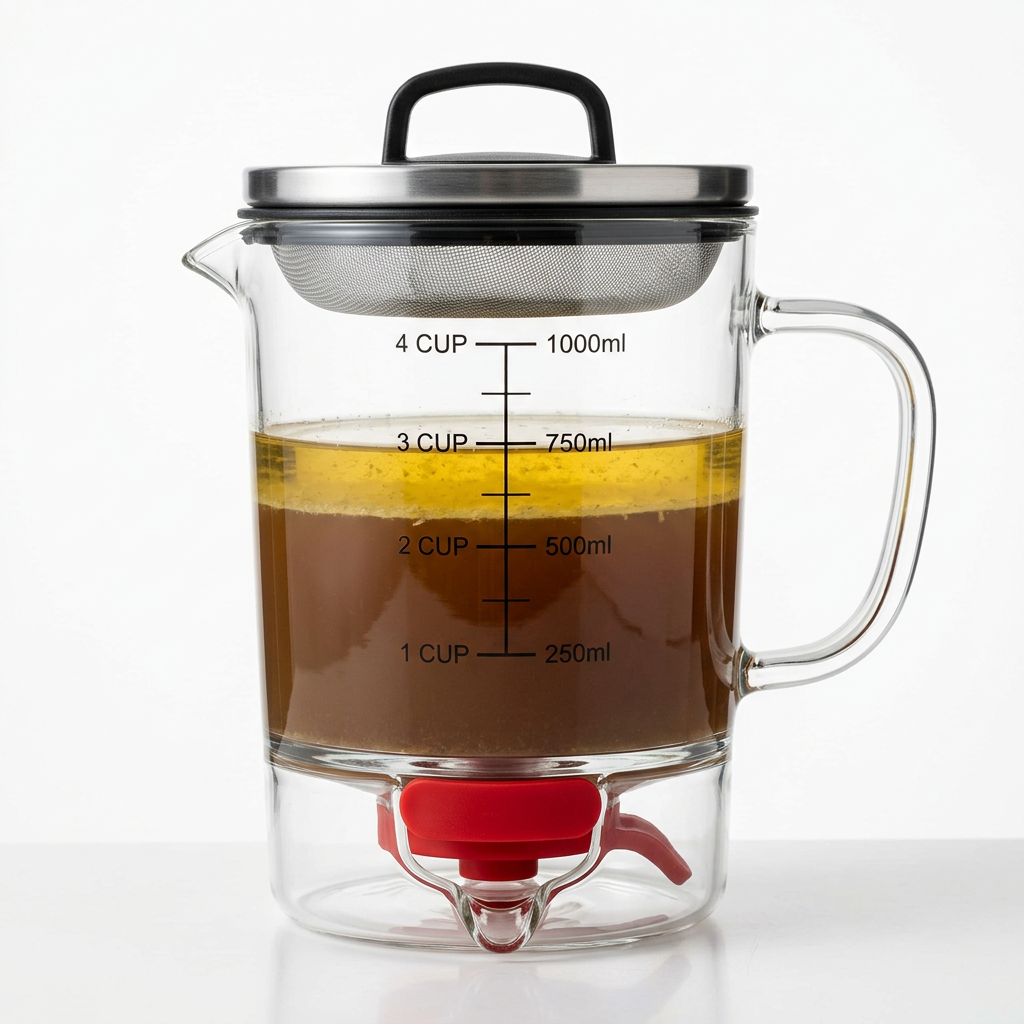
After your stock has simmered for the right amount of time, it's time to strain and store:
"The secret to exceptional stock lies not just in the time spent simmering, but in choosing the right ingredients and technique. Your stock defines the baseline of flavor in countless dishes—invest in it and reap the culinary rewards."
Types of Stocks and Their Uses
Understanding the different types of stock can help you enhance your cooking repertoire, allowing you to choose the right base for various dishes. Let's delve into some common varieties and when to use them.
Chicken Stock
Chicken stock is a versatile staple in cuisine, perfect for soups, stews, sauces, and risottos. Because it's generally lighter and more delicate than beef stock, it enhances the flavors of poultry and seafood dishes.
When making chicken stock, feel free to include leftover roasted chicken bones, which will add richness and depth. The steps remain largely the same, though you might want to adjust the mirepoix ratio, using more onion for sweetness if desired.
Beef Stock
Beef stock is robust and assertive, making it ideal for hearty dishes. Its rich flavor pairs well with braised meats, rich soups, and sauces, such as demi-glace.
Roasting the bones as recommended will contribute to the dark color and savory profile that distinguishes beef stock. Additionally, you can add other vegetables like leeks or parsnips to diversify the flavor profile.
Vegetable Stock
For a vegetable stock, focus on a variety of vegetables to create a well-rounded flavor. Leeks, mushrooms, tomatoes, and herbs can add umami, while carrots and celery provide sweetness and depth.
Fish Stock
Fish stock or “fumet” is a light, aromatic stock made from fish bones and heads, enhanced by the addition of white wine or acid, such as lemon juice, during cooking. The stock's delicate flavor is best utilized in seafood soups, sauces, or risottos, where a lighter base is desired.
Specialty Stocks
Consider experimenting with other specialty stocks, such as:
Elevating Your Stock Game with Flavor Enhancing Techniques
Once you are proficient in making a classic stock, you can begin to explore various techniques and enhancements to create more complex flavors in your stocks. Here are a few professional tips to elevate your homemade stock.
Infusing Flavor with Roasting and Browning
Roasting your bones and vegetables isn't just a step—it’s a crucial flavor enhancement technique. This process adds depth and richness, creating caramelized notes that translate beautifully into your stock.
"Roasting is transformative—what starts as raw ingredients becomes a rich symphony of flavors, shaped by heat and time."
Tips for Effective Roasting:
Enhancing Flavor with Acid
Acid plays a fundamental role in stock-making—it helps breakdown connective tissues in bones while also lifting the overall flavor profile.
Layering Aromatics and Herbs
While the classic mirepoix is essential, consider integrating other flavorful aromatics:
Using Spice Blends
Incorporate spices to enhance flavor. Whole spices like peppercorns, cloves, or allspice berries can bring warmth and complexity. Be mindful of the quantity; a teaspoon can go a long way.
Common Mistakes to Avoid While Making Stock
Even seasoned cooks can end up making stock that falls short of perfection. Here are some common pitfalls and how to avoid them:
Creative Uses for Stock in Your Cooking
Once you've mastered stock-making, the next step is to integrate your stock into various dishes creatively. Here are some applications that highlight the rich flavors of your finished stock:
Soups, Stews, and Sauces
Risottos and Grains
Utilizing stock instead of water when cooking grains or rice adds a significant depth of flavor. Risotto benefits greatly from stock, adding a creamy texture and richness that water simply cannot provide.
Braises and Roasted Dishes
When braising meats, use stock to keep the proteins moist while developing deep flavor profiles. You can also use it as a base for gravies and finishing sauces.
Conclusion
Mastering the art of stock-making is an invaluable skill that enhances not only your dishes but also your overall cooking prowess. The flavor complexity and richness derived from homemade stock stand in stark contrast to store-bought varieties and wield the potential to elevate your culinary creations. As you experiment with different types of stock, cooking times, and ingredient combinations, don’t hesitate to embrace creativity and make the process your own.
Incorporating homemade stock into your repertoire empowers you as a cook, offering control over flavors and textures, and a deeper understanding of the foundations of good cooking. By following the techniques outlined in this guide and avoiding common mistakes, you can confidently craft a stock that serves as the hallmark of your culinary artistry. Embrace the journey of preparing stock, and take pride in the depth of flavor it brings to your dishes. Remember, each pot of stock is a testament to the time and attention invested in your craft—it’s the backbone of a well-cooked meal and a true joy for any dedicated chef. Happy cooking!
Get the Next Recipe
Weekly recipes, techniques, and gear picks — straight to your inbox.
