Meal Prep Strategies That Actually Work
Tips

Meal Prep Strategies That Actually Work

C
By The Chef
|January 30, 2026|11 Min Read

Meal prepping has become a buzzword in the culinary world, often touted as the panacea for modern-day eating challenges. With busy schedules and a plethora of dietary preferences, many home cooks find it daunting to balance nutritional wellness with convenience. This blog post aims to demystify meal prep by providing effective strategies that not only save time but also enhance your cooking skills and elevate the flavor profiles of your dishes. Whether you are a novice or a seasoned cook, mastering meal prep can streamline your weeknight dinners, encourage healthier eating habits, and even reduce food waste.

By taking the right approach to meal prep, you can make wholesome, delicious meals without spending hours in the kitchen each weekday. Imagine coming home after a long day, and instead of scrambling for dinner ideas or resorting to takeout, you have already prepared several well-balanced meals waiting for you in the fridge. This is the beauty of a well-organized meal prep strategy. It liberates you from last-minute decisions and empowers you to enjoy cooking and eating more fully. Plus, it gives you the control to customize meals to suit your taste and nutritional needs.

In this blog post, we will explore various meal prep strategies that work effectively for different lifestyles. Whether you are prepping for a family of four, just two, or even yourself, understanding the foundational principles will set you up for success. We'll look into techniques for adopting efficient grocery planning and storage methods while also spotlighting some amazing recipes that you can easily recreate at home. So, roll up your sleeves—it's time to transform your culinary experience with meal prep!

Understanding the Basics of Meal Prep

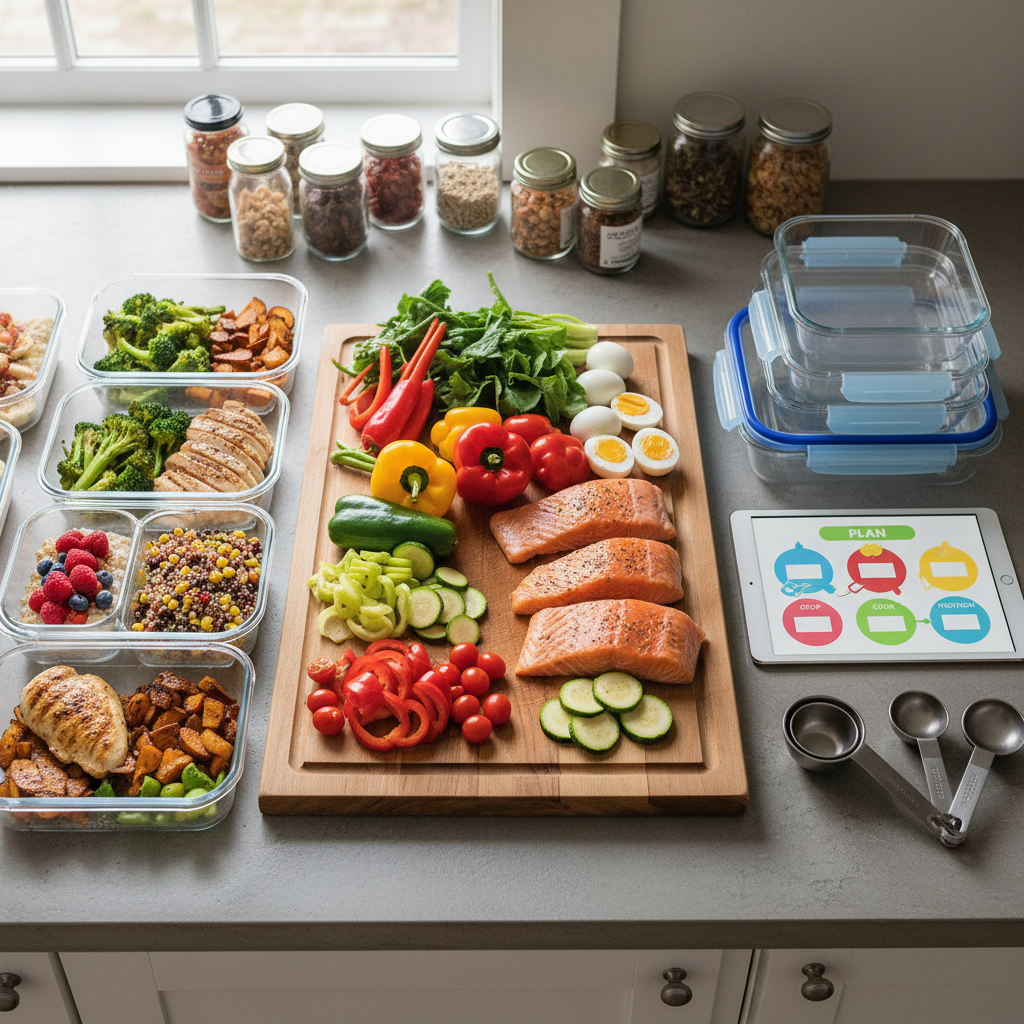
Before diving into the strategies and techniques for effective meal prep, it's essential to understand what it entails. Meal prep refers to the process of preparing your meals ahead of time so that you can enjoy fresh, homemade food throughout the week. This can involve cooking entire meals in advance, preparing components like proteins and grains separately, or simply chopping vegetables and pre-portioning snacks.

The Benefits of Meal Prepping

1.Time-Saving: One of the primary advantages of meal prepping is the time saved. By dedicating a few hours over the weekend or your day off, you can prepare meals for the entire week. With everything ready to go, the only task left during the week is reheating or assembling your dishes.
2.Cost-Effective: Buying ingredients in bulk for your meal prep can substantially reduce grocery bills. You'll also cut down on impulse purchases, as your grocery list will be designed solely around your meal plan.
3.Nutritional Control: When you cook your meals, you have full control over ingredients and portion sizes. This autonomy can lead to healthier choices and better-balanced meals, resulting in improved well-being.
4.Reduced Food Waste: Meal prepping encourages you to utilize the ingredients you’ve purchased, minimizing the chances of produce going bad and ultimately ending up in the trash.
5.Variety and Flavor: With a plan in place, there's no need to stick to monotonous meals. You can diversify your menu by incorporating different cuisines or flavor profiles that excite your palate.

Planning Your Meal Prep

Setting Goals

The first step in effective meal prep is to define your goals. Are you cooking for weight loss, muscle gain, or simply for efficiency? Be specific about what you want to achieve with your meal prep. Here are some questions to consider:

●How many meals do you need to prep for the week?
●Are you cooking for yourself, partners, children, or a larger family?
●Do you have any dietary restrictions or specific nutritional goals you want to meet?

Crafting a Meal Plan

Once your goals are clear, the next step is creating a meal plan. A well-defined meal plan can help streamline your grocery shopping and cooking efforts. Start small if you're new to meal prep:

1.Choose Your Meals: Select 5-7 recipes that resonate with your palate. Aim for diversity in protein sources (chicken, fish, legumes), grains (brown rice, quinoa, whole wheat pasta), and vegetables (leafy greens, root vegetables).
2.Define Portions: Determine portion sizes for each meal based on your nutritional needs. A good rule of thumb is:

- Proteins: 4-6 ounces (about the size of your palm).

- Vegetables: Fill half your plate—think about 2 cups per meal.

- Grains: Aim for 1 cup for a balanced meal.

3.Inventory Ingredients: Before you head to the grocery store, check your pantry and fridge to see what items you already have. This can prevent duplicate purchases and save you money.

Grocery Shopping Tips

Once you have your plan in place, it’s time to shop smart. Here are some effective strategies for grocery shopping:

●Make a List: Based on your meal plan, compile a grocery list that outlines all the items you’ll need. Stick to this list to avoid unnecessary purchases.
●Shop the Perimeter: Most grocery stores are designed so that fresh produce, meats, and dairy items line the perimeter. These are generally healthier options compared to processed foods found in the center aisles.
●Buy in Bulk: Items like grains, legumes, nuts, and frozen produce can often be purchased in bulk at a better price point. This is especially valuable for meal prep, as you can store these items for longer and utilize them across multiple meals.

"Great meals begin with great ingredients. A solid grocery list is your first step to culinary success!"

Cooking Techniques for Meal Prep

Batch Cooking

One of the most time-efficient techniques in meal prepping is batch cooking. This means preparing large quantities of a dish at once, which you can later portion out for the week. Here are some tips for effective batch cooking:

●Choose Compatible Recipes: Select dishes that can share ingredients or flavors. For example, a roasted chicken can be paired with various sides like quinoa, roasted vegetables, or salads.
●Cooking in Layers: Utilize oven space effectively. If you're roasting vegetables, consider adding them to the same baking sheet as your protein, infusing flavors and saving on dishes.
●Cook Once, Eat Twice: Always double your favorite recipes. If you're already making a pot of chili, consider cooking a little extra and freezing portions for a future date.

Smart Storage Solutions

How you store your meal prep can significantly impact its freshness and longevity. Here’s how to optimize your storage efforts:

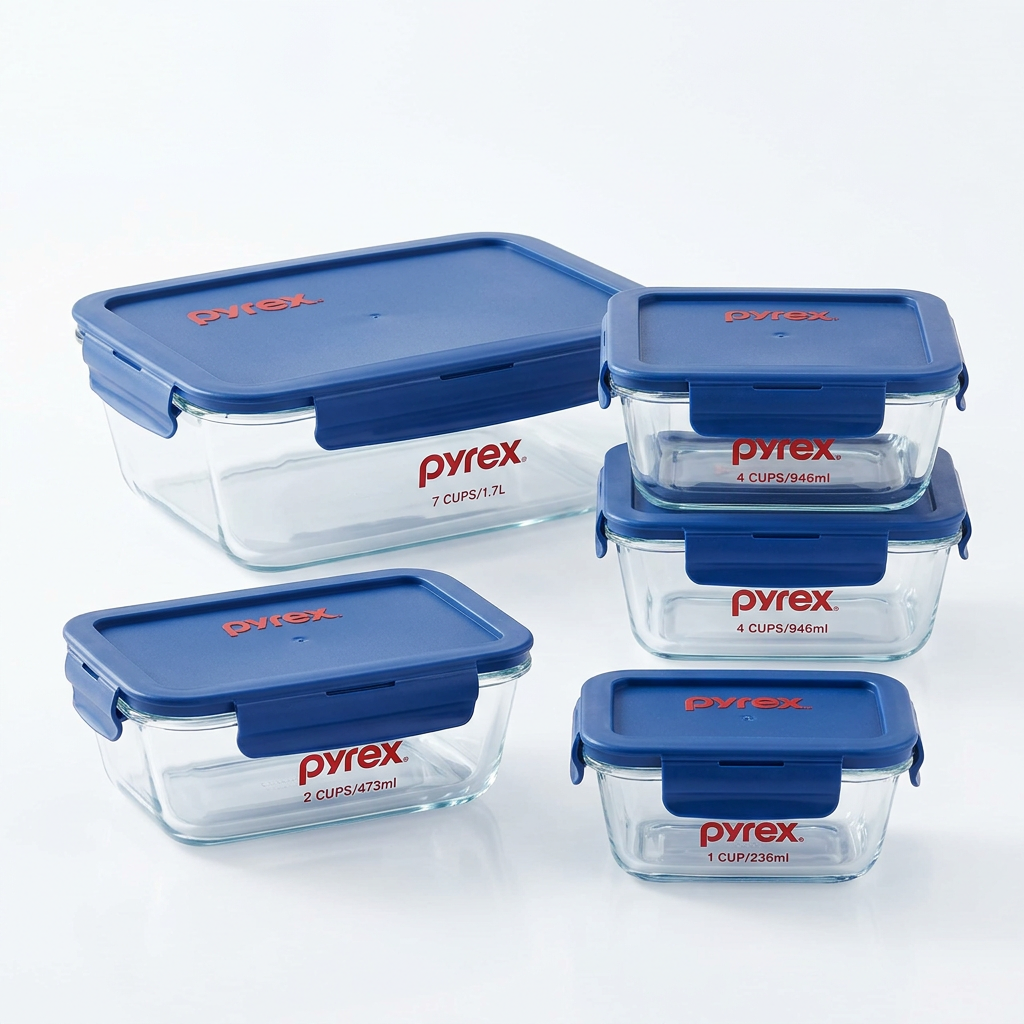
●Choose the Right Containers: Invest in good quality, microwave-safe containers that are leak-proof. Glass containers are a durable option and usually more environmentally friendly than plastic.
●Labeling: Use labels to mark the contents and date of each container. This way, you can easily grab meals without confusion. Consider using masking tape and a permanent marker for easy identification.
●Cool Before Storing: It’s essential to let cooked meals cool to room temperature before sealing them in containers. This prevents condensation, which can make food soggy.

Freezing for Freshness

Freezing is an excellent technique to extend the shelf life of cooked meals while maintaining flavor and nutrition. Here’s how to do it right:

●Portion Control: Divide meals into single or double servings based on your needs.
●Use Freezer Bags: For items like soups or stews, consider using freezer bags to save space. Make sure to flatten them to eliminate excess air.
●Label Everything: Note the contents and the date on each bag to ensure you enjoy your meals at their peak freshness.

Assembling Your Meal Prep Menu

Proteins

Cooked proteins are a staple in most meal prep routines, providing the necessary sustenance to keep you energized throughout the day. Here’s how you can effectively plan your protein options:

●Chicken Breast: Bake chicken breasts seasoned with olive oil, salt, pepper, and herbs at 400°F (204°C) for about 20-25 minutes. This method retains moisture and ensures a juicy outcome.
●Ground Turkey or Beef: Sauté ground turkey or beef with garlic, onions, and spices until fully cooked. This process generally takes about 7-10 minutes.
●Legumes: If you’re leaning towards plant-based meals, consider cooking batches of lentils or chickpeas. These typically take around 20-30 minutes to cook on the stovetop or can be easily canned to save time.

"Protein is the backbone of your meal prep. Versatile, nutritious, and delicious, it can transform a simple dish into a filling feast."

Grains

Grains are an essential part of meal prep as they serve as the satisfying base for many dishes. Here are a few tips for incorporating grains:

●Brown Rice: Cook brown rice in a ratio of 1:2 (1 cup of rice to 2 cups of water) in a rice cooker or on the stovetop for approximately 45 minutes. Ensure it’s fluffy by letting it steam with the lid on for an additional 10 minutes after cooking.
●Quinoa: Quinoa cooks quickly, usually within 15 minutes. Use a ratio of 1:2 (1 cup quinoa to 2 cups water) and bring to boil, then simmer with the lid on.
●Whole Wheat Pasta: When preparing pasta, cook according to package instructions but consider undercooking by a minute or two if you plan to reheat it.

Vegetables

Vegetables should be your priority when meal prepping, adding color, taste, and nutrition to your plates. Here are some effective ways to prep vegetables:

●Roasting: Roasting vegetables brings out their natural sweetness. Toss your favorites—such as bell peppers, zucchini, or broccoli—in olive oil, salt, and pepper, and roast at 425°F (218°C) for about 20-30 minutes.
●Steaming: Steaming keeps nutrients intact. Consider steaming vegetables like green beans or carrots for 5-8 minutes until they're tender-crisp.
●Raw Prep: Fresh salads are an excellent option for meal prep. Chop vegetables like cucumbers, bell peppers, and carrots ahead of time. Store in airtight containers with a damp paper towel to maintain freshness.

Meal Prep for Special Diets

Vegan and Vegetarian Meal Prep

Plant-based diets are growing in popularity for their health benefits. When prepping meals for a vegan or vegetarian diet, focus on incorporating a variety of proteins like legumes and nuts, combined with whole grains and plenty of vegetables to ensure well-rounded nutrition.

1.Lentil Stew: A warming and hearty dish. Sauté onions, garlic, and ginger before adding lentils and vegetable broth. Cook over medium heat for 30-35 minutes.
2.Quinoa Salad: Combine cooked quinoa with diced vegetables, beans, olive oil, and lemon juice. This can be made ahead and stored for five days.
3.Chickpea Curry: Cook chickpeas with diced tomatoes, coconut milk, and spices like cumin and turmeric. Serve with rice for a comforting meal.

Gluten-Free Meal Prep

For those following a gluten-free diet, meal prep can be accommodating without sacrificing flavor or satisfaction. Substitute grains with gluten-free options, ensuring you check for gluten-free labels on packaged products.

1.Zucchini Noodles: Use a spiralizer to create "zoodles" that can be sautéed in olive oil for a low-carb pasta alternative.
2.Cauliflower Rice: Pulse cauliflower florets in a food processor until rice-sized. Sauté for 5 minutes for a great side dish.
3.Oven-Baked Sweet Potatoes: Roast sweet potatoes until tender. They can serve as a delicious base for various toppings—like black beans, salsa, or avocado.

Tips for Staying Consistent with Meal Prep

Keep It Simple

One of the biggest challenges to successful meal prep is overcomplicating the process. Focus on easy-to-follow recipes that are likely to become weekly staples. Avoid trying to impress everyone with gourmet dishes every time; your meal prep should be about efficiency and nourishment.

Make It a Family Affair

Involve family members in the meal prep process to create a sense of teamwork. Assign each person a role—some can chop vegetables, others can sauté proteins—making it a fun bonding activity.

Stay Flexible

Life happens! Meal prep is meant to ease your week, not to add stress. If you find that a particular recipe doesn’t work for you one week, modify it or swap it out for something else. Being adaptable is key to long-term success with meal prepping.

Conclusion

Mastering the art of meal prep can not only change the way you cook but also enhance your overall well-being. With the right strategies in place, you will discover the joys of cooking and eating at home more frequently, all while staying on track with your dietary goals. Remember that practice makes perfect; the more you engage with meal prep, the more intuitive the process becomes.

As you embark on this meal-prepping journey, consider the tips and techniques outlined here as foundational tools that you can build upon. Personalize your meal prep to reflect your tastes and lifestyle to truly make it work for you. Here's to filling your week with flavorful, nutritious meals that make your time in the kitchen enjoyable and stress-free!

"In the world of home cooking, prep is not just a task; it's the promise of delicious meals to come."

By embracing these meal prep strategies, you’re not just preparing food—you're nurturing your spirit, stimulating your creativity, and taking control of your health, one meal at a time. Happy cooking!
🧰 Gear for this recipe
Tools our chefs reach for when cooking this
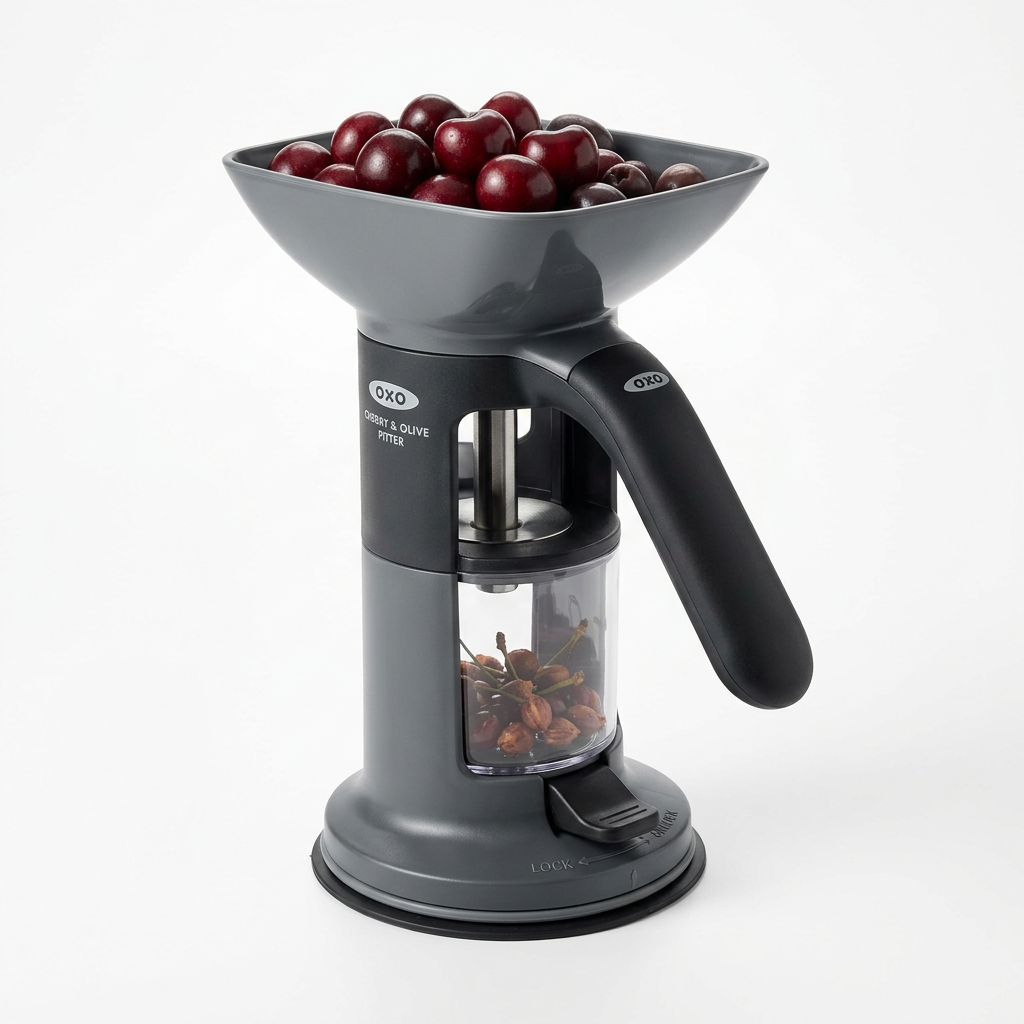
OXO Cherry and Olive Pitter
Prep Tools
OXO Cherry and Olive Pitter
★★★★★4.5
$15-$20
View on Amazon
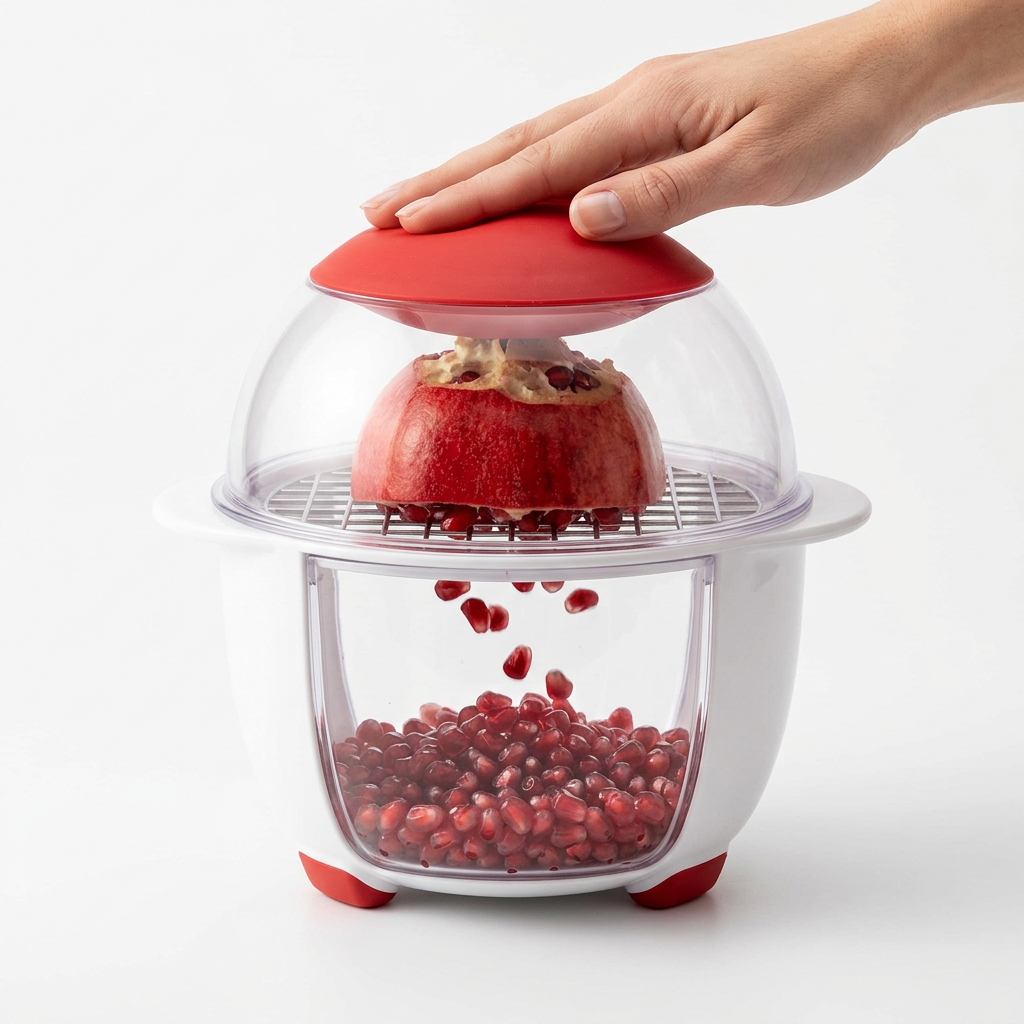
Pomegranate Deseeder Bowl
Prep Tools
Pomegranate Deseeder Bowl
★★★★★4.4
$12-$18
View on Amazon
Pyrex 8-Piece Glass Storage Set
Storage
Pyrex 8-Piece Glass Storage Set
★★★★★4.7
$30-$45
View on Amazon
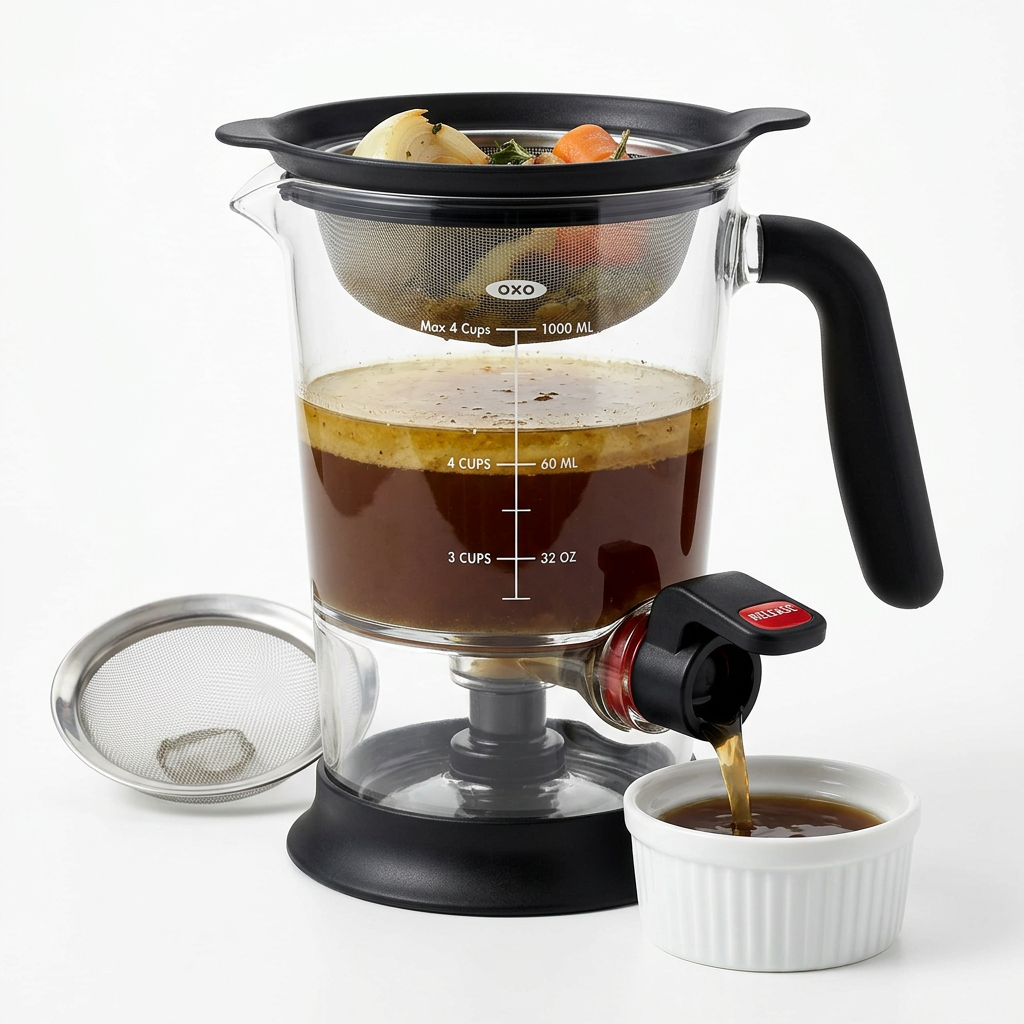
Fat Separator Glass Bottom-Release Valve
Prep Tools
Fat Separator Glass Bottom-Release Valve
★★★★★4.6
$15-$22
View on Amazon

As an Amazon Associate we earn from qualifying purchases.

🍳

Get the Next Recipe

Weekly recipes, techniques, and gear picks — straight to your inbox.

No spam, ever. Unsubscribe anytime.

YesChef - Learn from the world's best chefs
© 2026 Blame The Chef
🍳

Never Miss a Recipe

Weekly recipes, kitchen tips, and gadget picks — straight to your inbox.

No spam, ever. Unsubscribe anytime.