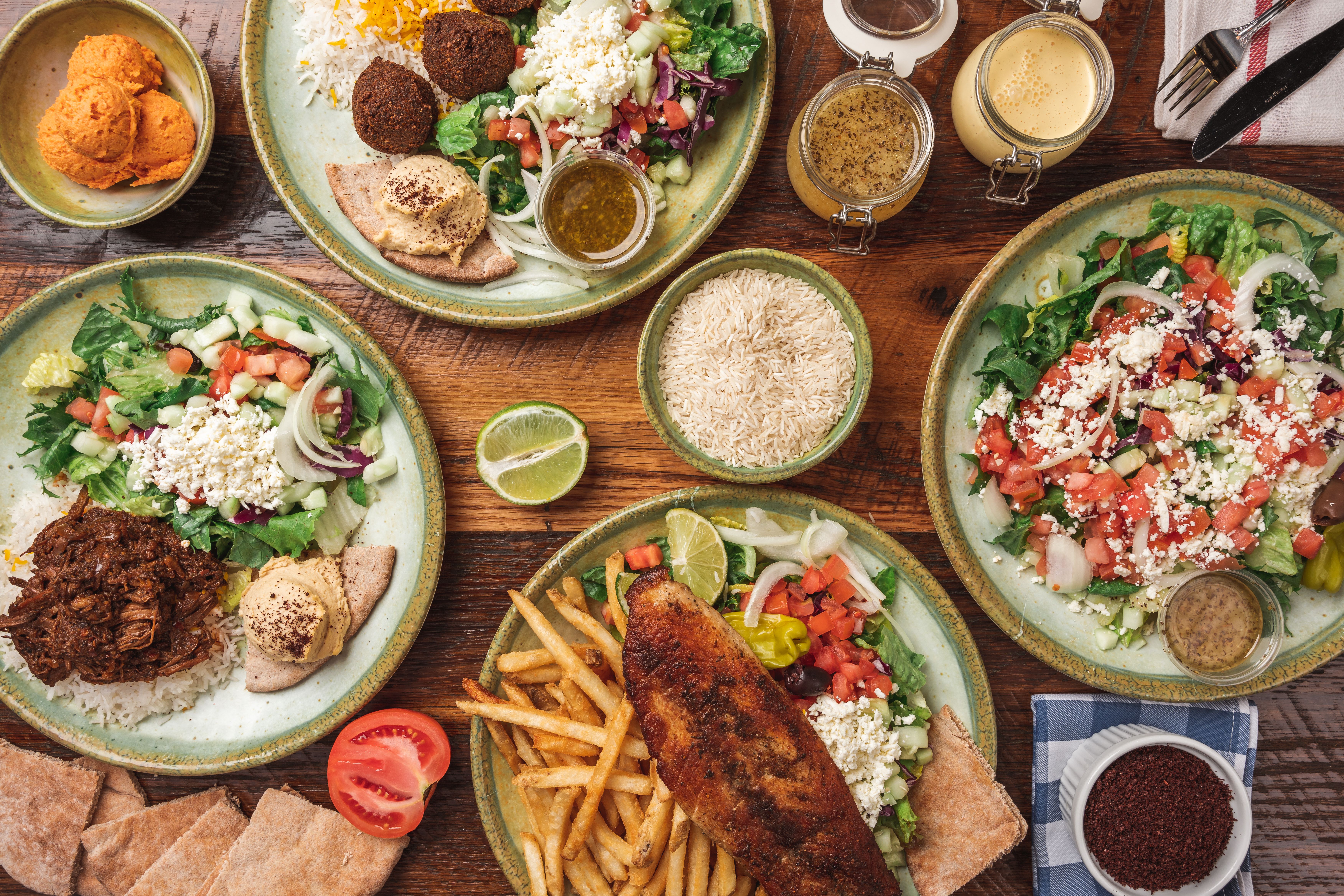
The sun-soaked shores of the Mediterranean are not just a geographical marvel; they serve as a culinary beacon filled with rich history, vibrant flavors, and healthful ingredients. With an emphasis on freshness, seasonality, and simplicity, Mediterranean cuisine offers a treasure trove of dishes that are not only delicious but also promote longevity and wellness. The heart of this cuisine rests in the use of high-quality olive oil, fresh fruits and vegetables, whole grains, and an array of herbs and spices. Each ingredient tells a story rooted in tradition while inviting culinary exploration.
In the Mediterranean way of cooking, meals are often crafted with a sense of community in mind. Family gatherings and shared experiences revolve around food, enhancing the pleasure of cooking and eating together. The approach \(and the underlying philosophy\) celebrates seasonal availability—an embodiment of savoring life’s simple pleasures. From the bustling markets in Marrakech to the olive groves of Greece, the culture of the Mediterranean is alive in every bite. As we dive deeper into this culinary journey, let’s explore the essential elements that define Mediterranean cuisine, focusing specifically on how to cook with olive oil, harness the power of fresh ingredients, and embrace the timeless traditions that have passed through generations.
Embarking on the adventure of Mediterranean cooking allows you to create meals that are not only wholesome but also enrich your palate with diverse flavors. This blog post will serve as a comprehensive guide to elevating your culinary skills while paying homage to the techniques that have shaped Mediterranean dishes. Whether you’re eager to learn how to properly select olive oil or how to balance flavors with fresh herbs, this guide will equip you with the knowledge you need. So, let’s roll up our sleeves, ignite our passion for cooking, and celebrate the Mediterranean way of life, one dish at a time.
Understanding Olive Oil: The Liquid Gold of the Mediterranean
No ingredient is more quintessential to Mediterranean cooking than olive oil. Often referred to as liquid gold, it is essential not only for cooking but also for enhancing flavors and showcasing the natural qualities of fresh ingredients. Understanding the different types of olive oils and their uses can greatly enhance your culinary skills.
Types of Olive Oil
When it comes to cooking with olive oil, familiarize yourself with the three primary types available:
1.Extra Virgin Olive Oil (EVOO): This is the highest quality olive oil, produced from the first cold pressing of olives. It contains the most nutrients and antioxidants, and its rich flavor makes it perfect for drizzling over salads, finishing dishes, or using as a dip for bread.
2.Virgin Olive Oil: Slightly lower in quality than extra virgin, virgin olive oil is also cold-pressed but with slightly higher acidity. It is more suitable for cooking at moderate temperatures, making it great for sautéing or baking.
3.Refined Olive Oil: This type goes through processing to neutralize the flavor and acidity. While it has a higher smoke point suitable for frying, it lacks the bold flavors and health benefits of virgin oils.
Knowing these distinctions helps you choose the right olive oil for your culinary needs. Remember, the quality of olive oil can significantly impact the flavor profile of your dish.
Selecting Quality Olive Oil
When selecting olive oil, consider the following tips to ensure you’re getting the best quality:
●Check for certifications: Look for oils that have certifications like PDO (Protected Designation of Origin) or PGI (Protected Geographical Indication), which guarantee their authenticity and quality.
●Examine the packaging: Good olive oil is packaged in dark glass or tin to protect it from light, which can degrade quality.
●Look for harvest dates: Freshness is key. Ideally, choose olive oils that list a harvest date on the label, preferring oils that are less than a year old.
●Taste before you decide: If possible, sample the oil straight from the bottle. High-quality olive oil should have a balance of fruitiness, bitterness, and pungency, with no off-flavors.
“A drizzle of high-quality olive oil can elevate the simplest dishes, turning an ordinary meal into something extraordinary.”
Culinary Techniques with Olive Oil
Using olive oil in the kitchen calls for a variety of techniques:
1.Drizzling and Finishing: Use olive oil to finish dishes. A light drizzle over grilled vegetables, pasta, or a fresh salad can add a flavorful touch.
2.Sautéing and Roasting: Incorporate extra virgin or virgin olive oil in your sautéing for vegetables or proteins. Aim for moderate heat, as high temperatures can compromise its health benefits. A perfect temperature for sautéing is around *325°F (165°C)*.
3.Marinades and Dressings: Olive oil is a great base for marinades and dressings. Combine it with acid (like lemon juice or vinegar), herbs, and spices for a flavorful dip or dressing. A standard ratio for vinaigrette is *3:1 (oil to acid)*.
4.Baking: While butter is often used in baking, olive oil can be a healthier substitute in certain recipes, imparting moisture and flavor, particularly in cakes and breads. When substituting, use approximately *3/4 the amount of olive oil for the butter*(i.e., for every 1 cup of butter, use 3/4 cup of olive oil).
The Bounty of Fresh Ingredients
At the heart of Mediterranean cuisine lies an abundance of fresh ingredients. This region’s culinary style draws from nature, emphasizing what is in season and locally available. Understanding how to select and utilize fresh produce, meats, and dairy can enhance not only the taste of your dishes but also their nutritional value.
Seasonal Vegetables and Fruits
Seasonality is a cornerstone of Mediterranean cooking. Here are some staples that highlight the richness of the season:
●Summer: Tomatoes, peppers, eggplants, and zucchini burst with flavor during this time. Create ratatouille or grilled vegetable platters.
●Fall: Squashes, kale, and root vegetables shine in autumn. Consider a roasted vegetable salad with a tahini dressing.
●Winter: Citrus fruits become abundant. Use grapefruit or oranges in salads, or combine them with roasted meats for a tangy twist.
●Spring: Asparagus, peas, and artichokes showcase the freshness of spring. Utilize asparagus in a risotto or create a vibrant spring vegetable frittata.
When dealing with fresh produce, aim to source from local farmers’ markets if possible. The taste difference is often palpable, and you’ll support local agriculture.
Fresh Herbs and Spices
Herbs are essential to Mediterranean dishes, adding depth and character. Some commonly used herbs include:
●Basil: The aromatic flavor pairs beautifully with tomatoes and is essential for pesto.
●Oregano: Its robust essence makes it a staple in marinades and grilled meats.
●Parsley: Typically used fresh, it brightens dishes like tabbouleh or garnishes soups and stews.
●Rosemary and Thyme: Ideal for seasoning roasted meats and vegetables, their earthy notes enhance hearty dishes.
#### Tips for Using Fresh Herbs
●Chop Just Before Use: To preserve the essential oils and flavor, chop herbs just before adding them to your dish.
●Use Stems as Flavor: Don’t discard herb stems; they can infuse broths and stocks with flavor.
●Experiment with Pairings: Try different herb combinations to elevate your dishes, like pairing thyme with roasted carrots.
Selecting Fresh Proteins
Protein sources also play a vital role in Mediterranean cooking. Whether it's fish, poultry, or legumes, ensure you’re utilizing the freshest ingredients.
●Fish: Look for oily fish like salmon or sardines, rich in omega-3 fatty acids. Opt for wild-caught where possible.
●Poultry: Free-range chicken or duck is preferred, known for its flavor and ethical considerations.
●Legumes: Chickpeas, lentils, and beans not only provide plant-based protein but also take on the flavors of spices wonderfully. They are often used in stews, salads, and dips like hummus.
“Fresh ingredients are non-negotiable in Mediterranean cooking; they are the backbone of flavor and nutrition.”
Classic Mediterranean Dishes and How to Prepare Them
Now that we’ve explored the foundational elements of Mediterranean cooking, let’s delve into some classic dishes that exemplify these principles.
Hummus: A Timeless Dip
This beloved dip, originating from the Middle East, is both simple and versatile. A traditional hummus is made from chickpeas, tahini, lemon juice, garlic, and olive oil.
#### Ingredients
●1 can of chickpeas (or 1.5 cups cooked)
●1/4 cup tahini
●2-3 tablespoons olive oil
●2 cloves garlic, minced
●Juice of 1 lemon
●Salt to taste
●Water, as needed
#### Directions
1.Prepare Chickpeas: If using canned, drain and rinse chickpeas. If cooking from scratch, soak dried chickpeas overnight and boil until tender.
2.Blend Ingredients: In a food processor, combine chickpeas, tahini, olive oil, minced garlic, lemon juice, and salt. Blend until smooth.
3.Adjust Consistency: Add water to achieve desired creaminess. A thicker consistency is great for spreading, while a thinner one is suitable for a dip.
4.Serve: Drizzle with more olive oil and sprinkle paprika or sumac on top for garnish. Serve with pita bread or veggie sticks.
#### Chef Tips
●For Extra Creamy Hummus: Peel the hull from each chickpea for a smoother texture.
●Flavor Variations: Experiment by adding roasted red peppers, olives, or spices like cumin for unique twists.
Greek Salad: Freshness in Every Bite
This refreshing salad showcases the brilliance of fresh Mediterranean ingredients and offers a perfect side or light meal.
#### Ingredients
●2 large tomatoes, diced
●1 cucumber, diced
●1 bell pepper, chopped
●1/2 red onion, thinly sliced
●1 cup Kalamata olives
●1 block of feta cheese, crumbled
●1/4 cup olive oil
●2 tablespoons red wine vinegar
●Salt and pepper to taste
●Oregano for sprinkling
#### Directions
1.Combine Vegetables: In a mixing bowl, combine tomatoes, cucumber, bell pepper, red onion, and olives.
2.Prepare the Dressing: In a separate bowl, whisk together olive oil, red wine vinegar, salt, and pepper.
3.Assemble the Salad: Pour dressing over the vegetables, gently tossing to coat. Top with crumbled feta cheese and add a sprinkle of oregano.
4.Serve: Enjoy immediately, or let it marinate for a short period to allow flavors to meld.
#### Chef Tips
●Quality Ingredients Matter: Use ripe, in-season tomatoes and high-quality feta for the best flavor.
●Add Protein: For a heartier salad, incorporate grilled chicken or shrimp.
Ratatouille: A Rustic Vegetable Stew
This classic French dish embodies the principles of using fresh, seasonal vegetables, resulting in a rich, flavorful stew.
#### Ingredients
●1 eggplant, diced
●2 zucchinis, diced
●1 bell pepper, chopped
●1 large onion, chopped
●3 cloves garlic, minced
●4 tomatoes, diced (or canned)
●1/4 cup olive oil
●Salt and pepper to taste
●Fresh herbs (thyme, basil, or parsley) for garnish
#### Directions
1.Sauté the Base: In a large pot, heat olive oil over medium heat. Add onions and garlic, cooking until softened.
2.Layer the Vegetables: Add eggplant, zucchini, and bell pepper to the pot. Cook for about 5-7 minutes until they start to soften.
3.Add Tomatoes: Stir in the tomatoes, salt, and pepper. Reduce heat to low, cover, and simmer for about *30-40 minutes*, stirring occasionally.
4.Finish with Herbs: Once vegetables are tender, remove from heat and stir in fresh herbs.
5.Serve: Ratatouille can be enjoyed warm or at room temperature, perfect as a side or main dish.
#### Chef Tips
●Layer Flavors: Roasting vegetables before adding them to the pot enhances the depth of flavor.
●Storage: Ratatouille stores well and tastes even better the next day as the flavors continue to develop.
Mastering Mediterranean Cooking Techniques
To truly embrace Mediterranean cuisine, mastering specific cooking techniques can elevate your meals significantly. Understanding proper methods ensures optimal flavor and texture, contributing to the authentic taste of the region.
Grilling
Grilling is a staple cooking method, especially for meats and vegetables. The high heat creates a beautiful char, intensifying flavors.
#### Tips for Grilling:
●Preheat the Grill: Ensure your grill reaches around *400°F (200°C)* before placing food on it.
●Marinate Proteins: Marinate meats for at least *30 minutes* (or overnight) for maximum flavor absorption. A typical marinade may include olive oil, lemon juice, garlic, and herbs.
●Use Skewers: For vegetables or smaller cuts of meat, use skewers for easy handling and even cooking.
Braising
This slow-cooking technique is perfect for tougher cuts of meat or vegetables that benefit from long cooking times, resulting in tender textures.
1.Sear First: Start by searing the protein in olive oil until browned, allowing for flavor development.
2.Add Liquid: After searing, add broth, wine, or a sauce until the protein is partially submerged, and cover.
3.Simmer Gently: Maintain a low simmer for several hours until tender, around *2-3 hours* for meats.
Baking
Baking is prevalent in the creation of Mediterranean breads, pastries, and casseroles. Perfecting your baking techniques enhances the texture and flavor of these dishes.
●Use Fresh Yeast: If making bread, always use fresh or properly active dry yeast. Ensure that your water is warm (about *110°F (43°C)*), not too hot, to activate the yeast.
●Let Dough Rise: Allow your dough to double in size through a slow rise, generally around *1-2 hours*, covered in a warm area.
●Ensure Proper Oven Temperature: Preheat your oven to the appropriate temperature, often between *350-450°F (175-230°C)* depending on the recipe.
Exploring the Health Benefits of Mediterranean Diet
One of the most significant aspects of Mediterranean cuisine is its health benefits. Adopting principles from the Mediterranean diet can lead to improved well-being and longevity.
Nutrient-Rich Ingredients
The Mediterranean diet encourages the consumption of whole, unprocessed foods, leading to increased nutrient intake:
●Healthy Fats: High intake of monounsaturated fats from olive oil supports heart health.
●Fruits and Vegetables: High in fiber, vitamins, and antioxidants, promoting overall health.
●Whole Grains: Foods like whole-grain bread and pasta provide essential nutrients and sustained energy.
●Legumes: Beans and lentils are excellent plant-based protein sources that support digestive health.
Impact on Heart Health
The Mediterranean diet is often touted for its cardiovascular benefits, largely attributed to the consumption of healthy fats, fiber, and antioxidants. Studies suggest that the diet can reduce the risk of heart disease and stroke.
#### Research Insights
●A meta-analysis of various studies showed that individuals following a Mediterranean diet had a *30%-60% lower risk of cardiovascular disease* compared to traditional Western diets high in saturated fats.
●Regular consumption of fish has also been linked to reduced blood pressure and lower cholesterol levels.
Mental Wellness
Emerging research suggests that the Mediterranean diet can aid mental health, including reducing symptoms of depression and anxiety.
1.Omega-3 Fatty Acids: Found in fish, walnuts, and flaxseeds, these healthy fats support brain health and function.
2.Nutrient-dense Foods: Consuming a wide range of most nutrients through a varied diet can lead to better mood regulation and overall mental wellness.
3.Social Aspects: The cultural practices associated with Mediterranean dining often emphasize communal meals, positively impacting social connectedness and mental health.
Conclusion
Exploring the rich tapestry of Mediterranean cuisine offers home cooks a gateway to not only elevate their culinary skills but also embrace a lifestyle characterized by vibrant flavors and wholesome ingredients. Cooking with high-quality olive oil and fresh produce, and adhering to time-honored techniques, cultivates a deep appreciation for the art of cooking. As you venture into this cooking style—infusing your dishes with herbs, grains, fruits, and vegetables—you’ll soon discover the joy and health benefits that arise from consciously preparing and enjoying meals.
Embrace the Mediterranean tradition of gathering around the table, sharing stories, and enjoying the simple yet profound pleasures of freshly prepared food. May each dish you create inspire you to delve deeper into this world of flavor, health, and culture. Cooking is not merely a task, but a celebration of life and community, reflecting the heart of the Mediterranean way. So, get ready to infuse your kitchen with the spirit of the Mediterranean, savor each moment, and remember: great cooking comes from the heart and the kitchen is a place where memories are made. Happy cooking!