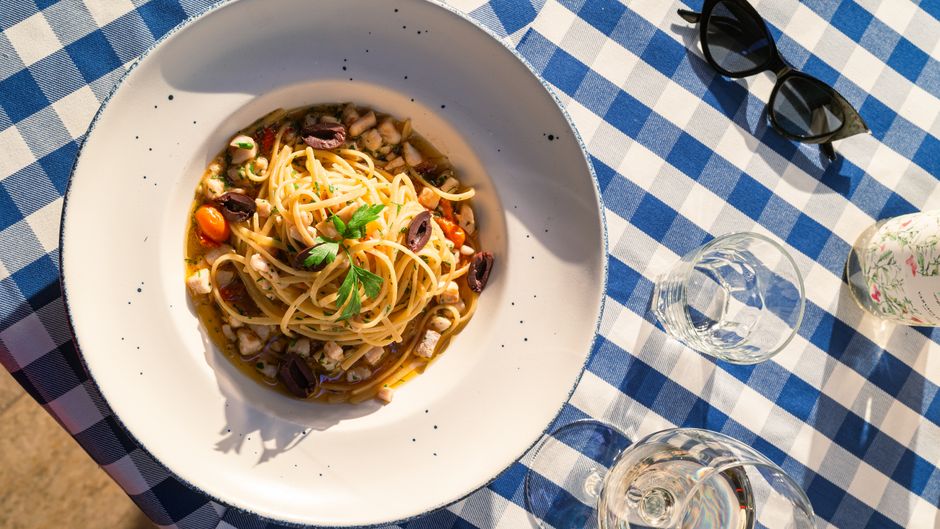
Mediterranean Flavors: Mastering the Essential Ingredients and Dishes
Mediterranean cuisine is a vibrant tapestry of flavors, colors, and aromas that encapsulates the essence of sun-kissed lands, fresh markets, and age-old culinary traditions. Characterized by its wholesome ingredients, this cuisine is not just about sustenance; it is a celebration of life, community, and the simple pleasures of sharing a meal. Home cooks and culinary enthusiasts alike are drawn to Mediterranean dishes for their ability to nourish the body while igniting the senses. With a plethora of regional distinctions, mastering this culinary art can transform your kitchen endeavors into delightful explorations.
The Mediterranean region, stretching from Southern Europe to the shores of North Africa and the Middle East, boasts a remarkable array of ingredients. Olive oil, fresh herbs, citrus fruits, and seasonal vegetables are foundational elements that reflect the bounty of the land. Each country, from Greece to Italy and Spain to Morocco, brings its own unique twist to dishes, so learning to harness these ingredients can empower any home cook to recreate authentic Mediterranean flavors. By delving into the essential components and mastering traditional methods, you can evoke the warm ambiance of a Mediterranean feast in your own home.
In this blog post, we will explore the essential ingredients that define Mediterranean cuisine, delve into classic dishes, and provide you with techniques to elevate your cooking. Whether you are an experienced chef or a novice in the kitchen, you will discover that the key to mastering Mediterranean flavors lies in understanding the harmony of ingredients, the importance of quality, and the joy of cooking with love and intention. Let’s embark on this flavorful adventure together!
The Core Ingredients of Mediterranean Cuisine
Mediterranean cuisine thrives on a core set of ingredients that enhance its vibrant flavors. Each ingredient carries a story and reflects the cultural heritage of the region. Understanding these elements is crucial for anyone looking to replicate authentic Mediterranean dishes at home.
Olive Oil
Olive oil is the staple fat of Mediterranean cooking, and its quality can make or break a dish. It’s not just a cooking medium but a key flavor enhancer. Extra virgin olive oil, cold-pressed from the first harvest, retains the most flavor and nutrients. Look for oils with a rich, fruity taste and low acidity for the best results.
- Go for dark glass bottles or tin containers to protect oils from light.
- Check for a harvest or bottling date to ensure freshness.
- Taste different varieties—each region produces oils with distinct flavor profiles.
When cooking, remember that extra virgin olive oil has a smoke point of around 375°F (190°C) and is ideal for dressings, drizzling, and low to medium-heat cooking. For high-heat applications like frying, a lighter olive oil or other oils may work better.
“Quality olive oil isn’t just an ingredient; it’s the essence of the Mediterranean kitchen.”
Fresh Herbs
Herbs are essential in Mediterranean cuisine, adding bold flavors and aromatic fragrances. Basil, oregano, thyme, rosemary, mint, and parsley are among the most commonly used herbs. Fresh herbs provide a punch that is often missing in dried counterparts.
- Basil works wonderfully with tomatoes and cheeses.
- Oregano complements grilled meats and roasted vegetables.
- Mint adds a refreshing note to salads and can brighten up heavy dishes.
Incorporating herbs at different stages of cooking can enhance flavors. Add hardy herbs like rosemary or thyme early in the cooking process, while tender herbs like basil should be added at the end to retain their fresh flavor.
Fresh Produce
The Mediterranean diet is inherently vegetable-forward, utilizing a variety of seasonal produce. Staples include tomatoes, bell peppers, zucchini, eggplant, and leafy greens like spinach and arugula. Seasonal and local sourcing is key to achieving the best flavor and nutrition.
- Spring: Asparagus, artichokes, and peas.
- Summer: Tomatoes, peppers, and zucchini.
- Fall: Pumpkins, sweet potatoes, and root vegetables.
- Winter: Cabbages, citrus fruits, and hearty greens.
Utilizing a rainbow of vegetables not only boosts your dishes’ nutritional value but also adds a visual appeal that reflects the Mediterranean aesthetic.
Legumes and Grains
Another essential group includes legumes and grains like chickpeas, lentils, bulgur, and farro. These ingredients are incredibly versatile, providing hearty bases for various dishes.
- When cooking dried beans or lentils, soak them overnight to reduce cooking time.
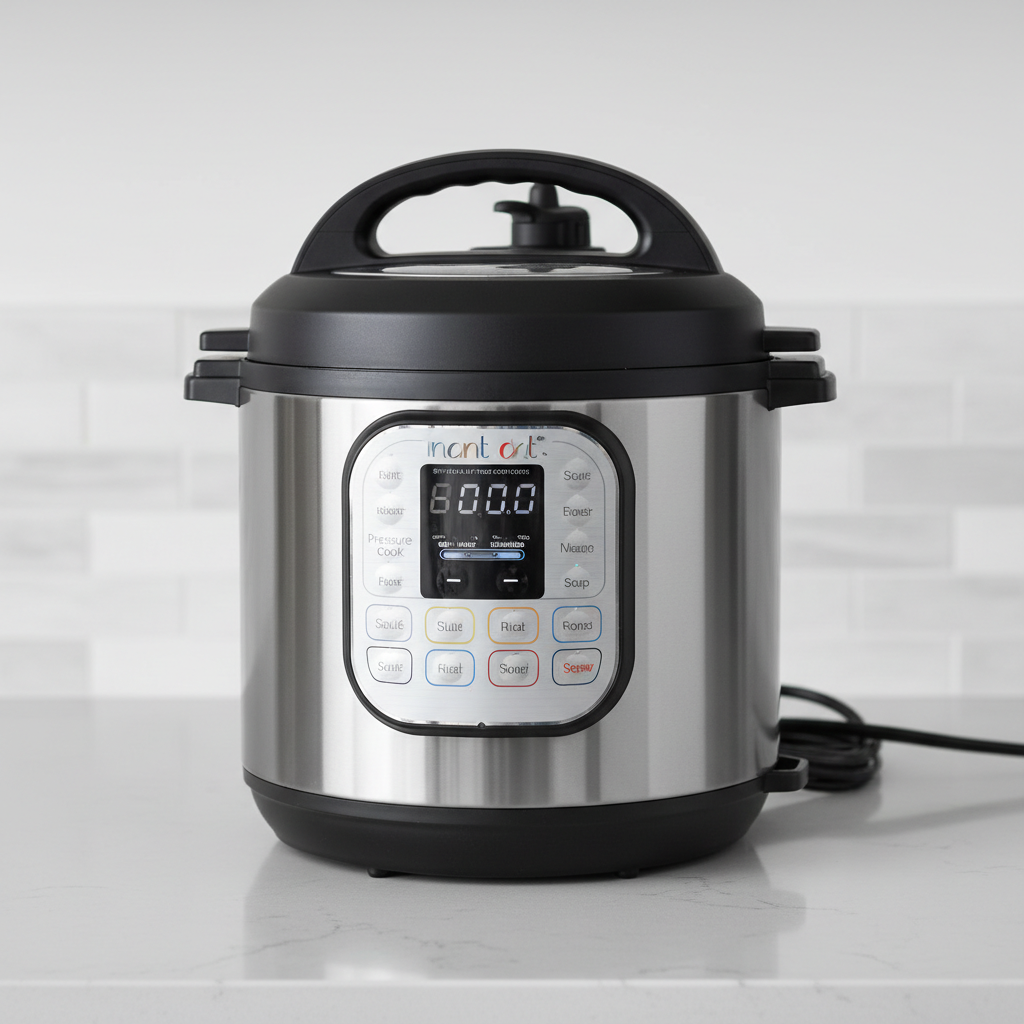
- Use a pressure cooker for legumes to save time and enhance flavor.
Grains like quinoa, couscous, and rice can be elevated through cooking in broth instead of water, imparting a deeper flavor.
Classic Dishes from the Mediterranean
Having explored the core ingredients, let’s dive into some iconic dishes that embody the spirit of Mediterranean cuisine. This section will highlight several beloved recipes, offering detailed instructions and pro tips for perfect execution.
Hummus
Hummus is perhaps one of the most recognized Mediterranean dips. Its creamy texture and nutty flavor make it a favorite for parties or an everyday snack.
- 1 cup dried chickpeas (or 1 can of chickpeas)
- 1/4 cup tahini
- 2 tablespoons lemon juice
- 1 clove garlic, minced
- 1/4 cup olive oil
- Salt, to taste
- Water, as needed
1. If using dried chickpeas, soak them overnight in water, then boil in fresh water for about 1-2 hours until tender.
2. In a food processor, combine the cooked chickpeas, tahini, lemon juice, garlic, and a pinch of salt.
3. While blending, slowly incorporate olive oil and add water as needed to achieve a smooth consistency.
4. Adjust seasoning to taste and drizzle with additional olive oil before serving.
Chef Tip: For extra flavor, consider adding spices like cumin or paprika, and garnish with fresh herbs or pine nuts.
Ratatouille
Originating from Provence, ratatouille is a rustic vegetable dish that showcases the summertime bounty. This versatile dish can be served warm or cold and pairs well with any protein.
- 1 eggplant, diced
- 1 zucchini, sliced
- 1 bell pepper, chopped
- 1 onion, diced
- 2 cups diced tomatoes (fresh or canned)
- 1-2 cloves garlic, minced
- Fresh herbs (thyme, basil) for seasoning
1. In a large skillet, heat olive oil over medium heat. Sauté onions and garlic until fragrant.
2. Add eggplant, simmering for about 5-7 minutes. Then add bell pepper and zucchini, cooking for another 5 minutes.
3. Stir in the tomatoes and herbs, reduce the heat, and simmer the mixture for 20-30 minutes.
4. Season with salt and pepper. Adjust for taste.
Serving Suggestion: Ratatouille can be enjoyed over crusty bread, served as a side dish, or blended into a sauce.
“Ratatouille captures the essence of summer; it’s a celebration of fresh ingredients and honest cooking.”
Greek Salad
A Greek salad is a refreshing medley that requires minimal cooking but delivers maximum flavor. This salad epitomizes the Mediterranean spirit with its colorful presentation and wholesome ingredients.
- 4 ripe tomatoes, chopped
- 1 cucumber, diced
- 1 red onion, thinly sliced
- 1 green bell pepper, sliced
- 200g feta cheese, crumbled
- Olives (Kalamata are preferred)
- Olive oil, red wine vinegar, salt, and oregano for dressing.
1. In a large bowl, combine tomatoes, cucumber, onion, and bell pepper.
2. Sprinkle with feta and olives on top.
3. Drizzle with olive oil and red wine vinegar, then sprinkle oregano and season with salt.
Chef Tip: For the best flavor, allow the salad to sit for a few minutes to let the flavors meld before serving.
Paella
Hailing from Spain, paella is a luxurious rice dish that brings together a delightful mix of proteins and spices. While traditionally cooked in a paellera, you can adapt this recipe for any large skillet.
- 2 cups short-grain rice (such as Bomba or Arborio)
- 4 cups chicken or seafood stock
- 1/2 pound shrimp, peeled and deveined
- 1/2 pound chicken thighs, diced
- 1/2 cup peas
- 1 red bell pepper, sliced
- 1 onion, diced
- 3 cloves garlic, minced
- 1 tsp smoked paprika
- Saffron threads (for color and fragrance)
1. In a large skillet, heat olive oil and sauté onion and garlic until translucent.
2. Add chicken pieces and cook until browned. Stir in smoked paprika and sauté for another minute.
3. Add rice and toast for a couple of minutes before pouring in stock.
4. Infuse saffron in a small amount of stock and add it to the mixture. Simmer uncovered for about 20 minutes.
5. Halfway through cooking, arrange shrimp and bell pepper on top. Sprinkle peas just before serving.
Serving Tip: Serve directly from the pan for a rustic presentation, garnished with lemon wedges.
Mastering Mediterranean Cooking Techniques
Understanding essential cooking techniques is vital for any home cook wishing to master the Mediterranean style. These methods can elevate seemingly simple dishes into extraordinary culinary experiences.
Grilling
Grilling is one of the hallmark techniques in Mediterranean cuisine, famously utilized for meats, vegetables, and seafood. The char and smoky flavor imparted by grilling enhances the natural flavors of the ingredients.
- Preheat your grill to medium-high heat to ensure even cooking.
- Marinate meats and veggies in olive oil, herbs, and citrus to enhance moisture and flavor.
- Resist the temptation to frequently turn your food—allow it to develop a good sear before flipping.
For vegetables, consider using a grill basket to prevent smaller pieces from falling through the grates.
Braising
Braising, a combination of slow cooking and steaming, is often used for tougher cuts of meat, allowing the ingredients to tenderize and develop robust flavors. This technique is essential in dishes like Moroccan tagine.
1. Sear the meat in a heavy pot until browned on all sides.
2. Remove and sauté aromatics (onions, garlic, spices) in the same pot.
3. Return the meat, add liquid (broth, wine), and bring to a gentle simmer.
4. Cover tightly and cook on low heat for several hours until the meat is fork-tender.
The key to successful braising is low and slow cooking, which allows the flavors to meld while keeping the meat tender.
Roasting
Roasting brings out the sweetness of vegetables, making this technique ideal for Mediterranean staples like eggplant, zucchini, and root vegetables. The high, dry heat caramelizes the natural sugars.
- Preheat the oven to 425°F (220°C) for optimal caramelization.
- Toss vegetables with olive oil and seasoning, ensuring even coating.
- Spread in a single layer on a baking sheet to avoid steaming.
Roasting can be a wonderful way to prep large batches of vegetables to use in various recipes throughout the week.
Pairing Wines with Mediterranean Cuisine
Wine is an integral part of many Mediterranean meals and can significantly elevate your dining experience. Learning to pair wine with food enhances the overall flavor and presentation of your dishes.
General Wine Pairing Tips
- Ideal for lighter dishes like seafood, salads, and grilled vegetables.
- Look for crisp varieties like Sauvignon Blanc or Vermentino.
- Suitable for robust dishes like roasted meats, stews, and pastas.
- Tempranillo and Chianti work wonderfully with red sauces and rich flavors.
Regional Pairings
Focus on pairing regional wines with the dishes you create. For example:
Chef Tip: When unsure, consider the dominant flavor profiles in your dish. Pair light wines with delicate flavors and bold wines with robust, spicy foods.
“Wine is sunlight, held together by water.” — **Galileo**
Conclusion
Embarking on your Mediterranean culinary journey offers endless possibilities filled with flavor, tradition, and community. By mastering essential ingredients, techniques, and classic recipes, you can recreate the warmth of the Mediterranean in your own home. Remember, the key to Mediterranean cooking lies in simplicity and respect for fresh ingredients.
As you experiment with grilling, roasting, and braising, don't hesitate to let your creativity shine. Incorporate fresh herbs, dynamic spices, and quality olive oil into your dishes, letting their vibrant flavors guide your cooking journey. Take your time, savor the process, and enjoy the delightful conversations that often accompany sharing a meal with loved ones.
Finally, pair your meals with wines that resonate with the spirit of the dishes you prepare, as they enhance and elevate the dining experience. Whether it’s a casual dinner or a lavish feast, the Mediterranean way encourages you to celebrate with abundance and love.
So gather your ingredients, don your apron, and let the Mediterranean flavors fill your kitchen and heart. Dive into this vibrant world, and remember: when it comes to cooking, it’s all about the joy of sharing good food with good company.
Get the Next Recipe
Weekly recipes, techniques, and gear picks — straight to your inbox.
