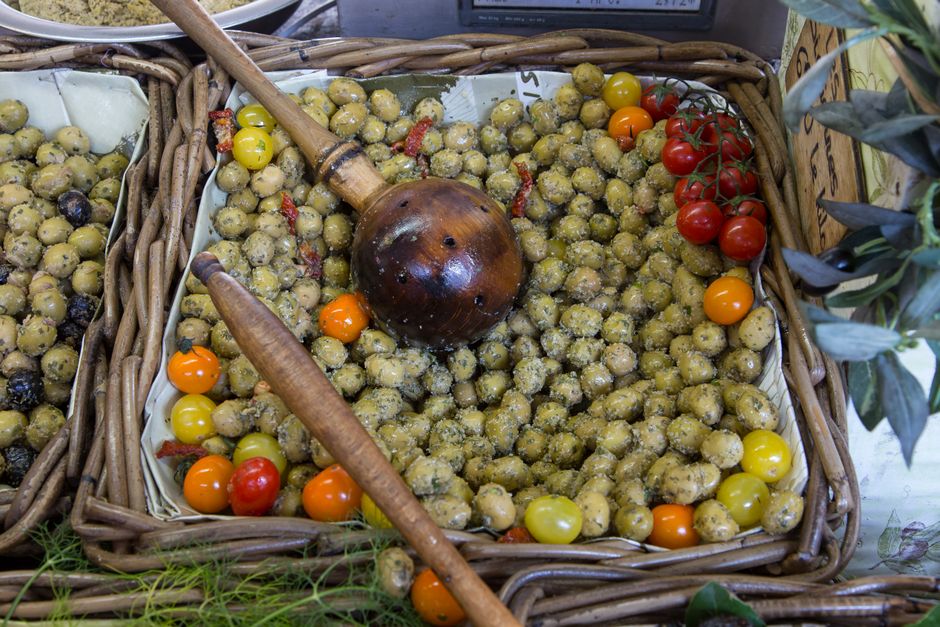
Mediterranean Flavors: Understanding Herbs of Provence
When it comes to cooking, few things can elevate a dish quite like the right blend of herbs and spices. Among the myriad of flavor infusers, the Herbs of Provence stands out as a blend that evokes the sun-kissed hills of the Mediterranean. This quintessential mixture, commonly used in French cuisine, captures the essence of its home region, tantalizing the palate with fragrant and bold notes. As you explore the world of cooking, understanding this blend will not only enhance your culinary creations but also transport you to the picturesque landscapes of southern France.
Herbs of Provence, typically made up of dried herbal varieties, is known for its versatility. This aromatic mix usually includes thyme, rosemary, basil, oregano, and sometimes lavender, all contributing unique aromas and flavors that elevate a variety of dishes from roasts to roasted vegetables to marinades. The perfect ratio of these herbs allows chefs to infuse their foods with a complexity that is both inviting and delicious. When you begin to consciously integrate these herbs into your cooking, the flavors will become embedded in your culinary repertoire, making every meal a celebration.
Incorporating the Herbs of Provence into your cooking not only enhances your dishes but also develops your palate and encourages creativity in the kitchen. Whether you are grilling meats, sautéing vegetables, or preparing sauces, this delightful blend serves as a universal flavor enhancer. As you delve into the world of Herbs of Provence, you'll discover cooking techniques and pairings that open new avenues of culinary expression, allowing you to create dishes that are bursting with flavor and richness.
The Origin of Herbs of Provence
Historical Background
Herbs of Provence is steeped in history, reflective of the region’s agricultural heritage. Its roots can be traced back to the rugged terrain of southern France, where the climate and landscape favor the growth of aromatic herbs. The ancient Greeks and Romans recognized the benefits of these herbs and propagated their use throughout Europe. For centuries, this blend has been a staple not just in cooking but in the everyday lives of those who call the area home.
Geographic Significance
The specific herbs often found in this blend are native to the Mediterranean region, and thus, reflect the climate and method of agriculture practiced there. Provence, known for its warm summers, mild winters, and well-drained soil, is an ideal environment for growing these plants. This region's agricultural practices emphasize sustainability and the use of locally sourced ingredients, aligning perfectly with culinary traditions that prioritize fresh, impactful flavors.
The Blend Composition
Traditionally, Herbs of Provence includes a mix of several dried herbs, but variations can exist depending on local customs and personal preference. The most commonly used herbs include:
While the proportions of these herbs can vary, the core idea remains the same—to create a balance that enhances the natural flavors of the key ingredients used in a dish.
Culinary Uses of Herbs of Provence
Flavoring Techniques
Incorporating Herbs of Provence into your cooking isn’t just about adding a sprinkle; it’s about mastering the technique of infusion. This blend can be used in several ways, each with its own unique impact on flavors:
Pairing Tips
When selecting ingredients to pair with Herbs of Provence, think fresh, vibrant flavors that can hold their own next to the herbal notes:
Regional Variations
While Herbs of Provence is a staple in French cuisine, similar blends exist in other Mediterranean cultures. For instance, Italian cuisine often uses a mixture called “Italian seasoning,” which may include similar herbs but lacks the floral elements of lavender. Understanding these regional differences not only broadens your culinary knowledge but can inspire you to experiment with blending your own unique spice mixes.
Recipes Featuring Herbs of Provence
Classic Herb-Roasted Chicken
One of the simplest and most satisfying recipes to showcase Herbs of Provence is a classic herb-roasted chicken. This dish allows the herbs to infuse into the meat, creating a succulent and flavorful result you’ll want to make again and again.
#### Ingredients
#### Instructions
Provençal Vegetable Ratatouille
In keeping with the roots of Herbs of Provence, creating a ratatouille is a wonderful way to enjoy this blend. This dish utilizes seasonal vegetables and highlights the fresh notes of the herbs.
#### Ingredients
#### Instructions
"Cooking with Herbs of Provence transforms ordinary meals into culinary masterpieces."
Storing and Preserving Herbs of Provence
Storage Tips
To maintain the vibrant flavors of your Herbs of Provence, proper storage is essential. Follow these best practices:
Shelf Life
Typically, dried herbs should be used within one year for the best flavor. However, if stored properly, they can last up to two years. Try to write dates on your containers to help track their age.
Reviving Old Herbs
If you happen to have an older jar of Herbs of Provence, it’s worth trying to give it new life. Toasting the herbs in a dry skillet over low heat can revive some of their lost flavors. Just be sure to keep a close eye on them to prevent burning. Another option is to mix in a fresh batch of herbs to invigorate your blend.
Nutritional Benefits of Herbs of Provence
Health and Wellness
Aside from their incredible flavors, the herbs in this blend also offer various health benefits:
Culinary and Medical Traditions
In European herbal traditions, many of these herbs were used not only for flavoring but also for medicinal purposes. Rosemary, for instance, was often used as a symbol of remembrance and was thought to improve circulation. Understanding these historical uses can add a layer of depth to your culinary practice, connecting you further to the ingredients you cook with.
"Herbs of Provence are more than just a blend—they're a passport to the heart of the Mediterranean."
Elevating Your Culinary Skills
Experimenting with Blends
As you begin to master the use of Herbs of Provence, you may feel inspired to create your own spice blends. Here are some tips for developing your unique combinations:
Cooking with Confidence
Cooking is as much about creativity as it is about following recipes. Embrace your intuition and trust your taste buds. Remember to:
Conclusion
Incorporating Herbs of Provence into your culinary arsenal is more than just a method of cooking; it’s a gateway into a broader understanding of flavors and traditions rooted deeply in Mediterranean history. By mastering the composition, cooking techniques, and effective pairing that elevate your dishes, you're not just cooking—you're igniting a passion for flavors that speak to the heart and soul of Mediterranean cuisine. With a blend that’s as versatile as it is rich, allow yourself the freedom to experiment, learn, and indulge.
Elevate your home cooking today by embracing the vibrant tastes of Herbs of Provence. Your palettes and your dining experiences will be forever enriched, turning everyday meals into unforgettable feasts. Whether it becomes a staple in your marinades, a favorite addition to your vegetable dishes, or a key player in your homemade sauces, this blend will undoubtedly become a cherished part of your culinary journey. Here’s to bringing a taste of the Mediterranean into your kitchen—one sprinkle at a time.
Get the Next Recipe
Weekly recipes, techniques, and gear picks — straight to your inbox.
