
Mediterranean Herb Profiles: Oregano, Thyme, and Rosemary Explained
When diving into the world of Mediterranean cuisine, one cannot underestimate the power of fresh herbs. Among the multitude of aromatic plants that grace our dishes and elevate our culinary experiences, oregano, thyme, and rosemary stand out as pivotal ingredients. Their unique profiles not only enhance flavors but also weave cultural stories into our meals, turning ordinary dishes into extraordinary ones. Understanding the nuances of these herbs allows cooks to experiment with their aromas, contributing depth and fragrance to various recipes.
Oregano often evokes images of sun-drenched terraces and bustling markets, where its potent scent can make even the simplest of meals feel like a feast. Known for its warm, slightly bitter flavor, oregano is a versatile herb that seamlessly integrates into a wide array of cuisines. Whether sprinkled over a homemade pizza or simmered into a hearty tomato sauce, its robust profile makes it indispensable in the kitchen.
On the other hand, thyme brings a delicate yet earthy note to dishes. Its subtle sweetness and woodsy undertones lend themselves beautifully to both savory and sweet culinary creations. This herb is a cornerstone in French cooking and is equally cherished in Mediterranean fare, serving as a key ingredient in rustic stews and seasoned roasted meats. Together with oregano, thyme, and rosemary, they create a symphony of flavors that encapsulate the essence of Mediterranean cooking.
Rosemary, with its distinct pine-like aroma, is another essential herb found in this vibrant culinary realm. Often associated with roast meats, especially lamb and chicken, rosemary's needle-like leaves infuse dishes with a powerful infusion of flavor. It’s particularly effective when used fresh or dried, ensuring that your meals are bursting with aromatic complexity. As we explore the intricate profiles of these three herbs, we’ll discover not only how to use them but also the best practices for maximizing their potential.
The Rich History of Mediterranean Herbs
Origins and Cultivation
Mediterranean herbs such as oregano, thyme, and rosemary have deep-rooted histories that date back thousands of years. Each herb has its own tale, linked closely to cultural practices, geography, and climatic conditions of the regions they flourish in.
Oregano, for instance, hails from the Greek region, where its name literally means “joy of the mountain.” Its affinity for well-drained soil and sunny climates makes southern Europe and parts of the Mediterranean its perfect habitat. Native to the Mediterranean, oregano captures the essence of this region's culinary traditions and is cherished for its ability to grow wild, infusing nature with flavor.
Meanwhile, thyme is believed to have originated from ancient Egypt, where it was used not only for its culinary benefits but also for medicinal purposes. Ancient Greeks associated thyme with bravery and often burned it in their temples as an offering to the gods. Today, its resilience makes it a popular herb to grow in home gardens, thriving in warm, sunny locations.
Rosemary, too, carries a rich history. Native to the Mediterranean region, it has been used since antiquity, both as a culinary ingredient and as a symbol of remembrance. It became a staple in various traditions, representing love and loyalty. Growing rosemary requires similar conditions to oregano and thyme, thriving in well-drained soil with plenty of sunlight.
Cultural Significance
The cultural significance of these herbs is immense. They’re not merely ingredients; they represent a way of connecting to the land and the people. In Mediterranean countries, cooking often becomes a festive affair, where family and friends gather to share meals rich in flavor and tradition.
- In Italian cuisine, oregano reigns supreme in tomato sauces and pizza dishes.
- In Greek cooking, thyme finds its place in roasted meats and braises.
- Rosemary is a staple in both French and Spanish kitchens, lending its flavor to countless roasted dishes.
This ingrained cultural significance showcases the depth of flavor these herbs bring to the table, serving not only to tantalize the taste buds but also to evoke shared memories and traditions.
The Flavor Profile of Oregano
Understanding Oregano's Characteristics
Oregano boasts a pungent and slightly peppery flavor, characterized by its warm, aromatic qualities. When fresh, it has a vivid, green color with a peppery bite, while dried oregano offers an intense, concentrated flavor that can easily dominate if not used judiciously. The unique flavor profile of oregano arises from its essential oils.
- Carvacrol: Responsible for its warming sensation and slight bitterness.
- Thymeol: Adds complexity and depth to its flavor.
Culinary Uses of Oregano
Incorporating oregano into your cooking can elevate a dish from simple to exceptional. Here are some popular applications:
Pro Chef Tips:
Pairing Oregano With Other Ingredients
Oregano pairs wonderfully with various ingredients:
These combinations allow for creative exploration in Mediterranean cooking, often resulting in heartwarming, fragrant dishes that satisfy on multiple levels.
The Versatility of Thyme
Flavor Characteristics
Thyme has a complex flavor profile that varies depending on its species and preparation. Whether you’re using common thyme, the most widely used variety, or more specialized varieties like lemon thyme, this herb is both earthy and slightly sweet.
Culinary Uses of Thyme
Thyme's versatility makes it a staple in numerous cuisines around the world, particularly in Mediterranean dishes. Here are some ways to use thyme effectively:
Chef's Insight:
Pairing Thyme with Other Flavors
Thyme pairs beautifully with sweet and savory ingredients alike, allowing for creative combinations:
In the world of spices, thyme stands out for its ability to shift the focus of a dish without overpowering its original character.
Unraveling Rosemary's Essence
Flavor and Aroma Characteristics
Rosemary is often described as having a robust, pine-like flavor that gives a dish a strong aromatic backbone. Notably, rosemary's taste is hearty and resinous, providing a unique character that enhances both meats and vegetables.
Culinary Uses of Rosemary
Rosemary is particularly renowned for its pairing with roasted or grilled dishes. Below are some applications:
Pro Tip: When using rosemary in marinades, crush leaves to release their essential oils before mixing.
Rosemary in Flavor Pairing
Rosemary’s bold character allows it to excel in flavor pairings:
Growing and Storing Fresh Herbs
Cultivation Tips
The freshness of your herbs plays a vital role in the flavors they impart to your dishes. If you have the resources, consider growing your own oregano, thyme, and rosemary! Here’s how to do it:
Harvesting Techniques
To harvest herbs successfully, follow these steps:
- Drying: Hang upside down in a cool, dark space or use a dehydrator.
- Freezing: Place chopped herbs in ice cube trays with water or olive oil for future use.
Storing Fresh Herbs
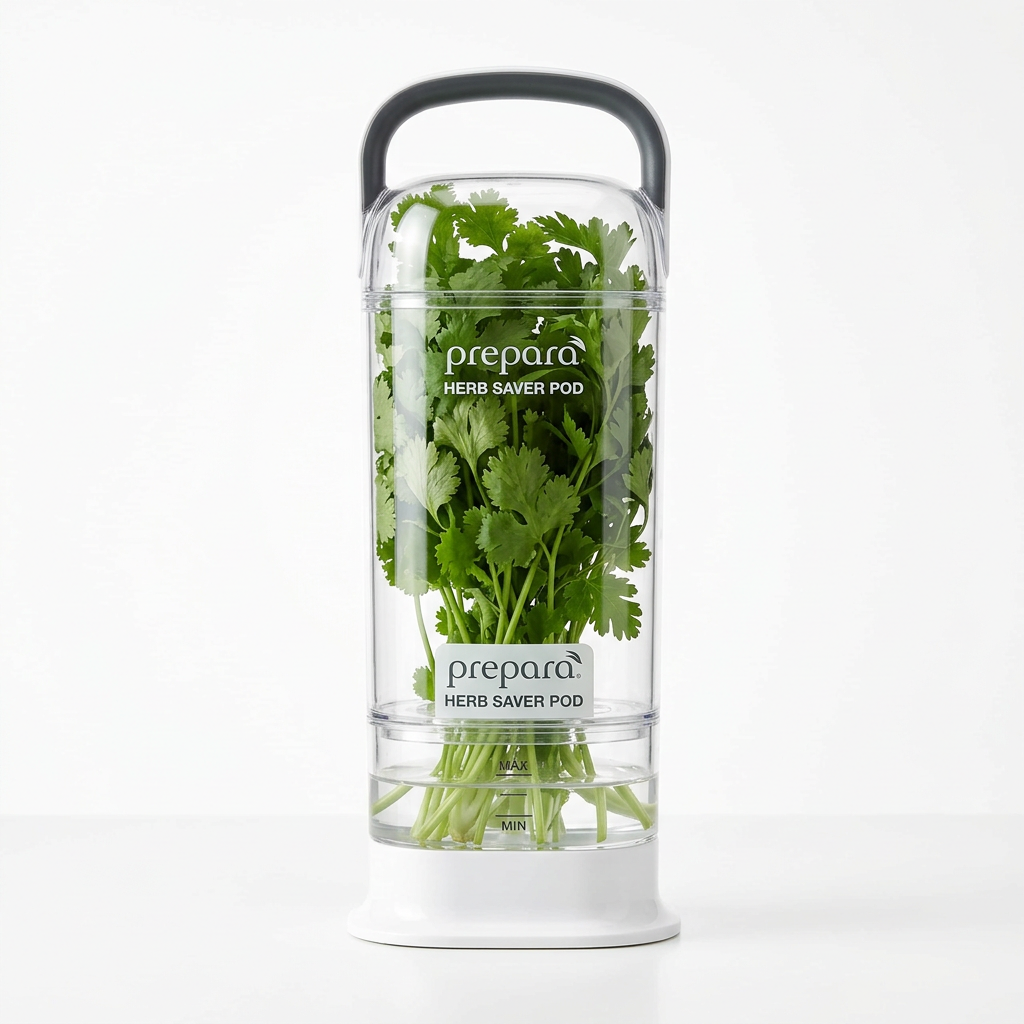
Storing herbs correctly can significantly prolong their life.
“When you can control the herb quality, you control the dish’s flavor profile.”
Conclusion
Through understanding the profiles of oregano, thyme, and rosemary, home cooks can unlock a broader spectrum of Mediterranean flavors. These herbs form a trifecta of culinary enhancement that can transform basic ingredients into something extraordinary. From their rich histories to their fragrant applications in modern kitchens, they connect us to traditions and cultures, making every dish a celebration.
By integrating these herbs into your cooking, experimenting with various techniques, and understanding their specific characteristics, you’ll elevate your dishes, whether they be simple weeknight meals or elaborate feasts. So, don’t hesitate to sprinkle, infuse, and experiment with your favorite Mediterranean herbs—let the essence of the Mediterranean fill your home and delight your palate.
Embrace the joy of cooking with these herbs, and remember, they’re not just seasonings; they’re experiences waiting to be shared. With your newfound knowledge and skills, your culinary creations will surely resonate with the flavors of the Mediterranean. Transform your meals, celebrate the artistry of herb usage, and embrace the warmth they bring to every gathering or solo dining experience.
Explore your local markets for fresh herbs, cultivate your own, and remember that the heart of Mediterranean cooking lies in these time-honored flavors, waiting to be rediscovered in your kitchen. Seize the moment and embark on this culinary journey!

Get the Next Recipe
Weekly recipes, techniques, and gear picks — straight to your inbox.
