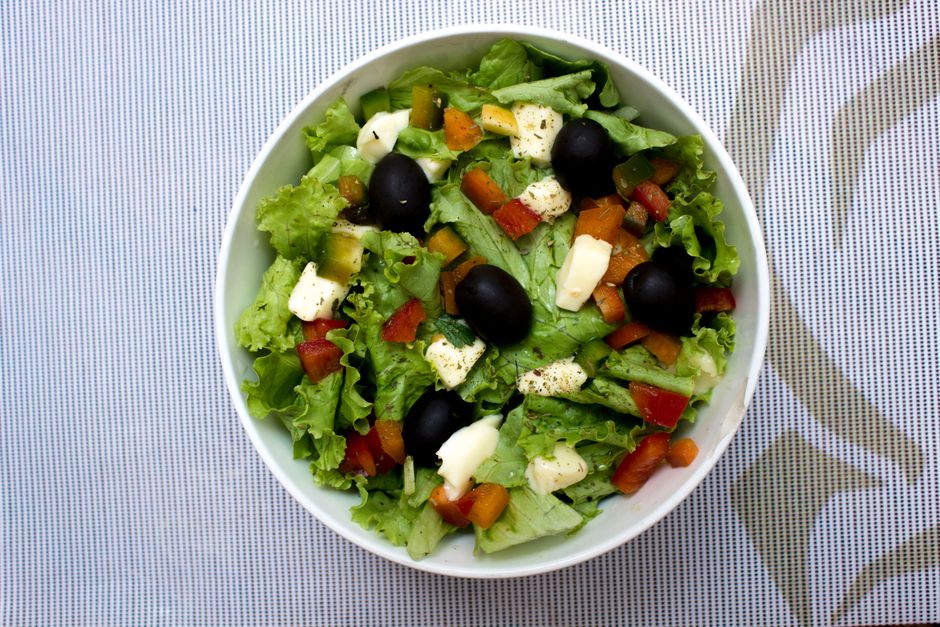
Mediterranean Mastery: Exploring the Flavors of the Greek Kitchen
There is a profound, sun-drenched honesty found in the Greek kitchen that resonates with anyone who has ever stood over a sizzling pan of olive oil and garlic. It is a cuisine defined not by complex artifice or the heavy-handed application of butter and cream, but by the integrity of the individual ingredient. When you cook Greek, you are participating in a culinary lineage that spans millennia, utilizing the foundational elements of the Mediterranean triad: wheat, olives, and grapes. Whether you are whisking a vibrant lemon-oregano vinaigrette or slow-roasting a leg of lamb until it surrenders to the touch of a fork, the goal remains the same. You are aiming for that elusive balance of acidity, salinity, and aromatic intensity that transforms a simple meal into a restorative experience.
As we journey through this guide, we will peel back the layers of tradition to reveal the technical nuances that separate a "good enough" moussaka from one that would garner praise in a rustic tavern in the Peloponnese. It is a common misconception that Greek food is merely about tossing feta into a bowl and calling it a salad; rather, it is a masterclass in texture and timing. We will explore the vital importance of high-quality extra virgin olive oil, the alchemy of emulsification, and the patient art of braising. By mastering these pillars, you will find that your kitchen becomes a sanctuary where the rustic flavors of the Aegean can be replicated with professional precision.
I have spent years peeling potatoes, de-boning chickens, and refining my palate to understand what truly makes Greek food sing, and I am here to pass that knowledge on to you. "Blame The Chef" is more than just a place to find recipes; it is a laboratory for your culinary growth, where we treat ingredients with respect and techniques with rigor. We will move beyond the superficial tourist-trap fare and dive deep into the heart of authentic home cooking. Prepare your knives, clear your counter space, and get ready to embrace the art of the Mediterranean, where flavor is the ultimate currency and every meal is an opportunity for celebration.
The Foundation: Olive Oil and the Mediterranean Palette
The bedrock of any Greek dish is, without question, the olive oil. In the professional kitchen, we refer to olive oil not just as a cooking fat, but as a primary seasoning agent. When you are shopping, look for cold-pressed extra virgin olive oil that has a low acidity level, ideally below 0.5%. This provides a peppery, grassy foundation that rounds out the sharp acidity of lemon juice and the earthy notes of dried wild oregano. Never treat your oil as an afterthought; the quality of your finish determines the vibrancy of your final plate.
The Science of Emulsification
When creating a classic Greek dressing—the ladolemono—the ratio is critical. I recommend a 3:1 ratio of extra virgin olive oil to fresh lemon juice. To achieve a stable emulsion, you must whisk your lemon juice, salt, and finely minced garlic together before slowly drizzling in the oil in a steady, thin stream. If you rush this process, your sauce will break. Emulsification is a technique that demands patience, and a perfectly emulsified ladolemono should coat the back of a spoon with a creamy, translucent sheen that tastes as bright as a summer morning.
Essential Aromatics
Beyond the oil, the Greek flavor profile relies heavily on dried wild oregano, garlic, and fresh parsley. Dried oregano from Greece—specifically the kind on the stalk—has a significantly higher essential oil content than the dust found in most supermarket shaker jars. When using it, crush the leaves between your palms right before adding them to your dish; this releases the trapped oils and aromatics exactly when you need them.
"Cooking is the process of translating the history of a culture into the language of the palate. In the Greek kitchen, the language is simple, honest, and profoundly demanding of quality."
The Art of the Perfect Braise: Stifado and Kleftiko
To truly master Greek cuisine, you must embrace the slow transformation of tough cuts of meat through braising. The Stifado, a rich, tomato-based stew typically made with beef or rabbit and an abundance of whole pearl onions, is the definitive study in this technique. The secret here is the Maillard reaction. You must brown your meat deeply—do not crowd the pan—until it develops a dark, caramelized crust. This crust is flavor, and without it, your braise will taste one-dimensional and gray.
Temperature and Time
For a standard beef Stifado, I advise searing at high heat and then simmering on the stovetop or in the oven at a consistent 300°F (150°C). The goal is to reach an internal temperature where the collagen in the meat begins to break down into gelatin, which happens between 175°F and 185°F. If you rush this by cranking the heat, you will end up with dry, stringy meat. Patience is your best cooking tool. Aim for a three-hour simmer, allowing the liquids to reduce by nearly a third to achieve a sauce that is thick, glossy, and concentrated.
The Role of Spices
A Greek Stifado is incomplete without its signature spice profile: cinnamon, cloves, and bay leaves. These warm, sweet spices seem counterintuitive to a savory meat dish, but they provide the necessary contrast to the acidity of red wine vinegar and tomatoes. Add your cinnamon sticks at the very beginning of the braise. Let them steep in the liquid, allowing the heat to draw out the woody, deep oils that elevate the meat's natural richness.
Mastering Vegetable Sophistication: Gemista and Briam
Greek vegetable dishes, or ladera, are some of the most misunderstood aspects of the cuisine. Many home cooks make the mistake of overcooking vegetables until they become mush. In reality, vegetables like zucchini, eggplant, and tomatoes should be treated with a focus on texture preservation. Take Briam, for example—a Greek version of ratatouille. The trick to a perfect Briam is to slice your vegetables into uniform, half-inch thick rounds and toss them with plenty of olive oil and sea salt before they ever enter the oven.
The Technique of Roasting
When roasting vegetables for Briam, your oven should be set to 400°F (200°C). This high heat allows the edges of the vegetables to char slightly—providing that essential smoky flavor—while the centers remain tender. Do not be shy with the oil. The vegetables should be almost swimming in it before they enter the oven. This creates a confit-like effect where the vegetables stew in their own juices and the olive oil, resulting in a dish that is deeply luxurious.
The Gemista Ratio
Gemista (stuffed peppers and tomatoes) relies on the correct ratio of rice to herbs. For every cup of medium-grain rice, you should use at least one cup of fresh, finely chopped parsley, dill, and mint. Many people forget the freshness of the herbs and end up with a bland, starchy rice filling. By incorporating a significant amount of fresh herbs, you ensure that every bite is aromatic and bright, cutting through the natural sweetness of the roasted peppers.
The Dairy Pillar: Feta, Yogurt, and Kefalotyri
No discussion of Mediterranean mastery would be complete without addressing the role of dairy. Greek feta—which must be made from sheep’s milk or a sheep-goat blend—is a product of protected designation. When selecting feta, always buy it in brine. A block of feta sitting in brine will retain its texture and moisture, whereas pre-crumbled versions are often treated with anti-caking agents that ruin the creamy mouthfeel of the cheese.
Yogurt Techniques
Greek yogurt is not just a side dish; it is a structural component of sauces like Tzatziki. To achieve the perfect Tzatziki, you must dehydrate your cucumbers. Slice them thin or grate them, toss them with a heavy pinch of salt, and let them sit in a colander for at least 30 minutes. Squeeze out as much moisture as possible before folding them into your thick, strained yogurt. If you skip this, your sauce will become watery and dilute the flavor of the garlic and vinegar.
"The secret of a true Tzatziki isn't just the yogurt; it is the absolute removal of water from the cucumber. Moisture is the enemy of a thick, velvety sauce."
Cooking with Kefalotyri
For dishes requiring a hard, salty punch, use Kefalotyri. This sheep or goat milk cheese is firm, sharp, and slightly spicy. It is the perfect cheese for Saganaki—the pan-fried cheese dish. To master Saganaki, dredge your slice of Kefalotyri in a little cold water, then lightly coat it in flour. Pan-fry in a cast-iron skillet over medium-high heat until the crust is golden brown and the interior is gooey. Serve immediately with a squeeze of fresh lemon to balance the intense saltiness of the cheese.
The Seafood Connection: Freshness and Finesse
Greek islands rely on the sea, and their seafood preparation reflects a deep respect for the catch of the day. The most important rule for Greek seafood is simplicity: grill, drizzle, and serve. Whether you are preparing sea bass, octopus, or sardines, the application of heat should be surgical. For a whole fish, ensure the skin is patted completely dry before it hits the hot grill grate. Brush the skin with olive oil and a touch of sea salt; this prevents sticking and promotes that charred, delicious skin that is the highlight of the meal.
Preparing Octopus
Octopus is notoriously difficult if handled incorrectly. The professional technique involves simmering the octopus in its own juices with a bay leaf, a few peppercorns, and a splash of red wine vinegar for roughly 45 to 60 minutes. Do not boil it violently; use a gentle, low simmer. Once the tentacle can be easily pierced with a paring knife, remove it, let it cool, and then finish it on a screaming hot charcoal grill. This two-stage process yields an interior that is incredibly tender and an exterior that is crispy and smoke-kissed.
The Lemon Rule
In the Greek kitchen, lemon is used with the same frequency and importance as salt. When finishing seafood, use freshly squeezed lemon juice added at the very last second. Adding lemon juice to a hot pan of seafood too early can cause the proteins to react and become rubbery. Always keep a bowl of lemon halves nearby when you are working at the grill. A quick squeeze right before plating adds an acidity that "wakes up" the palate and cuts through the natural fattiness of the fish.
Bread and Grains: The Silent Partners
We often focus on the proteins and vegetables, but the bread is the most important part of the Greek meal—it is the vessel for the sauce. A country-style sourdough is the standard, meant to be torn by hand rather than sliced with a knife. When serving Stifado or Briam, the bread is essential for papara, the act of dipping the crust into the remaining sauce on your plate. It is a humble, necessary component that rounds out the dining experience.
Working with Phyllo
Working with phyllo dough intimidates many home cooks, but the principle is simple: fat and speed. When making Spanakopita, brush every single layer of phyllo with melted butter or a neutral oil. If you miss a spot, the pastry will be dry and brittle rather than shattering into golden, buttery flakes. Keep a damp (not wet) towel over your stack of phyllo sheets while you work to prevent them from drying out and cracking, as the dough is extremely sensitive to ambient air.
Professional Chef Tips for the Home Kitchen
If you want to transition from a home cook to a culinary enthusiast, you must change how you organize your station. In the Greek kitchen, we operate with a system of mise-en-place. Everything you need—your olive oil, your herbs, your lemon wedges, and your sea salt—must be within arm’s reach. Greek food happens fast at the finish line; if you are scrambling to find your oregano while the fish is charring, the dish is already compromised.
Salt Management
Always use coarse sea salt for your cooking. Table salt is too fine and often contains additives like iodine, which can impart a metallic note to delicate vegetables. Coarse sea salt allows for better control, and because it dissolves slower, it helps you build layers of flavor throughout the cooking process. Sprinkle your salt from a height; this ensures an even distribution over the food rather than creating salty pockets.
The Final Touch
Never underestimate the power of a final garnish. A handful of fresh, whole parsley leaves or a few torn mint leaves added just before serving adds a freshness that defines the Greek aesthetic. It shows that you have prioritized the life of the ingredients. Remember, the Greek kitchen is about the joy of eating well with friends and family. Your technical skills are only the means to an end: a meal that brings people together and satisfies them in the most fundamental way.
Conclusion
Mastering the Mediterranean kitchen is not about memorizing thousands of recipes; it is about internalizing the philosophy of simplicity, quality, and respect. As we have discussed, your success rests upon the quality of your extra virgin olive oil, the patience you bring to your braises, and the precision with which you treat your fresh herbs and vegetables. When you strip away the unnecessary, you are left with the true essence of flavor—a lesson that is perhaps the greatest gift the Greek tradition has to offer the modern home cook.
Do not be discouraged if your first attempt at a Stifado lacks the depth of a grandmother’s tavern recipe, or if your Saganaki isn't perfectly golden on the first try. Culinary mastery is a cumulative process, built through repetition and the willingness to learn from your mistakes. Every time you whisk that vinaigrette or carefully butter each layer of phyllo, you are sharpening your intuition. The kitchen is a place where you should feel empowered to explore and experiment, provided you keep the integrity of your ingredients at the forefront of your process.
As you continue your journey, keep returning to these fundamental techniques. Use them as the frame upon which you hang your own culinary creativity. Mediterranean cooking is vibrant, healthy, and deeply comforting, and it is a style that belongs in every home cook's repertoire. Thank you for joining me here at "Blame The Chef." Take these lessons, head into your kitchen, and start cooking with the confidence that you are not just making dinner—you are crafting a story through the ancient, honest, and beautiful medium of Greek food. Keep your knives sharp, your oil fresh, and your passion for learning high. Until next time, keep cooking, keep exploring, and never stop pushing the boundaries of what you can create in your own home. The kitchen is waiting, and there is no better time than now to start mastering these timeless flavors.


Get the Next Recipe
Weekly recipes, techniques, and gear picks — straight to your inbox.
