
Mediterranean Seafood: Cooking Fish the European Coastal Way
The Mediterranean coast, with its azure waters and sun-drenched landscapes, has long been a source of inspiration for culinary traditions that blend the tastes and textures of the sea with the vibrant produce of the land. Among these traditions, the art of preparing seafood holds a revered place, celebrated not just for its flavors but also for its sustainability and health benefits. In kitchens all along the Mediterranean, the approach to cooking fish is a time-honored craft, characterized by a few essential techniques that elevate the simple act of cooking into a culinary experience. This rich tradition is an invitation to explore how to create dishes that not only tantalize the palate but also pay homage to the culinary heritage of this diverse region.
In Mediterranean cuisine, the emphasis on freshness is paramount. The relatively short distance from sea to table allows for fish and seafood to be enjoyed at their peak of flavor, a principle that home cooks can adopt no matter where they are located. Knowing how to select, prepare, and cook seafood is essential for anyone looking to take a culinary journey through the Mediterranean. Whether it’s the delicate fillets of the sea bream, the robust flavors of anchovies, or the rich texture of octopus, each ingredient deserves to be treated with respect, ensuring that its natural flavors shine through in each dish.
As we embark on this culinary exploration, we will delve into the various aspects of Mediterranean seafood preparation. From understanding the different types of fish commonly used in the coastal kitchens of Europe to mastering techniques such as grilling, poaching, and baking, this guide will equip you with the knowledge and skills to enhance your culinary repertoire. Get ready to immerse yourself in the vibrant world of Mediterranean cuisine and learn how to captivate your family and friends with spectacular seafood dishes that celebrate the Mediterranean lifestyle.
Understanding Mediterranean Seafood
The Rich Diversity of Fish
The Mediterranean Sea is home to an impressive variety of fish species, each uniquely suited to different cooking methods and climates of the region. Some of the most commonly enjoyed fish include branzino, sea bass, sardines, and red mullet. The flavors range from reassuringly mild to robust and intense, reflecting the varied geography and culinary influences across the Mediterranean countries.
Each fish requires different techniques to highlight its unique characteristics, making it crucial for home cooks to understand these varieties when developing their seafood dishes.
Sustainable Practices
The impact of fishing on the Mediterranean ecosystem cannot be overlooked. Overfishing and habitat degradation are pressing issues, making it essential for consumers to be mindful of their choices. Opting for sustainably sourced seafood not only supports the environment but also ensures a better quality ingredient for your cooking.
To make sustainable choices, keep the following tips in mind:
By making informed choices, you can enjoy the rich flavors of Mediterranean seafood while ensuring the health of the oceans for future generations.
Seasonal Ingredients
The Mediterranean is not just about seafood; rather, each region boasts a rich array of seasonal vegetables, herbs, and spices that complement the fish beautifully. Understanding how to combine these ingredients is key to achieving a harmonious dish. For example, consider these pairings commonly seen across Mediterranean culinary traditions:
Incorporating these seasonal ingredients not only enhances flavor but also embraces a culinary ethos of freshness and simplicity.
Cooking Techniques for Mediterranean Seafood
Grilling: A Mediterranean Staple
Grilling seafood is a celebrated technique throughout the Mediterranean, imparting a smoky flavor that accentuates the natural taste of the fish. To achieve perfect results when grilling fish, some essential tips should be considered.
#### Technique Steps:
With these steps in mind, you can easily master the art of grilling Mediterranean seafood at home.
Poaching: A Gentle Approach
While grilling may dominate the outdoor cooking scene, poaching is another crucial technique that highlights the delicate nature of fish. Poaching ensures that the fish remains tender, juicy, and retains its natural flavor. Typically, a poaching liquid might consist of water, broth, or seasoned wine, enriched with aromatics like herbs, garlic, and onions.
#### Poaching Steps:
"Poaching is an intentional technique that can elevate even the simplest fish to gourmet status."
The beauty of poaching lies in its versatility; try using different wines or infusions for various flavor profiles.
Baking: A No-Fuss Method
Baking is a straightforward yet effective method for cooking fish, particularly in the Mediterranean where robust flavors are essential. Ingredients like tomatoes, olives, and fennel pair well when baked together, creating a harmonious, aromatic dish.
#### Baking Steps:
This method allows for infusing flavors while enabling you to enjoy a hands-off cooking process.
Flavor Profiles of Mediterranean Seafood
Aromatic Herbs and Spices
When it comes to flavoring Mediterranean seafood, the use of fresh herbs is paramount. Ingredients such as oregano, parsley, basil, and dill offer bright, fragrant notes that enhance the dish without overpowering the natural taste of the fish. Here are a couple of ways you can incorporate herbs:
Regional Flavor Variations
One of the most beautiful aspects of Mediterranean cuisine is how regional differences shape flavor profiles. In Italian coastal regions, fish dishes are often accompanied by rich tomato sauces and roasted vegetables, while Spanish tapas might feature smoky paprika and saffron in seafood paella. Here are a few specific examples:
Complementary Sides
The traditions surrounding a seafood meal in the Mediterranean often include carefully selected sides. Common accompaniments include:
Incorporating these side dishes not only rounds out a meal but also brings authenticity to the table.
Pairing Wine and Seafood
Choosing the Right Wine
In Mediterranean cultures, food and wine are closely intertwined. When it comes to pairing wine with seafood, it’s key to consider both the type of fish and the cooking method used.
#### General Pairing Guidelines:
Regional Focus on Wine
Each Mediterranean country features unique wine varieties that pair well with local seafood dishes. For example:
Ultimately, the key to pairing wine with seafood is to maintain balance, allowing flavors to shine together harmoniously.
Culinary Traditions and Sharing
The Mediterranean Table
Food in the Mediterranean region serves not just as sustenance but as a way to bring people together. Shared meals are a cultural hallmark, and seafood often plays a prominent part in this experience. Large platters of grilled fish or seafood paellas allow for communal dining, encouraging conversations while showcasing the bounty of the sea.
Creating an inviting table setting at home can enhance your dining experience. Consider the following elements while planning:
"To truly embrace Mediterranean seafood, consider it as a shared experience—one where stories are exchanged, and memories are made."
Rituals of Meals and Festivities
Mealtime rituals are interwoven with cultural celebrations across the Mediterranean. For instance, in Italy, a celebratory feast may include multiple seafood dishes served during significant occasions. Here are some traditions where seafood takes center stage:
By integrating these cultural practices into your cooking and dining, you can recreate the warmth and conviviality of Mediterranean gatherings.
Tips for Cooking Seafood at Home
Essential Tools and Equipment
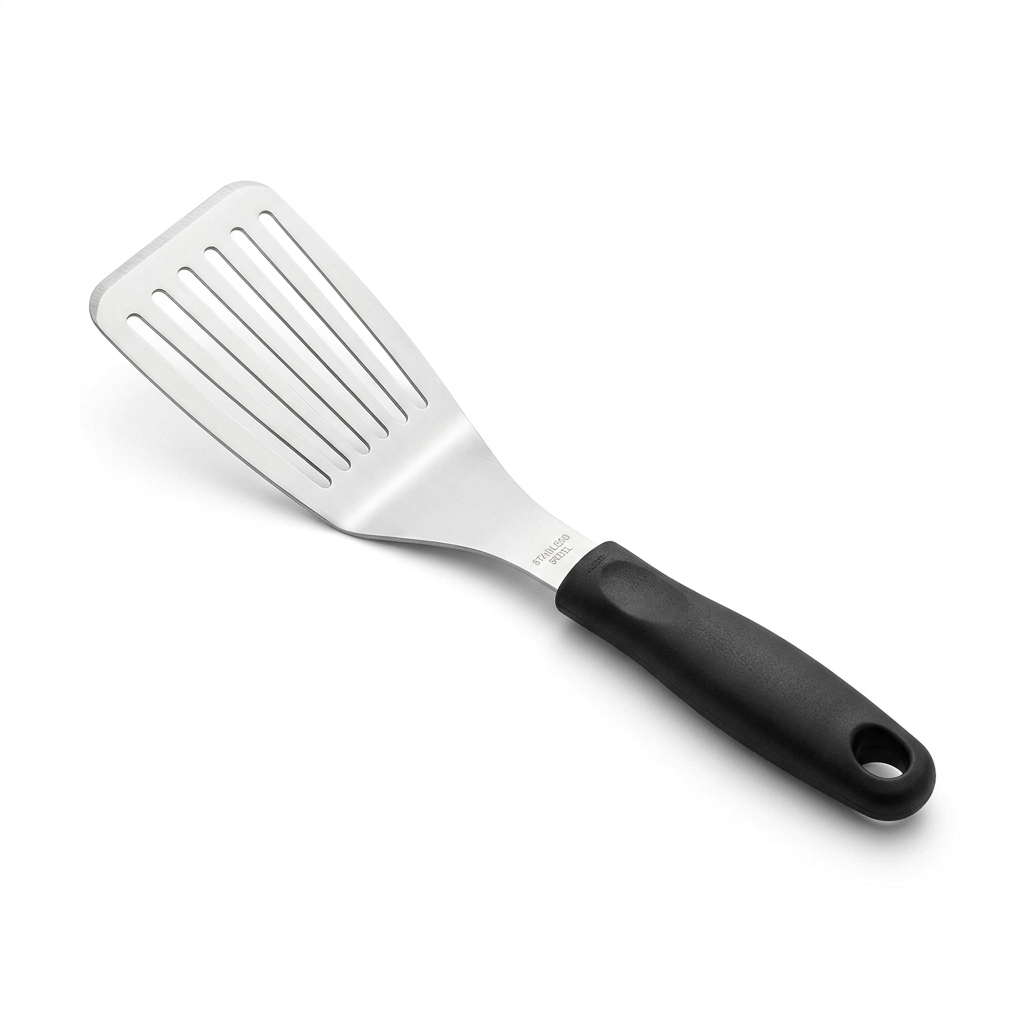
Having the right tools in your kitchen simplifies the process of cooking seafood. Here are some essentials that could make a significant difference:
Common Mistakes to Avoid
Practice Makes Perfect
Cooking seafood can seem intimidating, but with practice, it becomes second nature. Start with simpler recipes, gradually increasing the complexity as your confidence builds.
Conclusion
Embarking on an exploration of Mediterranean seafood cooking not only enriches your culinary skills but also connects you with a time-honored tradition celebrated along the coastlines of Europe. By understanding the diverse species of fish, mastering various cooking techniques, and infusing your dishes with fresh herbs and spices, you can create a cuisine that reflects the vibrant life of the Mediterranean.
Remember, the crux of Mediterranean cooking lies in its simplicity and celebration of ingredients. Each dish becomes a canvas where fresh seafood meets local produce, aromatic spices, and family traditions, transforming meals into meaningful experiences.
As you take your newfound knowledge into your kitchen, let the philosophy of Mediterranean cooking guide you—focus on quality ingredients, thoughtful preparation, and the joy of sharing meals with loved ones. Embrace the essence of Mediterranean seafood, and watch as the simple act of cooking becomes a flavorful adventure.

Get the Next Recipe
Weekly recipes, techniques, and gear picks — straight to your inbox.
