Mexican Mole: A Deep Dive into Complex Sauces
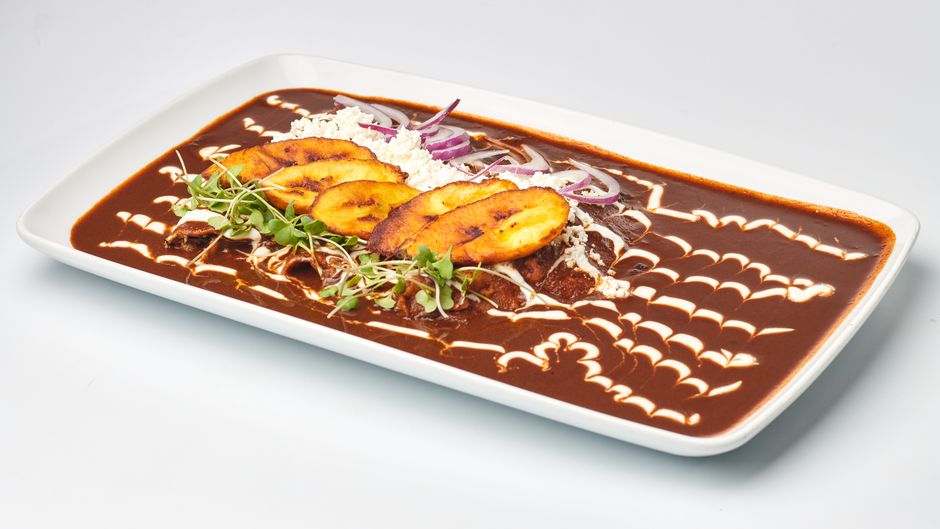
Mexican mole is a culinary treasure that beautifully encapsulates the rich tapestry of flavors and ingredients that define the country’s cuisine. At its core, mole is a complex sauce renowned for its deep, layered flavors, and originates from diverse regions in Mexico, each boasting its unique style and recipe variations. Traditionally served with meats, especially poultry, mole is a perfect example of how indigenous ingredients have melded with colonial influences over centuries to create a dish that’s both sophisticated and comforting.
Creating mole at home is not just about imitating a recipe; it’s an immersive experience that allows you to connect with the culture and history of Mexico. From the moment the spices are toasted to the final simmer, every step in the process builds flavor and depth. While many are deterred by the complexity and the number of components involved in traditional mole, a commitment to balance, patience, and creativity brings incredible rewards. Whether you find yourself crafting a simple mole for a weeknight dinner or engaging in the artistry of preparing traditional mole poblano, understanding the foundational elements can elevate your cooking.
Before diving into the specifics of preparing the various types of mole, consider this: mole is not just a sauce; it’s a reflection of personal tradition, family recipes, and regional nuances. Each batch may differ slightly based on ingredients, techniques, and even the intentions of the cook. This post will guide you through the essential components, techniques, and variations that define mole and help you forge your unique rendition of this iconic sauce.
The Essence of Mole: Understanding the Ingredients
To delve into the world of mole, we must first understand the critical role that ingredients play in crafting this complex sauce. The foundation of mole touches upon three primary categories: chiles, spices, and aromatic components. Each ingredient contributes to the sauce's ultimate flavor profile, providing the necessary depth and richness common to all mole recipes.
Chiles: The Soul of Mole
Chiles are arguably the most crucial element in a mole sauce, providing the heat and color characteristic of these complex condiments. The key varieties of chiles often used in mole include:
Each variety has its unique flavor profile, and combining them in the right ratios is essential for achieving balance. The typical combination might include:
When working with dried chiles, always remember to reconstitute them. This can be done by briefly toasting them in a dry skillet until fragrant, then soaking them in hot water for about 15-20 minutes until they soften. This softening process aids the blending of flavors and texture, leading to a smooth mole sauce.
Spices: The Aromatic Magic
While chiles are a focal point, spices also play a vital role in creating depth and complexity in mole. Common spices include:
In preparation, toast whole spices in a dry skillet over medium heat until they release their essential oils—usually just a few minutes. Be careful not to burn them, as bitterness can ruin the sauce. After toasting, grind the spices using a mortar and pestle or spice grinder to unlock their full flavors.
Aromatics: Building the Base
The last major category involves aromatics such as garlic, onion, tomatoes, and sometimes nuts like almonds or sesame seeds. These ingredients contribute not only to the flavor but also to the texture of the mole.
For a basic mole poblano, consider the following:
Sauté the onions and garlic until golden in oil or clarified butter, then incorporate the other aromatics. The aim is to achieve a harmonious blend that will support the chiles and spices, creating a full-bodied flavor profile.
Techniques for Crafting Mole
Creating a delicious mole requires thoughtful cooking techniques that emphasize layering flavors and developing a smooth texture. Here are the key steps to crafting a traditional mole.
Step One: Toasting and Grinding
As previously mentioned, toasting your chiles and spices is an essential starting point. Here's how to do it effectively:
The toasting process enhances flavors dramatically, ensuring your mole is aromatic and robust from the beginning.
Step Two: Building the Sauces
Once your spices and chiles are ground, it’s time to combine them with your sautéed aromatics. Here’s how you can proceed:
This technique, known as building sauces, is integral to the art of mole. It allows all the flavors to merge while ensuring a rich and silky finish.
Step Three: Simmering and Adjusting
When your sauce reaches the desired smoothness, it’s time to cook it further:
Professional Tip: Adjust your mole's sweetness and acidity by adding a little brown sugar or vinegar, if necessary. Remember that the final flavor profile should be a complex balance of spicy, sweet, and smoky notes.
Exploring Different Variations of Mole
Though mole poblano is perhaps the best-known version, Mexican cuisine boasts a rich variety of moles, each with its unique twists and flavors. Understanding these variations can inspire home cooks to innovate or deepen their appreciation of this traditional sauce.
Mole Verde: The Green Mole
Originating from Oaxaca, mole verde is reputed for its vibrant green color and fresh, herbaceous flavor, primarily made from ingredients like:
To prepare mole verde, you can follow these steps:
This variety of mole is lighter, often served over meats like chicken or fish, complementing them beautifully with its fresh flavors.
Mole Rojo: The Classic Red Mole
Mole rojo, another variation, showcases the bold, red hue derived mainly from dried red chiles. This version typically includes:
To bring your mole rojo to life:
Mole rojo pairs exquisitely with roasted meats, particularly pork or turkey, making it an excellent choice for festive gatherings.
Mole Coloradito: The Chocolate Delight
A fascinating cousin to mole poblano is mole coloradito, which introduces dark chocolate for added depth and richness. The variation typically includes:
The steps to prepare mole coloradito involve:
This mole is perfect for drizzling over grilled meats, veggies, and even enchiladas.
Serving Suggestions for Mole
Having crafted your magnificent mole sauce, it's time to explore the various ways to serve it. Cooking is not just about technique but also about presenting and enjoying food in a way that pleases both the eye and the palate. Here are a few serving suggestions that could help elevate your mole experience.
Classic Pairings
The most traditional application involves:
Modern Twists
You can also approach mole with contemporary presentations:
#### Vegetarian Options
For those who prefer a plant-based approach, mole can be served over:
Enhancing the Experience
When serving mole, consider adding complementary sides, such as:
Tips and Tricks for Perfecting Mole at Home
Crafting mole at home may seem daunting, but equipped with the right knowledge and a few handy tips, you can navigate the process with confidence and creativity. Here are some essential points to keep in mind.
Plan Ahead
Mole can be time-consuming to prepare, so consider these points:
Taste as You Go
Tasting throughout the process is vital. Adjust the spice levels, sweetness, and acidity to achieve a desired balance. Remember that it’s easier to add more salt or sweetness than to remove it.
Experiment with Flavors
Mole is all about personal expression. Don’t hesitate to experiment by adding unique ingredients:
Conclusion
Delving into the world of Mexican mole leads to a deeper appreciation of culinary diversity and rich tradition. Whether you’re tackling mole poblano for a special occasion or experimenting with variations like mole verde or rojo, the journey of crafting this sauce is rewarding. The key lies in understanding the importance of ingredients, honing your techniques, and exploring various flavor profiles.
Ultimately, whether traditional or innovative, mole is a testament to the artistry of cooking and a celebration of Mexico’s culinary heritage. So the next time you find yourself in need of a luxurious and complex sauce, remember the aromatic, spicy, and bold world of mole waiting to be explored. Embrace the complexity, savor every layer of flavor, and enjoy the cooking process—after all, in the world of mole, every chef has their unique story to tell.
"Mole is more than an ingredient; it’s a story steeped in history and culture."
By merging tradition with creativity and passion, your journey into the world of mole will surely be filled with delicious discoveries. Happy cooking!



Get the Next Recipe
Weekly recipes, techniques, and gear picks — straight to your inbox.
