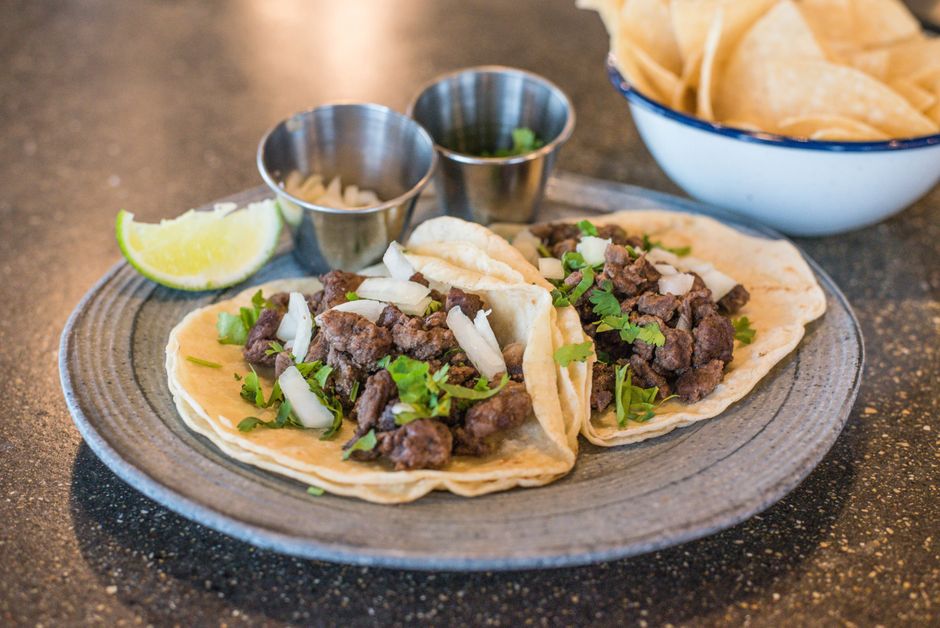
Mexican Street Tacos: A Deep Dive
Nothing quite captures the vibrant essence of Mexican cuisine like the humble yet incredibly flavorful street taco. Found on bustling corners and vibrant marketplaces, these bites of joy are a tapestry of flavors, textures, and aromas that encapsulate the heart of Mexico. Each street taco tells a story, one that intertwines the rich history, culture, and regional diversity of this beautiful country. Whether it's the sizzling sound of marinated meat hitting a hot griddle or the fresh crunch of toppings added at the last minute, the experience of enjoying street tacos is as rich as the flavors that define them.
In the world of culinary arts, street tacos represent a form of culinary democracy; easy to make yet endlessly customizable, they cater to a variety of tastes, preferences, and dietary needs. A street taco can be filled with anything from traditional slow-cooked meats to roasted vegetables, and can be topped with vibrant salsas, fresh cilantro, and zesty lime. This blog post will not only delve into the art of making authentic street tacos but will also explore their cultural significance and practical tips for recreating them at home. By mastering the techniques and ingredients behind these beloved bites, home cooks can turn their kitchens into a taco stand that rivals those found in the heart of Mexico.
As we embark on this culinary journey together, it's essential to appreciate how each component contributes to the overall dish. We'll cover everything from selecting the perfect tortilla to mastering your choice of protein, garnishing techniques, and the wide variety of salsas that can elevate your taco game. This deep dive invites you into a world where simplicity meets sophistication, empowering you to create incredible street tacos that will impress your friends and family.
A Brief History of Tacos
Tacos, in their various forms, have been enjoyed in Mexico for centuries. Though the exact origins are somewhat ambiguous, many culinary historians agree that the taco traces back to the indigenous peoples of the region who filled tortillas with foods such as beans, fish, and other available ingredients. Over time, street tacos have evolved into a popular street food that emphasizes freshness and quick preparation. The word "taco" itself is derived from the Spanish verb "tacar," which means "to touch or to tap," a fitting description of how the ingredients interact when wrapped in a tortilla.
The Evolution of Taco Culture
The taco as we know it today gained popularity in the early 20th century. With the rise of street vendors in urban areas like Mexico City, the taco began to transform into a fast and flavorful meal option for workers. Street food culture thrived, as vendors could quickly prepare and serve tacos, each showcasing unique local flavors and ingredients.
Traditional recipes were passed down through generations, resulting in regional variations. For example, carnitas from Michoacán, tacos al pastor from Puebla, and fish tacos from Baja California have become iconic, each representing the unique culinary landscape of their origins. Today, these tacos have earned a place in global cuisine, inspiring restaurants and home cooks alike to experiment and innovate.
The Cultural Significance of Tacos
In Mexican culture, tacos symbolize both festivity and comfort. They are a staple during family gatherings, festivals, and celebrations. Street tacos represent the spirit of community, as they are often shared among friends and families gathered at street corners or local markets. Additionally, the taco reflects the diversity of Mexican society, illustrating how various regions have contributed to a collective culinary identity.
To truly appreciate the cultural significance of tacos, consider this: they are more than just food; they are a reflection of the people and places they come from. Each bite is a celebration of tradition, artistry, and the culinary landscape of Mexico.
The Basics of Taco Assembly
Creating the perfect taco starts with mastering the assembly process. While every taco may have slight variations in its ingredients, there are foundational components that remain constant.
Selecting the Right Tortilla
The tortilla serves as the foundational vessel of a taco, and selecting the right one is crucial for the overall success of your dish. There are two main types of tortillas used in tacos: corn and flour.
Pro Tip: Warming your tortillas is essential. This can be done on a hot skillet for about 30 seconds on each side or wrapped in foil and placed in a warm oven for a few minutes. Warming helps maintain flexibility, preventing cracks when folding.
Choosing Your Protein
The protein selection is where you can get creative. Traditional street tacos use a variety of meats, but you can easily adapt to your taste or dietary requirements. Here are some popular choices:
Filling the Taco
Once you’ve chosen your protein, it’s time to fill your taco. But there’s an art to it!
- Chopped onion
- Fresh cilantro
- Radish slices
- Salsas or sauces (more on these below!)
Note: Avoid overfilling; a well-proportioned taco is easier to eat and allows each ingredient to shine.
Special Sauces and Salsas
A taco can’t be complete without sauces and salsas that enhance the overall experience. Here are a few classic accompaniments:
Tip: Experiment with flavors! A good salsa can elevate your taco to new heights.
Mastering Traditional Taco Fillings
Now that we've covered the basics of taco assembly, it’s time to dive deeper into some iconic fillings. Each of these fillings has unique preparation methods and flavor profiles that make them essential in creating authentic street tacos.
Carnitas
Carnitas, meaning "little meats," is a beloved filling for street tacos. The pork is slow-cooked until tender, then shredded and often crisped up before serving.
#### Ingredients:
#### Instructions:
Chef's Tip: Use the leftover cooking liquid to keep the meat moist when storing or reheating.
Tacos al Pastor
Originating from Lebanese immigrants to Mexico, tacos al pastor are a fantastic combination of spices and grilling techniques.
#### Ingredients:
#### Instructions:
Fish Tacos
The coastal regions of Mexico offer fantastic seafood options. Fish tacos, often made from flaky white fish, are a delightful option that highlight fresh flavors.
#### Ingredients:
#### Instructions:
Garnishing Techniques for Tacos
Once your tacos are filled, it's time to experiment with garnishing techniques that elevate not just the look but also the flavor profile.
Layering Flavors
A successful taco often depends on the layers of flavors and textures. Here’s how to do that effectively:
Fresh Herbs
Using fresh herbs like cilantro can make a noticeable difference in flavor. Chopped fresh herbs add brightness and contrast to rich fillings.
Pro Tip: Give your cilantro a rough chop, rather than finely mincing, to maintain texture and maximize flavor.
Spice It Up
Don’t hesitate to add extra heat! Consider incorporating sliced jalapeños, serranos, or a dash of salsa verde on top of your tacos to satisfy those who like it spicy.
Presentation
While we often eat with our mouths, we also eat with our eyes. Keep this in mind while garnishing:
Pairing Beverages with Tacos
No meal is complete without the perfect drink to accompany it. Mexican street tacos lend themselves to a variety of refreshing beverages.
Traditional Mexican Drinks
Wine Pairing
For those who prefer wine, opt for a Crisp white like Sauvignon Blanc or a light red like Pinot Noir. Both of these will enhance your taco experience without overpowering it.
Cocktails
Consider classic cocktails like the Margarita or Paloma. The acidity and slight sweetness in these drinks help cut through the richness of the meats and toppings.
Creative Taco Variations
While traditional tacos are simply remarkable, there is no harm in experimenting! Here are a few creative recipes to infuse new life into your taco creations.
Korean BBQ Tacos
A fusion that has gained popularity, Korean BBQ tacos offer a unique twist.
#### Ingredients:
#### Instructions:
Cauliflower Tacos
Perfect for veggie lovers or those seeking a plant-based option, roasted cauliflower makes an excellent filling.
#### Instructions:
Conclusion
The journey of mastering Mexican street tacos is both delicious and rewarding. From understanding their rich cultural history to selecting the perfect ingredients and techniques, you're now equipped to recreate an authentic taco experience at home. It is this appreciation for each component, from the tender marinated meats to the fresh toppings, that will truly elevate your culinary skills and your taco nights.
Remember, cooking should be fun and liberating. Don't be afraid to experiment and make these recipes your own. Whether you stick to traditional fillings or venture into innovative territory, each taco can be a unique expression of your creativity and taste.
So gather your family and friends, set up a taco bar, and let everyone build their ideal taco. Not only will you nourish their bodies, but you'll also create a beautiful experience filled with flavor, laughter, and love. Here’s to your new-found taco skills—¡Buen provecho!


Get the Next Recipe
Weekly recipes, techniques, and gear picks — straight to your inbox.
