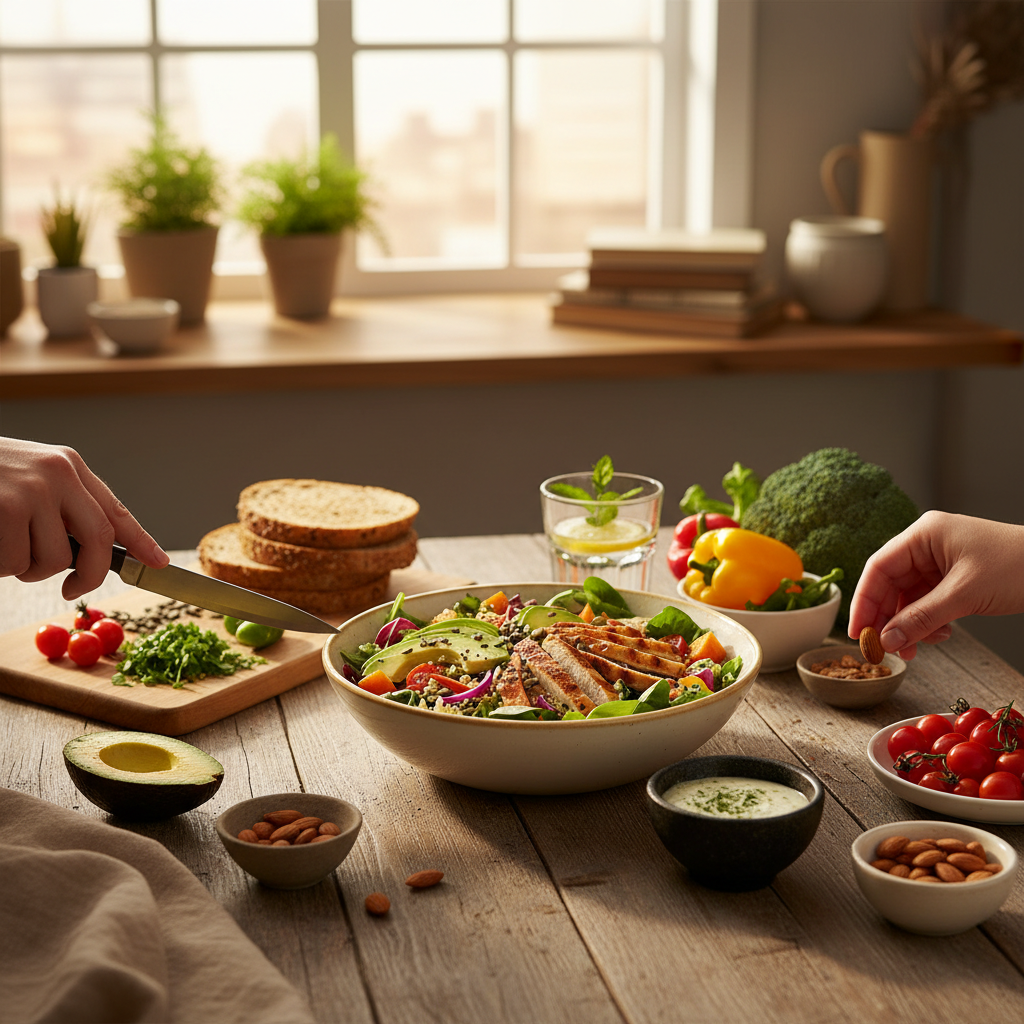
Mindful Eating: 7 Simple Techniques to Transform Your Healthy Cooking Habits
In a world where fast food and convenience often overshadow the importance of mindful eating, there lies a treasure trove of culinary bliss just waiting to be explored. Cooking is not just about having the right spices or following a recipe to the letter; it is about creating an experience that nourishes both the body and the soul. Mindful eating elevates cooking from a daily chore to an immersive ritual that fosters connection, creativity, and health. By taking the time to truly engage with the food we prepare and consume, we can transform our cooking habits, making them healthier and more fulfilling.
When we cook mindfully, we tap into our senses—savoring the aromas, textures, and visual artistry of our meals. In doing so, we develop a deeper appreciation for the ingredients we choose and their impact on our well-being. As home cooks, this practice encourages us to cultivate a respectful relationship with food, one that acknowledges not only the nutritional benefits but also the joy and satisfaction that comes from cooking and sharing meals with loved ones. With this heightened awareness, even the simplest dishes can become exquisitely delightful experiences.
The following sections will explore seven simple yet powerful techniques for mindful eating that will help transform how you cook and enjoy food. Each method is designed to bring you closer to your culinary creations while fostering a healthier lifestyle. With these techniques in your kitchen arsenal, you will not only improve your meals but also enrich your overall dining experience. Let's delve into these transformative practices that will invigorate your approach to healthy cooking.
1. Embrace Seasonal Ingredients
The Importance of Seasons
One of the most effective ways to enhance your cooking habits is by embracing seasonal ingredients. These are foods that are harvested at their peak ripeness, which not only ensures the best flavor but also maximizes health benefits. Fruits and vegetables that are in season are generally more affordable, fresher, and packed with nutrients, offering a delightful culinary experience.
Here are a few reasons why you should prioritize seasonal produce:
How to Find Seasonal Ingredients
To embrace seasonal eating effectively, you first need to know what's in season in your area. Utilize resources like:
"Eating seasonally is not just about sourcing ingredients; it’s about rediscovering the joy of food in each cycle of nature."
Preparing Seasonal Dishes
Once you've gathered your seasonal ingredients, it’s time to let them shine. Consider these cooking methods:
By focusing on seasonal ingredients, you facilitate a more flavorful and nutritious dining experience, reinforcing the benefits of mindful cooking.
2. Mindful Meal Planning
Planning as a Tool
Meal planning is not merely about deciding what to cook each week; it’s an essential component of mindful eating that can significantly elevate your culinary practice. Thoughtful planning allows for better ingredient use, less food waste, and helps you avoid the mid-week scramble for dinner ideas.
#### Steps for Effective Meal Planning:
The Benefits of Meal Prep
Meal prepping complements meal planning and serves as a powerful way to enhance your mindful eating habits. Prepping meals in advance allows you to portion out servings and feel more in control of your meals.
#### Tips for Successful Meal Prep:
By integrating both meal planning and meal prep into your routine, you can achieve a healthier relationship with food while minimizing stress.
3. Cultivating Mindful Cooking Practices
Engaging Your Senses
Mindful cooking is about engaging with your food on a deeper level, allowing you to appreciate each step in the cooking process. By slowing down and focusing on your senses, you turn meal preparation into a pleasurable experience.
#### Techniques for Mindful Cooking:
Creating a Mindful Cooking Environment
Your kitchen should be a sanctuary for creativity and nourishment. Here’s how to cultivate an environment conducive to mindful cooking:
"Cooking can be a meditative practice that nourishes not just the body but also the spirit."
Experimenting with Techniques
Mindful cooking can also be a pathway to newfound skills. Challenge yourself to explore different techniques:
By focusing on the art of cooking, you not only refine your skills but also deepen your relationship with the meals you create.
4. The Art of Mindful Eating
Practicing mindful eating at the table
Once you've cooked a delicious meal, it’s time to engage in mindful eating. This practice encourages you to savor your food and appreciate each bite, transforming a meal into a meaningful experience.
#### Steps to Eating Mindfully:
Listening to Your Body
Mindful eating involves listening to your body's hunger and fullness cues. By tuning in, you can foster a healthy relationship with food.
#### Utilizing the Hunger Scale:
Use a hunger scale from 1 to 10:
Aim to eat when you are between a 2 and 3, and stop between a 6 and 7.
Benefits of Mindful Eating
By adopting mindful eating practices, you may experience:
Engaging in these practices promotes a healthier relationship with your food, leading to a more satisfying eating experience.
5. Experimenting with New Ingredients
Broadening Your Horizons
One of the most exhilarating aspects of cooking is experimenting with new ingredients. Venture beyond the familiar aisles of your grocery store and explore international cuisines or foraged foods. This opens up a world of flavors and textures, fostering excitement and creativity.
#### Sourcing New Ingredients:
Incorporating Unfamiliar Ingredients
Once you've found intriguing new ingredients, challenge yourself to incorporate them into your meals.
"Cooking with new ingredients not only enriches your meals but also enhances your culinary skills and knowledge."
Building Culinary Confidence
The more you experiment with new ingredients, the more confident you'll become in the kitchen. Aim to:
By expanding your culinary repertoire, you enhance your cooking journey, leading to delicious discoveries.
6. Sustaining Mindful Eating Habits
Building a Routine
To fully transform your cooking habits, it’s essential to prioritize sustainability in your approach to mindful eating. Creating a routine reinforces these practices in your daily life.
#### Tips to Sustain Mindful Eating:
Making Mindful Eating a Family Activity
Engaging your family can create a shared commitment to a healthier lifestyle. Coordinate meal planning and preparation as a family, encouraging everyone to contribute.
Assessing Progress
Set achievable goals and periodically assess your progress with mindful eating.
By fostering sustainable habits, you create a lifestyle that enriches your culinary experiences while improving your overall health.
7. Concluding Reflections on Mindfulness in Cooking
The Journey Ahead
Incorporating mindful eating into your cooking habits is a rewarding journey filled with learning, experimentation, and joy. Each technique discussed above serves as a stepping stone toward creating healthier habits while transforming the culinary experience.
Connecting Food and Health
Understanding the connection between food and health goes beyond merely choosing wholesome ingredients. By practicing mindfulness in cooking and eating, you forge a deeper relationship with the food you prepare and consume, leading to comprehensive well-being.
Food as a Source of Joy
Cooking should be more than a mundane task; it can become a joyful celebration of ingredients, flavors, and community. As you adopt mindful practices, remember the essence of cooking: joy, connection, creativity, and health.
"To eat mindfully is to honor the journey of food from farm to table, embracing every flavor and texture."
Final Thoughts
By adopting these seven techniques for mindful eating, you are not merely cooking—you are cultivating an experience that nourishes your body, engages your senses, and elevates your love for food. Each step feeds not just your hunger but also your spirit, transforming your healthy cooking habits into a path of conscious living.
With practice, patience, and time, you can turn everyday meals into extraordinary culinary adventures that reflect your unique tastes and values. So don your apron, ignite your passion, and embark on this transformative journey that celebrates each meal as a mindfulness practice in itself. Happy cooking!


Get the Next Recipe
Weekly recipes, techniques, and gear picks — straight to your inbox.
