
Molecular Gastronomy at Home: Creating Modern Culinary Art
Molecular gastronomy is an exciting frontier in modern cuisine, where science and culinary artistry blend to create unforgettable gastronomic experiences. As a passionate home cook, you might often find yourself craving innovative techniques that elevate your food from ordinary to extraordinary. This culinary movement offers unique methods to experiment with flavor, texture, and presentation, transforming the way we perceive and enjoy our meals. While molecular gastronomy is often associated with high-end restaurants, the good news is that you can take these techniques into your own kitchen.
Moreover, embracing molecular gastronomy at home isn't merely about the ingredients or fancy tools; it also involves developing a deeper understanding of the science behind cooking. The beauty of these techniques lies in their ability to reinvent traditional dishes, surprising your taste buds with unexpected flavors and textures. Imagine presenting a dish that appears classic at first glance but reveals a twist upon eating, such as a spherified cocktail or a deconstructed dessert. This inventive approach encourages creativity and allows you to turn your culinary visions into reality.
In this blog post, we will explore the essentials of molecular gastronomy and guide you through techniques that will impress your family and friends. From understanding the science behind common ingredients to mastering the use of specialized tools, we will provide you with all the knowledge and tips you need to get started. Let’s embark on this culinary journey, where your kitchen becomes a lab of edible art, filled with innovation and excitement.
Understanding Molecular Gastronomy
Molecular gastronomy revolves around the exploration of the physical and chemical transformations that occur during cooking. It is not just a collection of techniques; it’s a scientific discipline that seeks to enhance flavors, create new textures, and present food in visually striking formats. By understanding the science of food, chefs can manipulate the essence of ingredients, combining them in ways that traditional cooking wouldn't allow.
This cooking style often utilizes modern tools and techniques, such as sous-vide cooking, foams, gels, and spherification. The goal is to invoke wonder and create dishes that tantalize the senses. A common misconception is that molecular gastronomy requires access to high-tech equipment or rare ingredients, but many techniques can be accomplished with everyday kitchen items and a little creativity.
The Science Behind Cooking
To effectively embrace molecular gastronomy, it's vital to understand how different ingredients behave when subjected to heat, cold, or mechanical processes. This knowledge lets you manipulate the flavor and texture for maximum impact. Here are a few fundamental concepts to grasp:
By leveraging this scientific knowledge, you can create unique dishes that challenge conventional perceptions of flavor and texture.
Essential Equipment for Molecular Gastronomy
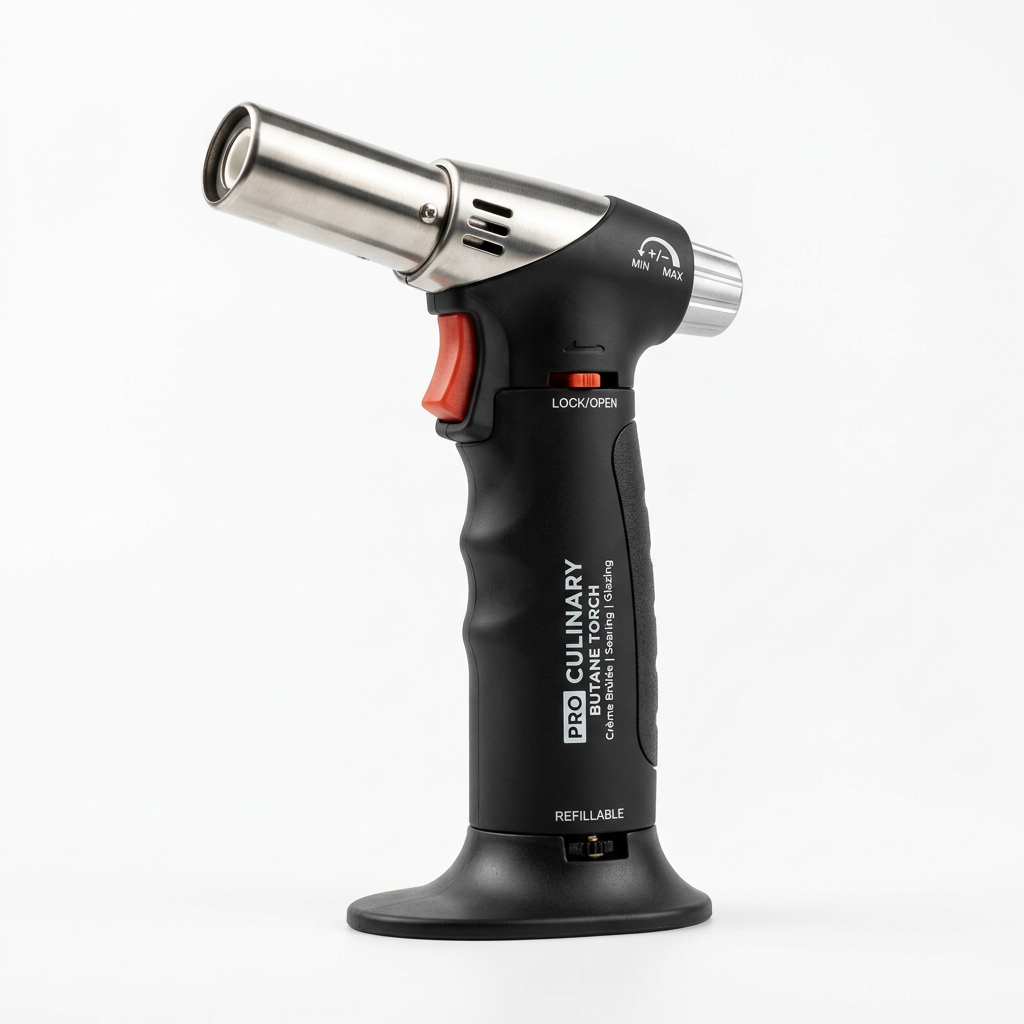
Equipping your kitchen with the right tools is crucial for successfully executing molecular gastronomy techniques. Here’s a list of essential equipment to get you started:
Investing in these tools can transform your cooking and encourage experimentation. Always remember, though, that creativity and engagement with the process are just as important as technology.
Ingredients to Stock for Molecular Gastronomy
Equally important as the right tools is having a well-stocked pantry of essential ingredients. Here are key ingredients to consider for your molecular gastronomy endeavors:
Having these ingredients on hand will allow you to explore various techniques without constantly sourcing specialty items.
Techniques to Explore
Once you have the right tools and ingredients, you can dive right into the myriad of techniques that molecular gastronomy has to offer. Below, I’ll outline some prominent methods and describe how to implement them effectively.
Sous-Vide Cooking
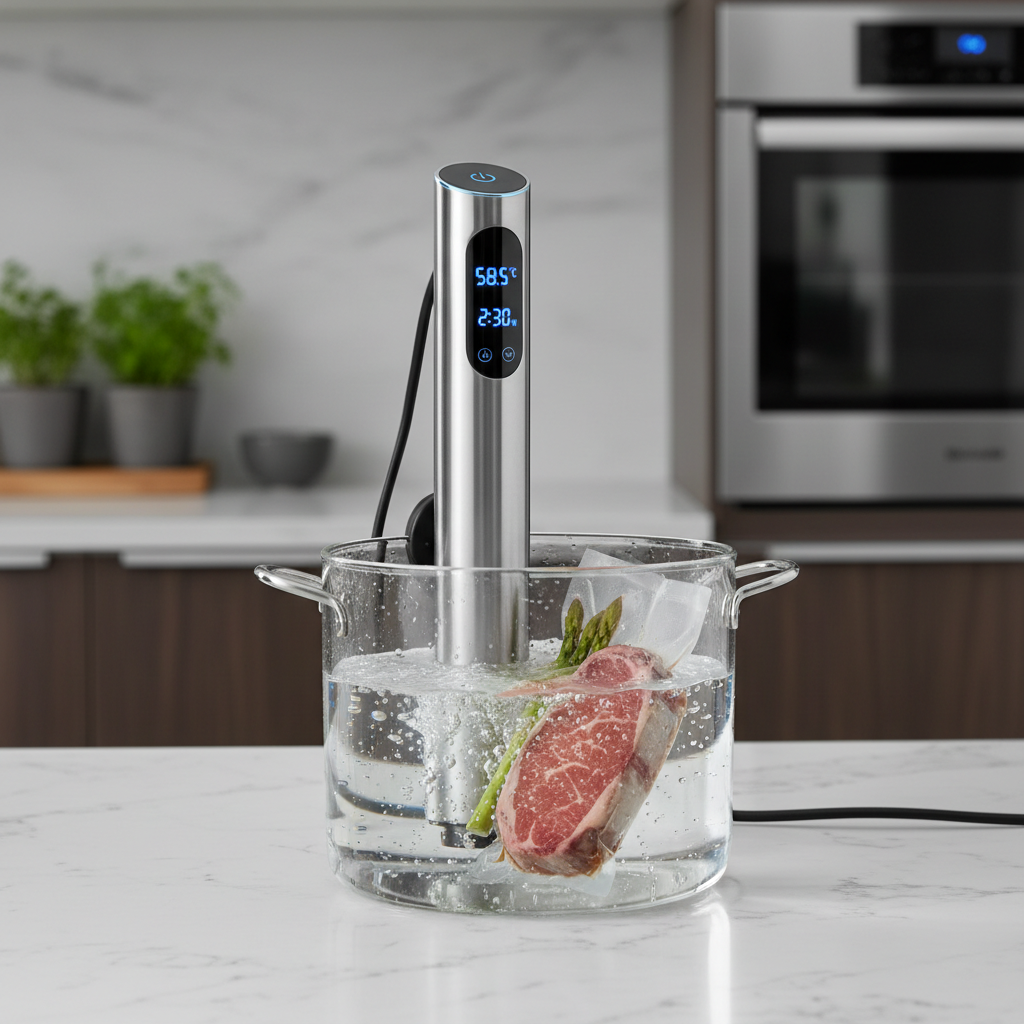
Sous-vide cooking involves sealing food in a vacuum-sealed bag and cooking it in a water bath at a constant temperature. This technique ensures that the food cooks evenly while retaining moisture and flavor.
- Sous-vide precision cooker
- Vacuum sealer and bags
- Pot or container for water
- Seasoning: Season your meat or vegetables as desired and place them in a vacuum-sealed bag.
- Sealing: Use a vacuum sealer to remove air and seal the bag tightly.
- Cooking: Preheat your sous-vide cooker to the desired temperature (for chicken, around 140°F (60°C) for tender results) and immerse the bag in the water bath.
- Time: Cook for a duration depending on your protein; for steak, 1-3 hours can yield a perfectly tender piece.
“Sous-vide is an incredible way to achieve restaurant-quality results from your home kitchen.”
By using sous-vide cooking, you can accurately control the doneness of your food, allowing you to achieve results that are impossible with conventional cooking methods.
Spherification
Spherification allows you to create edible spheres filled with liquid, resembling caviar. This technique can be applied to drinks, purees, or any liquid ingredients you want to encapsulate.
- Prepare the Liquid: Start with a flavored liquid, ensuring it contains sodium alginate for best results.
- Dissolve Sodium Alginate: Blend 1-2% sodium alginate into the liquid until fully dissolved.
- Calcium Bath: Prepare a bath using calcium chloride at a ratio of 1 cup of water with ½ teaspoon of calcium chloride.
- Dropping: Use a pipette or syringe to drop the sodium alginate liquid into the calcium bath.
- Gel Formation: Allow the spheres to set for 1-2 minutes, then remove and rinse in fresh water.
The beauty of spherification lies in the burst of flavor that occurs upon consumption, giving your dish an exciting and unexpected twist!
Foams
Creating foams is a delightful technique that adds airiness to dishes. You can use both a whipping siphon and molecular stabilizers to create stable foams.
- Choose Your Liquid: Select a flavoring liquid, such as fruit purée or broth.
- Add Stabilizer: Add a stabilizing ingredient, such as lecithin or xanthan gum, at a rate of 0.5-1% of the total volume to help maintain foam structure.
- Mix: Blend the mixture to aerate it, creating bubbles.
- Charge the Siphon: Fill a whipping siphon, charge it with nitrous oxide gas, shake gently, and dispense.
Creating these foams provides a unique and innovative way to impart flavors, adding a contemporary touch to your culinary repertoire.
Creative Applications of Molecular Gastronomy
Molecular gastronomy opens the door to creativity, allowing you to reimagine classic dishes and experiment with innovative presentations. Here are several dish ideas that highlight the application of these techniques:
Deconstructed Dishes
Deconstructing a dish involves separating its components, preparing each one using various molecular techniques, and presenting them together in a new format. For example, consider a deconstructed caprese salad:
- Tomato Water: Extract the essence of tomatoes using a centrifuge or by letting them sit with salt to expel juices.
- Basil Foam: Blend fresh basil with water and lecithin to create a foam.
- Balsamic Pearls: Use spherification to create balsamic vinegar pearls.
- Mozzarella Air: Blend mozzarella with water and use a siphon to create a delicate foam.
Flavor Pairing and Textures
Molecular gastronomy allows for unexpected flavor combinations and varied textures. Think of a dish that pairs crunchy, creamy, and airy elements to create an exciting experience.
- Create a vanilla foam as outlined previously.
- Candy some bacon with brown sugar and process it into a fine dust.
- Serve the foam in a dish with a sprinkle of bacon dust for a sweet, savory contrast.
Palate Cleansers
Use molecular gastronomy techniques to create innovative palate cleansers between courses. A lemon thyme sorbet made using the sous-vide technique can refresh the palate beautifully.
- Prepare a thyme-infused syrup by simmering water, sugar, and fresh thyme together.
- Mix the syrup with lemon juice and place it in a vacuum-sealed bag.
- Sous-vide at 172°F (78°C) for 30 minutes, then chill and churn in an ice cream maker.
“A well-crafted palate cleanser engages both the palate and the creative imagination.”
Pairing Molecular Ingredients with Gourmet Sauces
Enhancing sauces with molecular techniques can elevate traditional recipes, making them dazzling and flavorful. Consider the following applications:
Handcrafted Emulsions
Emulsifications can expand from simple vinaigrettes to complex, flavored emulsions that can be served with proteins or vegetables. Try this:
- Combine 1 cup of garlic-infused olive oil with ½ cup of vegetable stock.
- Add 0.5% xanthan gum to help stabilize the emulsion.
- Blend until creamy, serving alongside grilled seafood for a silky, garlic punch.
Achieving Silky, Modern Sauces
Using modern ingredients, you can create smooth sauces that retain flavor while becoming captivating in appearance. Here’s how:
- Prepare a saffron infusion with 1 cup of water, bringing it to a simmer.
- Blend with cream, add a pinch of sodium citrate for stabilization, and emulsify with olive oil.
- Serve warm with seafood or poultry, resulting in a vibrant, luxurious sauce.
Final Thoughts
Molecular gastronomy opens up a world of possibilities in your home kitchen, allowing you to innovate and express your culinary creativity. By grasping the science behind cooking and employing some unique techniques, you can transform your approach to food, making dining an extraordinary experience.
As you embark on your molecular gastronomy journey, remember that practice is key. Each technique takes time to master, but the results will be rewarding. Try experimenting without fear, embrace the science, and let your creativity flourish. Whether you’re preparing a simple dinner for friends or a lavish feast for a special occasion, molecular gastronomy adds an undeniable flair, turning your culinary efforts into exclamations of joy and surprise.
Go ahead—push the boundaries of your culinary skillset, and remember to always Blame the Chef when you dazzle your guests with creative and unforgettable dishes!
Get the Next Recipe
Weekly recipes, techniques, and gear picks — straight to your inbox.
