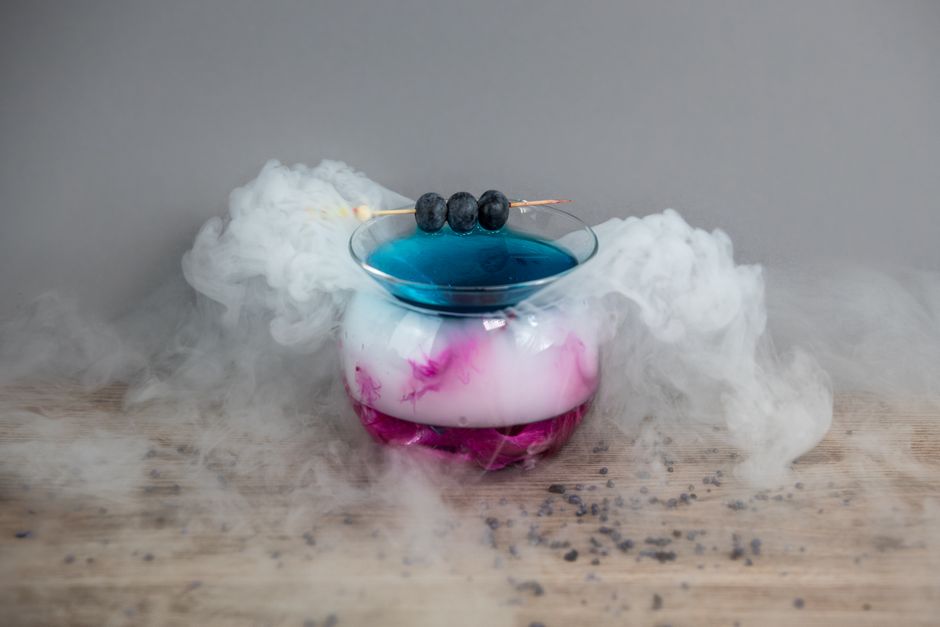
Molecular Gastronomy at Home: Spherification and Gels
Molecular gastronomy is a fascinating culinary discipline that blends science and cooking, producing extraordinary textures and flavors that astonish even the most discerning palates. By incorporating techniques like spherification and gelification, home cooks can elevate traditional dishes into innovative masterpieces. The beauty of molecular gastronomy lies in its ability to break down familiar ingredients and rebuild them in unexpected ways, transforming dining into an extraordinary sensory experience. In this blog post, we will explore some fundamental techniques and practices that will allow you to bring the magic of molecular gastronomy into your own kitchen.
At its core, molecular gastronomy is about understanding the scientific principles behind cooking and utilizing them to transform food in remarkable ways. Spherification is one of the most accessible techniques, allowing you to create spherical gels that burst with flavor when bitten into. This technique is often used for cocktails, sauces, and desserts, providing a fun burst of flavor similar to caviar. On the other hand, gelification provides versatility in creating transparent gels, used for a variety of applications such as sauces, jelly, and garnishes, enhancing both texture and presentation.
To embark on this culinary adventure, you only need a few specialized ingredients, some kitchen tools, and an adventurous spirit. Don’t worry; the required items are relatively easy to acquire and use. With practice and a bit of patience, you can master these techniques, impress your family and friends, and perhaps gain a newfound appreciation for the art and science of cooking. Let’s dive deeper into the incredible world of molecular gastronomy with a closer look at spherification and gels.
Understanding Molecular Gastronomy
Molecular gastronomy is not merely a collection of tricks to create visually stunning dishes; it encompasses a deeper understanding of cooking processes and the physical and chemical transformations that ingredients undergo. The term was coined in the late 20th century, popularized by chefs like Ferran Adrià, Heston Blumenthal, and Grant Achatz. These chefs uncovered how scientific principles could be applied to traditional cooking methods, allowing them to push boundaries and create avant-garde culinary experiences.
The Science Behind the Techniques
To appreciate molecular gastronomy, one must understand the basic scientific concepts at play. For instance, gels can be formed by using gelling agents such as agar, gelatin, and pectin, which differ in their properties, melting points, and how they interact with liquids. Understanding how these gelling agents work helps you choose the right one based on desired texture and dietary needs.
Understanding these materials allows you to manipulate your ingredients thoughtfully, creating beautifully cohesive dishes that maintain their integrity and flavor balance.
Culinary Applications
Now that you’ve scratched the surface of the science, let’s explore the myriad ways these techniques can be applied in the kitchen. Spherification can be used to encapsulate flavors in a way that highlights their essence. For instance, imagine a mango puree transformed into divine, caviar-like spheres that burst with tropical sweetness. Other applications include cocktails infused with flavors like basil, mint, or even unexpected ingredients like bacon! Gelification can add depth to a dish, offering new textures and aesthetics that stimulate both taste and sight.
More examples of culinary applications include:
Mastering these techniques not only broadens your culinary repertoire but also allows you to explore creativity in your presentations.
Spherification
Spherification is a cornerstone technique of molecular gastronomy, allowing you to create spherical capsules of liquid that burst with flavor upon consumption. There are two primary methods of spherification: basic spherification and reverse spherification, each with its specific processes and applications.
Basic Spherification
This technique is ideal for creating spheres that can be served fresh and consumed immediately. The process typically involves a sodium alginate solution and a calcium bath.
#### Step-by-Step Guide for Basic Spherification
"The beauty of molecular gastronomy isn’t just in the flavor, but in the surprising textures that challenge our expectations."
Reverse Spherification
Reverse spherification is employed when the liquid has a high acidity level or requires a gelling agent that sets over time rather than immediately. This method provides a more stable sphere that holds up well for several hours or even days.
#### Step-by-Step Guide for Reverse Spherification
Tips for Successful Spherification
Gelification
Gelification offers a multitude of creative applications in the kitchen, allowing the transformation of liquids into solid or semi-solid forms. Understanding how to utilize various gelling agents can enable home cooks to add dimension to their dishes, from savory gels to sweet jellies.
Types of Gelling Agents
As mentioned earlier, the choice of gelling agent significantly affects the final texture and presentation of your dish. Here’s a closer look at the most common gelling agents used in gelification:
- Great for making desserts, jellies, and panna cotta.
- To bloom gelatin, sprinkle it over cold water and let it sit for about 5-10 minutes. Once bloomed, it can be melted with heat.
- Ideal for vegetarian and vegan recipes.
- Agar sets rapidly at room temperature and does not require refrigeration. Generally, 1g of agar can set about 100ml of liquid.
- Best used in jams and jellies, needing sugar and acid to set properly.
- Pectin needs to be cooked to activate its gelling properties. The amount varies based on sugar content but typically requires about 1g for every 100ml of liquid.
Making Gelified Sauces
One popular application of gelification is creating gelified sauces that are visually appealing and add playful textures to your dishes. For instance, a gelled balsamic vinaigrette can be sliced into cubes and served alongside salads or entrees. Here’s how to make a simple gelled sauce:
#### Step-by-Step Guide to Gel a Sauce
Creating Transparent Gels
Transparent gels can enhance the presentation of your dishes, providing a stunning visual impact while maintaining flavors. For example, mint gel can add a fresh element to fruity desserts.
#### Step-by-Step Guide for Transparent Mint Gel
"Gelification is where science meets artistry; it's about creating stunning presentations that enhance the dining experience."
Flavor Combinations
The beauty of molecular gastronomy lies in the freedom to experiment with flavors and textures. Understanding how to combine ingredients effectively can yield delightful surprises. Some flavor pairings work beautifully with spherification and gelification.
Exploring Flavor Profiles
Tips for Successful Flavor Pairing
Building Texture
Understanding the texture is as critical as flavor in molecular gastronomy. Varying textures can turn an ordinary meal into an experience, accentuating the overall enjoyment of the dish through taste and mouthfeel.
Importance of Texture
Textures can drastically change how we perceive flavors. For instance, creamy textures typically bring comfort, while crunchy textures provide excitement. In molecular gastronomy, playing with textures can include creating foams, gels, and powders, each contributing to a rich sensory experience.
Techniques for Texture Variety
Layering Textures in Dishes
Redefining the textures in your dishes allows for an engaging dining experience. You might design a dish where:
Conclusion
Diving into the world of molecular gastronomy can be rewarding and inspires creativity in the kitchen. Techniques like spherification and gelification provide exciting opportunities to explore flavors and textures, transforming everyday ingredients into extraordinary culinary experiences. Understanding the science behind these processes allows you to push the boundaries of traditional cooking and create memorable dining experiences, surprising friends and family alike.
As you experiment with these techniques, remember to embrace the learning process. Although some attempts may not yield the desired results, with practice and exploration, you will harness the art of molecular gastronomy beautifully. Keep your culinary curiosity alive; the more you explore, the more delightful surprises await in your kitchen!


Get the Next Recipe
Weekly recipes, techniques, and gear picks — straight to your inbox.
