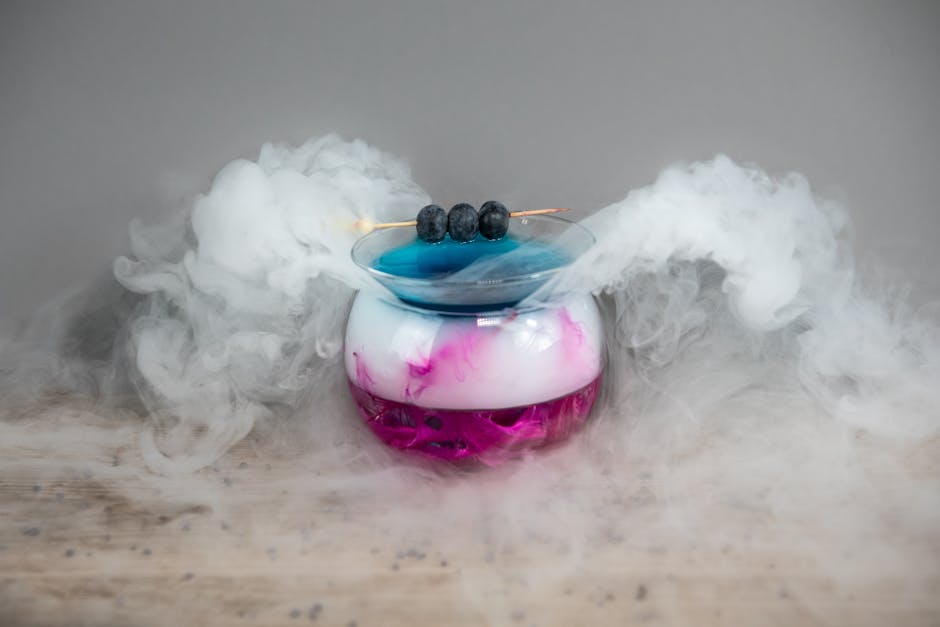
Molecular Gastronomy Basics: Foams, Spheres, and Edible Innovation
Molecular gastronomy is a fascinating frontier in the culinary world, blending the art of cooking with scientific principles. It invites home cooks and professional chefs alike to venture beyond traditional methods and explore new textures, flavors, and presentations. While some might view it as an elaborate trend reserved for high-end restaurants, the truth is that molecular gastronomy can be approached at any level, even within the comfort of your own kitchen. By mastering simple techniques, anyone can create visually stunning and delicious dishes that are sure to impress.
One of the primary appeals of molecular gastronomy lies in its transformative power. Ingredients, when treated with innovative techniques, can take on entirely new forms and textures, leading to unforgettable dining experiences. For example, foams, spheres, and gels can elevate ordinary flavors to extraordinary levels. Imagine serving a light, airy foam of basil atop a savory soup, or a delicate sphere of fruit juice that bursts with flavor when bitten. This approach not only surprises the palate but also stimulates the senses, turning a meal into an event.
However, before diving into this exciting world, it’s essential to understand the fundamental principles that underlie these techniques. The science of molecular gastronomy draws from chemistry, physics, and even engineering, offering a deeper understanding of how ingredients interact. With the right tools and techniques, you can create impressive dishes that showcase your culinary skills and creativity. This blog post will introduce you to the basics of molecular gastronomy, focusing on its key techniques—foaming, spherification, and the creation of innovative edible forms.
Understanding Molecular Gastronomy
At its core, molecular gastronomy is a unique approach to cooking that focuses on the physical and chemical transformations of ingredients during the cooking process. It’s not just about combining ingredients but rather understanding how they interact at a molecular level, allowing chefs to manipulate textures, flavors, and presentations in groundbreaking ways. By exploring these transformations, cooks can create dishes that surprise and delight.
What Makes It Unique?
The beauty of molecular gastronomy lies in its methodology and experimentation. Unlike traditional cooking, which relies on established recipes and techniques, molecular gastronomy encourages chefs to be pioneers in the kitchen. This isn’t merely a culinary fad; it’s an invitation to explore the imaginative possibilities that food can offer. Here are several key elements that make molecular gastronomy distinct:
The Equipment You Need
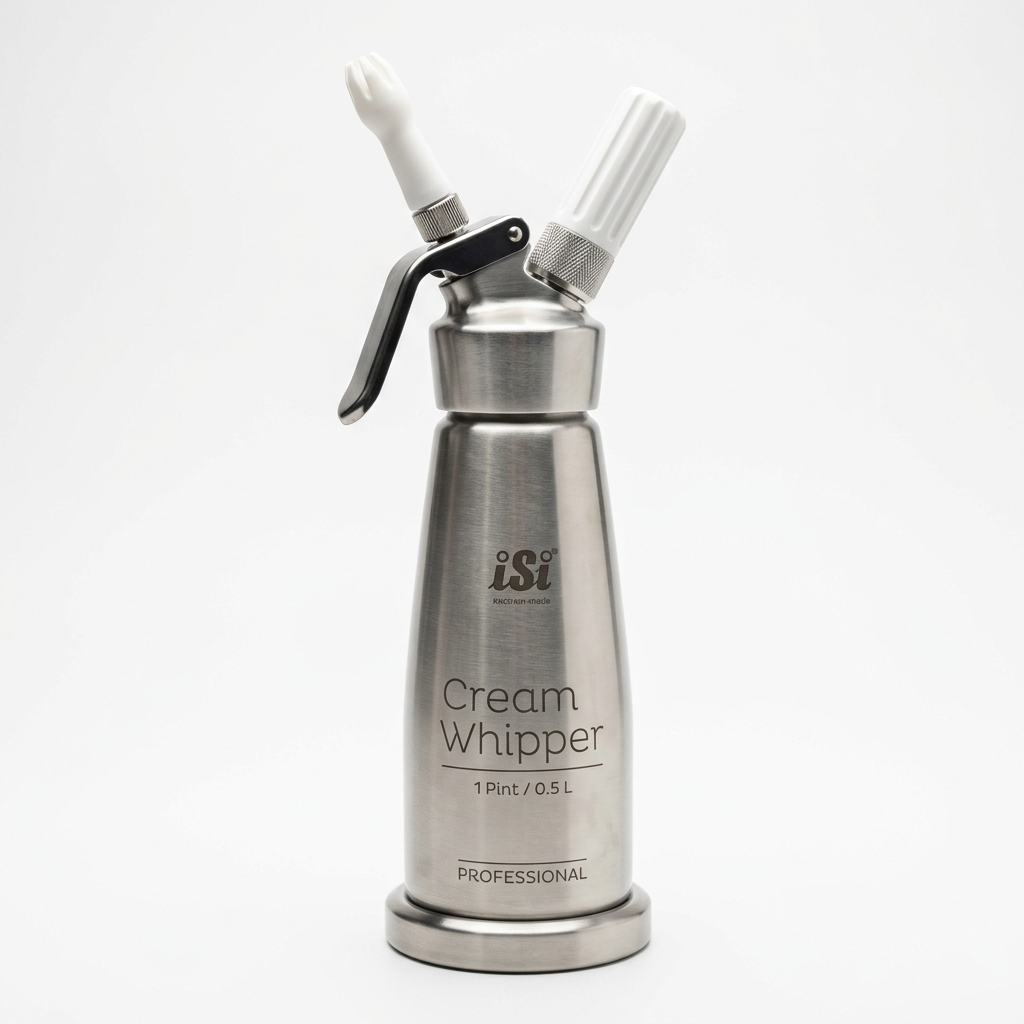
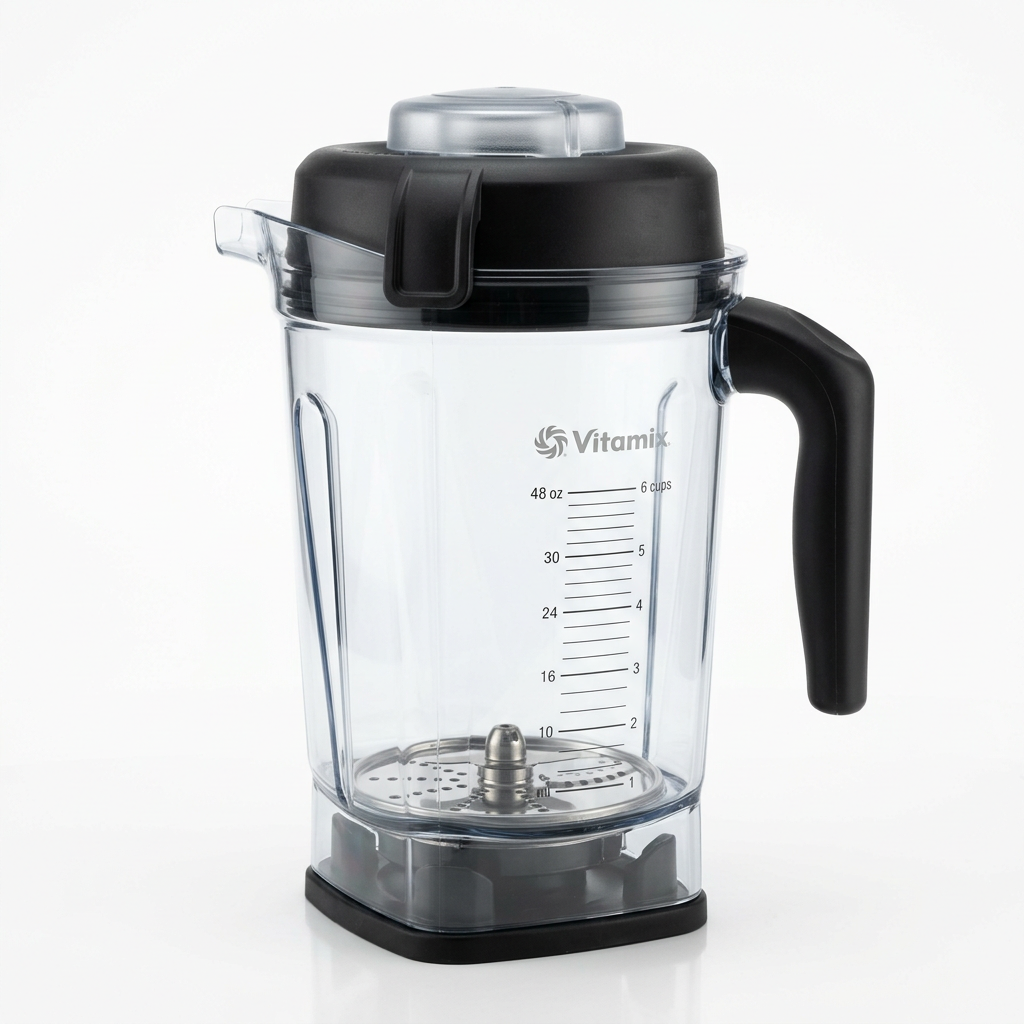
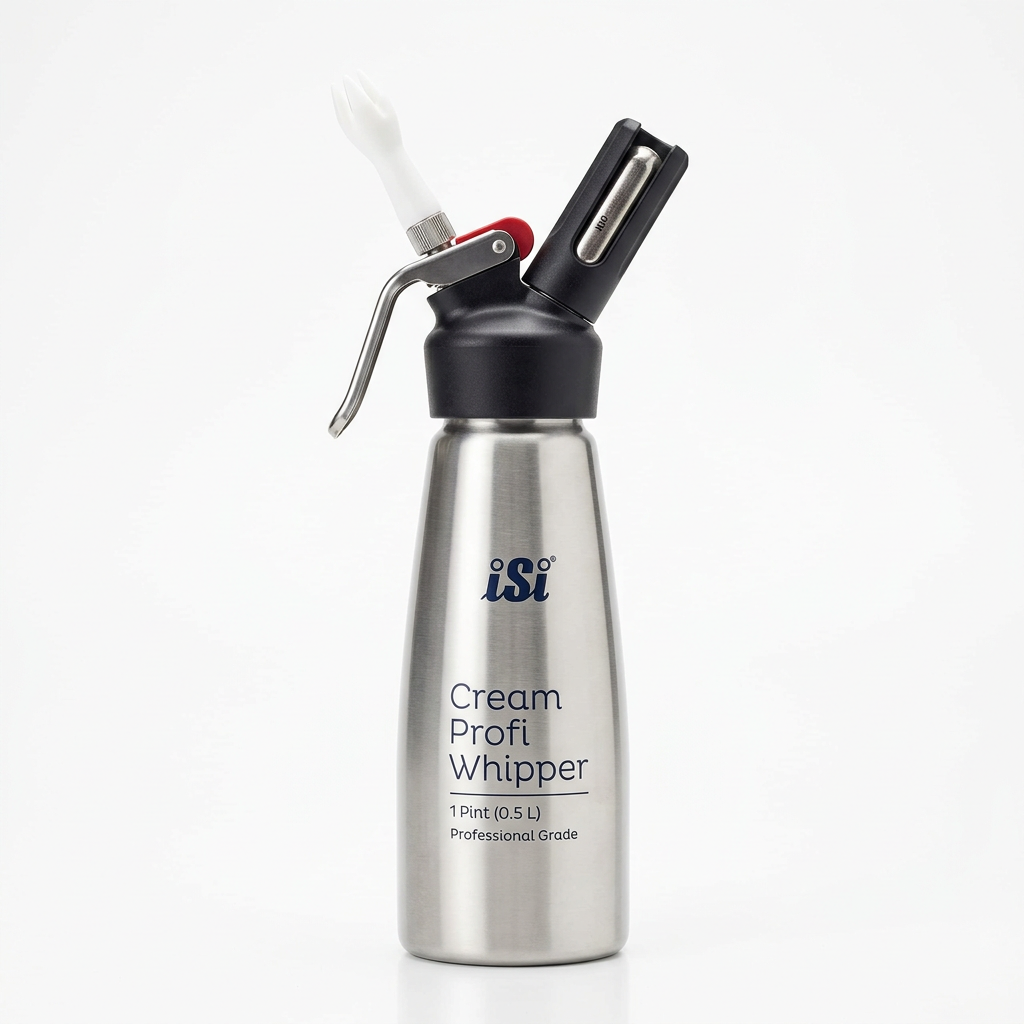
Entering the realm of molecular gastronomy doesn't require a laboratory full of high-tech equipment, but a few essential tools can greatly aid in your culinary journey. The following list outlines some basic tools every aspiring molecular cook should consider:
These tools will not only expand your capabilities but also inspire you to experiment with ingredients in new and exciting ways.
Foams: Light and Airy Creations
One of the most iconic techniques used in molecular gastronomy is foaming. Foams add a light, airy texture to dishes and can encapsulate bold flavors, providing a creative twist to classic recipes. The beauty of foams lies in their ability to transform liquids—such as juices, broths, and sauces—into a fluffy, flavorful cloud that enhances the dining experience.
How to Create a Basic Foam
Creating foams can range from very simple processes to quite complex ones, depending on the flavor you wish to achieve. Here’s a basic method for making a foam using an immersion blender:
- Start with about 1 cup of liquid and add 0.5–1 tablespoon of your chosen emulsifier.
- Use the immersion blender at an angle to introduce air into the mixture.
- Blend until the mixture is light and airy.
“Foams are not just about air; they’re a new way to experience flavor.”
Advanced Foam Techniques
For those looking to push their boundaries, consider these advanced foam techniques:
- Pour your flavored liquid and emulsifier into a siphon bottle, charge it with N2O (nitrous oxide), and shake well.
- Dispense the foam directly onto your dishes for an impressive presentation.
- Maintain the temperature of your base liquid around 70°F (21°C) to ensure the foam can hold its structure longer.
- Hot foams can lend a different experience than cold, offering a contrast of temperatures.
Spherification: Creating Edible Pearls
Another hallmark of molecular gastronomy is spherification, a technique that involves transforming liquids into gel-like spheres. When crafted correctly, spherification creates an exciting effect as the spheres burst upon contact with the tongue, releasing their contents. This technique is particularly popular for creating fruit caviar or savory spheres that can be incorporated into various dishes.
Basics of Spherification
Spherification can be divided into two main techniques: simple spherification and reverse spherification. The first involves dropping a flavored liquid into a calcium bath, creating a delicate gel-like skin around the liquid. The second technique has the calcium within the liquid and drops it into a sodium alginate bath, resulting in a more stable sphere.
#### Simple Spherification Steps
- 100 ml of flavored liquid (fruit juice, broth, etc.).
- 1 g of sodium alginate.
- 500 ml water with calcium chloride (1-2% concentration).
- Blend the flavored liquid with sodium alginate using a blender until fully dissolved.
- Let it rest for 30 minutes to remove air bubbles.
- Using a syringe or spoon, drop small amounts of the alginate mixture into the calcium chloride bath.
- Allow the spheres to sit for 1-2 minutes, then remove and rinse them in plain water.
Reverse Spherification Steps
Reverse spherification lasts longer and is typically used for liquids with high acidity.
- 100 ml of flavored liquid.
- 1 g of calcium lactate.
- 500 ml sodium alginate bath (0.5-1%).
- Dissolve calcium lactate in the flavored liquid and let it rest.
- Pour the mixture using a syringe into the sodium alginate bath.
- Wait for 1-3 minutes to form spheres.
Flavor Combinations
Experimenting with different flavors can yield an array of delightful results. Here are some popular pairings to inspire your creativity:
“Each sphere holds a surprise; the first burst hints at the countless possibilities within molecular gastronomy.”
Gelification: Transforming Liquids into Jellies
The art of gelification employs a range of gelling agents to convert liquids into solid forms. This technique allows for unique textures and presentations, making it a staple in molecular gastronomy. By manipulating viscosity, you can create stunning presentations of flavors that engage the diner in a whole new way.
Common Gelling Agents
Several gelling agents exist, each providing different textures and stability. Here are a few commonly used:
Basic Gelification Steps
- 500 ml of your chosen liquid (juice, broth, etc.).
- 5-10 g of your selected gelling agent (depending on the desired firmness).
- Heat the liquid to about 80°C (176°F) if using gelatin (do not boil).
- Gradually whisk in the gelling agent until fully dissolved.
- Pour the mixture into a mold or container and refrigerate until set.
- Cut the set gel into cubes or shapes to garnish plates beautifully.
- Layer different flavored gels for an eye-catching effect.
Creative Uses for Gels
Gels can complement a myriad of dishes, enhancing textures and introducing new flavor experiences. Consider these options for gel inclusion:
Emulsions: Blending Flavors and Textures
An emulsion is a mixture of two liquids that typically do not blend well, such as oil and water. In molecular gastronomy, you’ll often see emulsions used to create sauces, dressings, and foams. The beauty of emulsions lies in their ability to infuse rich flavors into dishes through texture and aroma.
The Science of Emulsification
To create a successful emulsion involves a lot of mechanical action that breaks the liquid down into tiny droplets, allowing them to disperse evenly. An emulsifier is typically necessary to stabilize this mixture. Some common emulsifiers include:
Basic Emulsion Steps
- Typically, 1 part of vinegar or lemon juice (acid) to 3 parts of oil.
- Add an emulsifier (1 egg yolk or teaspoon of mustard) for stability.
- In a bowl, whisk together the emulsifier and acid until combined.
- Slowly drizzle in the oil while whisking continuously to incorporate air and create a thickened mixture.
- Season with salt and pepper to taste.
- For added flavor, consider adding herbs or spices.
Keeping Emulsions Stable
Stable emulsions can be tricky. Here are some tips to ensure success:
Serving and Presentation
The final challenge in molecular gastronomy is not merely in creating these stunning textures but also in presenting them beautifully on the plate. The way you serve your dishes can heighten the dining experience and reflect your creativity.
Creating Unique Plating Designs
Plating plays a significant role in molecular cuisine, as it allows chefs to showcase their creation artistically. Here are some concepts to inspire your plating design:
Edible Elements
Adding edible elements can elevate your plates further. Here are some ideas to consider:
Final Touches
The very last element of plating is garnishing—don’t overlook this vital step. Consider:
“In molecular gastronomy, every element on the plate is a part of the story—let it speak volumes.”
Conclusion
Molecular gastronomy is more than just a series of innovative techniques—it’s a profound exploration of food's potential. By mastering the basics of foams, spherification, gelification, and emulsions, you can take your culinary skills to new heights and create memorable dining experiences. Armed with a deeper understanding of these methods and the right tools, you’re ready to embark on your journey of edible innovation.
As you experiment with these techniques, remember that the kitchen is not just a place for cooking; it's a canvas for creativity. So, whether you're whipping up a basil foam to accompany your next dish or crafting delightful fruit spheres, allow your imagination to soar. Embrace the playful, artistic side of cooking while also celebrating the scientific principles that inform these methods. Molecular gastronomy isn't just for fine dining; it's an invitation to everyone to eat with passion and creativity. Enjoy the process, share your culinary adventures, and most importantly, let your love for food shine through every dish you create.
With practice, patience, and an adventurous spirit, the world of molecular gastronomy will become a thrilling playground for your culinary endeavors. So why not blame the chef—yourself—when you create spectacular plates that leave everyone talking long after the meal is over?
Get the Next Recipe
Weekly recipes, techniques, and gear picks — straight to your inbox.
