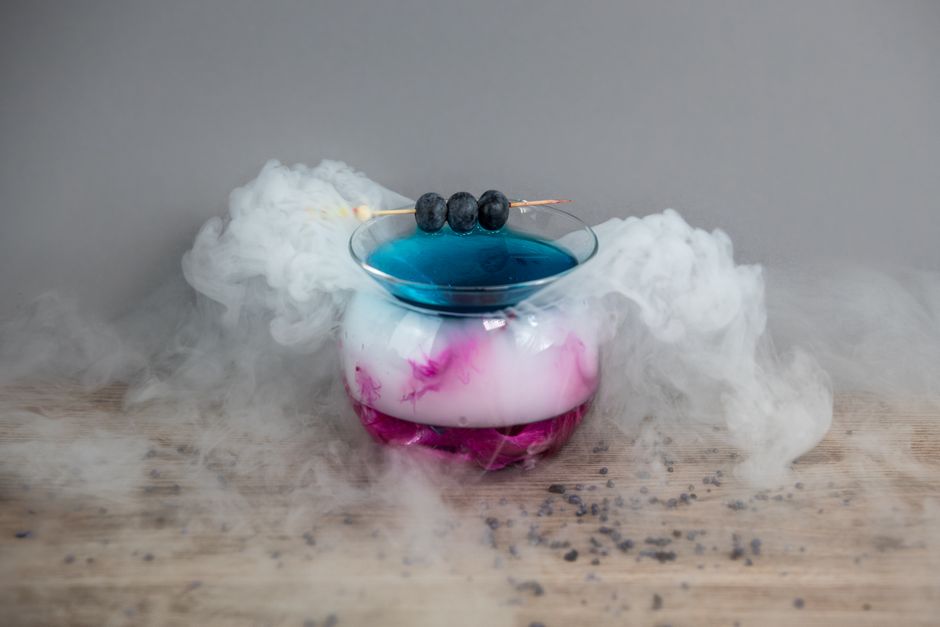
Molecular Gastronomy: Spherification and Beyond
Molecular gastronomy has transformed the culinary landscape, introducing innovative techniques that push the boundaries of flavor and presentation. This fascinating branch of cooking melds science with artistry, allowing chefs to manipulate textures, flavors, and aromas in ways that were once unimaginable. At the heart of this culinary revolution lie spherification and other avant-garde techniques that not only enhance the dining experience but also challenge our perceptions of food.
As chefs and home cooks alike explore this brave new world, understanding the underlying principles and methods becomes essential. Spherification—the process of encapsulating liquids within delicate gelatinous spheres—is often the most recognized molecular gastronomy technique. Yet, this is merely the tip of the iceberg. With the right tools and ingredients, anyone can experiment with these techniques, transforming simple dishes into brilliant culinary creations that dazzle the senses.
In this blog post, we will delve into the intricacies of molecular gastronomy, starting with the fundamental technique of spherification and exploring additional methods that enhance the culinary experience. From creating playful bursts of flavor to crafting textures that engage the palate in unique ways, this guide aims to equip home cooks with the knowledge and confidence to embrace molecular gastronomy. Get ready to elevate your cooking skills and impress friends and family with your innovative approach to food.
Understanding Molecular Gastronomy
Molecular gastronomy, as a concept, combines the principles of physical science and gastronomy. It refers not only to the transformation of ingredients but also to the scientific study of the effects of culinary preparation on ingredients. This method emphasizes the reactions and interactions of ingredients at a molecular level. By understanding these processes, chefs can craft dishes that do more than satisfy hunger; they provoke thought, surprise, and conviviality at the dining table.
The technique of molecular gastronomy is often associated with renowned chefs like Ferran Adrià, Heston Blumenthal, and Grant Achatz, who have become pioneers in using scientific principles to inspire their cooking. These chefs have shown that cooking is not just an art but also a science that warrants exploration and experimentation. The allure of molecular gastronomy lies in its ability to push traditional culinary boundaries and open new pathways for flavor and texture exploration.
As with all forms of cooking, the most successful molecular gastronomy relies on the right equipment and ingredients. Essential tools include syringes, siphons, thermometers, and sometimes even vacuum sealers. These items assist chefs in perfecting their craft, ensuring precision and consistency at every stage of the cooking process. Furthermore, understanding ingredient characteristics, such as the behavior of sodium alginate, calcium chloride, and gellan gum, is vital to mastering these techniques.
The Basics of Spherification
What is Spherification?
Spherification is a technique that uses chemical reactions to create small spheres filled with flavored liquids, resembling caviar or beads. This technique can create bursts of flavor that explode in the mouth, providing a delightful surprise in each bite. Spherification can be divided into two main techniques: basic spherification and reverse spherification.
To successfully execute a spherification, precision is paramount. Accurate measurements, temperature control, and timing are essential to avoid undesirable textures or failures.
Ingredients and Tools for Spherification
The primary ingredients involved in spherification include:
Essential tools for the process:
Step-by-Step Guide to Basic Spherification
To give you a clear path toward making your first caviar-like spheres, follow these steps:
Tips for Successful Spherification
“Spherification turns traditional cuisine into modern art, blowing our minds with playful bursts of flavors.”
Beyond Spherification: Other Molecular Techniques
Foam and Air Techniques
Building on the principles of molecular gastronomy, the creation of foams and airs is an exciting way to incorporate textures and flavors into your dishes without adding weight or bulk. Foams can be created using a Whipping Siphon, which infuses air into a flavored liquid to create a light, airy, and frothy topping.
- Fruit Juices: Citrus foams add brightness to sweets and savories alike.
- Herb-Infused Oils: Complement richer dishes with refreshing herbal foams.
- Savory Broths: Use stock and seasonings to create a mouth-watering topping for proteins.
A Guide to Creating Foams
Creating foams is quite straightforward:
Tips for Perfect Foams
“Foams elevate dishes beyond mere sustenance; they define modern cuisine with elegance and creativity.”
Gelification and Dehydration
Beyond spherification and foams lies the art of gelification. This refers to shaping liquids into gels using gelling agents such as agar-agar, pectin, or gelatin. Gelification can create visually stunning presentation results and unexpected textures.
A notable technique within gelification is creating fruit or vegetable gels, which can be cut, sliced, or molded into various shapes. When combined with sauces or purees, these gels can add a burst of flavor or textural contrast to a dish.
Dehydration is another molecular technique that enhances flavor concentration. By removing moisture from foods, you enhance their flavors and create unique textures. Powdered versions of fruits, vegetables, or even oils can add an aromatic presence to a dish.
Steps for Gelification
Tips for Gelification Success
Flavor Pairing: The Science of Taste
Understanding Flavor Profiles
When exploring molecular gastronomy, one crucial aspect to consider is the pairing of flavors. Chefs have long understood the notion that certain ingredients naturally complement each other, but molecular gastronomy digs deeper into the psychological and chemical interactions of these flavors.
By tapping into Umami, the fifth taste, along with sweet, sour, bitter, and salty, cooks can create dynamic dishes. The science explains that flavor compounds can elevate dishes by enhancing their complexity and depth.
Essential Flavor Pairings
Here are some classic and innovative flavor pairings that can transform a mundane dish into a gastronomic delight:
Techniques for Pairing Flavors
“Understanding the science of taste unlocks a world of culinary possibilities, blending familiar with the extraordinary.”
Practical Tips for Home Cooks
Tools and Equipment
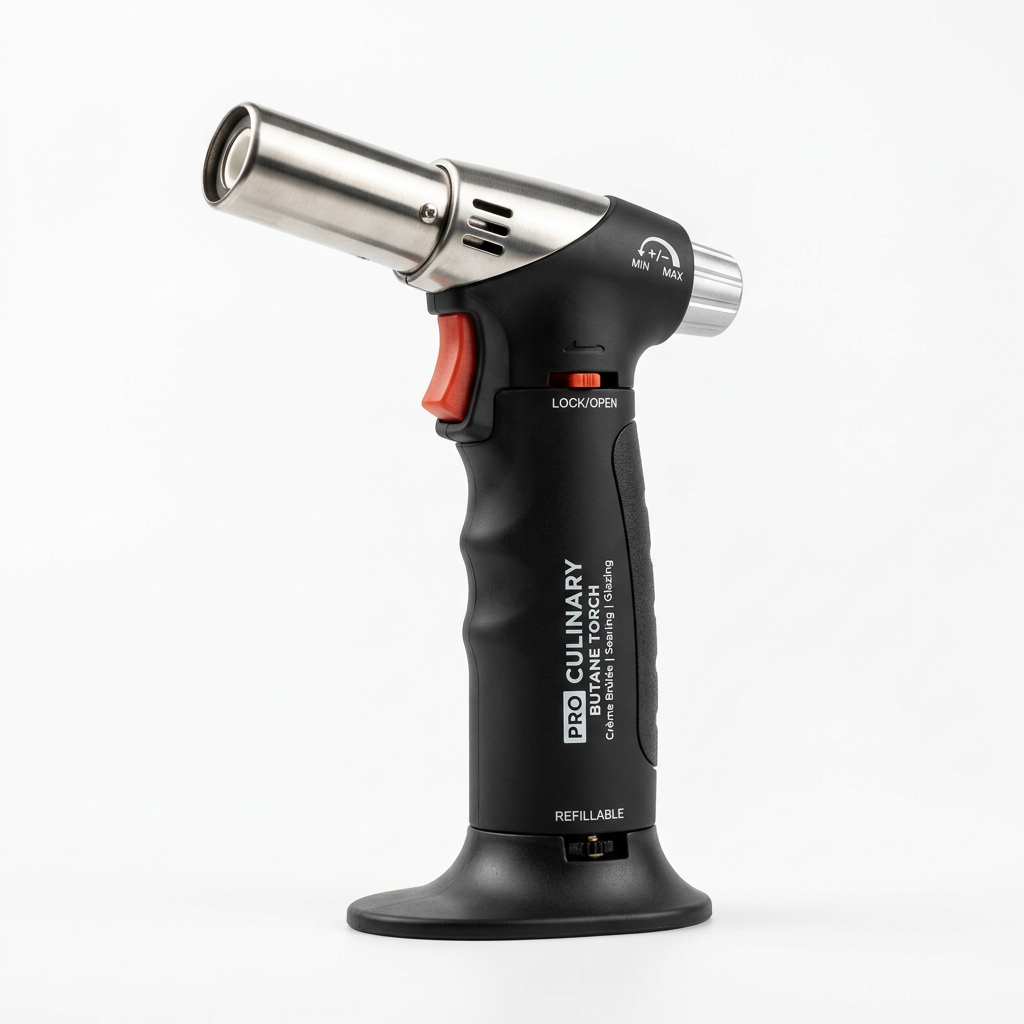
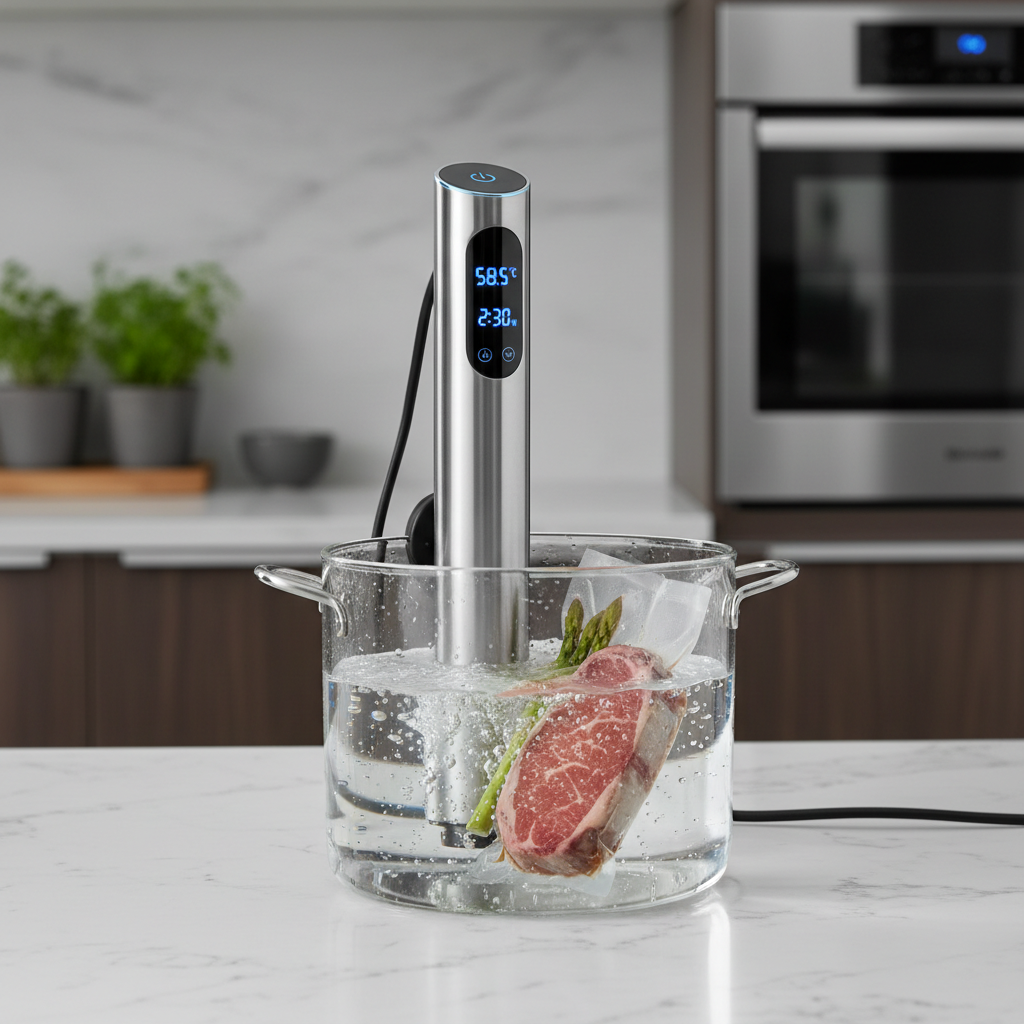
To broaden your reach in molecular gastronomy, invest in a few essential tools:
Ingredient Sourcing
Purchasing specialty ingredients is crucial. Websites and local suppliers often stock essential bases and chemicals for molecular gastronomy:
Experimentation is Key
Conclusion
Molecular gastronomy represents the remarkable intersection of science and art in the culinary world. Techniques like spherification, foaming, and gelification not only expand our understanding of cooking but also push the boundaries of flavor and texture. Engaging with this transformative culinary approach allows home cooks to explore new taste dimensions and turn dishes into extraordinary experiences.
Incorporating these methods into your repertoire doesn’t have to be intimidating. By starting with simple techniques such as spherification, gradually moving on to foams and gels, and understanding the fundamental principles of flavor pairing, you can confidently bring molecular gastronomy into your kitchen. Your culinary journey will be marked by creativity, innovation, and the joy of exploration.
Remember, the beauty of cooking lies in discovery. Embrace the scientific process, and don’t shy away from mistakes; each failure will teach you more than success ever could. So gather your ingredients, invite your friends, and embark on this delicious adventure into the world of molecular gastronomy. The possibilities are endless, and the rewards, delightful.
Get the Next Recipe
Weekly recipes, techniques, and gear picks — straight to your inbox.
