
Moroccan Tagine Cooking: Mastering Slow-Braised Stews in Cone-Shaped Clay
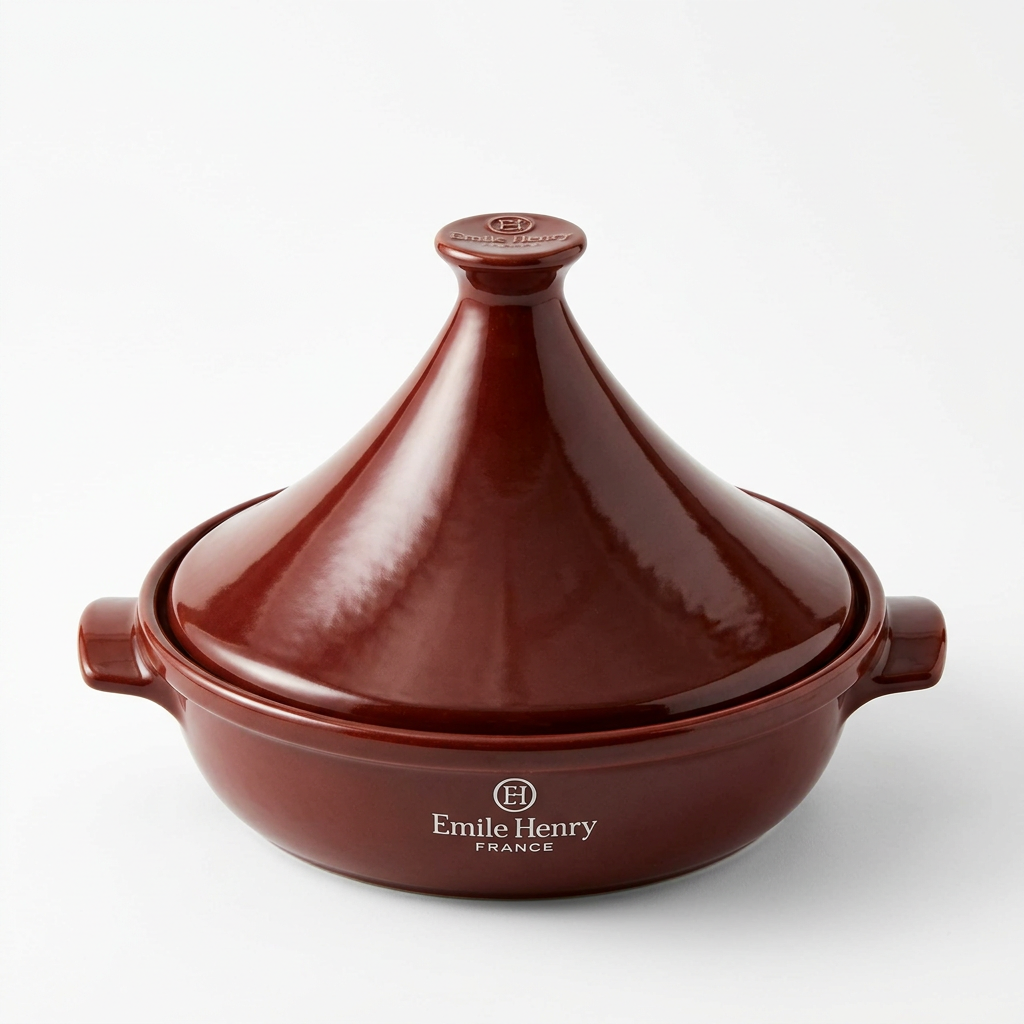
The ritual of preparing a traditional Moroccan tagine is not merely an exercise in cooking; it is an intimate communion with the history of North Africa, a region where spice, patience, and architecture converge. When you first encounter a genuine clay tagine vessel, you are not just looking at a pot, but at an ingenious piece of thermodynamic engineering designed to thrive in arid climates. The cone-shaped lid serves a singular, brilliant purpose: it traps rising steam, condenses it against the sloping walls, and continuously rains the flavorful moisture back onto the ingredients below. This self-basting cycle is the secret behind the legendary tenderness of meats that have been slow-braised for hours. For the home cook looking to expand their repertoire, mastering this vessel offers a portal into a world of complex aromatics and textures that defy the limitations of modern metallic cookware.
Beyond the hardware, the philosophy of the tagine is rooted in the concept of slow-cooking, which acts as a culinary equalizer for tougher cuts of meat and hearty seasonal vegetables. In a world defined by the frantic pace of the "thirty-minute meal," the tagine demands that we decelerate, allowing the marriage of Moroccan spices—cinnamon, ginger, turmeric, and cumin—to seep deep into the fibers of the protein. The gentle, even heat distribution of clay ensures that the bottom layers caramelize into a rich, syrupy reduction known as the daghmira or the base sauce, while the top remains succulent and infused with herbal aromatics. It is a forgiving medium for the novice and a canvas for the seasoned chef, provided one learns to respect the limitations and the specific needs of unglazed versus glazed earthen pots. When you invite the aroma of a simmering tagine into your home, you are doing more than preparing dinner; you are curating an atmosphere of warmth and hospitality that defines the Maghreb lifestyle.
As we embark on this comprehensive guide to Moroccan tagine cooking, it is essential to prepare your mindset for the process ahead. This is not a high-heat, sear-and-sizzle affair, but rather a gentle symphony of heat, humidity, and time. We will explore the nuances of seasoning your clay pot, the delicate balance of spices that form the backbone of the Moroccan pantry, and the technical precision required to achieve that signature melt-in-your-mouth consistency. Whether you are working with a classic lamb and prune combination or a lighter, summer-inspired vegetable stew, the principles remain steadfast and rhythmic. By the end of this exploration, you will understand why the tagine remains the heart of the Moroccan kitchen, standing the test of time despite the advent of the pressure cooker and the slow cooker. Prepare your workspace, sharpen your knives, and ready your senses; we are about to unlock the secrets of one of the world's most enduring culinary traditions.
Understanding the Vessel: Clay, Heat, and Moisture
The tagine, both the dish and the pot, relies on a unique synergy between shape and material. Unlike a standard Dutch oven, which is designed to circulate heat through dense, heavy-gauge cast iron, the clay tagine is porous and thermally conductive in a way that respects the ingredients. To use a tagine effectively, you must understand how to manage your heat source; direct flames can crack a cold clay vessel, so a heat diffuser is often non-negotiable for those cooking on modern gas or electric ranges. The goal is a steady, low-level heat that mimics the glowing embers of the charcoal majmar used in traditional Moroccan households.
When purchasing your first tagine, you will face a choice between unglazed earthenware and glazed ceramic. Unglazed pots offer a distinct, earthy flavor profile that develops over years of use, reminiscent of a well-seasoned cast iron skillet. However, they require a significantly more rigorous seasoning process, often involving oiling and soaking to ensure the clay is hydrated and ready to resist thermal shock. Glazed tagines, by contrast, are easier to clean and aesthetically stunning, but they offer less in terms of the "earthy" infusion that purists prize.
The Art of Seasoning
Before you ever drop a piece of protein into your new tagine, you must treat it with the respect it deserves. If you have chosen an unglazed pot, soak it in cool water for at least two to four hours. After drying the exterior, coat the entire interior generously with olive oil and place it in a cold oven. Slowly bring the temperature up to 300 degrees Fahrenheit over the course of an hour, then let it cool completely inside the oven. This process seals the pores of the clay and creates a natural non-stick surface, protecting your future meals from tasting like raw ceramic.
"The magic of the tagine does not come from the ingredients alone, but from the slow, rhythmic dialogue between the clay and the fire. It is a patient dance that cannot be rushed, a lesson in humility for the modern chef who wants everything done in an instant."
The Moroccan Flavor Palette: Spices and Aromatics
The foundation of any exceptional tagine is a balanced spice blend, often referred to as a dry marinade. While individual families have their secret ratios, the backbone of Moroccan seasoning is the Ras el Hanout. This "head of the shop" blend can contain upwards of thirty individual spices, but for the home cook, a core set of pantry staples will suffice to create authentic, robust flavors. Turmeric for color, ginger for a sharp, clean heat, saffron for floral depth, and cinnamon for a subtle, warming sweetness form the primary quartet.
When preparing your spice rub, do not be afraid of quantity. Because tagines are often cooked with a significant amount of liquid—be it broth, water, or the natural juices of the vegetables—the spices must be present in a concentration that can stand up to the reduction process. A common mistake is undersalting or under-spicing, which results in a dull, muted dish. Remember that the long cooking time will mellow the sharp edges of these spices, turning them into a cohesive, velvety sauce that coats every ingredient.
The Role of Aromatics
Beyond the dry spices, fresh aromatics provide the essential top notes of the dish. Fresh cilantro and flat-leaf parsley are almost always added in generous bundles, tied together so they can be removed before serving if desired, or finely chopped to melt into the sauce. Garlic should be crushed rather than minced, allowing it to release its essential oils slowly without burning or turning bitter during the long braise. When combining these aromatics with your meat, ensure that every piece of protein is massaged with the spice paste; this ensures that even the deepest layers of the meat are seasoned, not just the surface.
Technique: The Layered Assembly
The structure of a tagine is an architectural marvel. Unlike a soup where ingredients are tossed in together, a tagine requires deliberate placement to ensure even cooking. You begin with the aromatics—onions and garlic—which serve as the protective base, preventing the meat from sticking directly to the base of the clay. This bed of onions creates a natural rack, allowing the juices to collect underneath while the meat steams gently in the center.
Building the Layers
"A tagine is a stew with a conscience; it knows exactly how much moisture it needs to stay tender, and the lid holds that knowledge captive until you are ready to eat."
Managing the Heat: A Lesson in Patience
Controlling the temperature of a tagine is the most critical technical skill you will develop. Whether cooking on a stovetop or in the oven, consistency is the key to success. For stovetop cooking, you must use a heat diffuser, which is a metal disc that sits between the burner and the tagine. This device prevents hot spots that can cause the clay to crack and ensures that the heat is dispersed evenly across the base of the pot.
Aim for a gentle, consistent simmer. You should hear a soft, rhythmic bubbling—not a vigorous boil. If the liquid is bubbling violently, you are cooking at too high a temperature and risking the integrity of your meat and the vessel. The cooking time for a lamb tagine is typically between 90 minutes to two hours, while chicken may be ready in 60 to 75 minutes. Trust the process and keep the lid closed; every time you lift the lid to check, you release the precious steam that defines the dish.
The Oven Advantage
For those nervous about stovetop temperature control, the oven is an excellent alternative. Preheat your oven to a low 300 to 325 degrees Fahrenheit. Once the tagine has reached a gentle simmer on the stove, transfer it to the oven and let the ambient heat do the work. This creates a 360-degree heat environment that is far more forgiving than a direct flame, yielding incredibly tender results with minimal risk of burning the bottom.
Balancing Flavors: Sweet, Savory, and Acidic
Moroccan cuisine is famous for its mastery of the sweet and savory dichotomy. The inclusion of dried fruits like prunes, apricots, and raisins in meat-based tagines provides a beautiful counterpoint to the salt-forward spices. The natural sugars in these fruits melt into the sauce, creating a complex, dark, and glossy glaze that is truly addictive. When using dried fruits, it is best to rehydrate them slightly before adding them, or to incorporate them toward the final half-hour of cooking.
Acid is the secret weapon of the tagine. A squeeze of fresh lemon juice or the addition of preserved lemons is essential to cut through the richness of the meat and the sweetness of the fruit. Preserved lemons, which are fermented in a brine of salt and their own juices, provide a floral, salty intensity that cannot be replicated by fresh lemon juice alone. They are a staple of the Moroccan pantry and should be chopped finely or used in thin strips to garnish the finished dish.
The Final Touch
Always finish your tagine with a flourish. Fresh herbs like cilantro or parsley add a necessary pop of brightness. Toasted slivered almonds or roasted sesame seeds provide a textural contrast that elevates the dish from a simple stew to a composed, restaurant-quality meal. These garnishes are not merely decorative; they serve to highlight the complexity of the slow-cooked flavors underneath.
Troubleshooting Common Issues
Even the most experienced chefs encounter challenges with tagines. One common issue is a "watery sauce." This usually happens when the heat is too low to facilitate proper reduction or when too much liquid was added at the beginning. If you find your sauce is thin, remove the lid for the final 15 minutes of cooking and increase the heat slightly, allowing the excess moisture to evaporate until the sauce reaches a syrupy consistency.
Conversely, if you fear your dish is drying out, simply add a tablespoon of warm water or broth around the edges of the pot. Do not dump liquid directly onto the meat, as this can wash away the spice rub you worked so hard to apply. If you notice the bottom is scorching, check your heat diffuser; it may be improperly placed or the heat may simply be too high. Remember, the tagine is a slow-burn technique; there is rarely a situation that requires high, aggressive heat.
Longevity and Maintenance
After your meal is finished, wash your tagine gently with warm water. Avoid strong soaps if possible, as they can leach into the porous clay, especially with unglazed vessels. A simple paste of baking soda and water is sufficient for stubborn spots. Always allow the tagine to air dry completely before storing it, and if possible, store it without the lid or with a paper towel between the pot and the lid to encourage air circulation and prevent mold or stale odors.
"To master the tagine is to accept that the best meals are those that refuse to be hurried. It is a commitment to the process, a love letter to the ingredients, and an invitation to slow down and savor the results of your labor."
Selecting the Right Ingredients
The quality of your protein and produce will dictate the final success of your tagine. Because this is a long-braising technique, you should opt for cuts of meat with connective tissue, such as lamb shoulder, beef chuck, or bone-in chicken thighs. These cuts release gelatin as they cook, which thickens the sauce and provides a mouthfeel that is far superior to lean cuts like breast or loin.
Vegetables should be seasonal and hearty. Root vegetables like carrots, parsnips, and potatoes are classic choices because they hold their shape during the long cooking time. If you want to use more delicate vegetables like bell peppers or tomatoes, layer them on the very top of the stack so they steam in the ambient heat rather than stewing in the base. The contrast of textures—from the fall-apart meat to the tender-crisp vegetables—is what makes every bite interesting.
The Role of Olive Oil
In Morocco, the olive oil used is often robust, peppery, and flavorful. Do not reach for a neutral oil like canola or vegetable oil; the flavor of the olive oil is a foundational component of the dish. If you have access to Moroccan olive oil, use it. If not, select a high-quality extra-virgin olive oil that has enough character to stand up to the spices. You will be using a decent amount of it to build the sauce, so choose one that you enjoy tasting on its own.
Elevating Your Skills: Beyond the Basic Recipe
Once you have mastered the foundational lamb and prune or chicken and olive tagine, it is time to experiment with more adventurous profiles. Consider the "Vegetarian Tagine," which relies on a variety of pulses like chickpeas, lentils, or even white beans to add body and substance. These recipes require a slightly different approach, as pulses do not release the same type of fat and gelatin as meat, meaning you should be more generous with your use of olive oil and perhaps incorporate a bit of vegetable stock for added richness.
Another avenue for exploration is the "Sweet and Spicy" tagine, which utilizes honey or brown sugar in combination with harissa. This creates a complex, heat-driven dish that plays with the palate in unexpected ways. You can also experiment with different spice blends, incorporating smoked paprika for a Spanish-Moroccan fusion or using saffron threads steeped in warm water to impart a vibrant golden hue and an unmistakable floral aroma.
Hosting with Tagine
The tagine is the ultimate centerpiece for a dinner party. It is designed to be brought directly from the stove to the table, and the ritual of removing the lid in front of your guests is a moment of theater that adds to the dining experience. Serve your tagine alongside a bowl of fluffy couscous or warm, crusty bread (like khobz) for mopping up the sauce. The communal nature of sharing a tagine is central to its cultural identity; it is food meant to be eaten together, with hands or bread, fostering conversation and connection.
Advanced Culinary Tips for the Serious Cook
For those truly dedicated to the craft, consider making your own preserved lemons and your own spice blends. The difference between store-bought and homemade is staggering. To make preserved lemons, simply pack quartered lemons with a generous amount of sea salt in a sterilized glass jar, pressing them down to release their juices. Leave them in a dark place for at least a month, shaking the jar occasionally. The result will be a transformative ingredient that elevates your tagines to a professional standard.
Furthermore, look into the technique of "blooming" your spices. Before layering your onions, add your spices to a small amount of warm oil in the bottom of the tagine. This quick heat treatment coaxes the volatile oils out of the spices, creating a much deeper, more complex base flavor. Be careful not to burn them—it should take no more than thirty seconds—but the impact on the final sauce will be immediately noticeable to any discerning palate.
Conclusion
Mastering the Moroccan tagine is a journey that rewards the patient and the curious. It requires you to step away from the convenience of modern gadgets and embrace the wisdom of the past, focusing on quality ingredients, deliberate techniques, and the steady, quiet power of the clay vessel. As you continue to experiment with different spice combinations and ingredient pairings, you will find that the tagine is not just a cooking vessel, but a vessel for creativity and hospitality.
The goal is not perfection, but the development of your own intuition—learning to recognize the sound of the simmer, the color of a perfect reduction, and the aroma of spices as they marry with the juices of the meat. As you incorporate this traditional cooking method into your routine, you will find that it offers a rare kind of culinary satisfaction, one that honors the slow, thoughtful preparation of food. Remember to always use a heat diffuser, respect the layering process, and never rush the braise. Whether you are cooking for a crowd or a quiet dinner for two, the tagine provides an unmatched experience of flavor and comfort.
As you move forward, continue to refine your pantry. Source the best cinnamon sticks, the most fragrant cumin, and the finest olive oil you can find. These elements are the building blocks of your culinary success. Keep your tagine clean and well-cared for, and it will serve you faithfully for years, becoming more seasoned and more effective with every use. You have now learned the fundamentals of this ancient craft; the rest is up to your imagination and your willingness to let the tagine do its work. May your kitchen be filled with the intoxicating scents of the Maghreb, and may your table always be a place of warmth, connection, and exceptionally delicious food. Happy cooking, and remember—if anything goes wrong, you can always blame the chef, but with these techniques, success is well within your reach.
Get the Next Recipe
Weekly recipes, techniques, and gear picks — straight to your inbox.
