
Moroccan Tagine: Slow-Cooked Perfection
There is something almost magical that happens when you combine earthy spices, slow heat, and patience in a single vessel. The Moroccan tagine is not merely a dish — it is a culinary philosophy, a way of transforming humble ingredients into something transcendent through time and technique. For centuries, the Berber people of North Africa have used this distinctive conical clay pot to coax tenderness from tough cuts of meat, to marry sweet and savory flavors, and to create meals that nourish both body and soul. When you understand the tagine, you understand that great cooking is rarely about complexity; it is about respect for ingredients and the willingness to let time do its quiet, transformative work.
For the home cook looking to elevate their repertoire, the tagine offers a gateway into a world of layered flavors that feel exotic yet are entirely approachable. The technique is forgiving, the ingredients are accessible, and the results are nothing short of spectacular. A properly executed tagine rewards you with meat that falls away from the bone, vegetables that have absorbed every nuance of the spice blend, and a sauce that is rich, complex, and deeply satisfying. Whether you are cooking for a weeknight family dinner or an impressive weekend gathering, the tagine delivers restaurant-quality results from your own stovetop or oven.
What follows is a comprehensive guide to mastering the Moroccan tagine in your own kitchen. We will explore the anatomy of the tagine pot itself, the essential spice blends that define Moroccan cuisine, the techniques for building flavor layer by layer, and several signature recipes that you can adapt to your own tastes and pantry. Along the way, you will learn the professional chef tips that separate a merely good tagine from an unforgettable one. By the end, you will have the confidence and knowledge to bring this ancient, beautiful tradition into your modern kitchen — and to blame the chef, in the best possible way, when your guests ask for seconds.
The Anatomy of a Tagine
The Vessel Itself
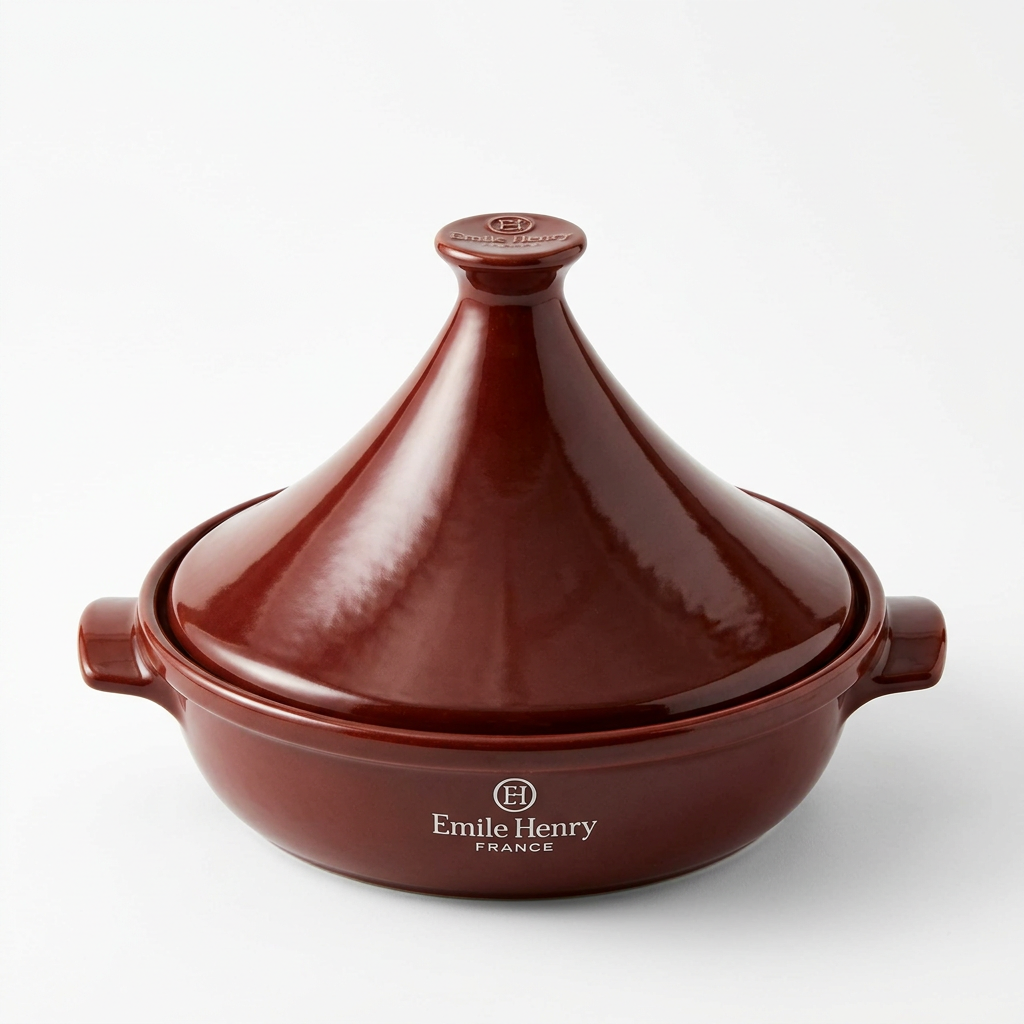
The word "tagine" refers to both the cooking vessel and the dish that emerges from it, which can be confusing for newcomers. The traditional tagine is made from earthenware clay, sometimes glazed and sometimes left unglazed, and consists of two distinct parts: a wide, shallow circular base and a tall, conical lid that sits atop it like a hat. This conical shape is not merely aesthetic — it is functional engineering born of necessity. The wide base maximizes the surface area for browning and braising, while the tall cone captures steam and returns it to the food as condensation, creating a self-basting system that requires very little added liquid.
In a land where water was often scarce, this design was nothing short of brilliant. The conical lid traps moisture released from the meat and vegetables, allowing it to drip back down the sloped sides and keep the contents moist throughout a long, slow cook. This means you can achieve extraordinarily tender results with minimal added stock or water, concentrating flavors rather than diluting them. Modern metal Dutch ovens can approximate this effect, but they cannot fully replicate the gentle, even heat that clay provides.
Choosing Your Tagine
If you are investing in a tagine for the first time, you have several options. Unglazed clay tagines are the most traditional and offer the most authentic flavor, but they require seasoning before first use and careful temperature management to prevent cracking. To season a new clay tagine, soak it in water for 24 hours, then rub the interior with olive oil and bake it in a 300°F (150°C) oven for two hours. This process strengthens the clay and creates a natural non-stick surface.
Glazed tagines are more forgiving and easier to maintain, making them ideal for beginners. The glaze prevents the clay from absorbing flavors and odors, and they can typically go directly from stovetop to oven. However, you should still use a diffuser — a metal plate placed between the heat source and the tagine — to distribute heat evenly and prevent thermal shock. For cooks who want convenience without sacrificing too much authenticity, a high-quality glazed tagine from Morocco is an excellent compromise.
The tagine is not just a pot — it is a lesson in patience. It teaches us that the best things in cooking, as in life, cannot be rushed.
The Essential Spice Palette
Ras el Hanout: The House Blend
No discussion of Moroccan cooking is complete without ras el hanout, which translates loosely to "head of the shop" — meaning the spice merchant's finest blend. This is the cornerstone of Moroccan flavor, and every spice merchant has their own proprietary recipe. A traditional ras el hanout may contain anywhere from a dozen to over thirty different spices, including sweet ones like cinnamon, nutmeg, and ginger, savory ones like cumin, coriander, and black pepper, and aromatic additions like cardamom, clove, and rose petals.
For the home cook, making your own ras el hanout is both achievable and deeply rewarding. A reliable basic blend includes: 2 tablespoons ground cumin, 2 tablespoons ground coriander, 1 tablespoon ground ginger, 1 tablespoon ground cinnamon, 2 teaspoons black pepper, 1 teaspoon ground cardamom, 1 teaspoon ground nutmeg, ½ teaspoon ground cloves, and ½ teaspoon ground allspice. Toast whole spices when possible, grind them fresh, and store the blend in an airtight jar away from light. It will retain its potency for about three months.
Preserved Lemons and Olives
Two ingredients define Moroccan tagine cooking more than almost any others: preserved lemons and briny green olives. Preserved lemons are lemons that have been packed in salt and their own juices for at least four weeks, during which time the rind softens and develops an intense, uniquely floral citrus flavor that cannot be replicated by fresh lemon. You use only the rind, diced finely, and a little goes a long way — typically one-quarter to one-half of a preserved lemon per tagine.
Making preserved lemons at home is simple and deeply satisfying. Scrub organic lemons clean, cut them nearly into quarters while keeping them attached at the base, pack each one generously with kosher salt, and press them tightly into a sterilized jar. Add fresh lemon juice to cover, seal, and store in a cool, dark place for at least four weeks, shaking occasionally. They will keep for up to a year. As for olives, seek out Picholine or Lucques varieties from Morocco or France — their herbaceous, slightly bitter character balances the richness of slow-cooked meat beautifully.
Building Flavor: The Layered Technique
The Base: Onions and Aromatics
Every great tagine begins with a flavor base built from onions, garlic, and sometimes fresh tomatoes. The technique here is patience: you want to sweat the onions slowly in a small amount of olive oil until they are deeply softened and just beginning to caramelize, which takes 12 to 15 minutes over medium-low heat. Rush this step and you will taste raw onion in the final dish; take your time and you will build a sweet, golden foundation upon which every other flavor can rest.
Add the garlic later in the process — it burns easily and becomes bitter — along with the spices. This is the critical moment: blooming the spices in hot oil for 30 to 60 seconds releases their essential oils and deepens their flavor dramatically. You will know this step is working when your kitchen fills with an intoxicating aroma. Stir constantly to prevent scorching, and add a splash of water if the mixture seems too dry.
The Protein and the Braise
Once your aromatic base is established, it is time to add the protein. Lamb shoulder is the classic choice, cut into 1½-inch pieces with some fat and bone left in for flavor. Bone-in chicken thighs and legs are another traditional option. Brown the meat lightly on all sides — you are not seeking a deep crust here, as you would for a Western stew, but rather a gentle caramelization that adds complexity. This should take about 8 to 10 minutes total.
Now comes the braising liquid. Add just enough stock, water, or a combination to come about halfway up the meat — no more. Remember, the tagine's conical lid will capture and return moisture, so less is more here. Add the preserved lemon, olives, and any dried fruits at this stage. Bring the liquid to a gentle simmer, cover, and reduce the heat to the lowest possible setting. The tagine should barely bubble — a slow, lazy murmur — for the next 2 to 3 hours.
Signature Recipe: Lamb Tagine with Apricots and Almonds
Ingredients and Preparation
This is the dish that converts skeptics into lifelong tagine enthusiasts. The combination of savory lamb, sweet dried apricots, and crunchy toasted almonds is quintessentially Moroccan — a study in balanced contrasts. Here is what you will need:
Ingredients:
The Cooking Process
In Morocco, we say that a tagine is done when it tells you it is done — not when the clock says so. Learn to read the pot.
Vegetable Tagines: A Plant-Based Tradition
The Art of Meatless Tagine
While lamb and chicken tagines are most famous in the West, Morocco has a rich tradition of vegetable tagines that are equally compelling. These dishes showcase the same layered technique but rely on seasonal vegetables, legumes, and dried fruits for their substance and complexity. A well-made vegetable tagine is not a compromise — it is a celebration of the earth's bounty, prepared with the same care and respect as any meat dish.
The key to a successful vegetable tagine is understanding that different vegetables cook at different rates. Root vegetables like carrots, turnips, and sweet potatoes need longer cooking than zucchini, bell peppers, or tomatoes. Layer them accordingly: place hard vegetables at the bottom where heat is most intense, and add softer vegetables later in the cooking process. This prevents mushy textures and ensures each vegetable retains its character.
A Signature Vegetable Tagine
Try this combination for a stunning meatless main: Begin with the same onion and spice base, then add 2 cups of chickpeas (cooked or canned, drained), 1 large sweet potato cut into 1-inch cubes, and 2 carrots sliced on the bias. Add stock to cover halfway, along with ½ preserved lemon and ½ cup raisins. Braise for 45 minutes, then add 1 diced zucchini, 1 diced red bell pepper, and 1 cup cherry tomatoes. Continue cooking for 20 minutes more, until all vegetables are tender but hold their shape. Finish with fresh cilantro, mint, and a squeeze of lemon juice. Serve over fluffy couscous for a complete meal.
Serving and Accompanying Your Tagine
The Ritual of the Table
In Morocco, the tagine is brought to the table in its cooking vessel, lid still on, and placed in the center of the gathering. The lid is lifted with a flourish, releasing a cloud of aromatic steam that announces the meal. Diners gather around, traditionally eating with their right hand using pieces of bread to scoop up the tender meat and sauce. While you may choose to use utensils, this communal style of eating is part of what makes a tagine meal special — it is inherently social, generous, and warm.
To recreate this experience, serve your tagine with warm khobz (Moroccan flatbread) or a good quality country loaf for sopping up the sauce. Couscous is the classic accompaniment, prepared separately and steamed three times for the lightest, fluffiest texture. A simple salad of tomatoes, cucumbers, and red onion dressed with lemon juice and olive oil provides a bright counterpoint to the rich, slow-cooked main. Offer a bowl of harissa — the North African chili paste — on the side for those who want additional heat.
Wine and Beverage Pairings
For wine pairings, look to the Rhône Valley of France for natural partners to Moroccan flavors. A Grenache-based red offers ripe berry fruit and gentle spice that complements lamb tagines beautifully. For chicken tagines with preserved lemon, consider a Viognier — its floral aromatics and full body stand up to the complex flavors without overwhelming them. If you prefer non-alcoholic options, traditional Moroccan mint tea is the authentic choice, poured from height to create a delicate foam. Its sweetness and herbal freshness cleanse the palate between bites.
Troubleshooting and Pro Tips
Common Mistakes and How to Avoid Them
Even experienced cooks encounter challenges when working with a tagine for the first time. The most common mistake is using too much liquid. Remember that the conical lid is designed to return moisture to the dish; if you add as much stock as you would for a conventional braise, you will end up with a watery sauce. Start with less than you think you need — you can always add more, but removing excess liquid is difficult without sacrificing flavor concentration.
Another frequent error is cooking at too high a temperature. A tagine should murmur, not boil. If you see vigorous bubbles, reduce the heat immediately. High heat not only toughens meat but can also crack a clay tagine. If using a gas stove, always use a diffuser; if using an electric stove, consider cooking in a 275°F (135°C) oven instead, which provides more consistent, gentle heat.
A tagine cooked too hot is a tagine cooked wrong. Low and slow is not a suggestion — it is the entire point.
Adapting and Improvising
One of the beauties of tagine cooking is its flexibility. Once you understand the basic technique — aromatic base, bloomed spices, brief browning, minimal liquid, slow braise — you can improvise endlessly based on what you have. Try beef short ribs with prunes and sesame seeds, or chicken thighs with green olives, preserved lemon, and fresh ginger. Fish tagines are traditional in coastal Morocco, using firm white fish like halibut or cod with tomatoes, peppers, and potatoes in a much shorter cooking time of 25 to 30 minutes.
For weekday efficiency, tagines actually improve with time. Make yours a day ahead, cool it completely, and refrigerate overnight. Reheat gently the next day, and you will find the flavors have melded and deepened remarkably. This makes tagine an ideal make-ahead dish for entertaining — you can focus on your guests while the tagine quietly reheats, filling your home with that unmistakable aroma of North Africa.
Conclusion
The Moroccan tagine represents everything that is beautiful about traditional cooking: it is resourceful, patient, communal, and deeply flavorful. It asks nothing of the cook except attention and time, and it rewards that investment with meals that feel both ancient and new, both exotic and comforting. In our era of instant gratification and thirty-minute meals, the tagine stands as a quiet rebuke to haste — a reminder that some things are worth waiting for.
As you bring this technique into your own kitchen, remember that you are participating in a culinary tradition that stretches back centuries, born in the deserts and mountains of North Africa, refined by countless hands, and shared across generations. You do not need to be Moroccan to cook a tagine with integrity; you need only to respect the ingredients, honor the method, and share the result with people you love. The tagine, at its heart, is about gathering — about the way food can bring us together around a single vessel, breaking bread and sharing stories.
So blame the chef if you must, when your guests are still at the table an hour after the meal should have ended, talking and laughing and reaching for just one more piece of bread to soak up the last of the sauce. That is the tagine doing what it has always done: slowing us down, filling us up, and reminding us that the best meals are not eaten quickly but savored, together, in the warmth of good company and the glow of something truly delicious. Your journey into Moroccan cooking begins with a single pot, a handful of spices, and the willingness to let time work its quiet magic. The rest, as they say, is simply a matter of taste.

Get the Next Recipe
Weekly recipes, techniques, and gear picks — straight to your inbox.
