Nordic Cuisine at Home: Pickling, Smoking, and Foraging Traditions from the Far North
The allure of Nordic cuisine lies not in complexity, but in the profound respect for the environment and the preservation of ingredients through the leanest months of the year. For centuries, the people of Scandinavia have looked to the rugged landscape—the icy fjords, the dense pine forests, and the short, intense growing seasons—to dictate the rhythms of their kitchen. This isn't merely about sustenance; it is a culinary philosophy that champions foraging, fermentation, and the ancient art of smoking. When we bring these practices into our home kitchens, we are doing more than just cooking; we are participating in a lineage of resourcefulness that celebrates the purity of raw components.
To understand Nordic food, one must first dismantle the misconception that it is monotonous or overly reliant on bland, starchy staples. Instead, think of it as a masterclass in flavor enhancement through acid, salt, and smoke. By utilizing techniques such as quick-pickling garden vegetables or cold-smoking oily fish, we transform everyday ingredients into culinary spectacles. The home cook who embraces these traditions will find that their pantry becomes a treasure chest, filled with jars of vibrant, vinegared preserves and aromatically cured meats that provide instant complexity to any dish they prepare.
Ultimately, "Blame The Chef" is about moving past the intimidation factor and finding confidence in the foundational skills of northern gastronomy. You don’t need a sprawling estate in the Swedish countryside to begin; you only need a curious palate and a few essential tools. Whether you are experimenting with lacto-fermentation for the first time or perfecting your cold-smoking setup, you are unlocking a deeper connection to your food. Let us embark on this journey through the flavors of the Far North, stripping away the unnecessary and leaving only the brilliance of the ingredient.
The Pillars of Nordic Preservation: Pickling and Fermenting
At the heart of the Nordic pantry sits the vinegar jar. The art of pickling is fundamentally about extending the life of the harvest, but in the modern kitchen, it serves as the ultimate brightener for rich, heavy meals. A standard Nordic pickling ratio is often referred to as the "1-2-3 pickle": one part sugar, two parts vinegar, and three parts water. While traditional recipes might vary slightly depending on the local sugar content of the produce, this baseline provides the perfect balance of sweetness and acidity required to cut through fatty proteins.
Lacto-fermentation takes this a step further, relying on beneficial bacteria to transform the texture and flavor profile of vegetables without the use of added vinegar. By submerging vegetables—like carrots, beets, or green tomatoes—in a 2% to 3% brine solution (calculated by the total weight of water and vegetables combined), you allow the natural microbes to create a complex, sour finish that is characteristic of the region. Keep your ferments in a cool, dark place for 7 to 14 days, tasting periodically until the desired level of tanginess is achieved.
"Preservation is not about hoarding the past; it is about capturing the peak intensity of a season so that we might enjoy it in the depth of winter."
Mastering the Quick-Pickle
Quick-pickling is your greatest ally for weekday meals. To elevate your skills, do not simply boil vinegar and water. Infuse your brine with whole spices like mustard seeds, black peppercorns, allspice berries, and dill stalks. Heat the brine until the sugar dissolves, pour it over your raw, sliced vegetables while the liquid is still near boiling, and let it cool on the counter. Once the jar is at room temperature, tighten the lid and move it to the refrigerator. These pickles are ready to consume in as little as four hours, but they truly sing after three days of melding.
The Art of the Smoke: Cold and Hot Techniques
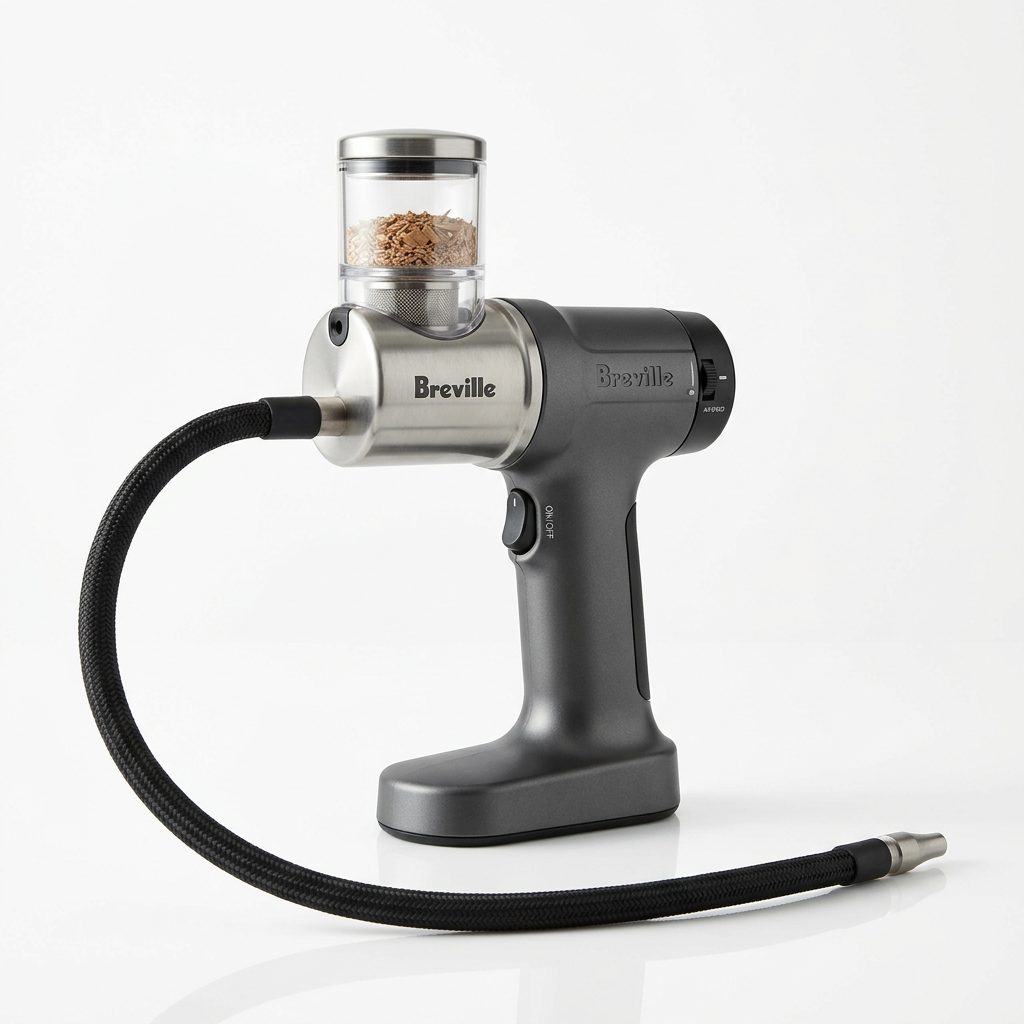
In the Far North, wood smoke is the flavor profile that defines the landscape. While industrial smokehouses are common, the home cook can replicate professional results with a simple stove-top smoker or a modified grill setup. Cold-smoking—where the temperature stays below 85°F (30°C)—is the gold standard for curing fish like salmon or trout. This method does not cook the protein; instead, it imparts a delicate, atmospheric smokiness that highlights the natural oils of the fish.
Hot-smoking is quite different, serving as both a cooking method and a flavor-enhancer. By maintaining a temperature between 180°F and 225°F (82°C–107°C), you can transform a sturdy piece of brisket or a whole side of whitefish into something succulent and deeply aromatic. The key to success here is patience and moisture control. Always use high-quality, dried wood chips like alder, apple, or oak. Never use pine or resinous woods, as they create an acrid, bitter smoke that ruins the delicate balance of your dish.
Equipment and Temperature Management
If you are serious about incorporating smoke into your repertoire, invest in a digital probe thermometer. Consistency is the difference between a smoky masterpiece and a charred disappointment. When hot-smoking, aim for a "blue smoke"—a thin, nearly invisible wisp of smoke—rather than the thick, billowing white clouds that indicate incomplete combustion. Proper airflow is vital. If your grill or smoker is suffocating the wood, the flavor will be harsh and unpleasant.
Foraging: Bringing the Forest to the Table
Foraging is a foundational pillar of Nordic cuisine, yet it is often misunderstood as a practice requiring expert botanical knowledge. Start simple by identifying flavors you already recognize in the wild. Pine needles, juniper berries, wild garlic, and wood sorrel are excellent entry points for the novice forager. When collecting, always follow the "Rule of Three": never take more than you can use, never deplete a patch, and always ensure you have a 100% positive identification before consuming anything.
Incorporating foraged elements into your kitchen provides a sense of terroir—a specific taste of the environment where you live. Try infusing oils with spruce tips for a bright, citrusy aroma that pairs beautifully with seared scallops or fatty pork belly. Alternatively, dry chanterelles or porcini mushrooms to create intense flavor boosters for sauces and stocks. These foraged ingredients are not just additions; they are the narrative of your landscape.
"The forest provides a larder far more complex than any grocery store shelf, provided one is willing to look down and breathe in."
Essential Foraging Best Practices
The Nordic Kitchen Pantry: Essential Ingredients
To cook like a Nordic chef, you must cultivate a pantry that supports the traditions of long-term storage. Rye flour is a non-negotiable ingredient. Whether used in dense, dark loaves or as a base for a sourdough starter, rye provides a depth of earthiness that wheat cannot replicate. Store your flour in airtight containers in a cool, dry environment to prevent the oils in the bran from going rancid.
Cultured butter is another essential, bringing a tangy complexity to both baking and pan-searing. Making your own is surprisingly simple: culture heavy cream with a bit of buttermilk, let it sit at room temperature for 24 hours, and then churn it until the solids separate from the buttermilk. The resulting butter has a flavor far superior to anything found in a standard supermarket, providing that signature Nordic richness that defines the region’s pastry and savory dishes alike.
Building Your Nordic Shelf
Mastering Cured Proteins: Gravlax and Beyond
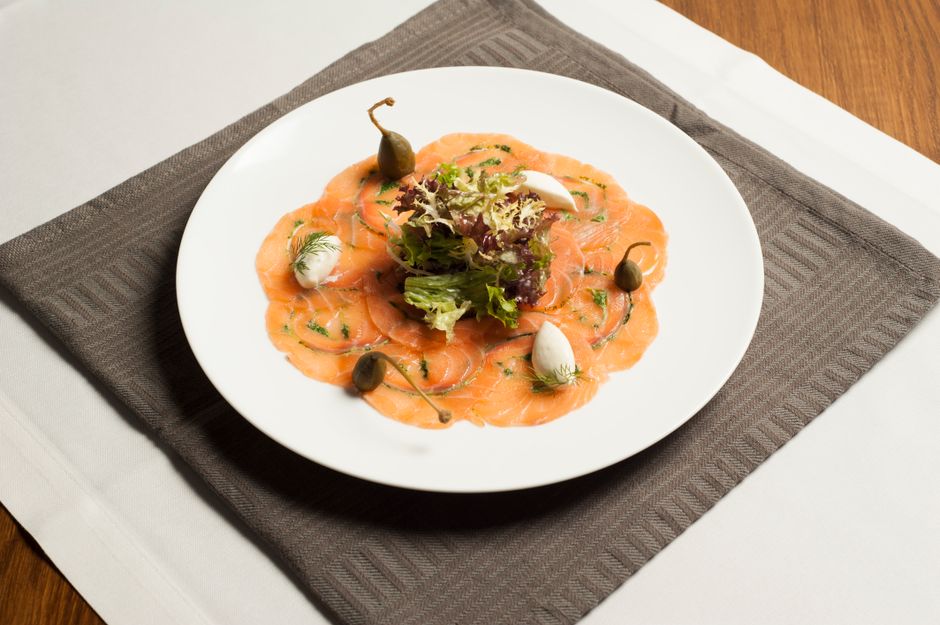
The most iconic dish of the North is undoubtedly Gravlax. Traditionally, the fish was buried in the ground and fermented, but today’s culinary standard is a dry-cure method involving salt, sugar, dill, and crushed peppercorns. To make a professional-grade Gravlax, use a ratio of 2 parts salt to 1 part sugar. Coat the salmon fillet thoroughly, nestle it in a bed of fresh dill, and weight it down in the refrigerator for 48 to 72 hours.
The secret to a perfect cure is the moisture loss. You want the fish to become firm, translucent, and vibrant in color. When slicing, use a long, sharp knife and cut at a 45-degree angle to create thin, paper-like slices. Serve it on dense rye bread with a side of mustard-dill sauce (made with honey, Dijon mustard, and vinegar). This is the hallmark of Scandinavian hospitality—simple, elegant, and deeply focused on the quality of the raw protein.
The Science of the Cure
Seasonal Cooking: The Nordic Rhythm
Nordic cuisine is entirely dictated by the calendar. In the spring, the focus is on tender shoots, wild herbs, and the first of the year's eggs. As the days lengthen into summer, we look to the berries—lingonberries, cloudberries, and wild blueberries—that carpet the forest floor. These are preserved in sugar or salt to act as acidic condiments for rich, savory dishes during the dark, cold winter.
Autumn brings the harvest of root vegetables and the tradition of hunting. Game meats like venison and wild boar are celebrated, often prepared with long, slow braises that incorporate dark beer or fruit-based reductions. By the time winter arrives, the kitchen shifts entirely to the pantry. We rely on the ferments, the smoked fish, the dried mushrooms, and the preserved berries we tucked away months prior. This cycle ensures that nothing is wasted and every ingredient is utilized at its absolute peak.
Planning for the Seasons
Advanced Techniques: From Charred Leeks to Whey Reductions
For the adventurous home chef, the true Nordic experience involves experimenting with bold techniques like charring. Charred leeks or onions, when cooked until they are completely black on the outside, reveal a sweet, tender interior that is unparalleled in flavor. Use the black, charred outer layers to make an ash, which can be folded into butter or used as a striking garnish for earthy vegetable dishes.
Another technique is the use of whey. When you make your own cultured butter or yogurt, save the liquid byproduct. This whey is a miracle ingredient. It contains natural lactic acid and can be used to poach vegetables, as a base for acidic sauces, or even in bread dough to add a subtle tang and improve the crumb structure. It is the ultimate "zero-waste" ingredient, capturing the very essence of the milk it came from.
Refined Kitchen Techniques
"The true test of a chef is not how they prepare an expensive steak, but how they transform a humble carrot or a leftover byproduct into something that tastes of the earth and the fire."
Conclusion
Embracing Nordic cuisine in your home is not about chasing Michelin stars or buying hyper-expensive equipment. It is about a shift in perspective. It is about learning to value the process of preservation just as much as the final plate. By mastering the 1-2-3 pickle ratio, understanding the delicate balance of a cold-smoke, and learning to forage for the flavors hidden in your own backyard, you are crafting a kitchen that is resilient, resourceful, and deeply flavorful.
Start small. This weekend, try curing your first piece of fish or building a simple, spice-infused brine for a jar of vegetables. Observe how these ingredients change over time, how the acidity mellows, and how the flavors harmonize. The Far North teaches us that the greatest luxury is not abundance, but the wisdom to manage what we have with intention and care. "Blame The Chef" is here to remind you that you have the tools—all you need now is the courage to experiment.
As you progress, remember that failure is simply a part of the culinary journey. A pickle that is too sour, a fish that is too smoky, or a herb you misidentified—all of these moments are lessons that bring you closer to the heart of the craft. Keep your knife sharp, your pantry stocked, and your curiosity burning bright. The traditions of the North are ancient, but in your kitchen, they are perpetually new, waiting to be interpreted through your own unique voice. May your jars always be full, your smoke always be blue, and your table always be a place of gathering and discovery. Go forth, experiment, and let the landscape guide your hand. This is the Nordic way, now yours to call home.
Get the Next Recipe
Weekly recipes, techniques, and gear picks — straight to your inbox.
