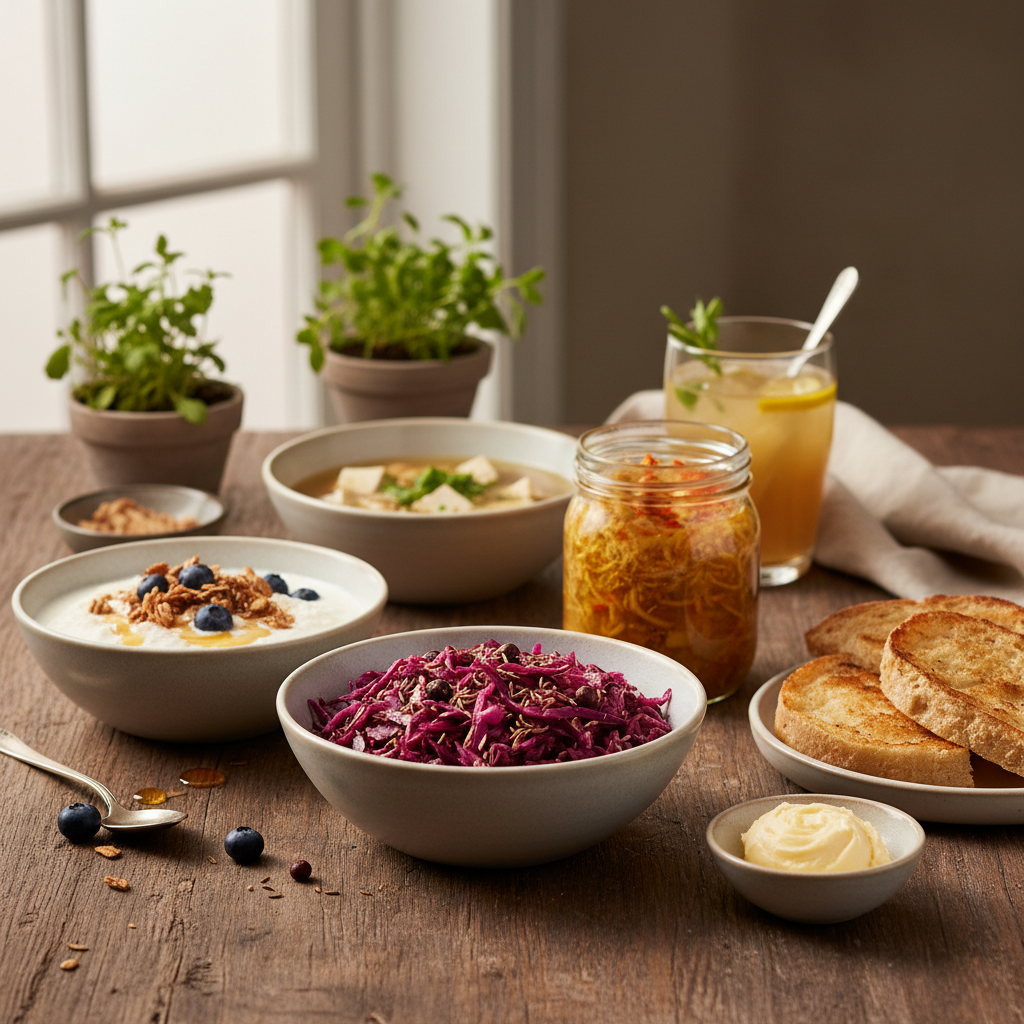
Nourishing Your Gut: 5 Delicious Fermented Dishes for a Healthier You
Healthy

Nourishing Your Gut: 5 Delicious Fermented Dishes for a Healthier You

C
By The Chef
|June 18, 2026|11 Min Read
📋
Recipe Card
31 ingredients · 0 steps
Servings
4
Ingredients
Instructions
Progress
0%

Fermentation has been around for thousands of years, but its profound effects on our health and gut microbiome have gained significant attention in recent years. This age-old method of food preservation offers a wealth of benefits that promote not just digestion, but overall wellness. While we often associate fermented foods with tangy flavors and bubbly textures, they also serve as nutritional powerhouses that can transform our dishes and our diets. From improving digestion to boosting immunity, fermented foods stand as some of the most beneficial culinary creations we can incorporate into our kitchens.

In a world increasingly aware of the need for gut health, fermented foods have resurfaced at the forefront of our culinary consciousness. Yogurt, kimchi, and kombucha are just a few examples of fermented delights that offer both flavor and functional wellness benefits. The magic lies in the process: fermentation encourages the growth of beneficial bacteria, known as probiotics, which help maintain a healthy gut flora balance. Consuming these foods regularly empowers you to nurture your gut and, consequently, your overall health.

To embark on this journey of nourishment, we’ll explore five delicious fermented dishes, highlighting their ingredients, preparation methods, and the health benefits they offer. Whether you’re a seasoned home cook or just starting out, these flavorful recipes will inspire you to embrace fermentation as a regular part of your cooking routine. Let’s dive into the world of nourishing your gut with these delectable delights!

What is Fermentation?

Fermentation occurs when microorganisms such as bacteria, yeast, or molds convert carbohydrates (sugars and starches) into alcohol or organic acids. This natural process not only extends the shelf-life of various foods but also enhances their flavors and nutritional value. By consuming fermented foods, we introduce an array of beneficial bacteria into our diets, supporting our digestion and immunity.

Types of Fermentation

Lactic acid fermentation is the most common form that involves the conversion of sugars into lactic acid. This is what gives many fermented foods their characteristic tangy taste. Common examples include yogurt and kimchi.

Alcohol fermentation is the process where sugars are converted into alcohol and carbon dioxide, essential for producing items like bread and beer. This fermentation is typically initiated by yeast.

Acetic acid fermentation produces vinegar from ethanol through the action of acetic acid bacteria. You can taste this in products like sourdough bread, pickles, and apple cider vinegar.

Each fermentation type has its unique flavor and health benefits, enriching our culinary experiences and promoting gut health.

The Health Benefits of Fermented Foods

Fermented foods boast a plethora of health benefits. Some of the most notable include:

●Improved Digestion: Fermented foods are rich in probiotics, which can help alleviate digestive issues, such as bloating, constipation, and even irritable bowel syndrome (IBS).
●Enhanced Nutrient Absorption: The fermentation process breaks down anti-nutrients, making vitamins and minerals more bioavailable.
●Boosted Immunity: A healthy gut is essential for a robust immune system. Probiotics support the gut lining and enhance the body’s defenses against pathogens.
●Mood Regulation: Emerging research suggests a link between gut health and mental well-being. A balanced gut may help reduce symptoms of anxiety and depression.

Incorporating fermented foods into your diet isn't just a trend; it's a chance to nurture both your body and your taste buds with wholesome, delicious flavors.

1. Homemade Yogurt

Yogurt stands as one of the most popular and versatile fermented foods worldwide. It’s a canvas for endless culinary creativity and a fantastic source of probiotics. Making your yogurt at home is both simple and rewarding!

Ingredients and Equipment

To make homemade yogurt, you’ll need:

●4 cups of whole milk (or any milk of your choice)
●2 tablespoons of plain yogurt (store-bought or from a previous batch)
●A heavy saucepan
●A thermometer
●A whisk
●A clean jar or container for storage
●A warm place to incubate (you can use an oven, yogurt maker, or even a blanket-covered bowl)

Step-by-Step Instructions

1.Heat the Milk: Pour the milk into a heavy saucepan and heat over medium heat until it reaches 180°F (82°C). This step helps denature the protein, contributing to a smoother texture.
2.Cool the Milk: Remove the saucepan from the heat and allow the milk to cool down to 110°F (43°C). You can use a thermometer to check the temperature.
3.Add Yogurt: Once the milk has cooled, whisk in the 2 tablespoons of plain yogurt until well combined.
4.Incubate: Pour the mixture into a clean jar and cover it with a lid. Place it in a warm environment (between 110°F and 115°F) for 5-12 hours. The longer it ferments, the tangier it will become.
5.Refrigerate: After the desired fermentation time, transfer the yogurt to the fridge to cool for at least 2 hours before consuming.

Enjoying Your Yogurt

Homemade yogurt can be enjoyed plain or adorned with toppings like fruits, honey, nuts, or granola. It’s an excellent breakfast option or a versatile ingredient in smoothies and dressings.

“Homemade yogurt is not only healthier but gives you control over sweetness and flavor. Plus, it’s extremely cost-effective!”

2. Kimchi

Kimchi is a traditional Korean side dish often made with salted fermented vegetables, primarily napa cabbage and radishes, seasoned with various spices. This dish is packed with flavor and health benefits!

Ingredients

To make a basic kimchi, gather:

●1 head of napa cabbage
●1 cup of sea salt
●4 cups of water
●1 tablespoon of grated ginger
●5 cloves of garlic, minced
●2 tablespoons of gochugaru (Korean red pepper flakes)
●2 tablespoons of fish sauce (or soy sauce for a vegan option)
●4 green onions, chopped

Step-by-Step Instructions

1.Prepare the Cabbage: Chop the napa cabbage into quarters and rinse it under cold water. Dissolve the sea salt in the water in a large bowl and submerge the cabbage in the brine. Allow it to soak for 1-2 hours, turning occasionally.
2.Rinse and Drain: After brining, rinse the cabbage thoroughly under cold water to remove excess salt. Drain well and set aside.
3.Create the Paste: In a small bowl, combine grated ginger, minced garlic, gochugaru, and fish sauce. Mix until smooth, adding a bit of water if necessary.
4.Mix Vegetables: In a large bowl, combine the drained cabbage, spice paste, and chopped green onions. Ensure each leaf is well coated with the spice mix.
5.Ferment: Pack the mixture tightly into a clean glass jar, leaving about an inch of space at the top. Seal the jar and let it ferment at room temperature for 1-5 days, depending on the desired taste. Check daily and taste until it reaches your preferred sourness.

Storing Kimchi

Once fermented, transfer the kimchi to the refrigerator, where it will continue to develop flavor. It can last for several months, and the flavor will become deeper with time.

“Kimchi is the ultimate side dish. Pair it with rice, use it in stir-fries, or even blend it into a smoothie for a unique flavor twist!”

3. Fermented Vegetables

Alongside kimchi, creating your own fermented vegetables provides a delightful way to preserve seasonal produce while adding probiotics to your diet. Fermented vegetables can be easily customized with your favorite ingredients.

Ingredients

You can experiment with various vegetables like:

●Carrots
●Cucumbers
●Radishes
●Cauliflower
●Garlic

For the brine:

●1 cup of water
●1 tablespoon of sea salt

Step-by-Step Instructions

1.Prepare the Vegetables: Clean the vegetables thoroughly and chop them into desired shapes (sticks, slices, or florets).
2.Create the Brine: In a bowl, dissolve 1 tablespoon of sea salt in 1 cup of water. This will be your fermentation brine.
3.Pack the Jar: Place the chopped vegetables in a clean mason jar. Pour the brine over the vegetables until they are fully submerged.
4.Heavy Weight: To keep the vegetables submerged and prevent floaties, you can use a clean rock or a small jar as a weight.
5.Ferment: Cover the jar loosely with a lid or a cheesecloth and let it sit at room temperature for 5-14 days. Taste your vegetables every few days until they reach the desired sourness.

Enjoying Fermented Vegetables

Fermented vegetables can enhance salads, sandwiches, or can be consumed straight from the jar as a zesty snack. They’re also simple to keep on hand for various culinary applications.

4. Kombucha

Kombucha, a fizzy fermented tea, has gained immense popularity for its refreshing taste and health benefits. Brewed using sweetened tea and a SCOBY (Symbiotic Culture Of Bacteria and Yeast), this beverage can be made at home with minimal effort.

Ingredients

●8 cups of water
●1 cup of sugar
●8 bags of black or green tea
●1 SCOBY (available from health food stores or online)
●2 cups of starter tea (from a previous batch or store-bought kombucha)

Step-by-Step Instructions

1.Brew the Tea: Boil 8 cups of water in a pot. Once boiling, turn off the heat and steep the 8 tea bags for about 10 minutes. Remove the bags and stir in 1 cup of sugar until dissolved.
2.Cool the Mixture: Allow the sweetened tea to cool to room temperature.
3.Combine Ingredients: In a large glass jar, combine the cooled tea, 2 cups of starter tea, and the SCOBY.
4.Ferment: Cover the jar with a breathable cloth secured with a rubber band. Place it in a warm, dark spot for 7-30 days, depending on your taste preference. The longer it ferments, the less sweet and more vinegar-like it will taste.
5.Bottling: Once the kombucha reaches your desired flavor, remove the SCOBY and reserve it for your next batch. Pour the kombucha into bottles, leaving some space at the top. Optionally, you can add fruits or herbs for second fermentation.

Enjoying Kombucha

Chill the bottled kombucha in the refrigerator before enjoying. It can be served as is or used as a mixer in cocktails.

“Kombucha is a delightful way to hydrate while indulging in a burst of flavor. Experiment with fruits like berries or herbs for unique takes on this classic drink!”

5. Sourdough Bread

Sourdough bread is loved for its tangy flavor and chewy texture, both attributed to the fermentation process. Utilizing wild yeast and bacteria from the environment, sourdough also provides impressive health benefits.

Ingredients

●500 grams of all-purpose or bread flour
●350 grams of water
●100 grams of sourdough starter
●10 grams of salt

Step-by-Step Instructions

1.Mix the Ingredients: In a large mixing bowl, combine the flour and water, mixing until there are no dry spots. Let this mixture rest for 30-60 minutes (autolyse).
2.Add Starter and Salt: After autolyse, mix in the 100 grams of sourdough starter and 10 grams of salt until fully integrated.
3.Bulk Fermentation: Cover the bowl with a damp cloth, and let it sit at room temperature for 4-6 hours. During this time, perform stretch and fold techniques every 30 minutes for the first 2 hours to develop the dough's strength.
4.Shape the Dough: After bulk fermentation, transfer the dough onto a lightly floured surface, and shape it into a round. Let it rest for 30 minutes.
5.Final Rise: After resting, shape your dough again and place it into a proofing basket. Let it rise for 2-4 hours, or in the fridge for overnight.
6.Bake: Preheat your oven to 450°F (232°C) with a Dutch oven inside. Once hot, carefully place the dough inside (you can score the top for aesthetic purposes) and cover. Bake for 30 minutes, then uncover and bake for an additional 15-20 minutes until golden brown.

Savoring Sourdough

Sourdough bread is perfect for toast, sandwiches, or eaten plain to appreciate the depth of flavor. Each bite can remind you of the nurturing power of fermentation and the joy of baking.

Final Thoughts

Integrating fermented foods into your diet can be an exciting culinary adventure and a health-boosting habit. From the creamy tang of homemade yogurt to the vibrant crunch of kimchi, the flavors and benefits are nearly endless. As you experiment with these recipes, you'll not only enjoy the process but also reap the rewards of a nourished gut and a healthier you. Embrace the art of fermentation in your kitchen and share these nourishing dishes with family and friends—after all, food is best enjoyed together!

🧰 Gear for this recipe
Tools our chefs reach for when cooking this
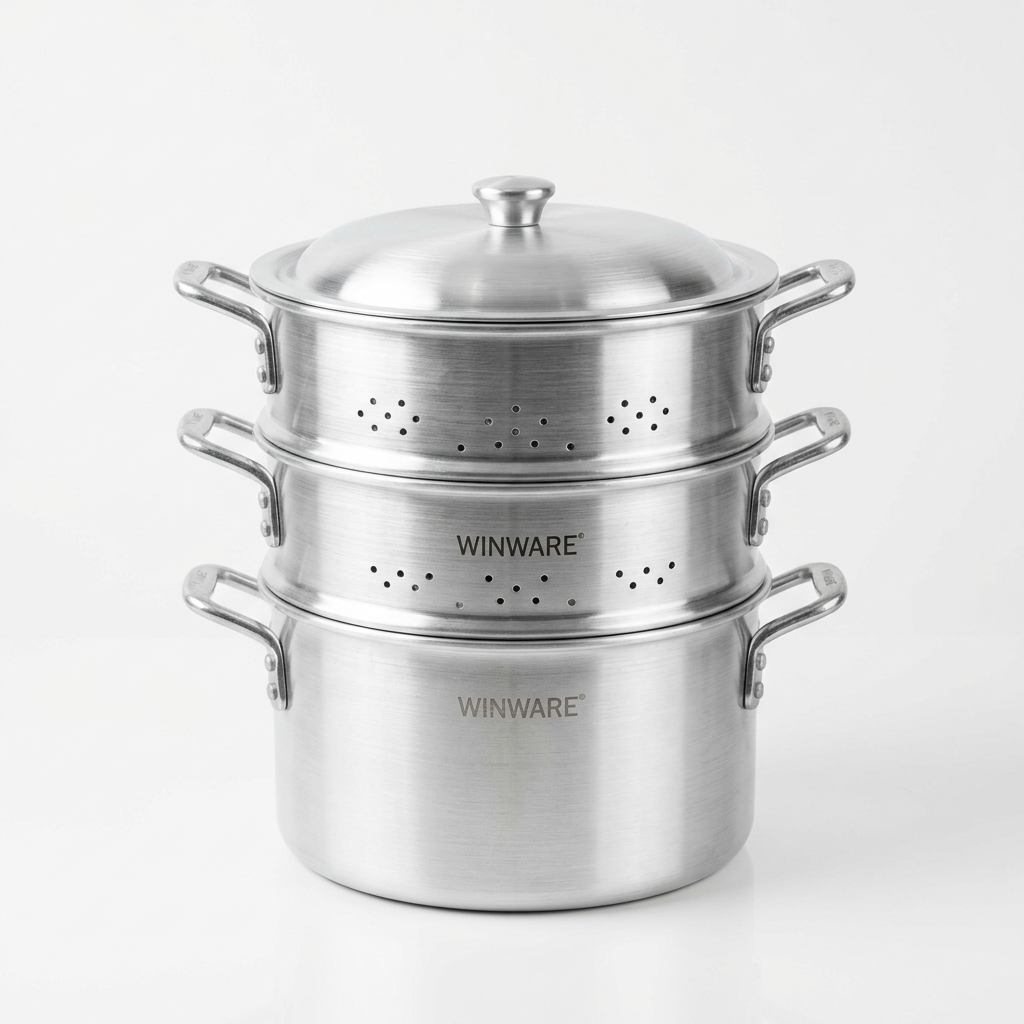
Winware 3-Tier Aluminum Steamer Set
Cookware
Winware 3-Tier Aluminum Steamer Set
★★★★★4.4
$35-$50
View on Amazon
Miyabi Birchwood Chef Knife 9.5 inch
Knives & Cutting
Miyabi Birchwood Chef Knife 9.5 inch
★★★★★4.9
$250-$320
View on Amazon

As an Amazon Associate we earn from qualifying purchases.

🍳

Get the Next Recipe

Weekly recipes, techniques, and gear picks — straight to your inbox.

No spam, ever. Unsubscribe anytime.

YesChef - Learn from the world's best chefs
© 2026 Blame The Chef
🍳

Never Miss a Recipe

Weekly recipes, kitchen tips, and gadget picks — straight to your inbox.

No spam, ever. Unsubscribe anytime.