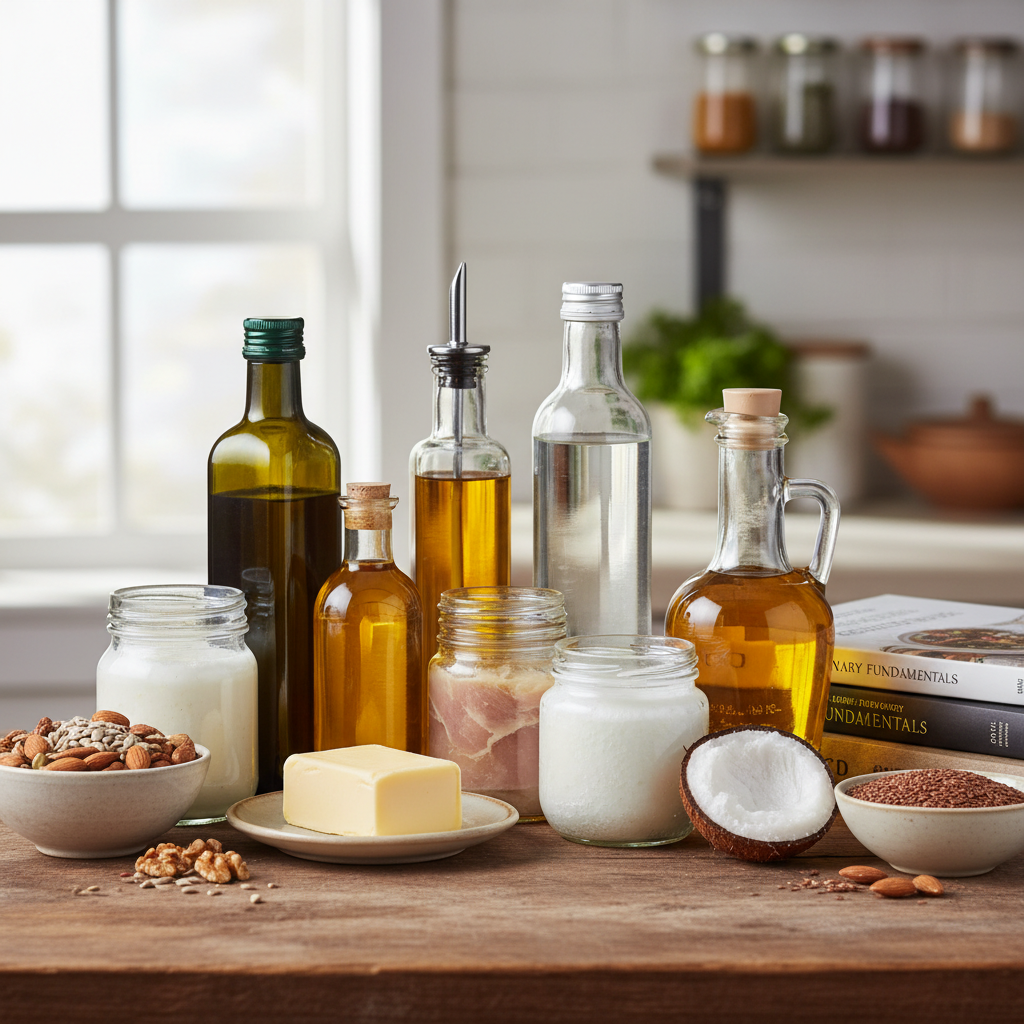
Oils and Fats: Building Your Pantry Staple
When it comes to crafting unforgettable dishes, one often underestimated facet of cooking is the selection and utilization of oils and fats. They are more than just vehicles for flavor; they are fundamental building blocks that can elevate a simple recipe into something spectacular. From sautéing vegetables to enriching sauces, understanding how to use various oils and fats effectively is essential in the home kitchen. In many culinary traditions, oils and fats have cultural significance, imparting unique flavors and textures that contribute to the dish's overall identity.
The pantry is the heart of your cooking realm, and what you keep within it can make a world of difference. Unfortunately, many home cooks overlook the importance of choosing the right oils and fats. Sure, we often grab a bottle of olive oil or canola oil, but there is a whole world of oils and fats that can expand your culinary horizons. Each oil has its own unique flavor profile, smoke point, and health benefits, while fats add richness and depth that not only enhance the dish but also serve a vital function in how we cook. Understanding these intricacies will help you make informed decisions that elevate your cooking.
In this guide, we’ll explore the various types of oils and fats, delve into details about their properties, and offer practical advice on how to incorporate them into your cooking. From understanding the health benefits of different oils to knowing how to store them for optimal freshness, we’ll leave no stone unturned. By the end of this post, you'll feel empowered to select the right fats and oils to enhance your culinary creations and ultimately, achieve delicious results every time you step into the kitchen.
Vegetable Oils
Understanding Vegetable Oils
Vegetable oils are extracted from various plant sources, including seeds, nuts, and fruits. These oils are staples in the kitchens of many home cooks because of their versatility, affordability, and diverse flavor profiles. Common types of vegetable oils include canola, sunflower, safflower, soy, and corn oil. Using vegetable oils can be a good option for cooking methods that require higher temperatures due to their generally high smoke points.
Smoke point is a critical aspect to consider when selecting an oil for cooking. It refers to the temperature at which the oil begins to smoke and break down, creating unpleasant flavors and harmful compounds. Each type of vegetable oil has a different smoke point—canola oil, for instance, has a smoke point of about 400°F (204°C), making it suitable for frying and sautéing.
Here’s a quick rundown of some commonly used vegetable oils and their smoke points:
Flavor Profiles and Culinary Uses
While some vegetable oils are nearly neutral in flavor, others have distinct tastes that can enhance your dishes. For example, olive oil is renowned for its rich flavor, making it a favorite for dressings and drizzling over finished dishes. Sesame oil provides a nutty aroma and depth, ideal for Asian cuisine.
When utilizing vegetable oils, consider the following culinary applications:
As you gain a better understanding of the flavor profiles and properties of vegetable oils, you can start experimenting and discovering new dimensions of flavor in your cooking.
Olive Oil
Varieties of Olive Oil
While olive oil might be a vegetable oil, it deserves its own category in the realm of culinary fats. Known for both its health benefits and rich flavor profile, olive oil is a Mediterranean staple that has gained global popularity. The quality of olive oil varies significantly, and you’ll encounter several types in your grocery store: extra virgin, virgin, pure, and light olive oil.
Health Benefits
Utilizing olive oil in your diet offers numerous health benefits. Rich in monounsaturated fats, it is known to support heart health. Research suggests that regular consumption can reduce the risk of chronic diseases. Additionally, EVOO contains antioxidants like vitamin E and polyphenols, which are beneficial for combatting inflammation and oxidative stress.
“Olive oil isn’t just a cooking fat; it’s a health elixir that elevates flavor and enriches your diet.”
Cooking with Olive Oil
Olive oil shines in various culinary techniques. Here are some top tips for cooking with this pantry essential:
By understanding the varieties and applications of olive oil, you can incorporate this healthy fat into your meals with confidence.
Animal Fats
The Rich History and Appeal of Animal Fats
Although often overlooked in favor of vegetable oils, animal fats like butter, lard, and duck fat have a rich history in culinary traditions around the world. These fats bring a depth of flavor that plant-based oils sometimes cannot replicate. They are prized for their textures and capabilities in various cooking methods such as roasting, frying, and baking.
Flavor Profiles and Culinary Applications
Animal fats contain unique flavors that enhance dishes. For example, cooking vegetables in bacon grease adds a smoky richness, while using duck fat for roasting potatoes yields an unbeatable crispy texture.
Here are some culinary applications for animal fats:
Embracing animal fats can significantly enhance the flavor of your dishes, bridging tradition with modern culinary practices.
Health Considerations
The Debate on Fats and Oils
The conversation around oils and fats has evolved over the years, with shifting diets and health trends influencing perceptions. While fat was once vilified, recent research emphasizes the necessity of healthy fats in the diet. Understanding the distinction between healthy and unhealthy fats is key to making smart choices in the kitchen.
Unsaturated fats, found in olive oil, avocado, and fatty fish, can have beneficial effects on heart health and cholesterol levels. Conversely, trans fats and certain saturated fats have been linked to health issues when consumed in excess.
Choosing Wisely
When stocking your pantry, it’s essential to consider the quality of oils and fats. Look for options that are labeled organic, non-GMO, and cold-pressed where applicable. These designations often indicate higher nutritional content and better taste.
“When it comes to fats, quality over quantity is the mantra; enjoy the benefits of healthy fats while being conscious of your quantity.”
Cooking Techniques for Healthier Meals
Here are a few techniques to ensure you're cooking healthily while still enjoying the flavors that fats and oils bring:
By being mindful of the types of fats and oils you use, along with employing healthier cooking techniques, you can enjoy flavor without compromising your health.
Storing Oils and Fats
The Importance of Proper Storage
To ensure the longevity of your oils and fats, proper storage is essential. Each type has its own requirements for maintaining freshness and preventing rancidity.
Lifespan of Oils and Fats
Understanding the shelf life of your oils and fats can greatly assist in ensuring quality and safety:
Take the time to familiarize yourself with best practices for storage and lifespan to ensure that your pantry staples remain fresh and flavorful.
Culinary Experiments
Getting Creative in the Kitchen
Once you’re equipped with the knowledge of oils and fats, don’t be afraid to get creative. Experimentation can lead to delightful discoveries. Here are a few ideas to spark your culinary curiosity:
Balancing Flavor and Technique
Balance flavor with technique; try combining oils for depth and richness. Consider a blend of olive and avocado oil for sautéing or a mix of butter and duck fat for frying. The possibilities are endless!
Conclusion
As we’ve explored, the world of oils and fats is not only vast but also vital for any home cook striving to enhance their culinary skills. Understanding the distinct characteristics of various oils and fats—from their smoke points to flavor profiles—will fundamentally empower your cooking techniques. With this guide in hand, you're now equipped to choose the best oils and fats based on your culinary needs and desired flavors, keeping health considerations in mind.
When you approach cooking with a well-stocked pantry of quality oils and fats, the flavors will shine, ensuring that every meal you prepare is not just food but a delightful culinary experience. Remember, the key is not merely in the ingredients you use but also in how you treat them in the cooking process. Embrace experimentation, engage with nutritional balance, and immerse yourself in the joy of cooking. With each deliberate choice, you'll not only elevate your dishes but also forge a deeper connection to the art of cooking. Happy cooking!
Get the Next Recipe
Weekly recipes, techniques, and gear picks — straight to your inbox.
