Olive Oil Demystified: Choosing, Tasting, and Cooking With Liquid Gold
The humble bottle of olive oil sitting on your countertop is far more than a mere lubricant for a searing pan; it is the lifeblood of Mediterranean cuisine and arguably the most misunderstood ingredient in the modern kitchen. For years, home cooks have been led astray by marketing buzzwords, confusing labels, and the persistent myth that olive oil is too delicate for high-heat cooking. In reality, understanding this "liquid gold" is the single fastest way to transform your home cooking from mundane to restaurant-quality. When you learn to match the right oil to the right application, you aren't just adding fat to a dish—you are adding complexity, depth, and a vibrant, grassy finish that defines professional culinary standards.
To master olive oil, one must first dismantle the apprehension surrounding its use. Many cooks hoard expensive, artisanal oils for special occasions, fearing that heat will destroy their flavor profiles, while simultaneously using low-grade, mass-produced oils for everything else. This approach is fundamentally flawed because it ignores the chemical stability of high-quality fats and the impact that even a daily-use oil has on the baseline quality of your food. We are going to strip away the industry jargon, examine the chemistry behind the bottle, and ensure that you never have to guess which oil to reach for during your next meal prep. Welcome to the definitive guide on navigating the world of olives.
As we journey through this guide, I want you to reconsider your pantry staples with a critical, chef-driven eye. We will discuss the nuances of terroir, the importance of harvest dates, and the specific smoke points that dictate whether an oil belongs in a salad dressing or a deep-frying vat. This isn’t just about making things taste better; it’s about understanding the provenance of the ingredients you bring into your home. By the end of this post, you will possess the confidence to walk into a specialty grocer, ignore the flashy labels, and select a bottle of olive oil that actually earns its place in your kitchen.
The Anatomy of an Olive Oil Label
Navigating the olive oil aisle can feel like a labyrinth designed to confuse the consumer, but the secret lies in what the label is not saying. The term Extra Virgin Olive Oil (EVOO) is the gold standard, signifying that the oil is extracted using only mechanical means—no chemicals or high heat involved. If a label simply says "Olive Oil" or "Pure Olive Oil," you are looking at a refined product that has been stripped of its flavor, color, and many of its health benefits. Understanding this hierarchy is the first step toward better cooking, as the refining process leaves you with a flat, one-dimensional fat that offers nothing to the palate.
When you look for a quality bottle, ignore the artistic descriptions about "sun-drenched hills" and look for the technical data. A truly premium oil will list the harvest date or the "best by" date on the bottle. Unlike wine, olive oil does not get better with age; it is a perishable fruit juice that begins to degrade the moment it is pressed. Ideally, you want to consume your oil within 12 to 18 months of the harvest date. If a bottle doesn’t have a harvest date, put it back on the shelf, as you have no way of knowing if you are buying a fresh product or one that has been sitting in a warehouse for two years.
Understanding Acidity Levels
The free acidity of an olive oil is a technical measurement of its quality. By international standards, Extra Virgin Olive Oil must have a free acidity level of less than 0.8%, but top-tier oils often boast levels below 0.3%. Lower acidity generally indicates that the olives were harvested at their peak and processed immediately, which preserves the delicate polyphenols and volatile aromatics. When you see a producer advertising low acidity, they are signaling that they take the integrity of their fruit seriously, resulting in a product that tastes cleaner and more vibrant on the tongue.
"Olive oil is not just a cooking medium; it is a flavor profile that carries the character of the soil, the climate, and the specific cultivar of the olive itself. To treat it as a generic commodity is to ignore one of the most expressive ingredients in the chef's arsenal."
The Science of Smoke Points and Heat
A persistent myth haunts the culinary world: the idea that you should never use olive oil for high-heat cooking because it has a low smoke point. This is patently false. A high-quality, unrefined Extra Virgin Olive Oil actually has a smoke point between 375°F and 410°F, which is perfectly sufficient for the vast majority of sautéing, roasting, and pan-searing tasks. The smoke point is simply the temperature at which an oil begins to break down and emit smoke, but because EVOO is rich in antioxidants, it is actually more stable under heat than many common seed oils like vegetable or soybean oil.
Choosing the Right Oil for the Task
When you are searing a steak or frying potatoes, you are likely working between 350°F and 375°F. Your EVOO will handle this heat beautifully, provided you don't walk away from the pan. However, there is a financial consideration here: why cook with a $40 artisanal bottle of cold-pressed oil when the high heat will mask its nuanced, peppery finish? For high-heat cooking, reach for a high-quality "regular" or "virgin" olive oil, or even a bulk-buy EVOO from a trusted producer. Save the small-batch, estate-bottled oils for finishing, where their raw character can shine through.
Techniques for Pan-Searing
When using olive oil for searing, always ensure your pan is properly preheated before adding the oil. If you add the oil to a cold pan and let it heat up slowly, it will begin to polymerize and lose its structural integrity before the food even hits the surface. Add the oil to a hot pan, swirl it to coat, and wait for it to shimmer—this is the visual cue that you have reached the optimal temperature for Maillard reaction without burning the fat. By using this method, you create a crispy, golden crust on proteins and vegetables that is impossible to achieve with lesser fats.
Cultivars and Flavor Profiles
Just as you might choose a Cabernet Sauvignon for a heavy beef dish or a Pinot Grigio for a light fish, you must treat olive oil cultivars with the same discernment. The flavor of the oil depends entirely on the variety of the olive and the timing of the harvest. Early-harvest oils, often appearing greener, tend to be more robust, grassy, and spicy, while late-harvest oils are milder, buttery, and more neutral in their presentation. This variety allows you to customize the flavor profile of your final dish by matching the oil's intensity to the ingredients you are preparing.
Pairing Tips for the Home Chef
For a dish like a hearty kale salad or a roasted ribeye, you want an oil with a high polyphenol count—the chemical compound responsible for that characteristic "peppery" tickle at the back of your throat. A robust oil made from Coratina or Picual olives will stand up to the bitterness of kale or the fattiness of the meat, providing a sharp contrast that cuts through the richness. Conversely, if you are dressing a delicate caprese salad or sautéing white fish, look for a "delicate" or "mild" oil, often made from Arbequina or Leccino olives, which offers a buttery finish that won't overwhelm the subtle flavors of your produce.
The Art of Tasting Like a Pro
To truly understand what you are buying, you must learn to taste olive oil like a professional sommelier. Pour a small amount of oil into a glass, cup it in your palms to warm it slightly, and swirl it gently to release the volatile aromas. Take a deep sniff; you should be smelling notes of fresh-cut grass, green tomato, herbs, artichoke, or even green apple. If the oil smells like crayons, wet cardboard, or old metallic containers, it has likely gone rancid or was stored improperly. Never trust an oil that lacks a distinct, fresh aroma, as flavor and smell are inextricably linked.
The Slurping Technique
Once you have assessed the aroma, take a small sip and draw some air into your mouth—a technique known as "stripping" or "slurping"—to aerate the oil and coat your palate. Pay attention to the initial texture; does it feel viscous and creamy, or thin and oily? As you swallow, notice the progression of flavors. You are looking for a balance between fruitiness, bitterness, and that signature pungency. The bitterness is a sign of healthy polyphenols, and the pungency (the "pepperiness") is a sign of freshness. If an oil feels flat or greasy on the tongue, it lacks the complexity that marks a truly exceptional product.
"An oil that hides its flavor is an oil that has nothing to offer. When tasting, look for the 'finish'—the lingering sensation in your throat that tells you the oil is fresh, vibrant, and alive."
Storage: Preserving Your Liquid Gold
Even the most expensive, hand-harvested oil will turn rancid within weeks if it is stored incorrectly. The three enemies of olive oil are light, heat, and oxygen. This is why you should never store your oil in a clear glass bottle on the windowsill above your stove. The combination of direct sunlight and the ambient heat from the cooktop will accelerate the oxidation process, causing the delicate flavor compounds to break down and the oil to develop an unpleasant, fermented off-note.
Establishing Best Practices
Invest in a dark-tinted or opaque bottle and store it in a cool, dark cupboard away from any major heat sources. If you buy in bulk, keep your large container in a dark pantry and decant a small amount into a smaller, easy-to-use cruet for daily use. While you might be tempted to keep your oil in the refrigerator, this is generally unnecessary unless you live in an extremely hot climate. Refrigeration will cause the oil to solidify and condense, and while it won't harm the quality, the constant cycling between cold and room temperature can lead to condensation inside the bottle, which introduces moisture—the enemy of shelf stability.
Recognizing Rancidity
Knowing when to discard an oil is as important as knowing how to buy it. Rancid oil has a distinct, unpleasant scent that is often described as "playdough" or "stale nuts." If you taste it, you might feel a coating of waxy film in your mouth. If you encounter these traits, stop using the oil for raw applications immediately. While slightly aged oil is still perfectly fine for high-heat cooking where the flavor nuances will be obscured anyway, do not use it for salad dressings or finishing, where the off-notes will ruin your hard work.
Cooking Techniques: Beyond the Pan
Olive oil is an incredibly versatile ingredient that can perform feats beyond simple pan-frying. In the world of professional baking, for example, replacing butter with a high-quality olive oil can result in cakes with a much longer shelf life and a more complex, nuanced flavor. Because olive oil is a liquid fat, it creates a more tender crumb than butter, making it an excellent choice for rustic fruit cakes or savory herb focaccias. When baking with olive oil, look for a mild-to-medium intensity oil so that it complements rather than clashes with your other ingredients.
Emulsions and Vinaigrettes
Mastering the emulsification of olive oil into a dressing is a fundamental skill for any cook. A classic vinaigrette relies on a ratio of three parts oil to one part acid, such as high-quality vinegar or fresh lemon juice. To create a stable emulsion, start by whisking your acid with a pinch of salt and a spoonful of mustard—the mustard acts as a stabilizer, preventing the oil and vinegar from separating. Slowly drizzle the oil into the acid while whisking vigorously. The result should be a thick, creamy dressing that clings to your greens rather than pooling at the bottom of the bowl.
Infusing Flavors
You can elevate your kitchen repertoire by creating your own infused olive oils, but do so with extreme caution. While it is tempting to throw fresh garlic or herbs into a bottle of oil, this creates an environment where Clostridium botulinum—the bacteria that causes botulism—can thrive in the oxygen-free environment. For long-term storage, always use dried herbs or commercial-grade flavorings. If you want to use fresh aromatics, treat it as a short-term project: infuse the oil in the refrigerator, use it within 24 to 48 hours, and never keep it at room temperature.
Elevating Dishes with Finishing Oils
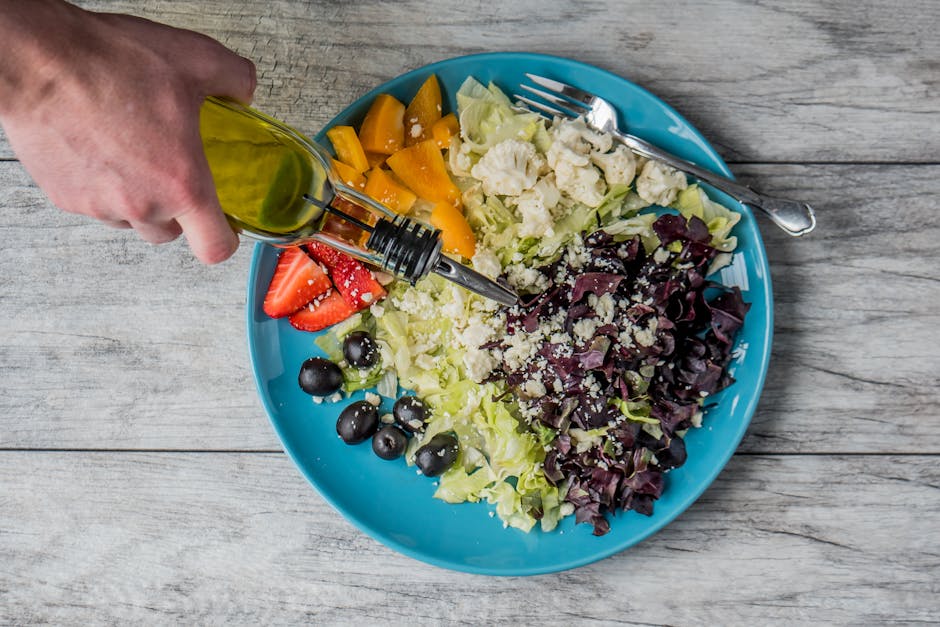
The most common mistake home cooks make is using their finest olive oils during the cooking process. Instead, reserve your "finishing oil" for the very final step before a dish hits the table. A high-quality oil has a delicate structure that is easily dismantled by heat, so by adding it at the end, you preserve the volatile aromatics that provide that "wow" factor. Drizzle a robust, peppery oil over a bowl of pasta pomodoro, a plate of grilled octopus, or even a scoop of high-quality vanilla ice cream with a pinch of sea salt.
The Power of Drizzling
When you drizzle, don't just dump the oil on top of the food. Think of the oil as a garnish or a sauce component. A controlled, circular motion ensures that the oil coats the surface area of the food, allowing the guest to experience a bit of the oil in every bite. This simple addition of fresh, cold oil provides a bright, acidic contrast to cooked foods, cutting through the heaviness of starches or fats and providing a clean finish that makes the flavors of the dish pop.
Conclusion
Mastering olive oil is a journey of sensory exploration and culinary discipline. By moving away from the supermarket aisle of "generic" oils and focusing on producers who emphasize freshness, harvest dates, and transparent practices, you are investing in the health and quality of your daily meals. Remember that olive oil is not a static ingredient; it is a vibrant, evolving product of nature that demands respect in how it is stored, heated, and finally, applied to your plate.
As you continue to refine your kitchen skills, keep experimenting with different cultivars and flavor profiles. Don't be afraid to taste, evaluate, and challenge your assumptions about what an oil can bring to a recipe. When you start treating olive oil as a key protagonist rather than a background character, your cooking will undoubtedly reach a new level of sophistication. Keep your bottles dark, your harvest dates fresh, and your palate curious. You are now equipped with the knowledge to make "liquid gold" a foundational pillar of your culinary practice. Happy cooking!
Get the Next Recipe
Weekly recipes, techniques, and gear picks — straight to your inbox.
