
One-Pan Meals: Maximum Flavor, Minimum Cleanup
The modern kitchen can often feel like a battlefield. After a long day, the thought of preparing a delicious, satisfying meal can be daunting, especially when faced with the inevitable mountain of dishes that follows. We’ve all been there: the joy of a home-cooked feast quickly dissipates when confronted with a sink overflowing with pots, pans, spatulas, and cutting boards. It’s enough to make even the most enthusiastic home cook reach for the takeout menu. But what if I told you there’s a way to achieve maximum flavor with minimum cleanup? A culinary approach that allows you to create restaurant-quality dishes with significantly less fuss and significantly fewer dirty dishes? This is the magic of the one-pan meal.
One-pan cooking is more than just a trend; it’s a philosophy. It’s about streamlining your cooking process without sacrificing taste or presentation. Imagine tender proteins roasted to perfection alongside vibrant, caramelized vegetables, all cooked together in a single skillet, sheet pan, or baking dish. The beauty lies in the synergy of flavors, where the juices from the meat mingle with the vegetables, creating a rich, cohesive sauce. This method not only simplifies your cooking but also deepens the flavor profile of your dishes, transforming simple ingredients into something truly special. It's an approach that respects your time and your energy, allowing you to enjoy the process of cooking and the pleasure of eating without the dread of the post-meal clean-up.
As a chef, I've always preached the importance of technique and quality ingredients, but I also understand the realities of home cooking. My goal is to empower you to cook with confidence and creativity, and one-pan meals are a fantastic gateway to achieving just that. They are incredibly forgiving, adaptable, and surprisingly versatile. Whether you’re a beginner looking to build confidence or an experienced cook seeking efficiency, these recipes will become staples in your repertoire. So, let’s put away the extra pots and pans and embrace a simpler, yet more flavorful, way of cooking. It's time to discover the delicious power of the one-pan meal.
The Science Behind One-Pan Flavor
The magic of one-pan meals lies in a few fundamental culinary principles that work in harmony to amplify flavor and simplify the cooking process. When you cook multiple ingredients together in a single vessel, you create an environment where flavors can meld and concentrate. This is especially true when using methods like roasting or sautéing, where heat is applied directly to the pan and its contents. As ingredients cook, they release moisture and fat, which then circulate around the other components in the pan. This creates a self-basting effect, infusing everything with the delicious essence of each individual ingredient.
Consider the simple act of roasting chicken and vegetables on the same sheet pan. As the chicken skin crisps and renders its fat, those delicious drippings cascade over the vegetables, coating them and encouraging them to caramelize beautifully. The vegetables, in turn, release their natural sugars and moisture, which can help to deglaze the pan and create a flavorful jus. This intermingling of juices and fats is crucial. It’s what elevates a dish from a collection of separate components to a cohesive, deeply flavored meal. Without this interaction, each ingredient would cook in its own moisture, resulting in a less complex and less satisfying final product.
Furthermore, the Maillard reaction plays a starring role in one-pan cooking. This complex chemical process occurs when amino acids and reducing sugars are heated, leading to the browning of food and the development of rich, savory flavors. When ingredients are cooked together at high temperatures in a single pan, they are all exposed to the conditions that promote the Maillard reaction. This means you get beautifully browned, crispy edges on your vegetables and perfectly seared proteins, all contributing to a more robust and enjoyable eating experience. The concentrated heat and the close proximity of ingredients in a single pan are ideal for achieving this desirable browning.
"The beauty of one-pan cooking is that it forces a delicious synergy between ingredients, creating a flavor profile that's greater than the sum of its parts."
This principle extends beyond just roasting. In a skillet, searing a protein first and then adding aromatics and vegetables to the same pan allows those browned bits, known as fond, to be incorporated into the dish. This fond is pure flavor gold, and by deglazing the pan with a liquid, you unlock all those savory notes, creating an instant sauce. The residual heat in the pan continues to cook the other ingredients, absorbing the flavor of the fond. It’s a simple technique that yields incredibly complex results, proving that you don't need multiple pots to build layers of taste. The confined space of a single pan ensures that every drop of flavor is utilized and integrated.
Sheet Pan Savvy: The Ultimate Weeknight Warrior
The sheet pan is arguably the undisputed champion of one-pan cooking. Its wide, flat surface area allows for even heat distribution and excellent air circulation, making it perfect for roasting a variety of ingredients simultaneously. This method is a weeknight warrior’s dream, offering a simple yet elegant way to get a complete meal from oven to table with minimal effort and, of course, minimal cleanup. The key to a successful sheet pan meal lies in thoughtful ingredient selection and preparation, ensuring that everything cooks at a similar rate.
Mastering the Art of Timing and Temperature
The most common pitfall of sheet pan meals is having some components overcooked while others are still raw. This is where strategic placement and cooking times become paramount. Generally, you’ll want to cut denser, harder vegetables like potatoes, carrots, or Brussels sprouts into smaller, more uniform pieces than softer vegetables like bell peppers, zucchini, or cherry tomatoes. This allows them to cook through at a similar pace. Proteins also have varying cooking times; a chicken breast will cook much faster than a whole pork loin.
A good rule of thumb is to start with the ingredients that require the longest cooking time. For example, if you’re making a sheet pan chicken and roasted root vegetables, you might start roasting the vegetables for 15-20 minutes before adding the seasoned chicken pieces to the pan. This ensures everything finishes around the same time. Preheating your oven to a consistent temperature is also critical. For most sheet pan meals, a temperature between 400°F (200°C) and 425°F (220°C) is ideal, promoting good browning and caramelization. Ensure your sheet pan is also hot before adding ingredients; this helps to achieve a better sear on proteins and vegetables.
The Power of the Glaze and Marinade
To elevate your sheet pan meals from good to exceptional, consider the impact of marinades and glazes. These not only add a burst of flavor but can also help to tenderize proteins and enhance browning. A simple marinade for chicken or fish could include olive oil, lemon juice, garlic, herbs, and spices. For vegetables, a drizzle of olive oil, balsamic vinegar, honey, or soy sauce can work wonders. Apply these before roasting. For an extra flavor punch, consider a glaze that can be brushed onto proteins during the last 10-15 minutes of cooking. Think honey-soy, barbecue, or a spicy sriracha glaze. This adds a sticky, caramelized finish that is incredibly appetizing.
Popular Sheet Pan Combinations to Inspire
The possibilities for sheet pan meals are virtually endless, but here are a few combinations to get your culinary gears turning:
Sausage and Peppers:* Sliced Italian sausage (sweet or hot), bell peppers (any color), onions, and cherry tomatoes tossed with olive oil, Italian seasoning, salt, and pepper. Roast at 400°F (200°C) for 25-30 minutes, flipping halfway. Serve with crusty bread or over pasta.
Salmon and Asparagus with Lemon:* Salmon fillets, asparagus spears, and lemon slices tossed with olive oil, dill, garlic powder, salt, and pepper. Roast at 400°F (200°C) for 12-15 minutes, or until salmon is cooked through and asparagus is tender-crisp.
Chicken Thighs with Root Vegetables:* Bone-in, skin-on chicken thighs, cubed sweet potatoes, carrots, and parsnips tossed with olive oil, rosemary, thyme, salt, and pepper. Roast at 425°F (220°C) for 35-45 minutes, or until chicken is cooked through and vegetables are tender and caramelized.
Remember to give your ingredients ample space on the pan. Overcrowding will cause the ingredients to steam rather than roast, leading to a less desirable texture. If necessary, use two sheet pans to ensure proper air circulation and optimal browning.
Skillet Sensations: Building Flavor from the Bottom Up
The skillet, particularly a well-seasoned cast-iron skillet or a heavy-bottomed stainless steel pan, is another powerhouse of one-pan cooking. Unlike the passive roasting of a sheet pan, skillet cooking often involves more active engagement, starting with searing and building layers of flavor. This method is perfect for dishes where you want to achieve a beautiful crust on your protein and then create a quick, flavorful sauce right in the same pan.
The Foundation: Searing and Fond
The cornerstone of most skillet-based one-pan meals is searing. This technique involves cooking proteins at high heat to develop a deep brown crust. This isn't just for aesthetics; the Maillard reaction that occurs during searing creates incredibly complex flavors. For beef, chicken, or pork, achieve a good sear by ensuring the pan is sufficiently hot and the protein is dry. Patting your protein dry with paper towels is crucial for achieving a crispy exterior. Don't overcrowd the pan; sear in batches if necessary to maintain a high temperature and prevent steaming.
Once your protein is seared, remove it from the pan temporarily. Now, you have a pan coated in fond – those delicious browned bits stuck to the bottom. This is where the magic happens. Add your aromatics, such as chopped onions, garlic, or shallots, to the pan. Sauté them in the residual fat and fond, scraping up those flavorful bits as they soften. This process is called deglazing, and it’s fundamental to building a cohesive flavor base for your dish.
The Art of Deglazing and Sauce Creation
After sautéing your aromatics, it’s time to deglaze the pan properly. Pour in a liquid – this could be wine (red or white, depending on your dish), broth (chicken, beef, or vegetable), or even a splash of vinegar. As the liquid hits the hot pan, it will sizzle and steam, loosening all the browned bits from the bottom. Use a wooden spoon or spatula to scrape and lift all that flavorful fond into the liquid. This process instantly creates a rich, flavorful sauce base.
"Never underestimate the power of fond. Those browned bits stuck to the bottom of your pan are pure liquid gold, waiting to be transformed into an incredible sauce."
Allow the deglazing liquid to simmer and reduce slightly, concentrating its flavors. Now, you can add your other ingredients – vegetables, grains, or even return your seared protein to the pan. The residual heat will continue to cook everything, and the ingredients will simmer and absorb the flavors of the pan sauce. Adjust seasonings, add fresh herbs, and you have a complete, flavorful meal with a built-in sauce, all from one pan.
Versatile Skillet Meal Ideas
Chicken Scallopini with Lemon-Caper Sauce:* Lightly flour chicken cutlets and sear them in a hot skillet until golden brown. Remove chicken. Sauté shallots and garlic, deglaze with white wine, add chicken broth, lemon juice, and capers. Return chicken to the pan to finish cooking and warm through. Serve with a side of pasta or crusty bread.
Shrimp Scampi with Zucchini Noodles:* Sauté shrimp in a hot skillet with garlic and olive oil until just pink. Remove shrimp. Add zucchini noodles (zoodles) to the pan and sauté for a few minutes until tender-crisp. Add white wine, lemon juice, butter, and parsley. Toss to combine. Return shrimp to the pan and stir to coat.
One-Pan Sausage and Kale with White Beans:* Brown sliced sausage in a skillet. Add chopped kale, minced garlic, and a can of drained cannellini beans. Deglaze with chicken broth or white wine. Cover and simmer until kale is wilted and beans are heated through. Stir in a squeeze of lemon and a drizzle of olive oil.
The key here is control of heat. Start with high heat for searing, then reduce the heat for sautéing aromatics and simmering to create the sauce. This active management of temperature is what allows you to achieve different textures and develop complex flavors in one pan.
Dutch Oven Delights: Deep Flavors, Effortless Elegance
The Dutch oven, with its heavy, enameled cast-iron construction and tight-fitting lid, is a true workhorse in the kitchen. It excels at slow cooking, braising, and stewing, allowing flavors to meld beautifully over time. This makes it perfect for creating deeply flavorful, comforting one-pot meals that often require minimal hands-on time. The thick walls of the Dutch oven provide even heat distribution, preventing hot spots and ensuring consistent cooking, whether you're searing on the stovetop or braising in the oven.
Searing, Sautéing, and Braising in One Vessel
Many classic Dutch oven recipes begin with searing a protein directly in the pot on the stovetop. This builds that crucial flavor base, similar to skillet cooking. Once the protein is seared, remove it and sauté your aromatics – onions, carrots, celery (the mirepoix, a foundational element in many stews and braises) – in the rendered fat. After the vegetables have softened, you can deglaze the pot with wine or broth, scraping up all those delicious browned bits.
Once your flavor base is established, you can return your protein to the pot. Then, add your braising liquid (broth, wine, crushed tomatoes, etc.) and any other components like potatoes, beans, or herbs. The tight-fitting lid is essential here; it traps steam and moisture, creating a self-basting environment within the pot. This allows the ingredients to cook gently and evenly, tenderizing tough cuts of meat and infusing everything with flavor. Most Dutch oven braises are then transferred to a preheated oven (typically between 300°F/150°C and 350°F/175°C) to cook slowly for several hours.
The Magic of Slow and Low
The slow and low cooking method is what truly defines Dutch oven cooking. This gentle heat allows connective tissues in tougher cuts of meat, like beef chuck or lamb shoulder, to break down slowly, resulting in incredibly tender and succulent results. Vegetables also become meltingly tender and their flavors deepen considerably. The long cooking time allows all the individual ingredients to meld together, creating a rich, complex, and deeply satisfying dish.
This method is also incredibly forgiving. If you need to leave your Dutch oven unattended in the oven for an extra hour, it’s rarely a problem, unlike high-heat roasting which can lead to burning. This makes it ideal for busy days when you can start a meal in the morning and have it ready by dinner. The minimal active cooking time means you can focus on other tasks or simply relax, knowing your delicious meal is developing on its own.
Exemplary Dutch Oven Dishes
Beef Stew:* Sear cubed beef chuck, then sauté mirepoix. Deglaze with red wine, add beef broth, diced tomatoes, herbs (thyme, rosemary, bay leaf), and your chosen vegetables (potatoes, carrots, peas). Braise in a 325°F (160°C) oven for 2.5-3 hours, or until beef is fork-tender.
Chicken Cacciatore:* Brown chicken pieces. Sauté onions, garlic, bell peppers, and mushrooms. Deglaze with white wine, add crushed tomatoes, olives, capers, and Italian herbs. Return chicken to the pot and simmer on the stovetop or in a 350°F (175°C) oven for about 45-60 minutes, or until chicken is cooked through.
Lentil Soup:* Sauté mirepoix and garlic. Add dried lentils, vegetable or chicken broth, diced tomatoes, and your favorite herbs and spices. Bring to a simmer on the stovetop, then cover and cook for 30-40 minutes, or until lentils are tender. Season generously with salt, pepper, and a splash of vinegar or lemon juice before serving.
The beauty of the Dutch oven is its versatility. While it shines with slow-cooked dishes, it can also be used for baking bread, making risotto, or even cooking a whole chicken. Its ability to transition from stovetop to oven makes it a truly indispensable one-pot tool for creating deeply satisfying meals.
Baking Dish Brilliance: Casseroles and Beyond
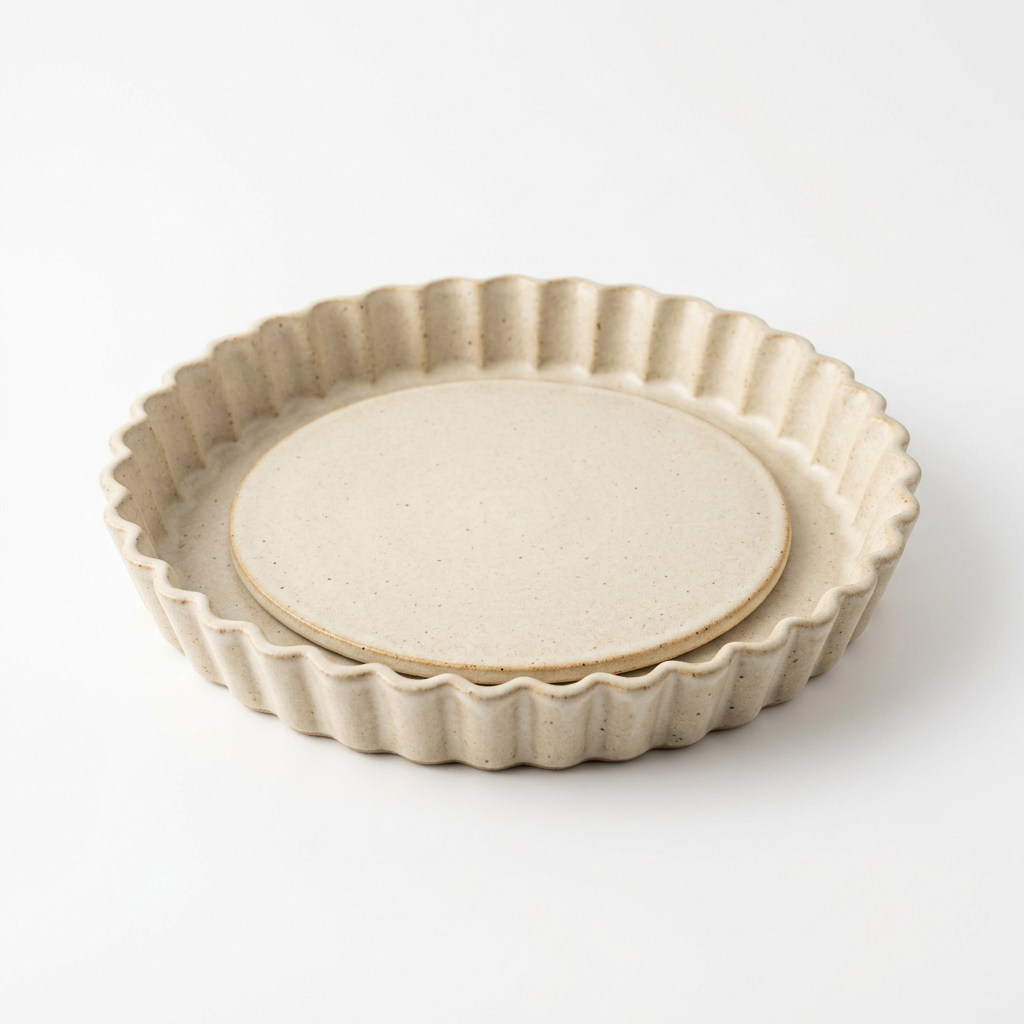
The humble baking dish, often associated with comforting casseroles, is another excellent vehicle for one-pan cooking. While casseroles are a classic example, the baking dish can be used for a much wider range of dishes, from baked pastas and gratins to sheet pan-style roasted meals if you don’t have a rimmed sheet pan. Its advantage lies in its ability to hold a generous amount of food and its oven-safe nature, allowing for even baking and browning.
Layering Flavors in a Baking Dish
Many baking dish meals, particularly casseroles and baked pastas, rely on layering flavors and textures. This often involves cooking components separately before assembling them in the dish – for example, boiling pasta, sautéing vegetables, and preparing a sauce. However, the beauty of a well-designed one-pan baking dish meal is that these steps can be integrated or simplified. For instance, you can cook pasta partially in the baking dish with the sauce and other ingredients, allowing it to finish cooking in the oven.
Sauce is paramount in most baking dish recipes. It not only binds the ingredients together but also provides moisture and flavor. A creamy béchamel, a rich tomato sauce, or a vibrant pesto can all serve as excellent bases. When assembling, consider the order of ingredients. Often, you'll start with a sauce or a layer of pasta at the bottom, followed by proteins, vegetables, and then a topping of cheese or breadcrumbs for a delightful crunchy crust. The enclosed environment of the baking dish allows the flavors to meld beautifully as they bake.
The Topping Factor: Texture and Taste
The topping is often the crowning glory of a baking dish meal. A golden, bubbling layer of cheese is a classic for a reason – it adds richness, saltiness, and a wonderful gooey texture. Common choices include shredded mozzarella, cheddar, Gruyère, Parmesan, or a blend. Beyond cheese, breadcrumbs (plain, panko, or seasoned) provide a delightful crunch that contrasts with the softer ingredients underneath. You can also make a topping from crushed crackers, nuts, or even a simple mixture of butter and herbs.
The goal of the topping is to add a textural element and a final burst of flavor. Ensure the topping is applied evenly and that it’s designed to brown and crisp up in the oven. Sometimes, applying the topping during the last 10-15 minutes of baking is ideal to prevent it from burning while still achieving that perfect golden hue.
Inspiring Baking Dish Meals
Baked Ziti:* Cook ziti pasta until al dente. In a large bowl, combine the cooked pasta with marinara sauce, ricotta cheese, a beaten egg, and seasonings. Layer half of the mixture in a greased 9x13 inch baking dish. Top with shredded mozzarella and Parmesan cheese. Add the remaining pasta mixture and top again with cheese. Bake at 375°F (190°C) for 20-25 minutes, or until bubbly and golden.
Shepherd's Pie (with a twist):* Brown ground lamb or beef with onions, garlic, carrots, and peas. Stir in a gravy or a rich beef broth mixture and simmer. Transfer the meat mixture to a baking dish. Top with a generous layer of mashed potatoes (or a cauliflower mash for a lighter version). Bake at 375°F (190°C) for 25-30 minutes, or until the topping is golden and the filling is bubbling.
Chicken and Broccoli Casserole:* Cook chicken breast and broccoli florets until tender. Combine with a creamy soup (like cream of mushroom or chicken), cooked rice or pasta, and shredded cheddar cheese. Pour into a greased baking dish, top with crushed crackers or breadcrumbs mixed with melted butter, and bake at 375°F (190°C) for 20-25 minutes, until heated through and the topping is golden.
Baking dishes are wonderful for make-ahead meals. You can assemble the dish ahead of time and refrigerate it, then bake it when you’re ready to serve. This makes them ideal for entertaining or for busy weeknights when you want a comforting meal waiting for you.
Beyond the Usual Suspects: Other One-Pan Wonders
While sheet pans, skillets, Dutch ovens, and baking dishes are the most common vessels for one-pan meals, the concept can be extended to other cookware and even appliances. Embracing a broader understanding of one-pan cooking opens up even more possibilities for delicious, low-cleanup meals. Think about your existing kitchen tools and how you might adapt them to create a complete dish in a single pot or pan.
The Versatility of a Wok
A wok, with its high, sloped sides and rapid heating capabilities, is inherently designed for stir-frying, which is a classic one-pan cooking method. Stir-fries are fantastic because they involve cooking a variety of ingredients – proteins, vegetables, aromatics – in quick succession in the same pan. The high heat and constant movement ensure that everything cooks quickly and evenly, retaining a vibrant texture and color.
The process typically involves heating oil in the wok until it shimmers, then stir-frying your protein until almost cooked. Remove the protein, then add harder vegetables, followed by softer vegetables and aromatics. Deglaze with a sauce made from soy sauce, ginger, garlic, and perhaps a touch of honey or cornstarch for thickening. Finally, return the protein to the wok to coat it in the sauce and finish cooking. The result is a complete, flavorful meal cooked entirely in one wok.
Slow Cooker and Instant Pot Magic
Modern appliances like slow cookers and Instant Pots are also fantastic for one-pan meals. While they might not always involve direct searing or browning in the same pot, the principle of creating a complete meal in a single appliance holds true. Many slow cooker recipes involve adding all ingredients directly to the pot and letting them cook low and slow. Similarly, Instant Pots allow for sautéing, pressure cooking, and even slow cooking, all within the same inner pot.
For example, you can make a hearty chili or a pulled pork in a slow cooker, with all the ingredients going in at once. In an Instant Pot, you can sauté onions and garlic, brown meat, then add the remaining ingredients and pressure cook for a tender, flavorful stew or curry. The minimal washing up required makes these appliances invaluable for busy cooks seeking efficiency and delicious results.
Other Creative One-Pan Concepts
Muffin Tin Frittatas or Mini Quiches:* These are perfect for individual servings and can be made with a variety of fillings. Whisk eggs with milk, cheese, and your desired chopped vegetables or cooked meats, then pour into greased muffin tins and bake until set.
Oven-Baked Omelets or Frittatas:* For a larger version, a large oven-safe skillet or a baking dish can be used. Prepare your egg mixture with fillings and bake until set and lightly golden.
One-Pan Baked Pasta:* Similar to the baking dish method, but often involves cooking the pasta directly in the sauce in an oven-safe skillet or pot. This requires careful liquid management to ensure the pasta cooks through properly.
The overarching theme is resourcefulness. Look at your existing cookware and appliances and think about how you can adapt them to minimize steps and dirty dishes. The goal is to create a delicious, complete meal with as little fuss as possible.
"The true beauty of one-pan cooking lies in its adaptability. Don't be afraid to experiment and find what works best for your kitchen and your lifestyle."
Essential Tools for One-Pan Success
While you can technically create a one-pan meal with almost any pot or pan, having a few key pieces of equipment will significantly enhance your experience and the quality of your results. Investing in these versatile tools will make one-pan cooking even more enjoyable and efficient. These are the items I find myself reaching for most often when aiming for maximum flavor with minimal cleanup.
The Non-Negotiables
A Good Quality Baking Sheet (or two): Look for sturdy, heavy-gauge aluminum or stainless steel sheets that won't warp in the oven. Rimmed edges are essential for containing any splatters or juices. Having at least two allows you to cook larger quantities or different components separately if needed. Consider investing in a perforated baking sheet* for even better air circulation and crispier results, especially for vegetables and fries.
A Cast-Iron Skillet:* This is perhaps the most versatile pan in the kitchen. Its ability to go from stovetop to oven, retain heat, and develop a beautiful sear makes it ideal for countless one-pan meals. A well-seasoned cast-iron skillet is naturally non-stick and will last a lifetime. Aim for a 10-inch or 12-inch diameter.
A Heavy-Bottomed Dutch Oven:* As mentioned, this is perfect for braises, stews, and soups. Choose one with a tight-fitting lid, as this is crucial for retaining moisture and even cooking. Enameled cast iron is popular for its ease of cleaning and even heat distribution. Size matters; a 5-6 quart pot is generally a good starting point for most families.
Highly Recommended Additions
A Large Stainless Steel Sauté Pan:* With straight or gently sloped sides, this pan is excellent for searing, sautéing, and making pan sauces. Unlike a skillet, its high sides can help prevent splattering when simmering liquids. Look for one with a heavy, encapsulated base for even heating.
A Roasting Pan:* While a baking sheet works for most roasting, a dedicated roasting pan with a rack is ideal for larger cuts of meat, like a whole chicken or turkey, allowing air to circulate around the entire piece for even cooking and crispy skin.
Silicone or Heat-Resistant Spatulas and Tongs:* These are essential for safely manipulating food in hot pans and for scraping up fond without scratching your cookware.
Proper care of your cookware is also part of the one-pan strategy. A clean pan is a happy pan, and well-maintained tools will perform better and last longer, ultimately contributing to more successful and enjoyable cooking experiences.
Ingredient Strategies for One-Pan Perfection
While the cooking method is key, the ingredients you choose and how you prepare them play an equally vital role in the success of your one-pan meals. Thoughtful selection and preparation ensure that everything cooks evenly, flavors meld beautifully, and the final dish is a triumph of taste and texture.
The Power of Aromatics and Seasoning
Aromatics are the flavor foundation of almost any savory dish. Onions, garlic, shallots, ginger, and chilies, when sautéed at the beginning of the cooking process, release their essential oils and sugars, infusing the entire dish with depth and complexity. Don't be shy with them! A generous amount of finely chopped garlic and onion can transform a simple roasted chicken and vegetables into something truly special.
Seasoning is equally critical. Salt and pepper are the obvious choices, but don't stop there. Consider herbs – fresh or dried, like rosemary, thyme, oregano, basil, or cilantro – which can add brightness and aromatic complexity. Spices, such as cumin, paprika, chili powder, or curry powder, can add warmth, heat, and a distinct flavor profile. Taste and adjust seasoning throughout the cooking process, especially before serving. Remember that flavors concentrate as liquids reduce, so a dish might need less salt initially than you think, but always taste and adjust at the end.
Balancing Proteins, Vegetables, and Starches
A well-composed one-pan meal typically includes a balance of protein, vegetables, and often a starch. The key is to ensure they cook at complementary rates. As discussed earlier, this might mean cutting denser vegetables smaller or adding them to the pan earlier.
Proteins:* Chicken thighs (bone-in or boneless), sausages, salmon, shrimp, pork tenderloin, and ground meats are all excellent choices for one-pan meals. They cook relatively quickly and absorb flavors well. Tougher cuts of meat are best suited for slow-cooking methods in Dutch ovens or slow cookers.
Vegetables:* Aim for a colorful variety. Root vegetables like potatoes, sweet potatoes, carrots, and parsnips are great for roasting. Softer vegetables like bell peppers, zucchini, broccoli, asparagus, and cherry tomatoes can be added later in the cooking process or cut smaller. Leafy greens like spinach or kale can be wilted in during the last few minutes.
Starches:* Many one-pan meals incorporate starches directly into the dish. Rice, pasta, quinoa, or potatoes can be cooked alongside proteins and vegetables. In sheet pan meals, cubed potatoes or sweet potatoes are common. In skillet or Dutch oven meals, pasta or grains can be added to absorb the flavorful liquids.
The Role of Fat and Acid
Fat is essential for flavor and texture in one-pan cooking. Olive oil, butter, or rendered animal fats help to conduct heat, promote browning, and carry flavor. Don't be afraid to use enough fat to coat your ingredients and generously lubricate your pan.
Acid, typically in the form of lemon juice, vinegar (balsamic, red wine, apple cider), or wine, is crucial for balancing the richness of fats and proteins and brightening the overall flavor profile of the dish. A squeeze of lemon juice or a splash of vinegar just before serving can lift a heavy dish and make it taste incredibly fresh and vibrant.
Conclusion
The world of one-pan cooking is vast, delicious, and incredibly accessible. It’s a culinary philosophy that champions efficiency without compromising on flavor, proving that you don't need a professional kitchen or a multitude of pots and pans to create truly memorable meals. Whether you’re utilizing the high-heat roasting power of a sheet pan, building layers of flavor in a cast-iron skillet, embracing the slow-cooked comfort of a Dutch oven, or assembling a hearty casserole in a baking dish, the principles remain the same: simplify your process, maximize your flavor, and minimize your cleanup.
By understanding the science behind flavor development, mastering simple techniques like searing and deglazing, and selecting ingredients that cook harmoniously, you can transform everyday cooking into an enjoyable and rewarding experience. These one-pan methods empower you to get creative, experiment with different flavor combinations, and develop a repertoire of go-to dishes that are both impressive and easy to execute. They are perfect for busy weeknights, relaxed weekends, and even for entertaining guests who will undoubtedly be impressed by the depth of flavor achieved with such elegant simplicity.
So, the next time you’re staring down a pile of dirty dishes, remember the power of the one-pan meal. Embrace the efficiency, savor the concentrated flavors, and enjoy the freedom that comes with less time spent scrubbing and more time spent savoring. Happy cooking, and may your pans be few and your flavors be plentiful!
Get the Next Recipe
Weekly recipes, techniques, and gear picks — straight to your inbox.
