Pairing Wine with Food: A Practical Guide for Home Cooks Who Want to Get It Right
For the home cook, the intersection of food and wine often feels like a restricted club, guarded by sommeliers with impenetrable jargon and menus that read like ancient scripts. We have all stood in the aisle of a wine shop, staring at labels with indecipherable chateaus, wondering if that particular red will truly elevate our Sunday roast or turn the entire meal into a metallic, tannin-heavy disaster. The truth, however, is that professional pairing is less about rigid dogma and more about understanding the fundamental chemistry of your palate. By learning to balance the acidity, fat, salt, and sweetness of your dish against the characteristics of a bottle, you gain the power to make the wine disappear into the food, creating a synergistic effect that is greater than the sum of its parts. This is not about pretension; it is about the practical application of flavor theory in your own kitchen.
As your host here at Blame The Chef, my goal is to strip away the elitism and provide you with a roadmap that turns every dinner party into a masterclass in taste. We will dive into why high-acid foods crave high-acid wines, why tannins act like a squeegee for your tongue after a fatty steak, and how a splash of sweetness can counteract the punishing heat of a spicy curry. Throughout this guide, we will treat the kitchen not as a laboratory, but as a studio where ingredients are colors and wine is the texture that brings them to life. You do not need a cellar full of vintage Burgundies to achieve this; you simply need a curious palate and a willingness to experiment with the principles of culinary balance. Let us move past the "white with fish, red with meat" tropes and start cooking with intent.
To master this craft, you must first stop viewing the wine as a side note and start viewing it as a core ingredient. When you cook, you are managing moisture, structure, and seasoning; when you pair, you are extending that management to the glass. We are looking for harmony, where the wine cuts through richness, complements the aromatics of your herbs, or mirrors the intensity of your sauces. By the end of this post, you will understand the Weight of the Wine, the Intensity of Flavors, and the Bridge Ingredients that make even the most complex meals sing. Prepare to adjust your grocery lists and rethink your wine rack, because once you understand the mechanics of these pairings, your home-cooked meals will never taste the same again.
The Foundation: Understanding the Building Blocks of Taste
Every successful pairing begins with an analysis of the primary flavor components of both the dish and the bottle. The most vital concept to grasp is that wine is a liquid seasoning. Just as you add lemon juice to brighten a heavy cream sauce, a high-acid wine serves the exact same purpose. If you are serving a dish with a high fat content, such as a rich duck confit or a butter-basted ribeye, you need a wine that can cut through that coating on your palate.
The Role of Acidity and Tannins
Acidity is the backbone of any great wine. It is what makes your mouth water and keeps the finish clean. When pairing with acidic foods—think tomato-based pastas, vinaigrettes, or fresh goat cheese—you must choose a wine with equal or higher acidity. If the wine is less acidic than the food, it will taste flat, flabby, and completely uninspired. Aim for crisp whites like Sauvignon Blanc or Albariño, or light-bodied reds like Gamay or Pinot Noir.
Tannins, on the other hand, are the compounds found in grape skins and stems that create that drying sensation on your gums. They are the natural enemy of fish (which can taste metallic when paired with high-tannin reds) but the best friend of protein and fat. When you consume a fatty cut of beef, the tannins in a Cabernet Sauvignon bind to the proteins and fats, softening the wine and clearing your palate for the next bite.
"Wine is not just a beverage; it is a catalyst. When you balance the chemistry of the plate with the chemistry of the glass, the experience transcends mere sustenance and becomes a culinary conversation."
Balancing Intensity and Weight
The Weight of the Wine refers to how it feels in your mouth—is it light like skim milk or heavy like whole cream? A light, delicate poached white fish will be completely obliterated by a high-alcohol, oak-aged Chardonnay. Instead, opt for a light-bodied, neutral wine that allows the subtle nuances of the fish to shine. Conversely, a hearty, slow-braised short rib needs a full-bodied Syrah or Malbec to stand up to the robust texture of the meat.
When matching intensity, think about how long the flavor lingers on your tongue. If your dish is packed with garlic, fresh herbs, and searing heat, choose a wine with enough aromatic intensity to compete. A bold, spice-forward Zinfandel is excellent here. If your dish is subtle, such as a vegetable risotto with peas and mint, choose a wine that reflects those delicate, grassy notes rather than one that will drown them out.
The Art of the Bridge Ingredient
The secret to professional-level pairing often lies in the "Bridge Ingredient." These are elements in the dish—usually a sauce, a herb, or a cooking method—that share an aromatic affinity with the wine. When you can connect the two, the pairing feels seamless and intentional.
Utilizing Sauces and Aromatics
If you are roasting a chicken with lemon, garlic, and fresh rosemary, your wine should have those same herbal undertones. A wine with high aromatic complexity, like an oaked Vermentino or an aromatic Viognier, will echo the notes of the rosemary and the zest of the lemon, creating a link between the food and the glass.
Consider the cooking method as well. Charring a piece of salmon on the grill adds a smoky, bitter element that pairs beautifully with a slightly chilled Grenache. The slight fruitiness of the grape balances the char, while the body of the wine complements the oils in the fish. By manipulating these bridge elements, you can take a standard recipe and turn it into a curated experience.
The Power of Salt and Sugar
Salt is a miracle worker. It enhances the perception of fruit in wine and decreases the perception of bitterness and acidity. If your wine feels a little too sharp, ensure your dish is properly seasoned with flaky Maldon sea salt. The salt will "soften" the wine immediately, making it taste rounder and more approachable.
Sugar acts in the opposite direction. It increases the perception of bitterness, acidity, and alcohol in a wine. If you are pairing a wine with a dessert, the wine must be sweeter than the dessert, or it will taste sour. This is why a late-harvest Riesling is the classic pairing for a fruit tart; the wine has enough residual sugar to remain vibrant while the pastry provides a neutral base.
Mastering Red Wine Pairings
Many home cooks are intimidated by the vast spectrum of red wines. They fear the tannins, the alcohol, and the fear of "doing it wrong." However, the rules of red wine are actually quite logical once you focus on the cooking style.
Tannins and Protein
As mentioned, tannins require protein to show their best face. If you are preparing a lean cut of meat, avoid high-tannin wines like Barolo or Cabernet Sauvignon. The tannins will have nothing to latch onto and will make the meat taste metallic and the wine taste astringent. Save those powerful bottles for fattier, marbled cuts like ribeye or lamb shoulder.
For leaner meats—such as pork tenderloin, turkey, or even lean beef—look for lower-tannin reds. Pinot Noir is the gold standard here, offering earthiness and acidity without the aggressive structural finish of a heavy Cabernet. If you are roasting, consider a slight chill on the bottle, which can highlight the bright red fruit notes and make the wine more versatile for a wider range of side dishes.
The Spicy Dilemma
Spicy food is notoriously difficult to pair with red wine. High alcohol exacerbates the "burn" of chili heat, creating a sensation that can overwhelm your taste buds. If you are making a spicy Thai or Szechuan dish, skip the big, bold reds. Instead, look for a low-alcohol, fruit-forward red served slightly chilled, such as a Beaujolais.
* Keep alcohol levels below 13.5% for spicy dishes.
* Focus on fruit-forward profiles rather than oak-aged profiles.
Consider a Zinfandel* if the spice is balanced by sweetness, as the fruit profile can handle a touch of heat.
The Elegance of White Wine Pairings
White wine is the unsung hero of the culinary world. Its natural acidity makes it far more versatile for food pairing than many heavy reds, and its capacity to bridge the gap between vegetables, seafood, and poultry is unmatched.
High Acidity and Freshness
When cooking with citrus, vinegar, or capers, you need a high-acid white wine. If you are making a Piccata, the lemon and caper sauce is quite sharp; a wine like an Italian Pinot Grigio or a French Muscadet will mirror that acidity, preventing the wine from tasting flat.
Think of white wine as a way to "scrub" your palate after a creamy or oily bite. If you are serving a rich seafood pasta with a cream sauce, a high-acid wine like an Assyrtiko will cut through the cream, making the dish feel lighter and ensuring you can finish the entire bowl without palate fatigue.
"A well-chosen white wine acts as a bright, clean razor that cuts through the noise of a heavy meal, leaving the palate refreshed and ready for the next layer of flavor."
When to Use Oak
Oak is not inherently bad, but it must be used intentionally. An oaked Chardonnay has creamy, buttery, and vanilla notes that can actually clash with acidic dishes. However, it is a magnificent partner for dishes with a creamy texture or a slight char, such as grilled lobster with garlic butter or roasted chicken with bread stuffing. The oak mirrors the toastiness of the bread and the richness of the butter, creating a harmonious, luxurious mouthfeel.
Navigating the Middle Ground: Rosé and Sparkling
Sometimes, the answer isn't red or white; it is the pink in between or the bubbles that define a celebration. These wines are often the most practical options for home cooks who are serving a variety of side dishes.
The Versatility of Rosé
A dry Rosé is arguably the most food-friendly wine in existence. Because it has the acidity of a white wine but the fruit profile of a red, it can bridge the gap between a meat-centric dish and a vegetable side. If you are cooking a meal that features grilled vegetables, charcuterie, and perhaps a light fish, a dry Provence-style Rosé is your best friend.
Sparkling Wine is for Dinner, Not Just Toasts
We tend to save sparkling wine for New Year's Eve, but this is a massive mistake. The high acidity and effervescence of a Champagne or Cava make it the ultimate palate cleanser. It is particularly effective with fried foods. Think about it: the crunch of a fried chicken or tempura paired with the sharp acidity and bubbles of a dry sparkling wine is perfection. The bubbles act like a scrub brush, lifting the oil off your tongue between every single bite.
Pro Tips: Temperatures, Timing, and Service
The way you serve your wine is just as important as the wine itself. Even a $100 bottle will taste lackluster if it is served at the wrong temperature. Most home cooks serve their reds too warm and their whites too cold, effectively muting the aromatics of both.
The Temperature Spectrum
For most red wines, room temperature is actually too warm. In the modern, heated home, "room temperature" is often 72°F or higher, which makes red wine taste alcoholic and jammy rather than structured. Aim for 60°F to 65°F. For whites, 45°F to 50°F is the sweet spot. If you take a white wine straight out of the fridge at 38°F, let it sit on the counter for 15 minutes before pouring. This allows the subtle floral and mineral notes to emerge from their frozen state.
Decanting and Aeration
Decanting is not just for fancy, aged wines. It is a practical tool for young, tight wines that need to breathe. Pouring a young Cabernet or Syrah into a decanter for 30-45 minutes before dinner will soften the tannins and allow the fruit to integrate. If you don't have a decanter, simply pulling the cork and pouring a glass to let the surface area in the bottle oxidize is a perfectly acceptable shortcut.
Cooking with Wine
Finally, let us address the elephant in the room: cooking with the wine you intend to pair. It is a culinary rule that you should never cook with a wine you wouldn't drink. However, you also shouldn't use your most expensive bottle to deglaze a pan.
The Rule of Thumb
Use a dry, high-acidity wine for cooking. Avoid "cooking wine" found in the vinegar aisle; it is loaded with salt and preservatives that will ruin your sauce. Instead, buy a decent $10-$15 bottle of Sauvignon Blanc or a dry Pinot Grigio. As the wine reduces, the alcohol evaporates and the acidity concentrates, which helps brighten your braises and pan sauces.
When deglazing, pour the wine into the hot pan immediately after removing your meat. The sound—that sharp hiss—is the sound of flavor being lifted from the bottom of the pan. Let the wine reduce by at least half before adding any stock or cream. This ensures that the acidity is balanced and the flavor of the wine is concentrated.
Final Thoughts
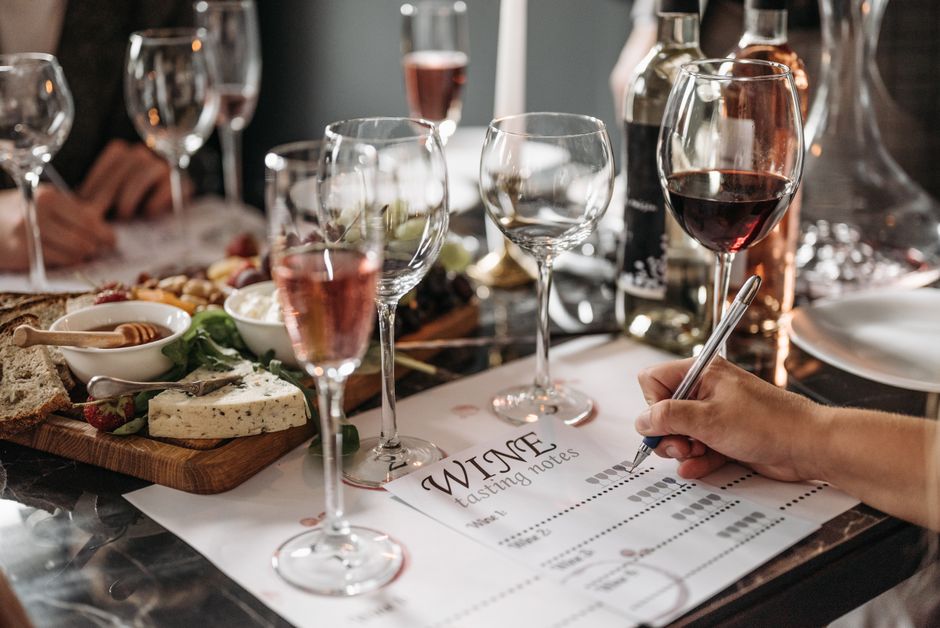
Pairing wine with food is a lifelong journey of discovery. You will have nights where the bottle and the dish align in perfect harmony, and you will have nights where the pairing falls flat. That is the nature of the kitchen. Do not let the potential for a "bad" pairing keep you from experimenting. The most important thing you can do is take notes. Keep a small journal—what were you eating, what were you drinking, and why did it work (or fail)?
Over time, you will develop a shorthand for your own palate. You will stop needing to look up rules and start relying on your intuition. You will know that a slightly spicy sausage needs an Italian Barbera for its bright acidity, or that a rich mushroom risotto is crying out for an earthy Nebbiolo. The confidence you gain in the kitchen will translate to every aspect of your cooking.
Remember, the goal is always joy. Wine is meant to be shared, and food is meant to be savored. When you treat the two as partners rather than separate entities, you elevate the humble act of eating into something truly memorable. So, open that bottle, season your pan, and start cooking with a newfound sense of purpose. You are not just following a recipe; you are orchestrating an experience.
Go forth, experiment, and don't be afraid to take risks. If a pairing misses the mark, simply adjust the seasoning, pour a different glass, and keep cooking. The best chef in the room is always the one who is willing to learn, and with this foundation, you are well on your way to becoming the master of your own dining table. Blame the chef if things go wrong, but take all the credit when the meal is nothing short of extraordinary.
You have all the tools you need now. You understand the interplay of acidity, the structural necessity of tannins, the role of temperature, and the power of the bridge ingredient. Your kitchen is the laboratory, and your palate is the judge. Start with the basics, trust your senses, and keep reaching for that next level of sophistication. Happy cooking, and even happier sipping. The table is set, the wine is poured, and the stage is yours.
Get the Next Recipe
Weekly recipes, techniques, and gear picks — straight to your inbox.
